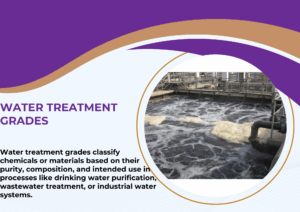

 Preservatives(food)
 Flavors
 Acidulants
 Sweeteners
 Antioxidants
 Colorants(food)
 Nutraceutical Ingredients (food)
 Nutrient Supplements
 Emulsifiers

 Collectors
 Dust Suppressants
 Explosives and Blasting Agents
 Flocculants and Coagulants
 Frothers
 Leaching Agents
 pH Modifiers
 Precious Metal Extraction Agents

 Antioxidants(plastic)
 Colorants (Pigments, Dyes)
 Fillers and Reinforcements
 Flame Retardants
 Monomers
 Plasticizers
 Polymerization Initiators
 Stabilizers (UV, Heat)

 Antifoaming Agents
 Chelating Agents
 Coagulants and Flocculants
 Corrosion Inhibitors
 Disinfectants and Biocides
 Oxidizing Agents
 pH Adjusters
 Scale Inhibitors( water)

 Antioxidants(cosmetic)
 Emollients
 Oils
 Carrier Oills
 Essential Oils
 Humectants
 Preservatives
 Surfactants(cosmetic)
 Thickeners
 UV Filters
 Fragrance (Cosmetics)

 Fertilizers
 Soil Conditioners
 Plant Growth Regulators
 Animal Feed Additives
 Biostimulants
 Pesticides (Herbicides, Insecticides, Fungicides)

 Active Pharmaceutical Ingredients (APIs)
 Excipients
 Solvents(pharmaceutical)
 Antibiotics
 Antiseptics and Disinfectants
 Vaccine Adjuvants
 Nutraceutical Ingredients (pharmaceutical)
 Analgesics & Antipyretics

 Analytical Reagents
 Solvents(lab)
 Chromatography Chemicals
 Spectroscopy Reagents
 microbiology-and-cell-culture-reagents
 Molecular Biology Reagents
 Biochemical Reagents
 Inorganic and Organic Standards
 Laboratory Safety Chemicals
 Specialty Laboratory Chemicals(Special Laboratory Equipment)

 Demulsifiers
 Hydraulic Fracturing Fluids
 Scale Inhibitors(oil)
 Surfactants(oil)
 Drilling Fluids

 Dyes and Pigments
 Bleaching Agents
 Softening Agents
 Finishing Agents
 Antistatic Agents

 Admixtures
 Waterproofing Agents
 Sealants and Adhesives
 Curing Compounds
 Concrete Repair Chemicals
 Anti-Corrosion Coatings

 Surfactants(cleaning)
 Builders
 Enzymes
 Solvents (Cleaning)

 Electronic Chemicals
 Catalysts
 Lubricants
 Photographic Chemicals
 Refrigerants
 Automotive chemicals
 Pyrotechnic Chemicals

 Biodegradable Surfactants
 Bio-based Solvents
 Renewable Polymers
 Carbon Capture Chemicals
 Wastewater Treatment Chemicals

 Pigments
 Solvents(paint)
 Specialty Coatings
 Binders/Resins
 Additives
 Driers
 Anti-Corrosion Agents
 Functional Coatings
 Application-Specific Coatings

 Leavening Agents
 Dough Conditioners
 Flour Treatments
 Fat Replacers
 Decoratives
 Preservatives(baking)

 Plasticizers & Softeners
 Reinforcing Agents
 Adhesion Promoters
 Vulcanizing Agents
 Antidegradants
 Blowing Agents
 Fillers & Extenders
 Accelerators & Retarders

Chemicals in Battery Manufacturing: Why Critical Minerals Are Becoming So Important 🔋🧪


From smartphones and laptops to electric vehicles and renewable energy storage systems, batteries have become essential to modern life. As the world moves toward cleaner energy and electrified transport, demand for advanced batteries is increasing—and so is the need for the chemicals and critical minerals used to manufacture them.
Behind every battery is a carefully engineered combination of materials that determines how much energy it stores, how efficiently it operates, and how long it lasts. Chemistry is at the heart of this technology, while critical minerals are becoming increasingly important to global manufacturing and supply chains. 🌍
What Are Critical Minerals?
Critical minerals are raw materials considered important for strategic industries but may face supply risks because of limited production, concentrated supply chains, or challenges in extraction and processing.
In battery manufacturing, important materials include lithium, nickel, cobalt, manganese, graphite, and, in some battery technologies, iron and phosphate compounds.
These materials have different functions. Lithium is essential to many rechargeable battery chemistries, while graphite is widely used in battery anodes. Nickel and manganese can contribute to cathode performance, while cobalt is used in certain battery designs to support stability and energy density.
Not every battery requires all these materials. The combination depends on the battery chemistry and its intended application.
The Chemistry Inside a Battery 🔬
A rechargeable battery typically contains three key components: a cathode, an anode, and an electrolyte.
During charging and discharging, ions move between the electrodes through the electrolyte, while electrons travel through an external circuit to deliver electrical energy.
The chemical composition of these components influences the battery’s energy capacity, charging behaviour, stability, operating temperature, and lifespan.
For example, lithium iron phosphate (LFP) batteries use lithium iron phosphate in their cathodes, while nickel-manganese-cobalt (NMC) batteries use a combination of nickel, manganese, and cobalt compounds.
LFP batteries avoid nickel and cobalt in their cathodes, illustrating how alternative battery chemistries can change demand for particular minerals.
Why Are Critical Minerals Becoming More Important?
The growth of electric vehicles, renewable energy installations, and portable electronics is increasing the importance of reliable battery-material supplies.
Manufacturers need consistent access to materials that meet strict chemical and physical specifications. Their purity, particle characteristics, and composition can affect battery performance, safety, and manufacturing efficiency.
Processing these raw materials into battery-grade compounds also requires specialised chemical technologies, quality control, and substantial investment.
As a result, competition is growing not only for mineral resources but also for the facilities and expertise needed to refine and process them into usable materials.


From Mining to Battery Manufacturing
Extracting minerals is only one stage of the battery supply chain. Raw materials often require processing, purification, and chemical conversion before they can be used in battery components.
For example, lithium-bearing resources must be processed into suitable lithium compounds. Graphite may require purification and further treatment, while metals used in cathodes must meet specific composition and quality requirements.
This creates opportunities for businesses involved in mineral processing, industrial chemicals, laboratory testing, and specialised manufacturing.
However, these activities also require careful environmental management because mining and refining can consume significant amounts of energy and water and may generate waste.
What Does This Mean for Kenya and Africa? 🇰🇪
Africa has significant mineral resources and growing opportunities to participate in the global battery supply chain. Several countries produce minerals relevant to battery technologies, while regional industries could potentially develop additional capabilities in processing, materials testing, and manufacturing.
For Kenya, opportunities may include mineral value addition where commercially viable, battery deployment, energy storage, recycling, and the development of supporting industrial services.
Building a stronger regional battery industry will require investment, reliable energy and infrastructure, technical skills, environmental safeguards, and access to markets.
The greatest opportunity lies in moving beyond the export of raw materials toward developing more value-added industrial capabilities.
Battery Recycling and the Circular Economy ♻️
Critical minerals are valuable resources, making recovery from used batteries an increasingly important area of innovation.
Specialised recycling processes can recover selected metals and other materials for potential reuse in manufacturing. Effective recycling can reduce demand for some newly mined resources and help manage battery waste.
However, batteries must be collected, transported, assessed, and processed through appropriate systems because damaged or improperly handled units can present chemical and fire hazards.
Recycling is therefore an important part of building a more resource-efficient battery industry.
Powering the Future Through Chemistry
Battery technology is advancing rapidly, and future demand will depend on electric mobility, renewable energy storage, evolving battery chemistries, and improvements in recycling.
Critical minerals will remain important, but innovation may change which materials are needed and in what quantities.
For the chemical industry, this creates opportunities in material purification, specialised chemical processing, quality testing, and resource recovery.
Ultimately, the future of batteries depends not only on the minerals extracted from the earth, but also on the chemistry that transforms them into reliable energy-storage technologies. 🔋🧪🌍