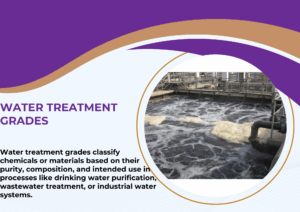

 Preservatives(food)
 Flavors
 Acidulants
 Sweeteners
 Antioxidants
 Colorants(food)
 Nutraceutical Ingredients (food)
 Nutrient Supplements
 Emulsifiers

 Collectors
 Dust Suppressants
 Explosives and Blasting Agents
 Flocculants and Coagulants
 Frothers
 Leaching Agents
 pH Modifiers
 Precious Metal Extraction Agents

 Antioxidants(plastic)
 Colorants (Pigments, Dyes)
 Fillers and Reinforcements
 Flame Retardants
 Monomers
 Plasticizers
 Polymerization Initiators
 Stabilizers (UV, Heat)

 Antifoaming Agents
 Chelating Agents
 Coagulants and Flocculants
 Corrosion Inhibitors
 Disinfectants and Biocides
 Oxidizing Agents
 pH Adjusters
 Scale Inhibitors( water)

 Antioxidants(cosmetic)
 Emollients
 Oils
 Carrier Oills
 Essential Oils
 Humectants
 Preservatives
 Surfactants(cosmetic)
 Thickeners
 UV Filters
 Fragrance (Cosmetics)

 Fertilizers
 Soil Conditioners
 Plant Growth Regulators
 Animal Feed Additives
 Biostimulants
 Pesticides (Herbicides, Insecticides, Fungicides)

 Active Pharmaceutical Ingredients (APIs)
 Excipients
 Solvents(pharmaceutical)
 Antibiotics
 Antiseptics and Disinfectants
 Vaccine Adjuvants
 Nutraceutical Ingredients (pharmaceutical)
 Analgesics & Antipyretics
 Analytical Reagents
 Solvents(lab)
 Chromatography Chemicals
 Spectroscopy Reagents
 microbiology-and-cell-culture-reagents
 Molecular Biology Reagents
 Biochemical Reagents
 Inorganic and Organic Standards
 Laboratory Safety Chemicals
 Specialty Laboratory Chemicals(Special Laboratory Equipment)
 Demulsifiers
 Hydraulic Fracturing Fluids
 Scale Inhibitors(oil)
 Surfactants(oil)
 Drilling Fluids

 Dyes and Pigments
 Bleaching Agents
 Softening Agents
 Finishing Agents
 Antistatic Agents

 Admixtures
 Waterproofing Agents
 Sealants and Adhesives
 Curing Compounds
 Concrete Repair Chemicals
 Anti-Corrosion Coatings

 Surfactants(cleaning)
 Builders
 Enzymes
 Solvents (Cleaning)

 Electronic Chemicals
 Catalysts
 Lubricants
 Photographic Chemicals
 Refrigerants
 Automotive chemicals
 Pyrotechnic Chemicals

 Biodegradable Surfactants
 Bio-based Solvents
 Renewable Polymers
 Carbon Capture Chemicals
 Wastewater Treatment Chemicals

 Pigments
 Solvents(paint)
 Specialty Coatings
 Binders/Resins
 Additives
 Driers
 Anti-Corrosion Agents
 Functional Coatings
 Application-Specific Coatings

 Leavening Agents
 Dough Conditioners
 Flour Treatments
 Fat Replacers
 Decoratives
 Preservatives(baking)

 Plasticizers & Softeners
 Reinforcing Agents
 Adhesion Promoters
 Vulcanizing Agents
 Antidegradants
 Blowing Agents
 Fillers & Extenders
 Accelerators & Retarders

How Climate Change Is Changing the Demand for Industrial Chemicals 🌍🧪


Climate change is reshaping industries around the world, influencing how businesses manufacture products, manage resources, and protect infrastructure. Rising temperatures, changing rainfall patterns, water shortages, and more frequent extreme weather events are creating new challenges for industrial operations.
As industries adapt, the demand for certain chemical products is also evolving. From water treatment chemicals and protective coatings to agricultural inputs and advanced materials, industrial chemistry is becoming an important part of climate adaptation and resilience.
Why Is Climate Change Affecting Chemical Demand?
Industrial chemicals support a wide range of activities, including manufacturing, construction, agriculture, mining, textiles, and water treatment. When environmental conditions change, the materials businesses need—and the performance they expect from them—can change as well.
For example, prolonged dry periods can increase the need for effective water treatment and reuse, while heavier rainfall can place greater pressure on drainage systems, protective coatings, and infrastructure.
At the same time, industries are exploring ways to reduce emissions, conserve energy, and develop products with lower environmental impacts. These changing priorities are influencing chemical research, production, and purchasing decisions. 🌱
Water Treatment Chemicals: Meeting Growing Water Challenges 💧
Water scarcity is becoming a concern for many communities and industries. Manufacturing facilities need reliable water supplies for cleaning, cooling, processing, and product formulation.
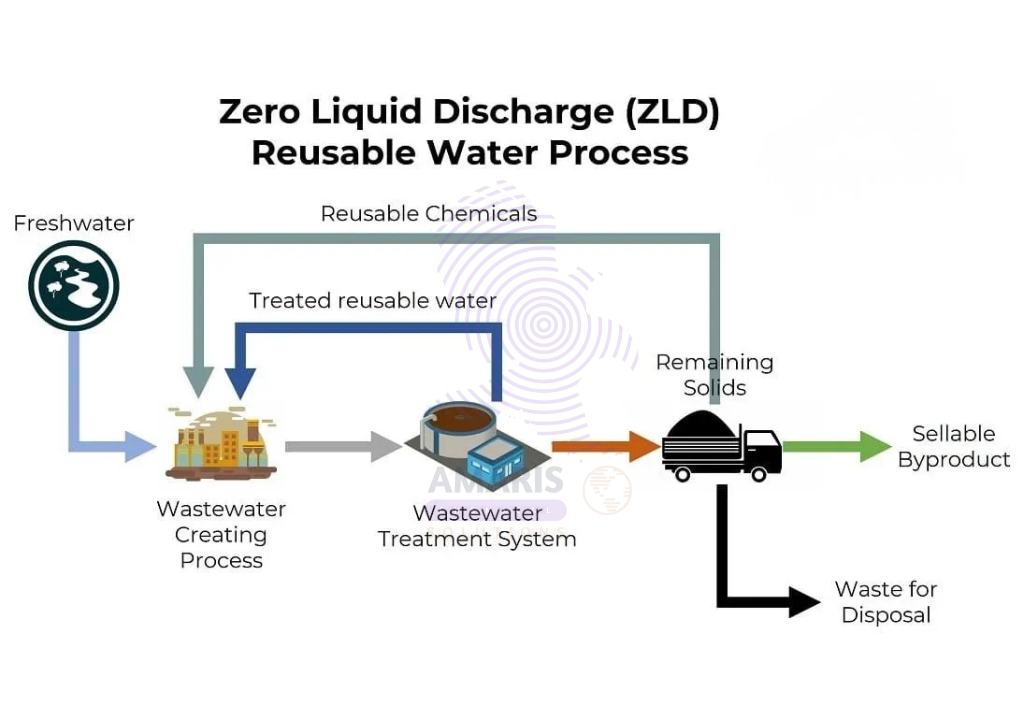
This is increasing interest in technologies that help businesses treat wastewater, recycle process water, and improve water efficiency.
Chemicals such as coagulants, flocculants, pH-adjustment agents, and suitable disinfectants can support specific water treatment processes. Their effectiveness depends on the source water, contaminants present, treatment objectives, and applicable standards.
As more industries consider water reuse, demand may grow for treatment solutions that help maintain water quality while reducing dependence on freshwater resources.
Construction Chemicals and Protective Materials 🏗️
Changing weather conditions can place additional stress on buildings, roads, bridges, and industrial facilities. Heat, moisture, intense rainfall, and repeated wetting and drying can contribute to material deterioration.
Construction chemicals—including waterproofing compounds, sealants, concrete admixtures, protective coatings, and corrosion-control products—can help improve durability when correctly selected and applied.
For regions experiencing changing rainfall patterns or high temperatures, these materials can contribute to more resilient infrastructure.
However, their suitability depends on the structure, exposure conditions, material compatibility, and required performance standards.


Agriculture and the Demand for Efficient Inputs 🌾
Climate change can affect crop productivity through heat stress, irregular rainfall, and changing pest and disease pressures. These challenges can influence demand for agricultural chemicals and other crop-management inputs.
Fertilisers, crop-protection products, soil amendments, and water-management technologies may all play roles in agricultural adaptation.
However, using more chemicals is not automatically the best solution. Appropriate product selection, responsible application, soil management, and integrated pest management are important for protecting productivity and the environment.
Developing inputs that improve nutrient-use efficiency or support crops under specific environmental stresses is also an important area of innovation.
The Shift Toward Lower-Carbon Chemical Manufacturing
Climate change is influencing not only which chemicals industries purchase, but also how those chemicals are produced.
Manufacturers are exploring renewable feedstocks, energy-efficient processes, improved catalysts, recycling technologies, and methods of reducing production waste. These approaches can help reduce environmental impacts when their benefits are demonstrated across the relevant production lifecycle.
Demand may therefore increase for certain bio-based materials, lower-carbon products, and technologies that support resource efficiency.
The transition will vary by chemical and application because cost, availability, performance, and infrastructure all influence adoption. ♻️
What Does This Mean for Kenya and Africa? 🇰🇪
For Kenya and other African economies, climate-related changes create both challenges and opportunities.
Growing interest in water reuse, resilient construction, efficient agriculture, renewable energy, and sustainable manufacturing may influence the types of chemicals businesses require.
Chemical suppliers and manufacturers can respond by monitoring industry needs, strengthening supply chains, providing reliable product information, and helping customers select materials appropriate for their applications.
Planning is particularly important because climate impacts and industrial requirements vary across regions and sectors.
Preparing for the Future of Industrial Chemicals
Climate change is becoming an important influence on industrial demand, from water treatment and infrastructure protection to agricultural inputs and cleaner manufacturing technologies.
Businesses that understand these shifts can make better purchasing decisions, plan for changing resource needs, and identify opportunities for innovation.
Ultimately, the chemical industry has two important roles: helping other sectors adapt to changing environmental conditions and reducing the environmental impacts associated with chemical production itself.
The future of industrial chemicals will depend not only on what industries need, but also on how efficiently, responsibly, and sustainably those needs can be met. 🌍🧪