

 Preservatives(food)
 Flavors
 Acidulants
 Sweeteners
 Antioxidants
 Colorants(food)
 Nutraceutical Ingredients (food)
 Nutrient Supplements
 Emulsifiers
 Collectors
 Dust Suppressants
 Explosives and Blasting Agents
 Flocculants and Coagulants
 Frothers
 Leaching Agents
 pH Modifiers
 Precious Metal Extraction Agents
 Antioxidants(plastic)
 Colorants (Pigments, Dyes)
 Fillers and Reinforcements
 Flame Retardants
 Monomers
 Plasticizers
 Polymerization Initiators
 Stabilizers (UV, Heat)
 Antifoaming Agents
 Chelating Agents
 Coagulants and Flocculants
 Corrosion Inhibitors
 Disinfectants and Biocides
 Oxidizing Agents
 pH Adjusters
 Scale Inhibitors( water)
 Antioxidants(cosmetic)
 Emollients
 Oils
Oils Carrier Oills
 Essential Oils
 Humectants
 Preservatives
 Surfactants(cosmetic)
 Thickeners
 UV Filters
 Fragrance (Cosmetics)
 Fertilizers
 Soil Conditioners
 Plant Growth Regulators
 Animal Feed Additives
 Biostimulants
 Pesticides (Herbicides, Insecticides, Fungicides)
 Active Pharmaceutical Ingredients (APIs)
 Excipients
 Solvents(pharmaceutical)
 Antibiotics
 Antiseptics and Disinfectants
 Vaccine Adjuvants
 Nutraceutical Ingredients (pharmaceutical)
 Analgesics & Antipyretics
 Analytical Reagents
 Solvents(lab)
 Chromatography Chemicals
 Spectroscopy Reagents
 microbiology-and-cell-culture-reagents
 Molecular Biology Reagents
 Biochemical Reagents
 Inorganic and Organic Standards
 Laboratory Safety Chemicals
 Specialty Laboratory Chemicals(Special Laboratory Equipment)
 Demulsifiers
 Hydraulic Fracturing Fluids
 Scale Inhibitors(oil)
 Surfactants(oil)
 Drilling Fluids
 Dyes and Pigments
 Bleaching Agents
 Softening Agents
 Finishing Agents
 Antistatic Agents
 Admixtures
 Waterproofing Agents
 Sealants and Adhesives
 Curing Compounds
 Concrete Repair Chemicals
 Anti-Corrosion Coatings
 Surfactants(cleaning)
 Builders
 Enzymes
 Solvents (Cleaning)
 Electronic Chemicals
 Catalysts
 Lubricants
 Photographic Chemicals
 Refrigerants
 Automotive chemicals
 Pyrotechnic Chemicals
 Biodegradable Surfactants
 Bio-based Solvents
 Renewable Polymers
 Carbon Capture Chemicals
 Wastewater Treatment Chemicals
 Pigments
 Solvents(paint)
 Specialty Coatings
 Binders/Resins
 Additives
 Driers
 Anti-Corrosion Agents
 Functional Coatings
 Application-Specific Coatings
 Leavening Agents
 Dough Conditioners
 Flour Treatments
 Fat Replacers
 Decoratives
 Preservatives(baking)
 Plasticizers & Softeners
 Reinforcing Agents
 Adhesion Promoters
 Vulcanizing Agents
 Antidegradants
 Blowing Agents
 Fillers & Extenders
 Accelerators & Retarders


African Potato Extract
Original price was: $ 11.70.$ 11.59Current price is: $ 11.59.
African Potato Extract is derived from the plant Hypoxis hemerocallidea, a medicinal plant native to southern Africa. It is commonly used in traditional African medicine for its anti-inflammatory, antioxidant, and immune-boosting properties. The active compound in the extract is hypoxoside, which is converted in the body to rooperol, a potent antioxidant. African Potato Extract is often used as a complementary treatment for conditions like arthritis, prostate issues, and certain infections, though scientific evidence on its effectiveness is still limited.
African Potato Extract
Primary Uses
- Immune System Support
- raditionally used to boost immunity (linked to hypoxoside and sterols like β-sitosterol).
- Studied for adjuvant therapy in HIV/AIDS (though clinical evidence is limited).
- Anti-Inflammatory & Pain Relief
- Used in arthritis, gout, and muscle pain due to steroidal compounds.
- Applied topically or consumed as a tea/tincture for joint health.
- Prostate & Urinary Health
- β-sitosterol may help benign prostatic hyperplasia (BPH) symptoms (e.g., frequent urination).
- Wound Healing
- Topical use for burns, sores, and skin infections (antimicrobial properties).
Secondary Uses
- Antioxidant Supplement
- Neutralizes free radicals (potential anti-aging effects).
- Digestive Health
- Mild relief for stomach ulcers and gastritis.
- Livestock & Veterinary Medicine
- Added to animal feed for immune support (limited research).
1. Basic Identification Attributes
- Chemical Name: Hypoxis hemerocallidea extract (primary bioactive: β-sitosterol, hypoxoside)
- CAS Number: Not standardized (extract); β-sitosterol (CAS 83-46-5)
- HS Code: 1302.19 (for plant extracts)
- Molecular Formula: Varies (β-sitosterol: C₂₉H₅₀O)
- Synonyms: African Potato, Bantu Tulip, Sterculia africana extract,
2. Physical & Chemical Properties
- Physical State: Viscous liquid or dried powder (depending on preparation)
- Color & Odor: Amber to brown liquid; earthy, slightly bitter odor
- Boiling/Melting Point: Not applicable (complex mixture)
- Density: ~1.0–1.2 g/cm³ (liquid extract)
- Solubility: Water-soluble (polar solvents); ethanol, glycerin (for tinctures)
- pH Level: Slightly acidic (pH 5–6)
- Vapor Pressure: Low (non-volatile)
- Flash Point: Non-flammable (if aqueous-based)
- Viscosity: Moderate (syrupy if concentrated)
3. Safety & Hazard Attributes
- Hazard Class: Generally non-hazardous (GHS: Not classified)
- NFPA Ratings: Health (1), Flammability (0), Reactivity (0)
- Exposure Limits: No OSHA PEL/ACGIH TLV (natural product)
- Reactivity: Stable; avoid strong oxidizers (e.g., peroxides)
4. Storage & Handling Attributes
- Storage Conditions: 2–8°C (refrigerated for liquid extract); dry, dark place for powder
- Incompatible Materials: Reactive metals, strong bases/acids
- Container Type: Amber glass (light-sensitive), HDPE plastic
- Shelf Life: 1–2 years (varies by formulation)
- Special Handling: Standard lab PPE (gloves, goggles); avoid inhalation of powder
5. Regulatory & Compliance Attributes
- Regulatory Status:
- USA: Dietary supplement (FDA GRAS for β-sitosterol)
- EU: Traditional herbal medicine (THMPD compliant)
- South Africa: Registered under Medicines Control Council (MCC)
- Hazard Symbols: None (non-toxic at recommended doses)
- Transportation Restrictions: Non-hazardous for shipping (no UN number)
- Waste Disposal: Compostable/biodegradable (EPA Category 1)
6. Environmental & Health Impact
- Ecotoxicity: Low (LD50 > 5000 mg/kg in rats)
- Persistence: Biodegradable (plant-derived compounds)
- Carcinogenicity: Not listed by IARC/NTP; β-sitosterol is anti-carcinogenic in studies
- Biodegradability: High (plant-based polysaccharides, sterols)
Safety Precautions
Personal Protective Equipment (PPE):
- Gloves: Nitrile or latex (for liquid extracts)
- Eye Protection: Safety goggles (if handling concentrated solutions)
- Clothing: Lab coat (to prevent staining)
Handling & Storage:
- Store in airtight, light-resistant containers (to prevent oxidation)
- Keep in a cool, dry place (optimal temperature: 15–25°C)
- Avoid direct sunlight (may degrade active compounds)
- Keep away from strong acids/bases (may alter phytochemical composition)
Hygiene & Work Practices:
- No eating/drinking in handling areas
- Wash hands after use
- Label containers clearly (e.g., "Plant Extract – Not for Direct Consumption")
First Aid Measures
Skin Contact:
- Wash with soap and water
- Apply moisturizer if irritation occurs
Eye Contact:
- Rinse with lukewarm water for 15 minutes
- Seek medical attention if irritation persists
Ingestion (Accidental):
- Do NOT induce vomiting
- Rinse mouth with water
- Drink milk or water to dilute
- Seek medical advice (potential allergic reactions)
Inhalation (Powder/Dust):
- Move to fresh air
- If respiratory irritation occurs, consult a physician
Firefighting Measures
Fire Hazards:
- Not flammable (if in aqueous/glycerin extract form)
- Ethanol-based extracts are flammable (flash point varies by concentration)
Extinguishing Media:
✔ CO₂ (for ethanol-based extracts)
✔ Dry chemical powder
✔ Water spray (for cooling containers)
Firefighting Precautions:
- Wear SCBA (self-contained breathing apparatus) if fumes are present
- Avoid water jets (if extract contains organic solvents)
Spill & Disposal
Small Spills (Liquid Extract):
- Absorb with inert material (e.g., paper towels, sand)
- Dispose in sealed container
Powder Spills:
- Wear a dust mask
- Dampen slightly with water before cleanup
Disposal:
- Follow local bio-waste regulations
- Do NOT pour down drains (may clog or contaminate water)
Related products
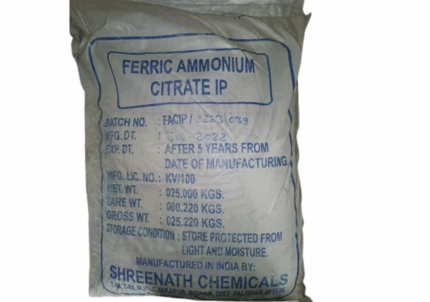
Ferric Ammonium Citrate
Ferric Ammonium Citrate is a dark green to black crystalline or granular inorganic compound composed of iron, ammonium ions, and citrate ions. It is a complex salt of citric acid with ferric iron (Fe³⁺) and ammonium. This compound is highly soluble in water, forming a greenish solution, and is widely utilized as a source of iron in various chemical, pharmaceutical, photographic, and food applications. It acts as a mild oxidizing agent and an iron supplement, valued for its bioavailability and ease of incorporation into formulations. Ferric Ammonium Citrate is typically available in different formulations distinguished by their water and ammonium content, such as green and brown types.
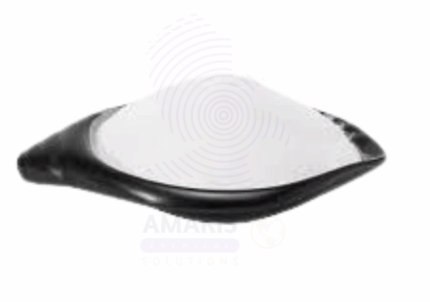
Fish Collagen
Fish Collagen is a natural protein derived from the skin, scales, and bones of various fish species through enzymatic hydrolysis or acid extraction. It is predominantly Type I collagen, known for its excellent bioavailability and biocompatibility. Fish Collagen typically appears as a fine white to off-white powder with low odor and high solubility in water and acidic solutions. It is widely prized in cosmetics, nutraceuticals, pharmaceuticals, and food industries due to its superior absorption compared to mammalian collagen, making it highly effective in skin, joint, and bone health applications. Fish Collagen supports the body’s extracellular matrix, promoting skin elasticity, hydration, and tissue repair.
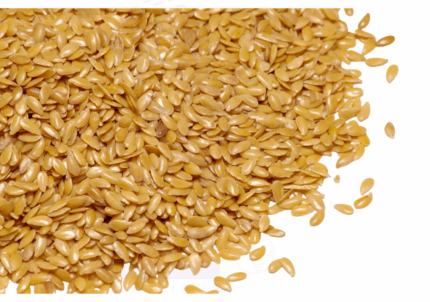
Flax
Flax (Linum usitatissimum) is an ancient crop cultivated primarily for its seeds and fibers. The flax seeds are small, flat, and oval, ranging from golden yellow to brown in color, and are rich in nutrients including omega-3 fatty acids (alpha-linolenic acid), lignans, dietary fiber, proteins, and vitamins. Flax fibers are derived from the stem and used in textile and industrial applications. Flaxseed oil, extracted from the seeds, is highly valued for its nutritional and therapeutic properties. Flax is utilized across food, nutraceutical, cosmetic, pharmaceutical, and industrial sectors due to its multifunctional health benefits, fiber content, and sustainable nature.
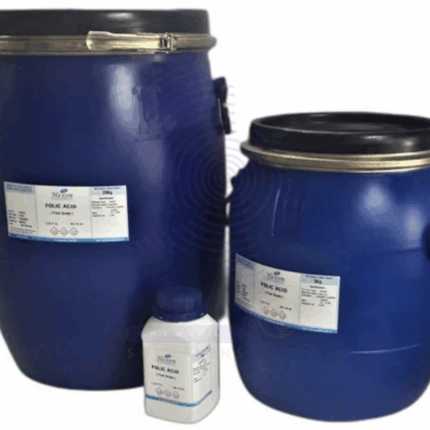
Folic Acid
Folic Acid, also known as Vitamin B9 or pteroylmonoglutamic acid, is a water-soluble vitamin essential for numerous physiological processes including DNA synthesis, repair, and methylation, as well as amino acid metabolism. It appears as a yellow to orange-yellow crystalline powder, odorless or with a faint characteristic odor. Folic Acid is vital for cell division and growth, making it critical during pregnancy and periods of rapid growth. It is widely used in the pharmaceutical, nutraceutical, food fortification, and cosmetic industries due to its role in preventing folate deficiency anemia, neural tube defects in newborns, and supporting overall cellular health.
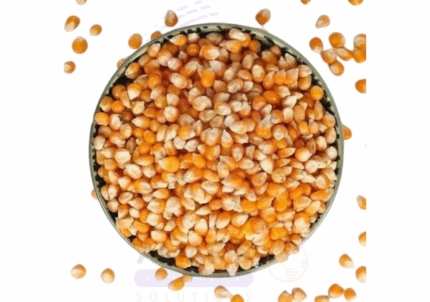
Natural Kernals
Natural Kernals are the edible seeds extracted from various nuts, fruits, or cereals in their pure, unprocessed form. These kernels retain their natural flavor, texture, and nutritional content, making them highly valued as whole food ingredients. They are rich in proteins, healthy fats, vitamins, minerals, and dietary fiber. Natural Kernals find extensive applications across food manufacturing, bakery, confectionery, snack production, and health food sectors.
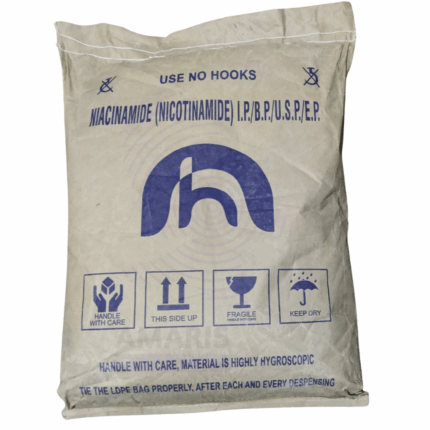
Nicotinamide BP
Nicotinamide BP, also known as niacinamide, is a water-soluble form of vitamin B3 (niacin). It is a vital nutrient involved in numerous cellular processes, including energy metabolism, DNA repair, and antioxidant activity. Widely used in pharmaceutical, cosmetic, and nutritional applications, Nicotinamide supports skin health, improves barrier function, and exhibits anti-inflammatory properties. It is commonly found in dietary supplements, skincare formulations, and medical treatments for various dermatological conditions.
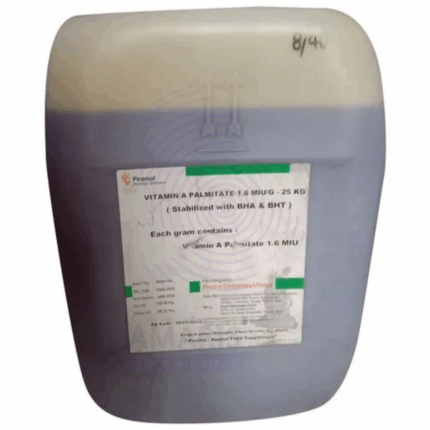
Powdered Vitamin A Palmitate
Powdered Vitamin A Palmitate is a stable, fat-soluble ester of vitamin A widely used as a dietary supplement and food fortification ingredient. It is an essential nutrient important for vision, immune function, skin health, and cellular growth. The powdered form offers ease of handling and incorporation into various food, pharmaceutical, and cosmetic products due to its stability and bioavailability.
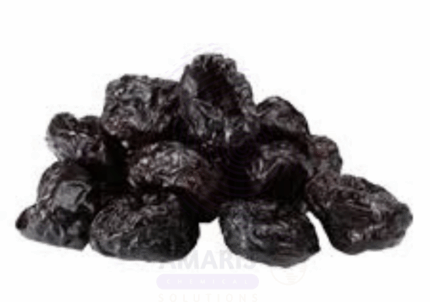
Prunes
Prunes are dried plums that serve as a natural source of dietary fiber, vitamins, and antioxidants. They are widely used in food products and snacks to provide natural sweetness, improve digestive health, and enhance nutritional value. Supplied in bulk 5 kg packaging, prunes are ideal for commercial and industrial food applications.












