

 Preservatives(food)
 Flavors
 Acidulants
 Sweeteners
 Antioxidants
 Colorants(food)
 Nutraceutical Ingredients (food)
 Nutrient Supplements
 Emulsifiers
 Collectors
 Dust Suppressants
 Explosives and Blasting Agents
 Flocculants and Coagulants
 Frothers
 Leaching Agents
 pH Modifiers
 Precious Metal Extraction Agents
 Antioxidants(plastic)
 Colorants (Pigments, Dyes)
 Fillers and Reinforcements
 Flame Retardants
 Monomers
 Plasticizers
 Polymerization Initiators
 Stabilizers (UV, Heat)
 Antifoaming Agents
 Chelating Agents
 Coagulants and Flocculants
 Corrosion Inhibitors
 Disinfectants and Biocides
 Oxidizing Agents
 pH Adjusters
 Scale Inhibitors( water)
 Antioxidants(cosmetic)
 Emollients
 Oils
Oils Carrier Oills
 Essential Oils
 Humectants
 Preservatives
 Surfactants(cosmetic)
 Thickeners
 UV Filters
 Fragrance (Cosmetics)
 Fertilizers
 Soil Conditioners
 Plant Growth Regulators
 Animal Feed Additives
 Biostimulants
 Pesticides (Herbicides, Insecticides, Fungicides)
 Active Pharmaceutical Ingredients (APIs)
 Excipients
 Solvents(pharmaceutical)
 Antibiotics
 Antiseptics and Disinfectants
 Vaccine Adjuvants
 Nutraceutical Ingredients (pharmaceutical)
 Analgesics & Antipyretics
 Analytical Reagents
 Solvents(lab)
 Chromatography Chemicals
 Spectroscopy Reagents
 microbiology-and-cell-culture-reagents
 Molecular Biology Reagents
 Biochemical Reagents
 Inorganic and Organic Standards
 Laboratory Safety Chemicals
 Specialty Laboratory Chemicals(Special Laboratory Equipment)
 Demulsifiers
 Hydraulic Fracturing Fluids
 Scale Inhibitors(oil)
 Surfactants(oil)
 Drilling Fluids
 Dyes and Pigments
 Bleaching Agents
 Softening Agents
 Finishing Agents
 Antistatic Agents
 Admixtures
 Waterproofing Agents
 Sealants and Adhesives
 Curing Compounds
 Concrete Repair Chemicals
 Anti-Corrosion Coatings
 Surfactants(cleaning)
 Builders
 Enzymes
 Solvents (Cleaning)
 Electronic Chemicals
 Catalysts
 Lubricants
 Photographic Chemicals
 Refrigerants
 Automotive chemicals
 Pyrotechnic Chemicals
 Biodegradable Surfactants
 Bio-based Solvents
 Renewable Polymers
 Carbon Capture Chemicals
 Wastewater Treatment Chemicals
 Pigments
 Solvents(paint)
 Specialty Coatings
 Binders/Resins
 Additives
 Driers
 Anti-Corrosion Agents
 Functional Coatings
 Application-Specific Coatings
 Leavening Agents
 Dough Conditioners
 Flour Treatments
 Fat Replacers
 Decoratives
 Preservatives(baking)
 Plasticizers & Softeners
 Reinforcing Agents
 Adhesion Promoters
 Vulcanizing Agents
 Antidegradants
 Blowing Agents
 Fillers & Extenders
 Accelerators & Retarders
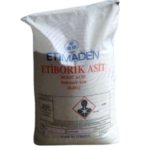


Bromelain
Bromelain is a natural mixture of proteolytic enzymes derived primarily from the stem and fruit of the pineapple plant (Ananas comosus). It appears as a pale yellow to off-white powder with a characteristic mild odor and is water-soluble. Bromelain exhibits protease activity, breaking down proteins into peptides and amino acids, making it valuable in medical, food, and industrial applications. It is widely used as an anti-inflammatory agent, digestive aid, meat tenderizer, and in cosmetic formulations due to its enzymatic and therapeutic properties.
Bromelain
Primary Uses
- Pharmaceuticals & Therapeutics
- Used as an anti-inflammatory and analgesic agent to reduce swelling and pain associated with injuries, surgeries, and osteoarthritis.
- Incorporated in digestive enzyme supplements to aid protein digestion and support gastrointestinal health.
- Utilized to improve wound healing and reduce tissue inflammation.
- Food Industry
- Used as a meat tenderizer due to its ability to hydrolyze tough protein fibers.
- Added to brewing and baking processes to improve clarity and texture by breaking down proteins.
- Cosmetics & Personal Care
- Included in exfoliating and skin care products for its ability to gently remove dead skin cells and improve skin texture.
- Used in formulations aimed at reducing inflammation and promoting skin healing.
- Industrial Applications
- Employed in the production of protein hydrolysates and flavor enhancers.
- Used in textile and leather industries for dehairing and softening.
Secondary Uses
- Oral Care
- Incorporated in some dental products for plaque reduction and gum inflammation control.
- Veterinary Medicine
- Used as a digestive aid and anti-inflammatory agent in animals.
- Research & Biotechnology
- Utilized as a biochemical tool for protein digestion and cell dissociation in laboratory settings.
1. Basic Identification Attributes
- Chemical Name (IUPAC): Protease enzyme from Ananas comosus
- Common/Trade Name: Bromelain
- CAS Number: 9001-00-7 (commercial enzyme preparation)
- HS Code: 3507.90.00
- Molecular Formula: Mixture of proteolytic enzymes (variable)
- Synonyms:
- Pineapple protease
- Ananas protease
- Stem bromelain
2. Physical & Chemical Properties
- Physical State: Powder or granules
- Color & Odor: Pale yellow to off-white; mild characteristic odor
- Melting Point: Not applicable (enzyme denatures at ~50-60°C)
- Boiling Point: Not applicable
- Density: Varies, typically low bulk density (~0.3-0.6 g/cm³)
- Solubility: Soluble in water; insoluble in organic solvents
- pH Range: Active in pH 4.0–9.0; optimum activity around pH 6.0–7.0
- Temperature Stability: Active up to ~50°C; denatures at higher temperatures
- Stability: Sensitive to heat, extreme pH, and protease inhibitors
3. Safety & Hazard Attributes
- Hazard Class (GHS): Not classified as hazardous but may cause allergic reactions in sensitive individuals
- NFPA Ratings:
- Health: 1 (mild irritant)
- Flammability: 0
- Reactivity: 0
- Exposure Limits: No specific OSHA/ACGIH limits; avoid inhalation of dust
- Toxicity: Low toxicity; potential allergen
- Reactivity: Enzymatic activity can be inhibited by specific chemicals and temperature extremes
4. Storage & Handling Attributes
- Storage Conditions: Store in a cool, dry place, preferably refrigerated (2–8°C) to maintain enzyme activity
- Container Type: Airtight, moisture-proof containers (e.g., vacuum-sealed bags or HDPE jars)
- Shelf Life: Typically 1–2 years under proper storage conditions
- Special Handling: Avoid moisture and heat exposure; use PPE to avoid respiratory sensitization
5. Regulatory & Compliance Attributes
- FDA Status: Generally recognized as safe (GRAS) for use in food and supplements
- Pharmacopoeia Compliance: Included in some pharmacopeias for enzyme preparations
- Transportation: Not classified as hazardous
- Waste Disposal: Non-hazardous; dispose of according to local regulations
6. Environmental & Health Impact
- Ecotoxicity: Low; biodegradable enzyme protein
- Persistence: Biodegrades naturally in the environment
- Bioaccumulation: Not expected to bioaccumulate
- Carcinogenicity/Mutagenicity: Not classified as carcinogenic or mutagenic
- Biodegradability: Readily biodegradable
Safety Handling Precautions
Personal Protective Equipment (PPE):
- Gloves
- Protective goggles
- Dust mask or respirator (to prevent inhalation of powder)
- Lab coat or protective clothing
Handling Measures:
- Avoid inhalation of dust
- Handle in well-ventilated areas
- Prevent moisture contact to preserve enzyme activity
Storage Measures:
- Keep container tightly closed
- Protect from heat and humidity
Hygiene Practices:
- Wash hands thoroughly after handling
- Do not eat, drink, or smoke during handling
First Aid Measures
- Inhalation: Move to fresh air; seek medical advice if respiratory irritation or allergic symptoms develop
- Skin Contact: Wash affected area with soap and water; seek medical attention if irritation occurs
- Eye Contact: Rinse eyes thoroughly with water for at least 15 minutes; seek medical attention if irritation persists
- Ingestion: Rinse mouth with water; seek medical attention if large quantities ingested or symptoms occur
Firefighting Measures
- Fire Hazards: Non-flammable
- Extinguishing Media: Use water spray, foam, dry chemical, or CO₂ as appropriate for surrounding fire
- Special Precautions: Firefighters should wear protective gear; bromelain itself does not pose fire hazard
- Decomposition Products: May emit nitrogen oxides or other organic compounds if exposed to extreme heat
Related products
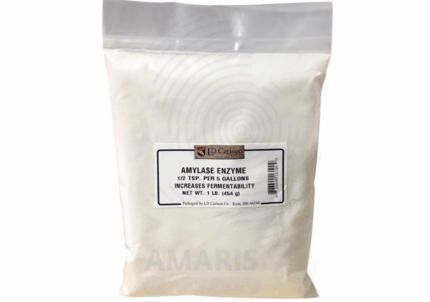
Amylase Baking Enzyme
Amylase Baking Enzyme is a class of enzymes that catalyzes the hydrolysis of starch into sugars such as maltose and glucose. In the baking industry, amylases are widely used to improve dough handling, enhance fermentation, increase loaf volume, improve crumb softness, and extend shelf life. The enzyme is typically derived from microbial (fungal or bacterial) sources like Aspergillus oryzae or Bacillus subtilis. Commercial baking amylase products may include α-amylase, β-amylase, and glucoamylase, depending on application needs.
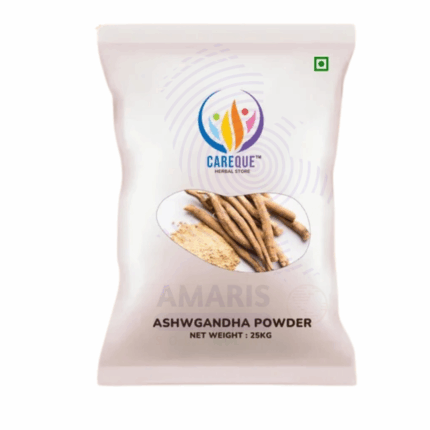
Ashawaganha Powder
Ashawaganha Powder is derived from the dried roots of Withania somnifera, a renowned herb in Ayurvedic and traditional medicine systems. Known as Indian ginseng or winter cherry, Ashwagandha is valued for its adaptogenic properties, helping the body combat stress, enhance vitality, and support overall wellness. The powder is finely ground root material, rich in bioactive compounds such as withanolides, alkaloids, and steroidal lactones. It is widely used as a dietary supplement, in herbal formulations, cosmetics, and traditional medicine.
Beta Carotene
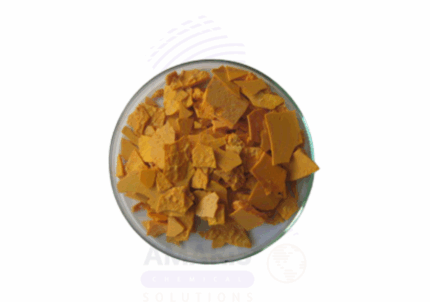
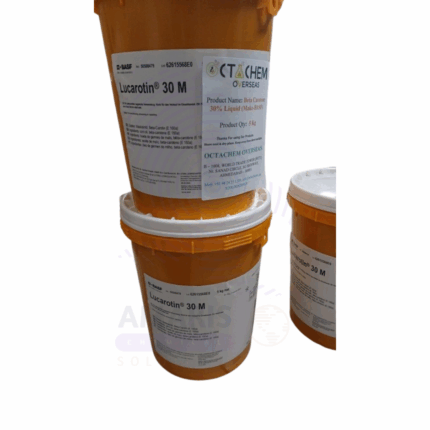
Beta Carotene is a concentrated formulation of beta carotene, a naturally occurring red-orange pigment found in plants and fruits. It is a precursor to vitamin A and a potent antioxidant that helps protect cells from oxidative damage. This product, typically suspended in an oil base or suitable carrier, is widely used as a natural colorant, nutritional supplement, and cosmetic ingredient. Beta Carotene 30% SUN offers enhanced stability under sunlight exposure, making it ideal for food, feed, and cosmetic applications where light stability is critical.
Mimosa Powder
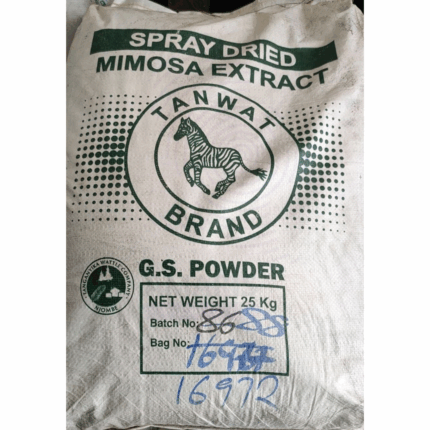
Mimosa Powder is a fine, light to dark brown powder derived from the bark of the Mimosa tenuiflora tree (also known as Mimosa hostilis or Jurema). Rich in tannins and natural polyphenolic compounds, this plant-based powder is widely recognized for its natural astringent, antioxidant, and antimicrobial properties. It is commonly used in cosmetics, traditional medicine, leather tanning, dyeing, and industrial applications. The powder is biodegradable and sustainable, making it a popular choice for natural product formulations.
Nicotinamide BP
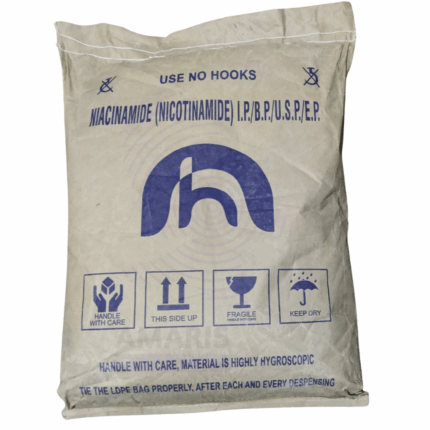
Nicotinamide BP, also known as niacinamide, is a water-soluble form of vitamin B3 (niacin). It is a vital nutrient involved in numerous cellular processes, including energy metabolism, DNA repair, and antioxidant activity. Widely used in pharmaceutical, cosmetic, and nutritional applications, Nicotinamide supports skin health, improves barrier function, and exhibits anti-inflammatory properties. It is commonly found in dietary supplements, skincare formulations, and medical treatments for various dermatological conditions.
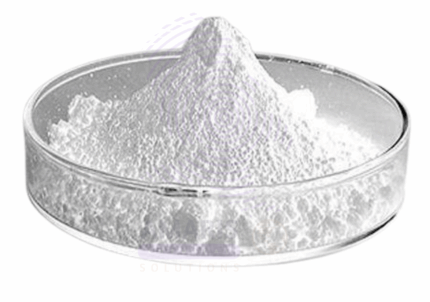
Prednisolone Base
Prednisolone Base is a synthetic glucocorticoid steroid widely used for its potent anti-inflammatory and immunosuppressive properties. It is the active form of prednisolone, commonly administered in various pharmaceutical formulations including tablets, injectables, and topical creams. This compound helps manage conditions involving inflammation, allergic reactions, and immune system disorders by modulating the body’s response to these processes.
Protease Baking Enzymes
Protease Baking Enzymes are specialized enzymes that catalyze the breakdown of proteins into peptides and amino acids. In baking, these enzymes improve dough handling, texture, and volume by modifying gluten structure and enhancing gas retention. They help produce softer crumb, better crust, and increased shelf life of baked goods. Protease enzymes are essential for consistent quality and efficiency in commercial baking operations.












