

 Preservatives(food)
 Flavor Enhancers
 Acidulants
 Sweeteners
 Antioxidants
 Colorants(food)
 Nutraceutical Ingredients (food)
 Nutrient Supplements
 Emulsifiers
 Collectors
 Dust Suppressants
 Explosives and Blasting Agents
 Flocculants and Coagulants
 Frothers
 Leaching Agents
 pH Modifiers
 Precious Metal Extraction Agents
 Antioxidants(plastic)
 Colorants (Pigments, Dyes)
 Fillers and Reinforcements
 Flame Retardants
 Monomers
 Plasticizers
 Polymerization Initiators
 Stabilizers (UV, Heat)
 Antifoaming Agents
 Chelating Agents
 Coagulants and Flocculants
 Corrosion Inhibitors
 Disinfectants and Biocides
 Oxidizing Agents
 pH Adjusters
 Scale Inhibitors( water)
 Antioxidants(cosmetic)
 Emollients
 Fragrances and Essential Oils
 Humectants
 Preservatives
 Surfactants(cosmetic)
 Thickeners
 UV Filters
 Fertilizers
 Soil Conditioners
 Plant Growth Regulators
 Animal Feed Additives
 Biostimulants
 Pesticides (Herbicides, Insecticides, Fungicides)
 Active Pharmaceutical Ingredients (APIs)
 Excipients
 Solvents(pharmaceutical)
 Antibiotics
 Antiseptics and Disinfectants
 Vaccine Adjuvants
 Nutraceutical Ingredients (pharmaceutical)
 Analgesics & Antipyretics
 Analytical Reagents
 Solvents(lab)
 Chromatography Chemicals
 Spectroscopy Reagents
 microbiology-and-cell-culture-reagents
 Molecular Biology Reagents
 Biochemical Reagents
 Inorganic and Organic Standards
 Laboratory Safety Chemicals
 Specialty Laboratory Chemicals(Special Laboratory Equipment)
 Demulsifiers
 Hydraulic Fracturing Fluids
 Scale Inhibitors(oil)
 Surfactants(oil)
 Drilling Fluids
 Dyes and Pigments
 Bleaching Agents
 Softening Agents
 Finishing Agents
 Antistatic Agents
 Admixtures
 Waterproofing Agents
 Sealants and Adhesives
 Curing Compounds
 Concrete Repair Chemicals
 Anti-Corrosion Coatings
 Surfactants(cleaning)
 Builders
 Enzymes
 Solvents (Cleaning)
 Fragrances
 Electronic Chemicals
 Catalysts
 Lubricants
 Photographic Chemicals
 Refrigerants
 Automotive chemicals
 Pyrotechnic Chemicals
 Biodegradable Surfactants
 Bio-based Solvents
 Renewable Polymers
 Carbon Capture Chemicals
 Wastewater Treatment Chemicals
 Pigments
 Solvents(paint)
 Specialty Coatings
 Binders/Resins
 Additives
 Driers
 Anti-Corrosion Agents
 Functional Coatings
 Application-Specific Coatings
 Leavening Agents
 Dough Conditioners
 Flour Treatments
 Fat Replacers
 Decoratives
 Preservatives(baking)
 Plasticizers & Softeners
 Reinforcing Agents
 Adhesion Promoters
 Vulcanizing Agents
 Antidegradants
 Blowing Agents
 Fillers & Extenders
 Accelerators & Retarders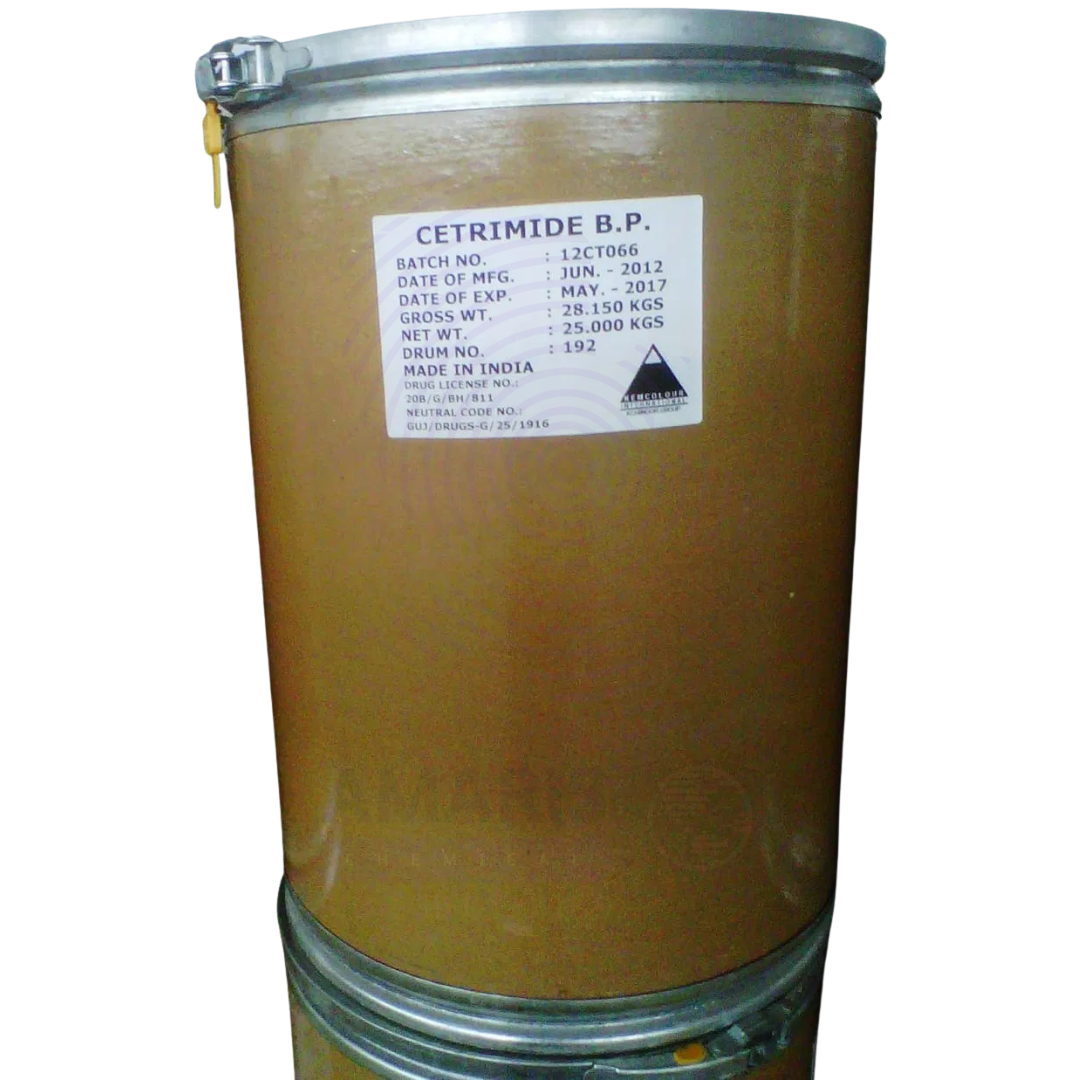
Cetrimide Powder
Cetrimide Powder is a high-purity quaternary ammonium compound widely used for its antiseptic, disinfectant, and surfactant properties. It is a cationic surfactant derived from cetyltrimethylammonium bromide and appears as a white to off-white crystalline powder with a slight characteristic odor. Known for its excellent antimicrobial efficacy against bacteria and fungi, cetrimide is frequently incorporated in pharmaceutical, personal care, and industrial formulations. It acts as a bactericidal agent, detergent, and emulsifier, providing effective cleaning and disinfecting action.
Cetrimide Powder
Primary Uses
- Pharmaceuticals & Medical
- Used as an antiseptic and disinfectant in wound cleaning solutions, surgical scrubs, and topical antiseptic creams and ointments.
- Incorporated in medicated shampoos and washes for treatment of dandruff and seborrheic dermatitis due to antimicrobial action.
- Acts as a surfactant and emulsifier in pharmaceutical formulations to enhance consistency and stability.
- Personal Care & Cosmetics
- Utilized in antiseptic creams, lotions, and skin cleansers.
- Functions as a foaming agent and cleansing surfactant in shampoos and body washes.
- Used in oral care products like mouthwashes for its antimicrobial properties.
- Industrial & Household
- Employed in disinfectant solutions and surface cleaners for hospitals and households.
- Used in water treatment processes as a biocide to control microbial growth.
Secondary Uses
- Laboratory & Research
- Used as a surfactant in biochemical and microbiological applications.
- Employed in DNA extraction protocols and as a detergent in molecular biology.
- Textile & Leather Processing
- Applied as a wetting and antiseptic agent in textile dyeing and leather treatment processes.
1. Basic Identification Attributes
- Chemical Name (IUPAC): N,N,N-trimethyl-1-hexadecylammonium bromide (major component)
- Common/Trade Name: Cetrimide Powder 98%
- CAS Number: 61789-75-3
- HS Code: 2923.29.00
- Molecular Formula: C19H42BrN
- Synonyms:
- Cetyltrimethylammonium bromide
- Hexadecyltrimethylammonium bromide
- Antiseptic quaternary ammonium compound
2. Physical & Chemical Properties
- Physical State: White to off-white crystalline powder
- Color & Odor: White; slight characteristic ammonium odor
- Melting Point: 55–60°C (decomposes)
- Boiling Point: Decomposes before boiling
- Density: ~1.01 g/cm³
- Solubility:
- Soluble in water (forms clear solutions)
- Soluble in alcohols and acetone
- Insoluble in hydrocarbons
- pH (1% aqueous solution): ~5.5–7.0
- Stability: Stable under recommended storage conditions; hygroscopic
3. Safety & Hazard Attributes
- Hazard Class (GHS): Harmful if swallowed; causes skin and eye irritation
- NFPA Ratings:
- Health: 2
- Flammability: 0
- Reactivity: 0
- Exposure Limits: No specific exposure limit established; avoid inhalation and skin contact
- Toxicity: Moderately toxic; potential irritant to mucous membranes and skin
- Reactivity: Stable; avoid mixing with anionic surfactants or oxidizers
4. Storage & Handling Attributes
- Storage Conditions: Store in a cool, dry, well-ventilated place away from incompatible materials
- Container Type: Sealed polyethylene or glass containers recommended
- Shelf Life: 2-3 years if stored properly
- Special Handling: Use personal protective equipment (PPE); avoid dust formation and inhalation
5. Regulatory & Compliance Attributes
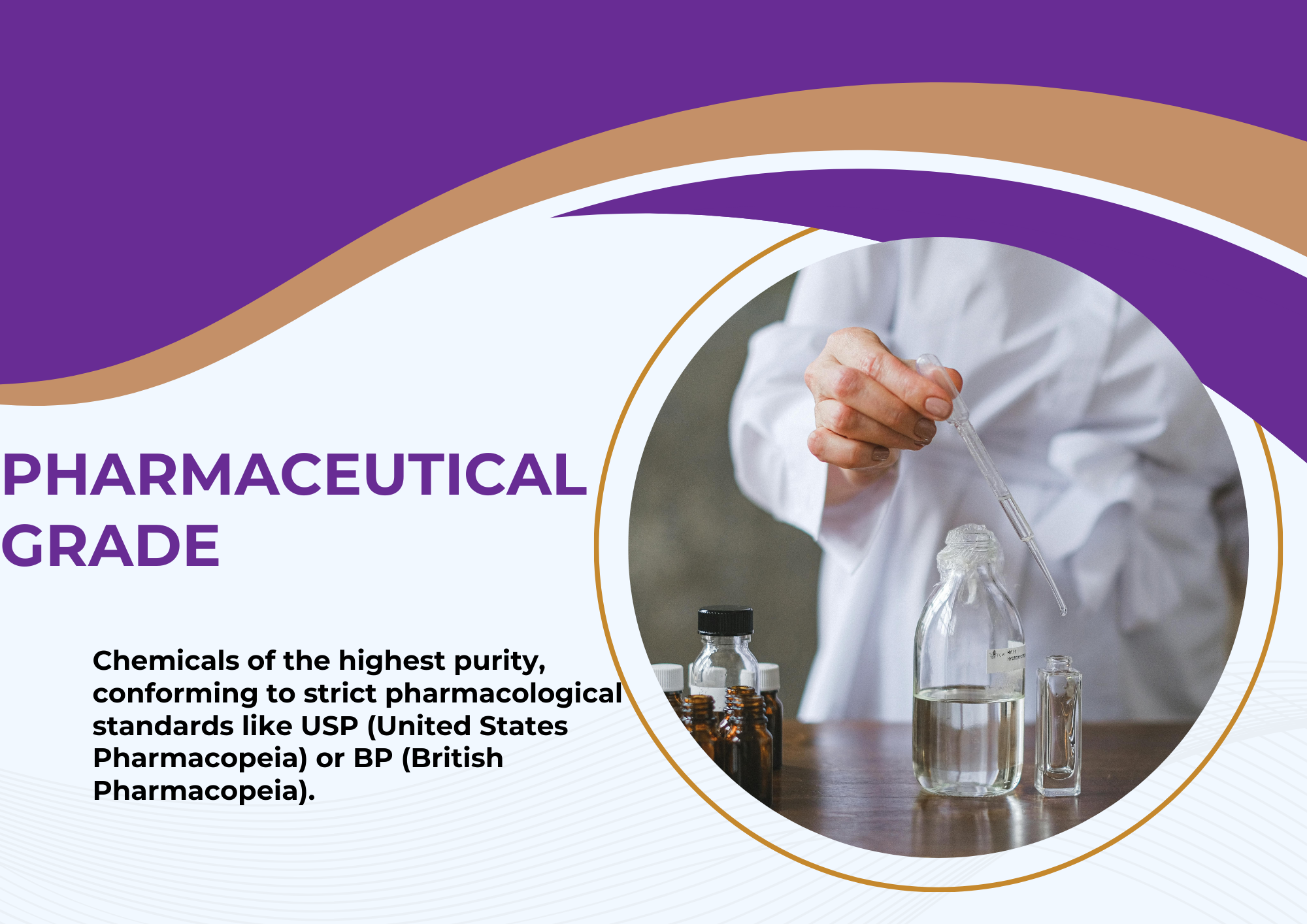
- Pharmacopoeial Status: Listed in BP and USP as antiseptic grade
- Cosmetic Regulatory Status: Approved for use as preservative and antiseptic ingredient globally
- REACH Status: Registered
- Transportation: Not classified as hazardous for transport if packaged properly
- Waste Disposal: Dispose according to local environmental regulations
6. Environmental & Health Impact
- Ecotoxicity: Toxic to aquatic organisms; avoid release into waterways
- Persistence: Moderately persistent in the environment
- Bioaccumulation: Potential for bioaccumulation; handle waste responsibly
- Carcinogenicity/Mutagenicity: No evidence of carcinogenic or mutagenic effects at recommended use levels
- Biodegradability: Partial biodegradability; depends on environmental conditions
Safety Handling Precautions
- PPE: Gloves, protective goggles, dust mask or respirator if handling powder in bulk
- Handling: Avoid dust generation; use in well-ventilated areas
- Storage: Keep container tightly closed; store away from acids and anionic surfactants
- Hygiene: Wash hands and exposed skin thoroughly after handling
First Aid Measures
- Inhalation: Move to fresh air; if breathing is difficult, seek medical attention
- Skin Contact: Wash affected area with plenty of soap and water; seek medical advice if irritation persists
- Eye Contact: Rinse immediately with plenty of water for at least 15 minutes; seek medical attention
- Ingestion: Do not induce vomiting; rinse mouth and seek immediate medical attention
Firefighting Measures
- Fire Hazards: Not highly flammable; may burn under fire conditions
- Extinguishing Media: Use water spray, foam, dry chemical, or CO₂
- Special Precautions: Firefighters should wear full protective clothing and self-contained breathing apparatus
- Decomposition Products: May emit toxic fumes including nitrogen oxides, carbon monoxide, and hydrogen bromide on combustion
Related products
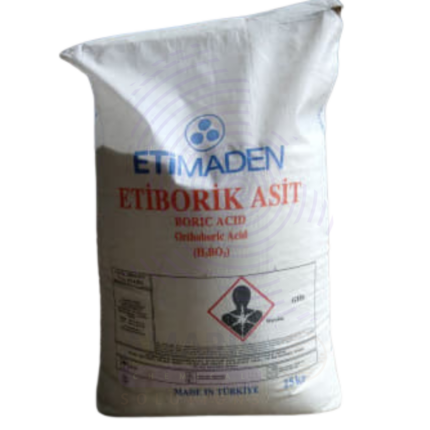
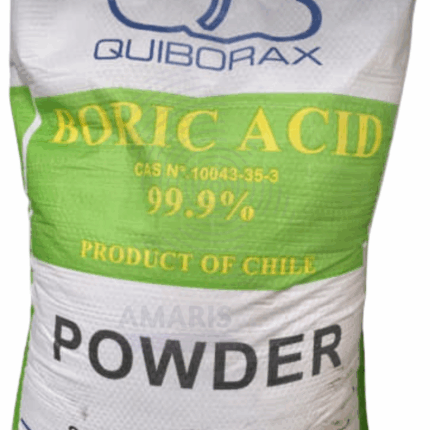
Boric Acid
Boric Acid, chemically known as hydrogen borate or boracic acid, is a weak, monobasic Lewis acid of boron. It appears as a white, crystalline powder or granules that are odorless and slightly soluble in water. Boric Acid is commonly used in antiseptics, insecticides, flame retardants, and as a buffering agent in various industrial and pharmaceutical applications. Due to its mild antiseptic and antifungal properties, it is often used in ophthalmic, dermatologic, and other personal care formulations. It also plays a key role in glass and ceramics manufacturing as well as in agriculture.
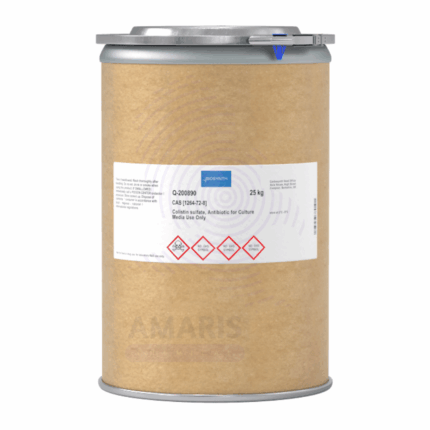
Colistin Sulphate BP
Colistin Sulphate BP is an antibiotic belonging to the polymyxin class, derived from the bacterium Paenibacillus polymyxa. It is a white to pale yellow powder, soluble in water, and used primarily for its potent bactericidal activity against Gram-negative bacteria, including multidrug-resistant strains. Colistin Sulphate BP is used in both human and veterinary medicine, often as a last-resort treatment for serious infections caused by multidrug-resistant Pseudomonas, Acinetobacter, and Klebsiella species. Due to its efficacy and narrow therapeutic index, its use is carefully monitored. The “BP” denotes compliance with the British Pharmacopoeia standards.
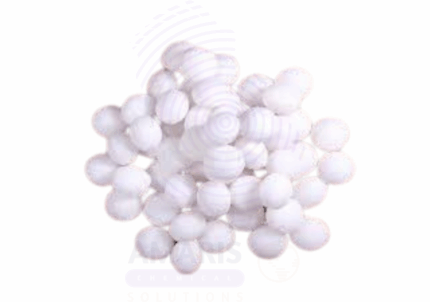
Naphthalene Balls
Napthalene Balls are solid, crystalline balls made primarily of naphthalene, a white, volatile, aromatic hydrocarbon derived from coal tar or petroleum refining. Known for their strong, distinctive odor, naphthalene balls are widely used as moth repellents and deodorizing agents. Due to their sublimation property, they slowly vaporize at room temperature, releasing fumes that are toxic to moths and insects. They find broad applications in household pest control, industrial storage protection, and chemical manufacturing.
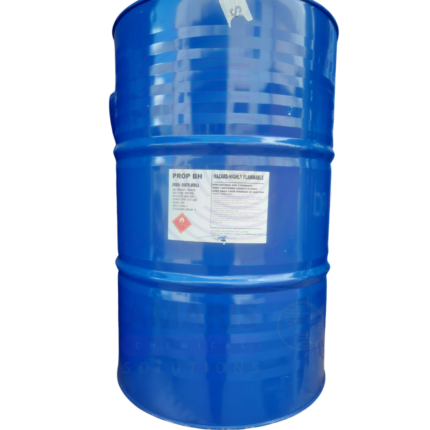
Propylparaben (Prop BH)
Prop BH, also known as Propylparaben or Propyl 4-Hydroxybenzoate, is an organic compound belonging to the paraben family of preservatives. It appears as colorless small crystals or a white crystalline powder with a characteristic mild odor and a slightly bitter taste. The compound is practically insoluble in cold water but readily soluble in alcohols, ethers, and other organic solvents. Propylparaben is widely recognized for its broad-spectrum antimicrobial activity, particularly effective against molds, yeasts, and bacteria. Propylparaben is manufactured for use as a preservative in various industrial applications and is not intended for direct human consumption without appropriate certification.
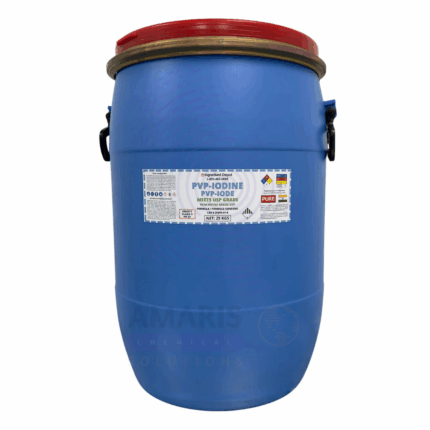
PVP Iodine
PVP Iodine is a water-soluble complex of polyvinylpyrrolidone (PVP) and iodine, widely used as a broad-spectrum antiseptic. It delivers controlled iodine release, providing effective antimicrobial action against bacteria, viruses, fungi, and protozoa. This preparation is favored for its ease of application, reduced irritation compared to tinctures, and stability in aqueous solutions. PVP Iodine 10% is commonly used in medical, veterinary, and personal care settings for disinfection and wound treatment.
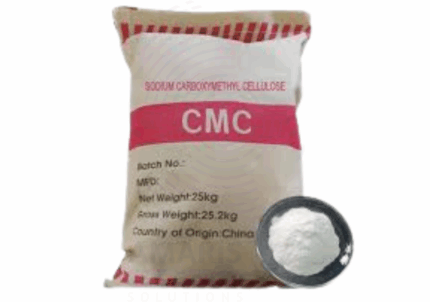
Sodium Carboxymethyl Cellulose
Sodium Carboxymethyl Cellulose , is a water-soluble anionic cellulose ether derived from natural cellulose. It appears as a white to off-white, odorless, tasteless powder or granule. Known for its excellent thickening, stabilizing, emulsifying, and water-retention properties, CMC is widely used in food, pharmaceutical, personal care, industrial, and detergent applications. It functions by modifying the rheological properties of solutions and suspensions, offering control over viscosity and flow. Its biocompatibility, non-toxicity, and biodegradability make it suitable for both human use and environmentally friendly formulations.
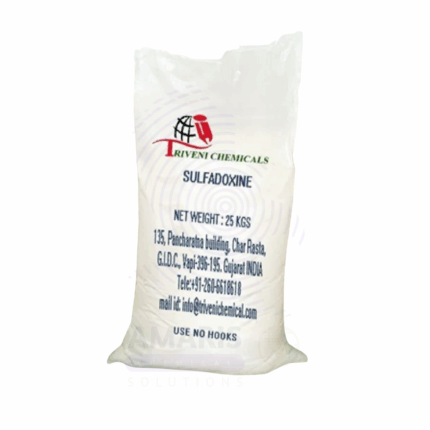
Sulphadoxine
Sulphadoxine BP is a long-acting synthetic sulfonamide antibiotic used primarily in combination therapies for treating malaria and certain bacterial infections. Its prolonged half-life makes it suitable for single-dose treatments and prophylaxis. The British Pharmacopoeia (BP) 98% grade ensures pharmaceutical-grade purity, making it suitable for incorporation into human and veterinary medicinal formulations.
Sulphamethoxazole BP
Sulphamethoxazole BP is a synthetic sulfonamide antibiotic widely used in human and veterinary medicine for treating bacterial infections. It acts by inhibiting bacterial synthesis of dihydrofolic acid, thereby preventing bacterial growth. It is commonly combined with trimethoprim for synergistic effects against a broad spectrum of bacteria. The British Pharmacopoeia (BP) grade guarantees pharmaceutical purity and quality, making it suitable for formulation into tablets, suspensions, and other dosage forms.












