

 Preservatives(food)
 Flavor Enhancers
 Acidulants
 Sweeteners
 Antioxidants
 Colorants(food)
 Nutraceutical Ingredients (food)
 Nutrient Supplements
 Emulsifiers
 Collectors
 Dust Suppressants
 Explosives and Blasting Agents
 Flocculants and Coagulants
 Frothers
 Leaching Agents
 pH Modifiers
 Precious Metal Extraction Agents
 Antioxidants(plastic)
 Colorants (Pigments, Dyes)
 Fillers and Reinforcements
 Flame Retardants
 Monomers
 Plasticizers
 Polymerization Initiators
 Stabilizers (UV, Heat)
 Antifoaming Agents
 Chelating Agents
 Coagulants and Flocculants
 Corrosion Inhibitors
 Disinfectants and Biocides
 Oxidizing Agents
 pH Adjusters
 Scale Inhibitors( water)
 Antioxidants(cosmetic)
 Emollients
 Fragrances and Essential Oils
 Humectants
 Preservatives
 Surfactants(cosmetic)
 Thickeners
 UV Filters
 Fertilizers
 Soil Conditioners
 Plant Growth Regulators
 Animal Feed Additives
 Biostimulants
 Pesticides (Herbicides, Insecticides, Fungicides)
 Active Pharmaceutical Ingredients (APIs)
 Excipients
 Solvents(pharmaceutical)
 Antibiotics
 Antiseptics and Disinfectants
 Vaccine Adjuvants
 Nutraceutical Ingredients (pharmaceutical)
 Analgesics & Antipyretics
 Analytical Reagents
 Solvents(lab)
 Chromatography Chemicals
 Spectroscopy Reagents
 microbiology-and-cell-culture-reagents
 Molecular Biology Reagents
 Biochemical Reagents
 Inorganic and Organic Standards
 Laboratory Safety Chemicals
 Specialty Laboratory Chemicals(Special Laboratory Equipment)
 Demulsifiers
 Hydraulic Fracturing Fluids
 Scale Inhibitors(oil)
 Surfactants(oil)
 Drilling Fluids
 Dyes and Pigments
 Bleaching Agents
 Softening Agents
 Finishing Agents
 Antistatic Agents
 Admixtures
 Waterproofing Agents
 Sealants and Adhesives
 Curing Compounds
 Concrete Repair Chemicals
 Anti-Corrosion Coatings
 Surfactants(cleaning)
 Builders
 Enzymes
 Solvents (Cleaning)
 Fragrances
 Electronic Chemicals
 Catalysts
 Lubricants
 Photographic Chemicals
 Refrigerants
 Automotive chemicals
 Pyrotechnic Chemicals
 Biodegradable Surfactants
 Bio-based Solvents
 Renewable Polymers
 Carbon Capture Chemicals
 Wastewater Treatment Chemicals
 Pigments
 Solvents(paint)
 Specialty Coatings
 Binders/Resins
 Additives
 Driers
 Anti-Corrosion Agents
 Functional Coatings
 Application-Specific Coatings
 Leavening Agents
 Dough Conditioners
 Flour Treatments
 Fat Replacers
 Decoratives
 Preservatives(baking)
 Plasticizers & Softeners
 Reinforcing Agents
 Adhesion Promoters
 Vulcanizing Agents
 Antidegradants
 Blowing Agents
 Fillers & Extenders
 Accelerators & Retarders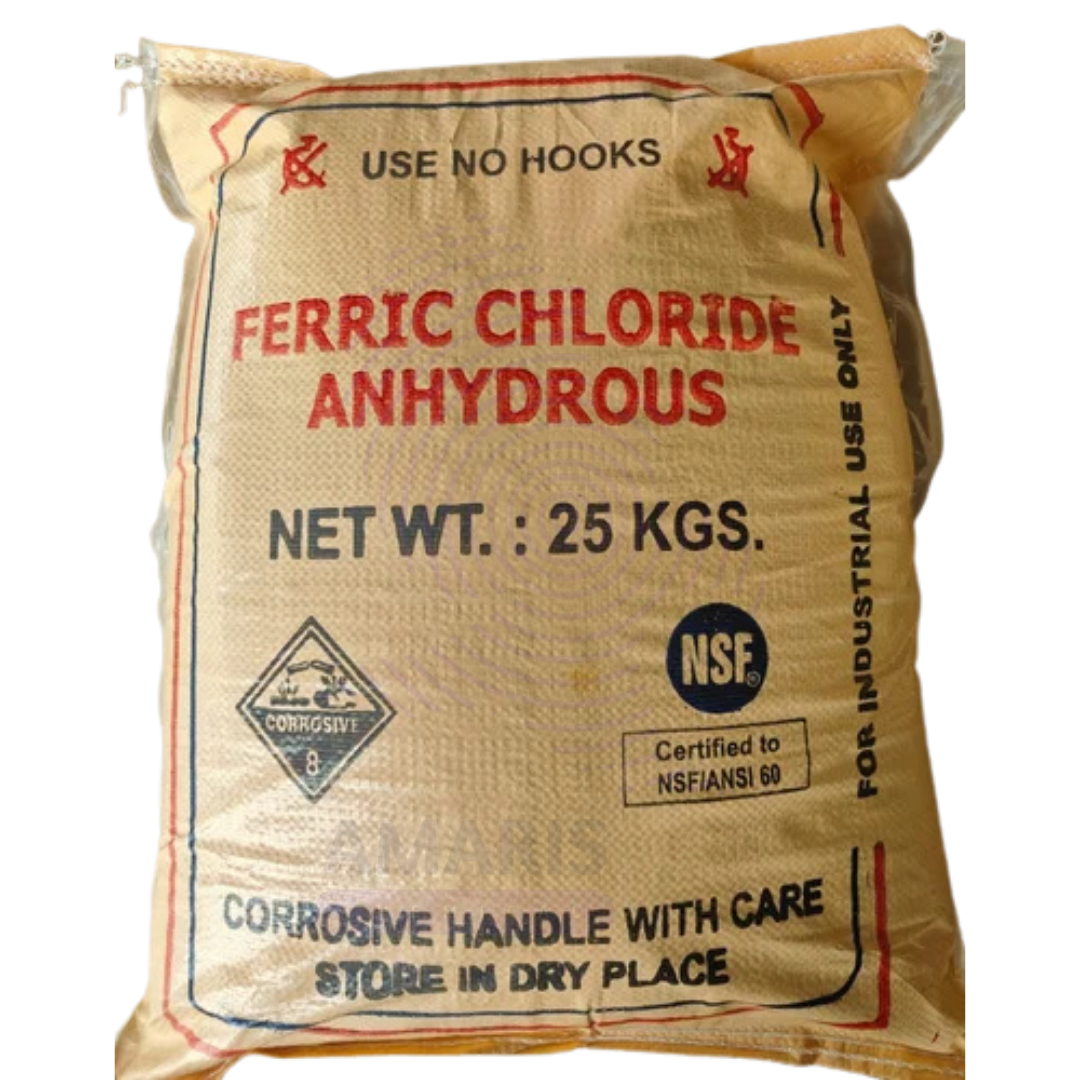
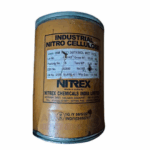


Ferric Chloride Anhydrous
Original price was: $ 1.15.$ 1.02Current price is: $ 1.02.
Ferric Chloride Anhydrous (FeCl₃) is a dark brown to black crystalline solid with a metallic luster. It is a highly corrosive, hygroscopic inorganic salt widely used as a chemical reagent, catalyst, and coagulant. In its anhydrous form, ferric chloride is free of water and has a high purity of approximately 98%. It readily dissolves in water, releasing heat and producing acidic solutions. Ferric chloride is valued for its strong Lewis acid properties, making it effective in a variety of industrial, laboratory, and environmental applications. It is commonly supplied as a solid crystalline powder or lumps and should be handled with care due to its corrosive nature.
Ferric Chloride Anhydrous
Primary Uses
- Water and Wastewater Treatment
- Used extensively as a coagulant and flocculant to remove suspended solids, organic matter, and phosphates from water and sewage.
- Helps in controlling odors and improving water clarity.
- Effective in industrial effluent treatment plants for heavy metal and contaminant removal.
- Chemical Synthesis and Industrial Processes
- Acts as a catalyst or reagent in organic and inorganic synthesis, including Friedel-Crafts reactions, chlorination, and oxidation processes.
- Used in etching and surface treatment of metals, especially in printed circuit board (PCB) manufacturing for copper etching.
- Employed in the production of pigments, dyes, and other iron-containing chemicals.
- Electronics and Metal Processing
- Applied in metal cleaning and pickling to remove rust and oxide layers.
- Used in electroplating baths and as a mordant in textile dyeing.
- Laboratory and Analytical Applications
- Serves as a reagent for qualitative and quantitative chemical analysis, particularly for detecting phenols and other organic compounds.
- Used in the preparation of iron salts and complexes.
Secondary Uses
- Catalyst in Polymerization
- Utilized as a catalyst in polymer production and modification processes.
- Pharmaceutical Industry
- Employed in trace amounts in certain pharmaceutical formulations and synthesis processes.
- Environmental Applications
- Used in sludge dewatering and stabilization processes.
- Helps in odor control and reduction of biological oxygen demand (BOD) in waste streams.
- Used in sludge dewatering and stabilization processes.
1. Basic Identification Attributes
- Chemical Name (IUPAC): Iron(III) chloride
- Common/Trade Name: Ferric Chloride 98% Anhydrous
- CAS Number: 7705-08-0
- HS Code: 2827.39.00
- Molecular Formula: FeCl₃
- Synonyms: Iron trichloride, ferric trichloride, iron(III) chloride
2. Physical & Chemical Properties
- Physical State: Crystalline solid (granules, lumps, or powder)
- Color & Odor: Dark brown to black; no distinct odor but corrosive fumes released on contact with moisture
- Melting Point: Approximately 306°C (decomposes)
- Boiling Point: Sublimes at about 315°C
- Density: Approx. 2.9 g/cm³
- Solubility: Highly soluble in water with exothermic dissolution; reacts vigorously with water
- pH (aqueous solution): Strongly acidic (pH ~1–2)
- Stability: Stable when stored dry and away from moisture; hydrolyzes readily on contact with water producing hydrochloric acid vapors
3. Safety & Hazard Attributes
- Hazard Class (GHS): Corrosive (Skin corrosion/irritation - Category 1), Acute toxicity, Hazardous to aquatic environment
- Toxicity: Corrosive to skin, eyes, respiratory tract; harmful if swallowed or inhaled
- Exposure Limits: OSHA PEL = 1 mg/m³ (iron oxide fume as a guideline); local limits may vary
4. Storage & Handling Attributes
- Storage Conditions: Store in tightly sealed containers in a cool, dry, well-ventilated area away from moisture and incompatible materials
- Container Type: Corrosion-resistant containers, typically plastic-lined drums or polyethylene bags
- Shelf Life: 1–2 years if stored properly in moisture-free conditions
- Handling Precautions: Use protective equipment; avoid dust formation and moisture contact; handle in well-ventilated areas or under fume extraction
5. Regulatory & Compliance Attributes
- REACH Registration: Registered under EU chemical regulations
- Transportation: Classified as hazardous material; subject to regulations for corrosive substances
- Waste Disposal: Dispose of in accordance with local environmental regulations; neutralize before disposal if possible
6. Environmental & Health Impact
- Biodegradability: Inorganic salt, does not biodegrade but reacts with environmental components
- Ecotoxicity: Toxic to aquatic life; avoid release to waterways
- Bioaccumulation: Not expected to bioaccumulate
- Carcinogenicity/Mutagenicity: Not classified as carcinogenic or mutagenic
Safety Handling Precautions
- Personal Protective Equipment (PPE):
- Chemical-resistant gloves (e.g., neoprene or nitrile)
- Safety goggles or face shield
- Protective lab coat or chemical-resistant clothing
- Respiratory protection (dust mask or respirator) in dusty or fume-prone environments
- Handling Guidelines:
- Avoid inhalation of dust and fumes
- Use under a fume hood or in well-ventilated areas
- Prevent contact with skin and eyes
- Avoid moisture exposure to prevent hazardous hydrolysis
- Storage Measures:
- Keep container tightly closed and dry
- Store away from bases, water, and strong oxidizers
- Protect from humidity and moisture
- Hygiene Practices:
- Wash hands thoroughly after handling
- Avoid eating, drinking, or smoking in handling areas
- Clean equipment and surfaces regularly
First Aid Measures
- Inhalation:
- Move affected person to fresh air immediately
- Seek medical attention if respiratory irritation or distress occurs
- Skin Contact:
- Remove contaminated clothing immediately
- Wash affected skin thoroughly with soap and water
- Seek medical attention for burns or persistent irritation
- Eye Contact:
- Rinse eyes immediately with plenty of water for at least 15 minutes
- Seek urgent medical attention
- Ingestion:
- Do not induce vomiting
- Rinse mouth with water
- Seek immediate medical assistance
Firefighting Measures
- Fire Hazards:
- Non-flammable but decomposes at high temperatures releasing corrosive and toxic fumes including hydrochloric acid and chlorine gases
- Extinguishing Media:
- Use dry chemical, foam, or carbon dioxide (CO₂) extinguishers
- Avoid using water directly on dry material as it may release heat and corrosive vapors
- Special Precautions:
- Firefighters should wear full protective gear including self-contained breathing apparatus
- Prevent contaminated runoff from entering water bodies
- Decomposition Products:
- Hydrogen chloride gas, chlorine gas, iron oxides, and other toxic fumes
Related products
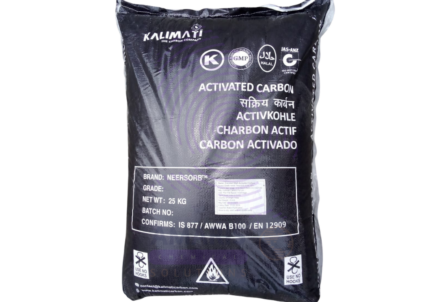
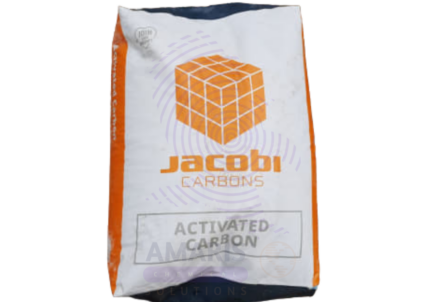
Activated Carbon (Charcoal)
Activated carbon is a highly porous, adsorptive material processed to have an exceptionally large surface area (typically 500-1500 m²/g) through thermal or chemical activation of carbon-rich source materials. This versatile adsorbent exists in powdered (PAC), granular (GAC), pelletized, and extruded forms, with pore structures specifically engineered for different applications ranging from water purification to gas treatment. Its extended surface area and complex pore network (micropores <2nm, mesopores 2-50nm, macropores >50nm) enable superior physical adsorption of contaminants through van der Waals forces, as well as chemical interactions with surface functional groups.
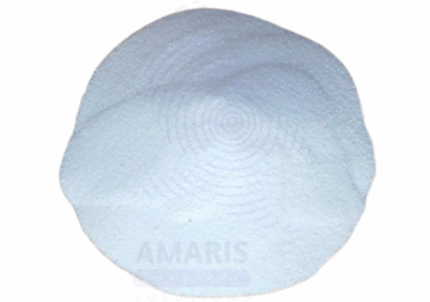
Ammonia Acetate
Ammonia Acetate is a white crystalline solid or granular powder with a mild ammoniacal odor. It is a salt formed from ammonia and acetic acid, widely used in laboratories, industrial processes, and some niche food and pharmaceutical applications. Ammonium Acetate is highly soluble in water and often utilized as a buffer solution in biochemical and analytical chemistry due to its ability to maintain pH. It also serves as a precursor in the synthesis of various chemicals and acts as a neutralizing agent in several industrial applications.
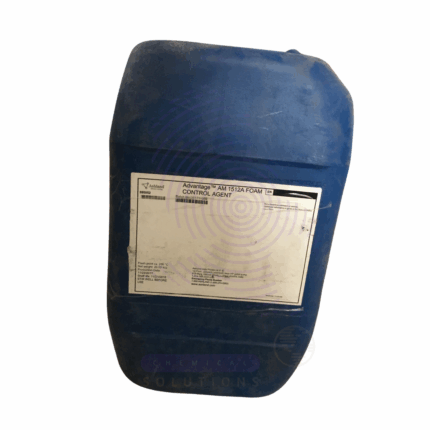
Anti Foam
Anti foams are chemical additives designed to reduce or prevent the formation of foam in industrial processes, manufacturing, and various formulations. Foam can interfere with operations such as mixing, filling, pumping, and heat transfer, leading to reduced efficiency or defects in products. Anti foams work by destabilizing foam bubbles, causing them to coalesce and collapse rapidly. They are widely used in industries including food and beverage, pharmaceuticals, wastewater treatment, paints and coatings, and chemical manufacturing. Different types of anti foams include silicone-based, mineral oil-based, and organic polymer-based formulations, chosen according to the specific application and process conditions.

Calcium Chloride
Calcium Chloride is an inorganic salt composed of calcium and chlorine with the chemical formula CaCl₂. It typically appears as a white crystalline solid or granular powder, highly soluble in water and exhibiting strong hygroscopic properties. Calcium Chloride is widely used for its moisture-absorbing ability, de-icing, dust control, and as a firming agent in food processing. It finds extensive applications across industrial, pharmaceutical, agricultural, and food sectors due to its efficacy in modifying physical and chemical properties of products and environments.
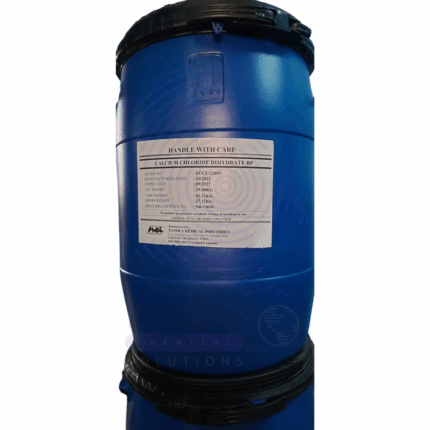
Calcium Chloride Dihydrate
Calcium Chloride Dihydrate (CaCl₂·2H₂O) is a hydrated form of calcium chloride, appearing as white crystalline granules or flakes containing two molecules of water of crystallization. It is highly soluble in water and exhibits strong hygroscopic and deliquescent properties. This compound is widely used in industrial, pharmaceutical, food, and agricultural sectors due to its moisture absorption, de-icing, dust control, and calcium supplementation capabilities. Compared to anhydrous calcium chloride, the dihydrate form has lower hygroscopicity but is easier to handle and store.
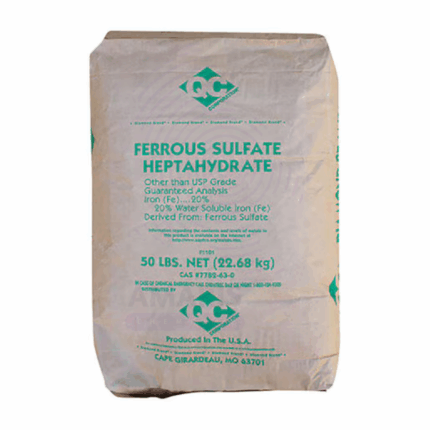
Ferrous Sulphate Heptahydrate
Ferrous Sulphate Heptahydrate, also known as iron(II) sulfate heptahydrate, is a pale green crystalline solid containing seven molecules of water of crystallization (FeSO₄·7H₂O). It is a widely used inorganic iron compound characterized by its high iron content (approximately 20% Fe) and good solubility in water. This hydrated salt is commonly used in agriculture, pharmaceuticals, water treatment, and various industrial processes. The heptahydrate form is preferred for many applications due to its stability, ease of handling, and cost-effectiveness.
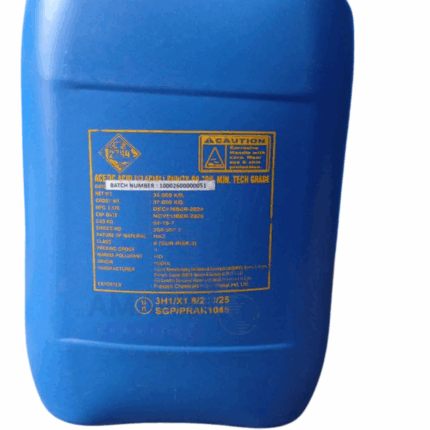
Glacial Acetic Acid Tech grade
Glacial Acetic Acid Tech grade is a clear, colorless liquid with a pungent vinegar-like odor. It is a less refined form of acetic acid primarily used for industrial and technical applications rather than food or pharmaceutical uses. Typically available in concentrations ranging from 80% to glacial (99-100%), it serves as a crucial chemical reagent, solvent, and intermediate in various industrial processes.

Poly Aluminum Chloride (PAC)
Poly Aluminum Chloride (PAC) is an inorganic polymer coagulant used extensively for water treatment and purification. It is a highly efficient flocculating agent, derived from aluminum salts and partially neutralized with chloride, forming polymerized aluminum complexes. PAC is preferred over traditional alum for its rapid floc formation, broader pH range, and lower sludge production. Available in both liquid and powder forms, it is widely applied in municipal, industrial, and commercial sectors for clarification, separation, and purification processes.












