

 Preservatives(food)
 Flavors
 Acidulants
 Sweeteners
 Antioxidants
 Colorants(food)
 Nutraceutical Ingredients (food)
 Nutrient Supplements
 Emulsifiers
 Collectors
 Dust Suppressants
 Explosives and Blasting Agents
 Flocculants and Coagulants
 Frothers
 Leaching Agents
 pH Modifiers
 Precious Metal Extraction Agents
 Antioxidants(plastic)
 Colorants (Pigments, Dyes)
 Fillers and Reinforcements
 Flame Retardants
 Monomers
 Plasticizers
 Polymerization Initiators
 Stabilizers (UV, Heat)
 Antifoaming Agents
 Chelating Agents
 Coagulants and Flocculants
 Corrosion Inhibitors
 Disinfectants and Biocides
 Oxidizing Agents
 pH Adjusters
 Scale Inhibitors( water)
 Antioxidants(cosmetic)
 Emollients
 Oils
Oils Carrier Oills
 Essential Oils
 Humectants
 Preservatives
 Surfactants(cosmetic)
 Thickeners
 UV Filters
 Fragrance (Cosmetics)
 Fertilizers
 Soil Conditioners
 Plant Growth Regulators
 Animal Feed Additives
 Biostimulants
 Pesticides (Herbicides, Insecticides, Fungicides)
 Active Pharmaceutical Ingredients (APIs)
 Excipients
 Solvents(pharmaceutical)
 Antibiotics
 Antiseptics and Disinfectants
 Vaccine Adjuvants
 Nutraceutical Ingredients (pharmaceutical)
 Analgesics & Antipyretics
 Analytical Reagents
 Solvents(lab)
 Chromatography Chemicals
 Spectroscopy Reagents
 microbiology-and-cell-culture-reagents
 Molecular Biology Reagents
 Biochemical Reagents
 Inorganic and Organic Standards
 Laboratory Safety Chemicals
 Specialty Laboratory Chemicals(Special Laboratory Equipment)
 Demulsifiers
 Hydraulic Fracturing Fluids
 Scale Inhibitors(oil)
 Surfactants(oil)
 Drilling Fluids
 Dyes and Pigments
 Bleaching Agents
 Softening Agents
 Finishing Agents
 Antistatic Agents
 Admixtures
 Waterproofing Agents
 Sealants and Adhesives
 Curing Compounds
 Concrete Repair Chemicals
 Anti-Corrosion Coatings
 Surfactants(cleaning)
 Builders
 Enzymes
 Solvents (Cleaning)
 Electronic Chemicals
 Catalysts
 Lubricants
 Photographic Chemicals
 Refrigerants
 Automotive chemicals
 Pyrotechnic Chemicals
 Biodegradable Surfactants
 Bio-based Solvents
 Renewable Polymers
 Carbon Capture Chemicals
 Wastewater Treatment Chemicals
 Pigments
 Solvents(paint)
 Specialty Coatings
 Binders/Resins
 Additives
 Driers
 Anti-Corrosion Agents
 Functional Coatings
 Application-Specific Coatings
 Leavening Agents
 Dough Conditioners
 Flour Treatments
 Fat Replacers
 Decoratives
 Preservatives(baking)
 Plasticizers & Softeners
 Reinforcing Agents
 Adhesion Promoters
 Vulcanizing Agents
 Antidegradants
 Blowing Agents
 Fillers & Extenders
 Accelerators & Retarders

Kojic Acid
Kojic Acid is a naturally derived organic compound produced by certain species of fungi, commonly Aspergillus and Penicillium. It appears as a white to light yellow crystalline powder with a slightly acidic taste and is highly soluble in water and alcohol. Kojic Acid is primarily used in the cosmetic and pharmaceutical industries for its skin-lightening and antioxidant properties. It inhibits melanin production by blocking the enzyme tyrosinase, making it a key ingredient in formulations aimed at reducing hyperpigmentation, age spots, and uneven skin tone.
Kojic Acid
Primary Uses
- Cosmetic and Personal Care
- Skin Lightening Agent: Incorporated in creams, lotions, serums, and soaps to reduce melanin synthesis and lighten dark spots, freckles, and pigmentation disorders.
- Anti-Aging: Acts as an antioxidant to combat free radicals, protecting the skin from oxidative damage and premature aging.
- Hyperpigmentation Treatment: Used in formulations targeting melasma, sun spots, and other pigment-related skin conditions.
- Pharmaceutical Industry
- Topical Preparations: Included in medicated creams and gels for skin depigmentation therapies under dermatological supervision.
- Food Industry
- Food Additive: Occasionally used as a natural preservative or antioxidant in food products to prevent discoloration and spoilage.
Secondary Uses
- Industrial Applications
- Used in certain biochemical assays and research as an inhibitor of tyrosinase enzyme for studying melanin synthesis pathways.
- Agriculture
- Investigated as a potential natural fungicide due to its antimicrobial properties against some plant pathogens.
- Cosmetic Raw Material
- Used as a precursor or intermediate in the synthesis of other skin-related active ingredients.
1. Basic Identification Attributes
- Chemical Name (IUPAC): 5-Hydroxy-2-(hydroxymethyl)-4H-pyran-4-one
- Common/Trade Name: Kojic Acid
- CAS Number: 501-30-4
- HS Code: 2932.99.90
- Synonyms: 5-Hydroxy-2-(hydroxymethyl)-4-pyrone; Kojic acid powder; Kojic acid monohydrate
2. Physical & Chemical Properties
- Physical State: Crystalline powder
- Color & Odor: White to light yellow; odorless or faintly musty
- Melting Point: 152–154 °C
- Solubility: Soluble in water, ethanol, and propylene glycol; slightly soluble in ether
- pH: Slightly acidic in aqueous solution
3. Safety & Hazard Attributes
- GHS Classification: Not classified as hazardous under normal handling
- Toxicity: Low toxicity; may cause skin sensitization in sensitive individuals
- Exposure Limits: No specific occupational exposure limits established
4. Storage & Handling Attributes
- Storage Conditions: Store in a cool, dry, and well-ventilated area away from direct sunlight and moisture
- Container Type: Sealed plastic or glass containers with airtight lids
- Shelf Life: Typically 2–3 years if stored properly
- Handling Precautions: Avoid inhalation of dust and prolonged skin contact
5. Regulatory & Compliance Attributes
- Approved for use in cosmetics by regulatory bodies such as FDA and EU Cosmetic Regulation (with concentration limits)
- Complies with relevant food safety regulations when used as a food additive
- Labeling must indicate possible skin sensitization risk where applicable
6. Environmental & Health Impact
- Biodegradability: Biodegradable under aerobic conditions
- Ecotoxicity: Low toxicity to aquatic organisms at typical use concentrations
- Bioaccumulation: Not expected to bioaccumulate
- Carcinogenicity/Mutagenicity: Not classified as carcinogenic or mutagenic
Safety Handling Precautions
- PPE Required: Use gloves and dust mask when handling powder to avoid inhalation and skin exposure
- Handling Guidelines: Use in well-ventilated areas and avoid creating dust clouds
- Storage Measures: Keep container tightly closed and protect from moisture
First Aid Measures
- Inhalation: Move to fresh air; if irritation occurs, seek medical attention
- Skin Contact: Wash thoroughly with soap and water; discontinue use if irritation or rash develops
- Eye Contact: Rinse eyes with water for at least 15 minutes; seek medical advice if irritation persists
- Ingestion: Rinse mouth; seek medical attention if discomfort or adverse effects occur
Firefighting Measures
- Fire Hazards: Non-flammable under normal conditions
- Extinguishing Media: Use water spray, foam, or dry chemical extinguishers for surrounding fires
- Special Precautions: Avoid inhaling smoke or combustion products
- Hazardous Combustion Products: May produce carbon oxides and other irritant fumes upon burning
Related products
African Potato Extract
African Potato Extract is derived from the plant Hypoxis hemerocallidea, a medicinal plant native to southern Africa. It is commonly used in traditional African medicine for its anti-inflammatory, antioxidant, and immune-boosting properties. The active compound in the extract is hypoxoside, which is converted in the body to rooperol, a potent antioxidant. African Potato Extract is often used as a complementary treatment for conditions like arthritis, prostate issues, and certain infections, though scientific evidence on its effectiveness is still limited.
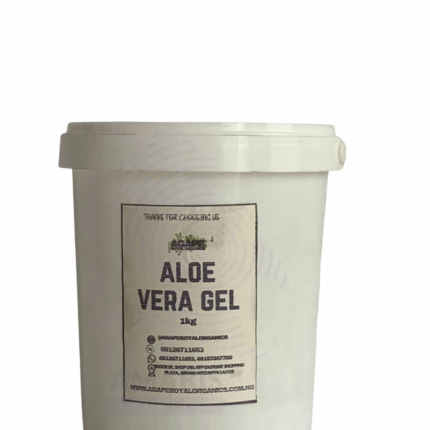
Aloe Vera Gel
Aloe Vera Gel is a clear, jelly-like substance extracted from the inner leaf of the Aloe vera plant. It is widely used in skincare for its soothing, hydrating, and healing properties. Rich in vitamins (especially A, C, and E), enzymes, and amino acids, Aloe Vera Gel is commonly applied to treat sunburns, minor cuts, skin irritation, and dryness. It also has mild anti-inflammatory and antibacterial effects, making it a popular natural remedy in both cosmetic and medicinal products.
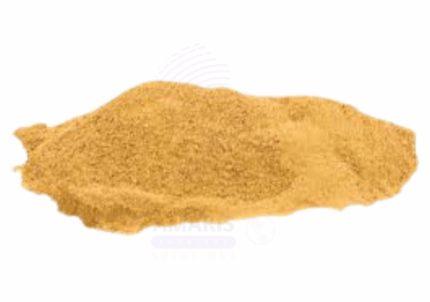
Apricot Powder
Apricot powder is a dehydrated, finely ground form of apricot fruit, retaining much of the natural flavor, aroma, and nutritional properties of fresh apricots. It is typically made by drying fresh apricots through spray drying, freeze drying, or drum drying, then milling into a fine powder. Apricot powder is rich in vitamins, minerals, dietary fiber, and antioxidants such as beta-carotene and vitamin C. It is widely used as a natural flavoring agent, colorant, and nutritional supplement in food and beverage products, as well as in cosmetics and dietary supplements. Its convenient powdered form allows for easy incorporation into dry mixes and processed goods without the perishability of fresh fruit.
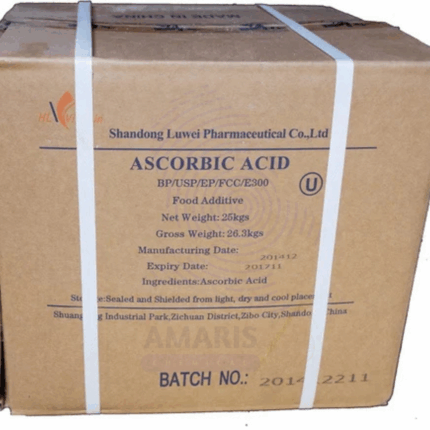
Ascorbic Acid
Ascorbic Acid, commonly known as Vitamin C, is a water-soluble vitamin and potent antioxidant essential for collagen synthesis, immune function, and protection against oxidative stress. It is widely used as a nutritional supplement, food preservative, and additive to enhance shelf life and nutritional value. Naturally present in citrus fruits and various vegetables, ascorbic acid is also important in pharmaceutical, cosmetic, and animal feed industries due to its health benefits and preservative qualities.
Fish Collagen
Fish Collagen is a natural protein derived from the skin, scales, and bones of various fish species through enzymatic hydrolysis or acid extraction. It is predominantly Type I collagen, known for its excellent bioavailability and biocompatibility. Fish Collagen typically appears as a fine white to off-white powder with low odor and high solubility in water and acidic solutions. It is widely prized in cosmetics, nutraceuticals, pharmaceuticals, and food industries due to its superior absorption compared to mammalian collagen, making it highly effective in skin, joint, and bone health applications. Fish Collagen supports the body’s extracellular matrix, promoting skin elasticity, hydration, and tissue repair.
Magnesium Ascorbyl Phosphate
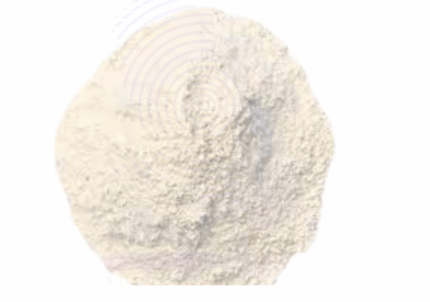
Magnesium Ascorbyl Phosphate (MAP) is a stable, water-soluble derivative of Vitamin C, combined with magnesium. It offers antioxidant benefits and skin-brightening effects with improved stability and lower irritation compared to pure ascorbic acid. Widely used in cosmetics and pharmaceuticals, MAP promotes collagen synthesis, reduces pigmentation, and protects skin from oxidative damage.

Methylene Glycol
Methylene Glycol is a chemical compound formed by the reversible reaction of formaldehyde with water. It exists in equilibrium with formaldehyde in aqueous solutions and is commonly used as a disinfectant, preservative, and industrial biocide. Due to its antimicrobial properties, it is widely applied in water treatment, cosmetics, and embalming fluids.
Phloretin
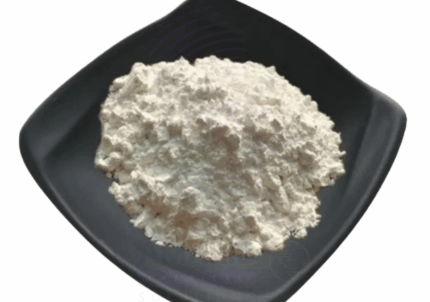
Phloretin is a natural dihydrochalcone flavonoid primarily extracted from apple tree leaves and other fruit sources. It is recognized for its potent antioxidant properties and its ability to inhibit melanin synthesis, making it highly valued in cosmetic and pharmaceutical industries. Phloretin is a yellowish crystalline powder with low solubility in water but good solubility in organic solvents. It is widely used in skincare formulations for its skin-brightening, anti-aging, and anti-inflammatory benefits.












