

 Preservatives(food)
 Flavors
 Acidulants
 Sweeteners
 Antioxidants
 Colorants(food)
 Nutraceutical Ingredients (food)
 Nutrient Supplements
 Emulsifiers
 Collectors
 Dust Suppressants
 Explosives and Blasting Agents
 Flocculants and Coagulants
 Frothers
 Leaching Agents
 pH Modifiers
 Precious Metal Extraction Agents
 Antioxidants(plastic)
 Colorants (Pigments, Dyes)
 Fillers and Reinforcements
 Flame Retardants
 Monomers
 Plasticizers
 Polymerization Initiators
 Stabilizers (UV, Heat)
 Antifoaming Agents
 Chelating Agents
 Coagulants and Flocculants
 Corrosion Inhibitors
 Disinfectants and Biocides
 Oxidizing Agents
 pH Adjusters
 Scale Inhibitors( water)
 Antioxidants(cosmetic)
 Emollients
 Oils
Oils Carrier Oills
 Essential Oils
 Humectants
 Preservatives
 Surfactants(cosmetic)
 Thickeners
 UV Filters
 Fragrance (Cosmetics)
 Fertilizers
 Soil Conditioners
 Plant Growth Regulators
 Animal Feed Additives
 Biostimulants
 Pesticides (Herbicides, Insecticides, Fungicides)
 Active Pharmaceutical Ingredients (APIs)
 Excipients
 Solvents(pharmaceutical)
 Antibiotics
 Antiseptics and Disinfectants
 Vaccine Adjuvants
 Nutraceutical Ingredients (pharmaceutical)
 Analgesics & Antipyretics
 Analytical Reagents
 Solvents(lab)
 Chromatography Chemicals
 Spectroscopy Reagents
 microbiology-and-cell-culture-reagents
 Molecular Biology Reagents
 Biochemical Reagents
 Inorganic and Organic Standards
 Laboratory Safety Chemicals
 Specialty Laboratory Chemicals(Special Laboratory Equipment)
 Demulsifiers
 Hydraulic Fracturing Fluids
 Scale Inhibitors(oil)
 Surfactants(oil)
 Drilling Fluids
 Dyes and Pigments
 Bleaching Agents
 Softening Agents
 Finishing Agents
 Antistatic Agents
 Admixtures
 Waterproofing Agents
 Sealants and Adhesives
 Curing Compounds
 Concrete Repair Chemicals
 Anti-Corrosion Coatings
 Surfactants(cleaning)
 Builders
 Enzymes
 Solvents (Cleaning)
 Electronic Chemicals
 Catalysts
 Lubricants
 Photographic Chemicals
 Refrigerants
 Automotive chemicals
 Pyrotechnic Chemicals
 Biodegradable Surfactants
 Bio-based Solvents
 Renewable Polymers
 Carbon Capture Chemicals
 Wastewater Treatment Chemicals
 Pigments
 Solvents(paint)
 Specialty Coatings
 Binders/Resins
 Additives
 Driers
 Anti-Corrosion Agents
 Functional Coatings
 Application-Specific Coatings
 Leavening Agents
 Dough Conditioners
 Flour Treatments
 Fat Replacers
 Decoratives
 Preservatives(baking)
 Plasticizers & Softeners
 Reinforcing Agents
 Adhesion Promoters
 Vulcanizing Agents
 Antidegradants
 Blowing Agents
 Fillers & Extenders
 Accelerators & Retarders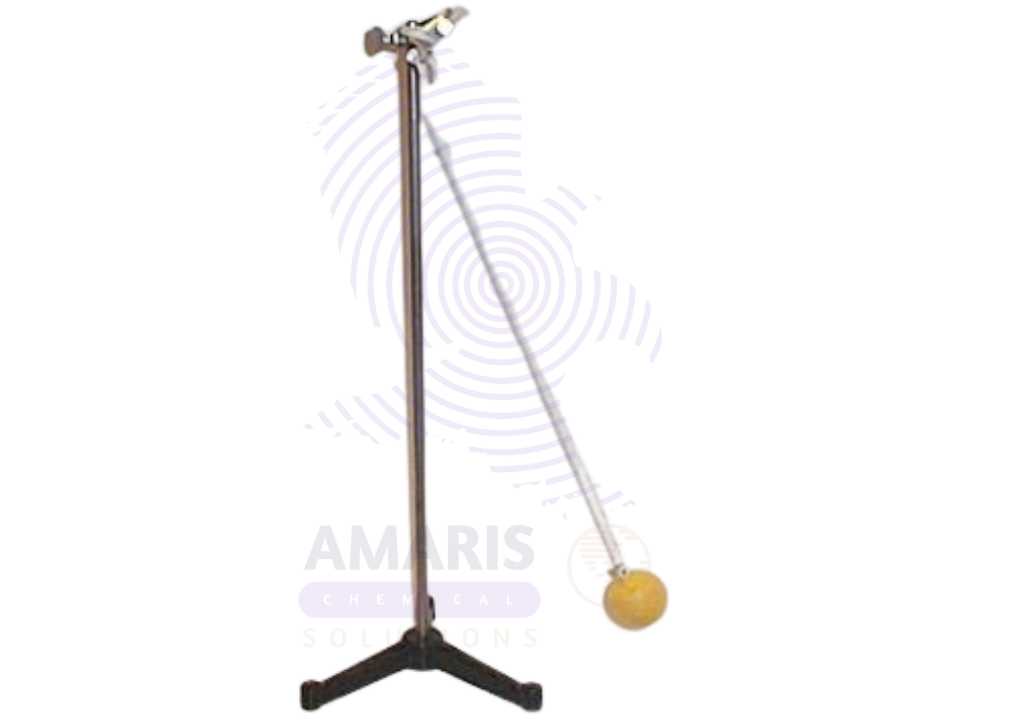

pendilum Bob
Original price was: $ 7.19.$ 7.08Current price is: $ 7.08.
pendilum bob is a weighted mass attached to the end of a pendulum string or rod, used in physics laboratories to study oscillatory motion, harmonic motion, and related principles. Typically made from dense metals such as brass or steel, the bob provides the necessary mass for consistent and measurable swinging motion. Pendulum bobs come in various sizes and shapes, often spherical or cylindrical, and are designed for
pendilum Bob
Primary Uses
- Laboratory and Educational Applications
- Studying simple harmonic motion and oscillations in physics experiments.
- Measuring the period of a pendulum to calculate gravitational acceleration (g).
- Demonstrating principles of pendulum motion and energy conservation.
- Calibration of pendulum setups in teaching laboratories.
Secondary Uses
- Research and Development
- Investigating damping effects and air resistance on pendulum motion.
- Used in timekeeping research and mechanical clock design.
1.Basic Identification Attributes
- Material: Brass, steel, or other dense metals.
- Shape: Commonly spherical or cylindrical.
- Weight: Variable to suit different pendulum lengths and experiment requirements.
- Attachment: Usually has a drilled hole or hook for secure suspension from the string or rod.
2.Physical & Chemical Properties
- Density: High density for stable oscillation.
- Durability: Resistant to corrosion and wear.
- Finish: Smooth surface to minimize air resistance.
3.Safety & Hazard Attributes
- Handle carefully to avoid injury due to weight.
- Avoid dropping to prevent damage or injury.
4.Storage & Handling Attributes
- Store in a protective container or tray to prevent damage.
- Keep away from moisture to avoid corrosion if not stainless.
5.Regulatory & Compliance Attributes
- Manufactured according to laboratory equipment standards.
6.Environmental & Health Impact
- Made from recyclable metals.
- Minimal environmental impact under normal use.
Safety Handling Precautions
- Use gloves if handling heavy or sharp-edged bobs.
- Ensure secure attachment to pendulum string before use.
First Aid Measures
- For impact injuries, apply first aid and seek medical attention if severe.
Firefighting Measures
- Non-flammable metal component.
- Use appropriate extinguishing methods for surrounding materials.
Related products
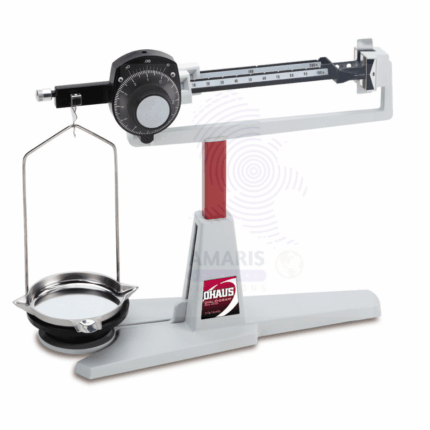
Balance Mechanical Ohaus Centre
Balance Mechanical Ohaus Centre is a high-precision mechanical balance designed for laboratory and industrial use. Featuring a central zero adjustment, this balance enables accurate measurement of small to medium-weight samples with fine calibration control. Constructed with durable, corrosion-resistant materials, it delivers reliable and consistent weighing results without requiring electrical power. Its simple mechanical design ensures easy operation and maintenance, making it suitable for research laboratories, quality control departments, and industrial environments where precise manual weighing is essential.
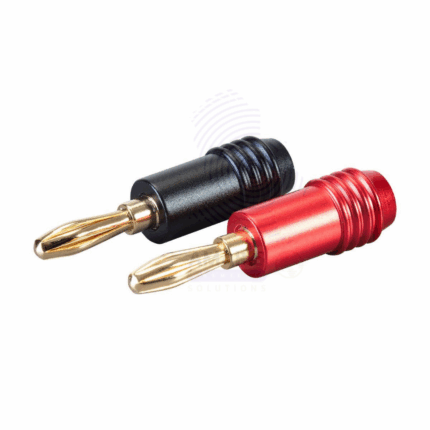
Banana Plug
The Banana Plug is a single-wire electrical connector used to join wires to equipment in testing, measuring, and laboratory applications. It features a cylindrical metal pin with a spring mechanism to ensure a secure and reliable connection. The plug is widely used for quick and easy connections in electronic testing devices, audio systems, and laboratory instruments. Made from high-conductivity metals such as brass or copper and often gold- or nickel-plated for corrosion resistance, the Banana Plug provides consistent electrical conductivity and durability.
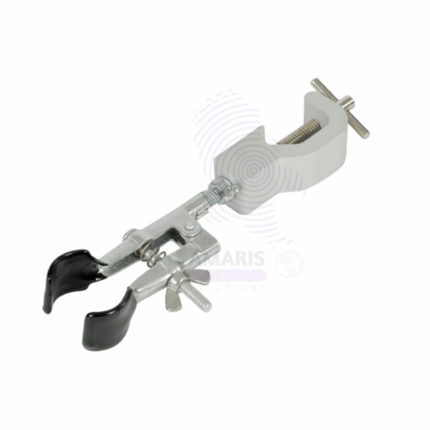
Burette Clamp
The Burette Clamp is a laboratory apparatus designed to securely hold burettes in place during titration and other volumetric procedures. Made from durable materials such as metal with rubber or plastic-coated grips, it ensures stability and prevents slippage or breakage. The clamp typically attaches to a retort stand or support rod, allowing hands-free operation and precise liquid dispensing.
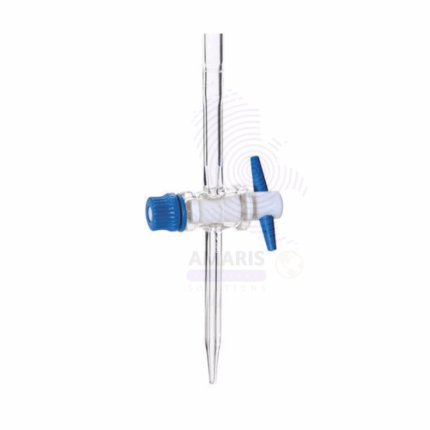
Burette Stop cork
Product Description
The Burette Stop Cork is a laboratory accessory designed to securely seal the open end of a burette, preventing liquid leakage and contamination during titration and other laboratory procedures. Made from high-quality, chemical-resistant cork or synthetic materials like rubber or silicone, it offers a snug fit for various burette sizes. The stop cork ensures controlled flow and precise measurement by allowing easy manipulation of the burette’s liquid contents.
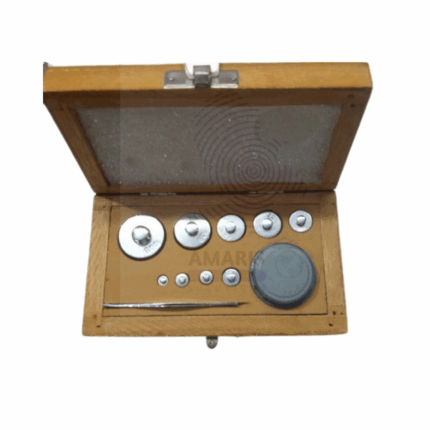
Chemical balance weight box
The Chemical Balance Weight Box is a sturdy, protective container designed to store and organize standard balance weights used for chemical and laboratory measurements. Made from durable materials like wood, metal, or plastic, it ensures the secure keeping of precision weights, protecting them from dust, moisture, and damage. It is essential for maintaining the accuracy and longevity of laboratory weights.

clinostat clock type
The Clinostat Clock Type is a precision laboratory instrument designed to simulate microgravity conditions by continuously rotating biological samples or small objects along a horizontal axis. This rotation counteracts the effect of gravity, allowing researchers to study the effects of weightlessness on plant growth, cell cultures, and other biological specimens. Constructed with durable materials and calibrated for smooth, consistent rotation, the Clinostat Clock Type is widely used in botanical, microbiological, and space biology research.
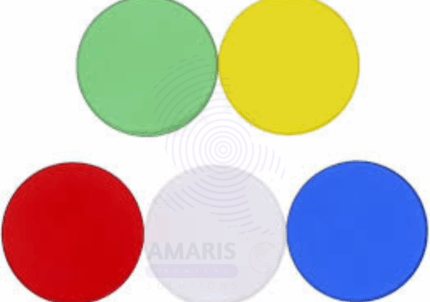
Color Filters
Color Filters are optical components designed to selectively transmit light of specific wavelengths while absorbing or reflecting others. These filters are used in various laboratory and industrial applications to isolate particular colors for scientific experiments, photography, microscopy, and optical analysis. Manufactured from high-quality glass or plastic materials, color filters ensure consistent performance with minimal distortion and high durability.

Desiccators with Knob
Desiccators with Knob are specialized laboratory containers designed to preserve moisture-sensitive materials by providing a dry, airtight environment. Constructed from high-quality borosilicate glass or durable plastic, these desiccators feature a tightly sealed lid with a central knob for easy handling and secure closure. The knob allows convenient lifting and placement of the lid without compromising the internal vacuum or dry atmosphere. Commonly used with desiccant agents like silica gel, they are ideal for drying samples, storing hygroscopic chemicals, or preventing atmospheric contamination. Desiccators with knobs are indispensable in laboratory, pharmaceutical, and industrial settings for maintaining low-humidity conditions during experiments or storage.












