

 Preservatives(food)
 Flavors
 Acidulants
 Sweeteners
 Antioxidants
 Colorants(food)
 Nutraceutical Ingredients (food)
 Nutrient Supplements
 Emulsifiers
 Collectors
 Dust Suppressants
 Explosives and Blasting Agents
 Flocculants and Coagulants
 Frothers
 Leaching Agents
 pH Modifiers
 Precious Metal Extraction Agents
 Antioxidants(plastic)
 Colorants (Pigments, Dyes)
 Fillers and Reinforcements
 Flame Retardants
 Monomers
 Plasticizers
 Polymerization Initiators
 Stabilizers (UV, Heat)
 Antifoaming Agents
 Chelating Agents
 Coagulants and Flocculants
 Corrosion Inhibitors
 Disinfectants and Biocides
 Oxidizing Agents
 pH Adjusters
 Scale Inhibitors( water)
 Antioxidants(cosmetic)
 Emollients
 Oils
Oils Carrier Oills
 Essential Oils
 Humectants
 Preservatives
 Surfactants(cosmetic)
 Thickeners
 UV Filters
 Fragrance (Cosmetics)
 Fertilizers
 Soil Conditioners
 Plant Growth Regulators
 Animal Feed Additives
 Biostimulants
 Pesticides (Herbicides, Insecticides, Fungicides)
 Active Pharmaceutical Ingredients (APIs)
 Excipients
 Solvents(pharmaceutical)
 Antibiotics
 Antiseptics and Disinfectants
 Vaccine Adjuvants
 Nutraceutical Ingredients (pharmaceutical)
 Analgesics & Antipyretics
 Analytical Reagents
 Solvents(lab)
 Chromatography Chemicals
 Spectroscopy Reagents
 microbiology-and-cell-culture-reagents
 Molecular Biology Reagents
 Biochemical Reagents
 Inorganic and Organic Standards
 Laboratory Safety Chemicals
 Specialty Laboratory Chemicals(Special Laboratory Equipment)
 Demulsifiers
 Hydraulic Fracturing Fluids
 Scale Inhibitors(oil)
 Surfactants(oil)
 Drilling Fluids
 Dyes and Pigments
 Bleaching Agents
 Softening Agents
 Finishing Agents
 Antistatic Agents
 Admixtures
 Waterproofing Agents
 Sealants and Adhesives
 Curing Compounds
 Concrete Repair Chemicals
 Anti-Corrosion Coatings
 Surfactants(cleaning)
 Builders
 Enzymes
 Solvents (Cleaning)
 Electronic Chemicals
 Catalysts
 Lubricants
 Photographic Chemicals
 Refrigerants
 Automotive chemicals
 Pyrotechnic Chemicals
 Biodegradable Surfactants
 Bio-based Solvents
 Renewable Polymers
 Carbon Capture Chemicals
 Wastewater Treatment Chemicals
 Pigments
 Solvents(paint)
 Specialty Coatings
 Binders/Resins
 Additives
 Driers
 Anti-Corrosion Agents
 Functional Coatings
 Application-Specific Coatings
 Leavening Agents
 Dough Conditioners
 Flour Treatments
 Fat Replacers
 Decoratives
 Preservatives(baking)
 Plasticizers & Softeners
 Reinforcing Agents
 Adhesion Promoters
 Vulcanizing Agents
 Antidegradants
 Blowing Agents
 Fillers & Extenders
 Accelerators & Retarders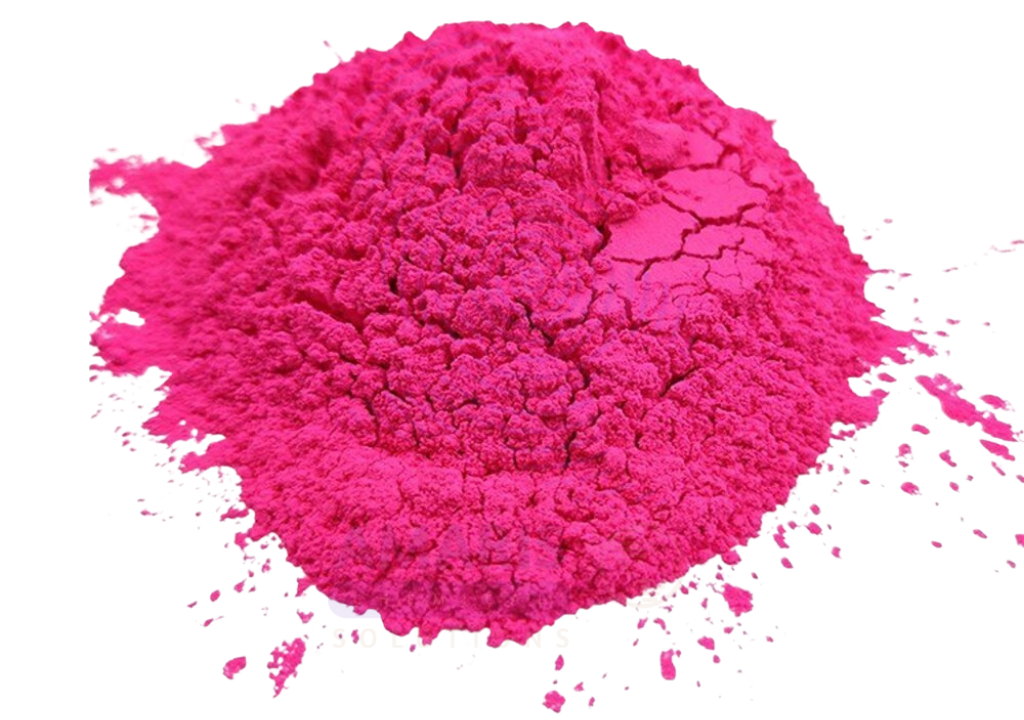

Rhodamine B
Rhodamine B is a bright pink to reddish-purple synthetic dye belonging to the xanthene family. It is widely used as a fluorescent tracer dye and coloring agent due to its strong fluorescence and high photostability. Rhodamine B finds applications in analytical chemistry, biological staining, and industrial processes requiring vivid coloration or fluorescence detection.
Rhodamine B
Primary Uses
- Analytical Chemistry and Fluorescence Tracing
- Used as a fluorescent tracer dye in water flow studies, leak detection, and dye tracing in environmental research.
- Applied in fluorescence microscopy and flow cytometry for staining and detecting biological samples.
- Textile Industry
- Utilized as a dye for coloring synthetic fibers, nylon, and polyester fabrics.
- Provides bright and durable coloration in fabric dyeing processes.
- Biological and Medical Research
- Employed as a staining agent for cells and tissues in histology and cytology.
- Used in fluorescence-based assays and imaging techniques to visualize biological structures.
Secondary Uses
- Ink and Paint Manufacturing
- Incorporated in inks and paints to produce vivid fluorescent colors.
- Laser Dyes and Optics
- Used in laser technology as a gain medium in dye lasers.
- Plastics and Polymers
- Added to plastics and resins to impart fluorescent properties for identification or decoration.
1. Basic Identification Attributes
- Chemical Name (IUPAC): [9-(2-carboxyphenyl)-6-(diethylamino)xanthen-3-ylidene]diethylammonium chloride
- Common/Trade Name: Rhodamine B
- CAS Number: 81-88-9
- HS Code: 3204.17
- Synonyms: Basic Violet 10, C.I. 45170
2. Physical & Chemical Properties
- Physical State: Powder or solid crystals
- Color & Odor: Dark pink to reddish-purple; odorless
- Solubility: Soluble in water and ethanol
- Melting Point: Approx. 228°C (decomposes)
- Fluorescence: Strong pink-red fluorescence under UV light
3. Safety & Hazard Attributes
- GHS Classification: Harmful if swallowed, suspected carcinogen
- Toxicity: Moderate toxicity; handle with care
- Exposure Limits: Use with appropriate safety measures
4. Storage & Handling Attributes
- Storage Conditions: Store in tightly closed containers, away from light and moisture
- Container Type: Sealed plastic or glass containers
- Shelf Life: Stable if stored properly in a cool, dry place
- Handling Precautions: Avoid inhalation and skin contact; use protective equipment
5. Regulatory & Compliance Attributes
- Subject to chemical safety regulations
- Use restricted or regulated in some countries due to toxicity concerns
6. Environmental & Health Impact
- Biodegradability: Not readily biodegradable
- Ecotoxicity: Toxic to aquatic organisms
- Bioaccumulation: Potential for bioaccumulation
Safety Handling Precautions
- PPE Required: Gloves, goggles, protective clothing, and dust mask or respirator
- Handling Guidelines: Use in well-ventilated areas; avoid dust generation and direct contact
- Storage Measures: Keep containers tightly closed and stored in a dry environment away from light
First Aid Measures
- Inhalation: Move to fresh air; seek medical attention if respiratory irritation occurs
- Skin Contact: Wash with soap and water; seek medical advice if irritation persists
- Eye Contact: Rinse with water for at least 15 minutes; seek medical care if irritation continues
- Ingestion: Rinse mouth; do not induce vomiting; seek immediate medical help
Firefighting Measures
- Fire Hazards: Combustible solid
- Extinguishing Media: Use water spray, foam, dry chemical, or CO₂
- Special Precautions: Wear full protective gear and self-contained breathing apparatus if involved in fire
- Hazardous Combustion Products: Carbon oxides, nitrogen oxides
Related products
Black Jawi
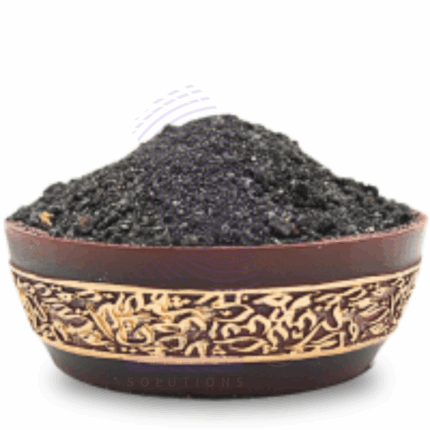
Black Jawi is a natural, mineral-rich volcanic sand or powder, traditionally harvested from volcanic regions. Its high content of silica, iron oxides, magnesium, and trace minerals makes it a versatile material for agriculture, construction, cosmetics, and industrial applications. Packaged in 30kg bulk quantities, it is ideal for large-scale projects requiring durability, soil enhancement, or therapeutic properties.
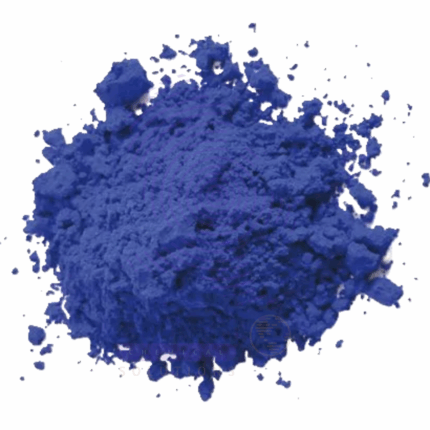
Blue Dye
Blue Dye is a water-soluble synthetic dye solution with 6% active dye content, providing a vivid blue coloration for various industrial applications. It is formulated for easy dispersion in aqueous systems and offers consistent color strength and stability. This dye is widely used in textile dyeing, paper coloring, cosmetics, and cleaning products.
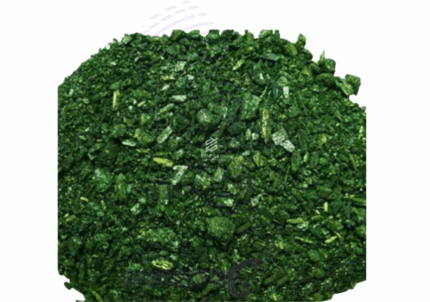
Phytaloc Yamine green
Phytaloc Yamine Green is a specialized green-colored amine-based chemical used primarily as a corrosion inhibitor and pH stabilizer in various industrial and water treatment applications. It offers excellent protection against metal corrosion and scale formation in cooling systems, boilers, and pipelines. This product is formulated for easy handling and compatibility with diverse chemical environments, making it a versatile additive in process industries.
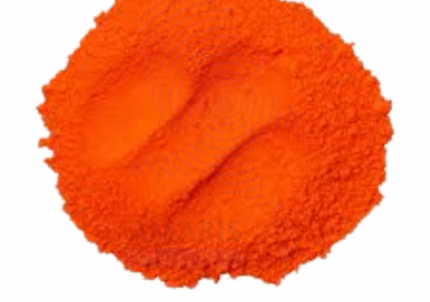
Pigment Orange
Pigment Orange is a concentrated dispersion of synthetic orange pigment particles in a suitable carrier, designed to deliver bright, vivid orange coloration. It offers excellent stability, heat resistance, and chemical inertness, making it suitable for diverse industrial applications including paints, plastics, inks, and coatings. This pigment ensures consistent color strength and durability across a variety of substrates.
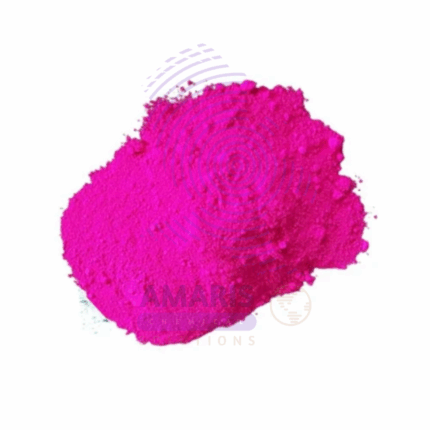
Pink Dye
Pink Dye is a synthetic dye formulation offering a vibrant pink coloration with a 6% dye concentration. It exhibits excellent affinity for protein fibers such as wool, silk, and nylon, providing bright and consistent pink hues. The dye is water-soluble under acidic conditions and is commonly used in textile dyeing, leather processing, and specialty applications requiring durable and vivid pink color. It also demonstrates good fastness to washing, light, and perspiration.
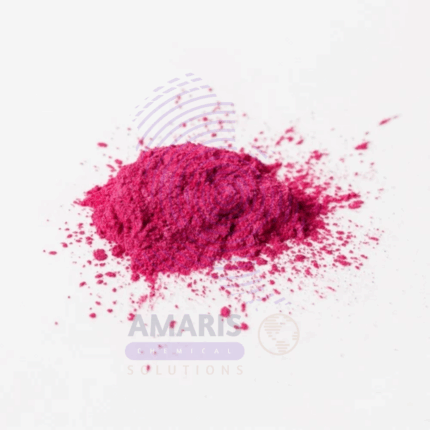
Raspberry Red Pigment
Raspberry Red Pigment is a concentrated dispersion of synthetic red pigment particles formulated to deliver a rich raspberry-red color. It offers excellent lightfastness, heat stability, and chemical inertness, making it ideal for applications in paints, coatings, plastics, inks, and specialty industrial uses. This pigment ensures consistent color strength and durability across various substrates and manufacturing processes.
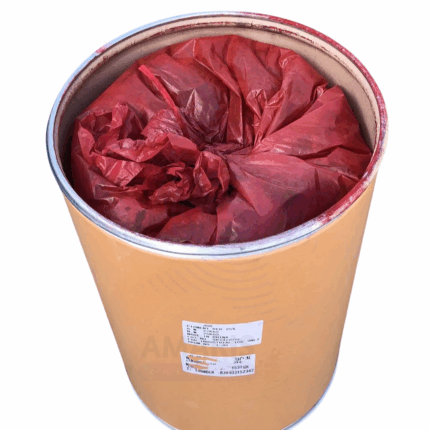
Solvent oil red 24 OSH
Solvent Oil Red 24 OSH is a bright, oil-soluble azo dye used primarily for coloring petroleum-based solvents, oils, waxes, and greases. Known for its excellent solubility in hydrocarbon mediums, this dye delivers a vivid red hue with good thermal stability and moderate lightfastness. Its OSH (Oil Soluble High) formulation ensures optimized dispersion in non-polar systems.
Solvent Oil Red 24 OSH is used in applications requiring visual identification, fuel marking, and product differentiation across industrial environments. It is available in powdered or granulated form and is manufactured to meet industrial-grade quality standards.
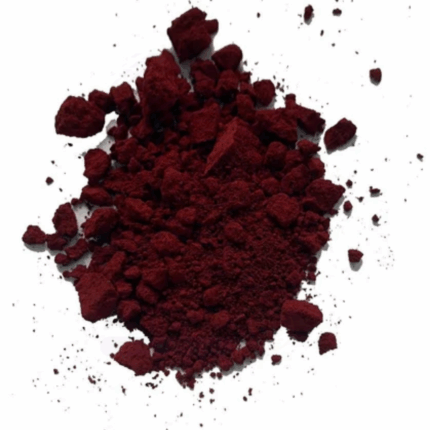
Waxol Solvent Red
Waxol Solvent Red is a synthetic dye primarily used for coloring hydrocarbon-based products. It is a solvent-soluble red dye known for its excellent color strength, stability, and compatibility with various waxes, oils, plastics, and fuels. This dye is widely employed in industries requiring vibrant red coloration of non-polar materials, providing consistent performance under different processing conditions.












