

 Preservatives(food)
 Flavor Enhancers
 Acidulants
 Sweeteners
 Antioxidants
 Colorants(food)
 Nutraceutical Ingredients (food)
 Nutrient Supplements
 Emulsifiers
 Collectors
 Dust Suppressants
 Explosives and Blasting Agents
 Flocculants and Coagulants
 Frothers
 Leaching Agents
 pH Modifiers
 Precious Metal Extraction Agents
 Antioxidants(plastic)
 Colorants (Pigments, Dyes)
 Fillers and Reinforcements
 Flame Retardants
 Monomers
 Plasticizers
 Polymerization Initiators
 Stabilizers (UV, Heat)
 Antifoaming Agents
 Chelating Agents
 Coagulants and Flocculants
 Corrosion Inhibitors
 Disinfectants and Biocides
 Oxidizing Agents
 pH Adjusters
 Scale Inhibitors( water)
 Antioxidants(cosmetic)
 Emollients
 Fragrances and Essential Oils
 Humectants
 Preservatives
 Surfactants(cosmetic)
 Thickeners
 UV Filters
 Fertilizers
 Soil Conditioners
 Plant Growth Regulators
 Animal Feed Additives
 Biostimulants
 Pesticides (Herbicides, Insecticides, Fungicides)
 Active Pharmaceutical Ingredients (APIs)
 Excipients
 Solvents(pharmaceutical)
 Antibiotics
 Antiseptics and Disinfectants
 Vaccine Adjuvants
 Nutraceutical Ingredients (pharmaceutical)
 Analgesics & Antipyretics
 Analytical Reagents
 Solvents(lab)
 Chromatography Chemicals
 Spectroscopy Reagents
 microbiology-and-cell-culture-reagents
 Molecular Biology Reagents
 Biochemical Reagents
 Inorganic and Organic Standards
 Laboratory Safety Chemicals
 Specialty Laboratory Chemicals(Special Laboratory Equipment)
 Demulsifiers
 Hydraulic Fracturing Fluids
 Scale Inhibitors(oil)
 Surfactants(oil)
 Drilling Fluids
 Dyes and Pigments
 Bleaching Agents
 Softening Agents
 Finishing Agents
 Antistatic Agents
 Admixtures
 Waterproofing Agents
 Sealants and Adhesives
 Curing Compounds
 Concrete Repair Chemicals
 Anti-Corrosion Coatings
 Surfactants(cleaning)
 Builders
 Enzymes
 Solvents (Cleaning)
 Fragrances
 Electronic Chemicals
 Catalysts
 Lubricants
 Photographic Chemicals
 Refrigerants
 Automotive chemicals
 Pyrotechnic Chemicals
 Biodegradable Surfactants
 Bio-based Solvents
 Renewable Polymers
 Carbon Capture Chemicals
 Wastewater Treatment Chemicals
 Pigments
 Solvents(paint)
 Specialty Coatings
 Binders/Resins
 Additives
 Driers
 Anti-Corrosion Agents
 Functional Coatings
 Application-Specific Coatings
 Leavening Agents
 Dough Conditioners
 Flour Treatments
 Fat Replacers
 Decoratives
 Preservatives(baking)
 Plasticizers & Softeners
 Reinforcing Agents
 Adhesion Promoters
 Vulcanizing Agents
 Antidegradants
 Blowing Agents
 Fillers & Extenders
 Accelerators & Retarders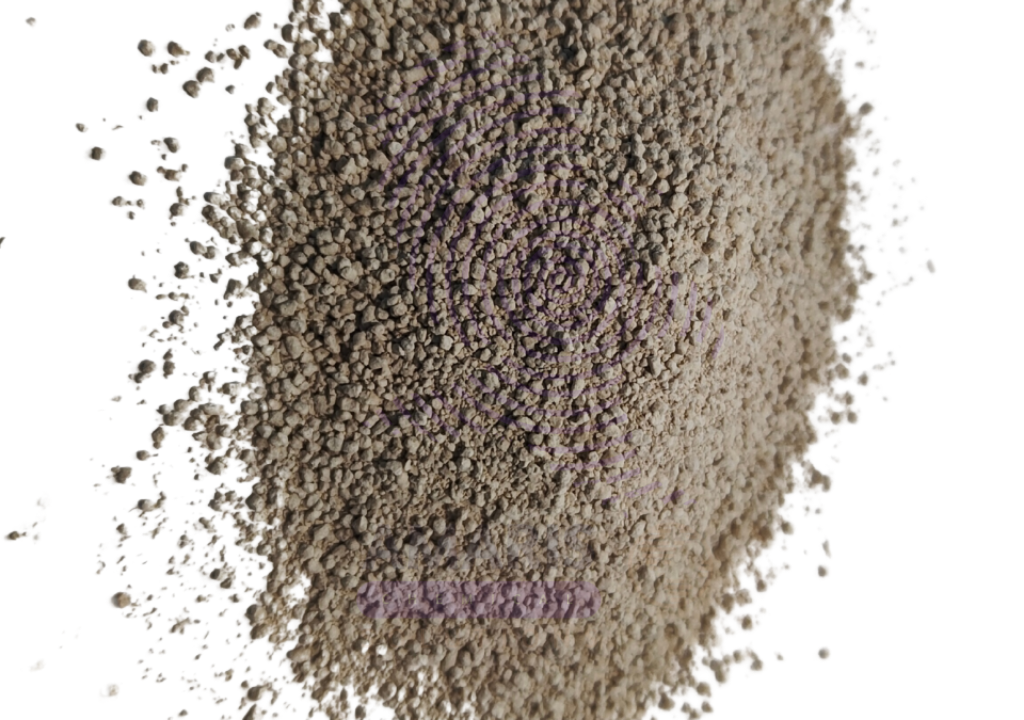

Salinomycin Granular Feed Grade
Salinomycin Granular Feed Grade is an ionophore antibiotic widely used as a coccidiostat in poultry and livestock feed. It helps control and prevent coccidiosis, a parasitic disease affecting the intestinal tract of animals, thereby improving growth performance and feed efficiency. This granular formulation ensures uniform mixing in feed and stable dosage delivery.
Salinomycin Granular Feed Grade
Primary Uses
- Animal Feed Additive
- Incorporated into poultry feed to prevent and control coccidiosis infections.
- Used in cattle and swine feed to improve feed efficiency and promote growth by controlling intestinal parasites.
- Helps reduce mortality and morbidity rates related to coccidial infections in livestock production.
- Veterinary Medicine
- Employed as a prophylactic agent in commercial animal farming operations.
Secondary Uses
- Research & Development
- Studied for potential anticancer and anti-biofilm properties in medical research.
- Agriculture
- Investigated as a potential agent for soil pathogen control due to its antimicrobial activity.
1. Basic Identification Attributes
- Chemical Name (IUPAC): Salinomycin
- Common/Trade Name: Salinomycin 12% Granular Feed Grade
- CAS Number: 53003-10-0
- HS Code: 2941.90
- Synonyms: Salinomycin sodium salt; coccidiostat ionophore
2. Physical & Chemical Properties
- Physical State: Granular powder
- Color & Odor: Light brown to tan; characteristic odor
- Solubility: Poorly soluble in water; soluble in organic solvents
- Stability: Stable under recommended storage conditions
3. Safety & Hazard Attributes
- GHS Classification: Toxic to aquatic life; irritant
- Toxicity: Toxic to non-target animals if overdosed; handle with care
- Exposure Limits: Follow veterinary and occupational guidelines
4. Storage & Handling Attributes
- Storage Conditions: Store in a cool, dry, well-ventilated area away from incompatible materials
- Container Type: Sealed bags or containers to prevent moisture ingress
- Shelf Life: Typically 1–2 years if stored properly
- Handling Precautions: Use gloves and mask; avoid inhalation and ingestion
5. Regulatory & Compliance Attributes
- Complies with veterinary feed additive regulations in major markets (e.g., FDA, EU)
- Manufactured in GMP-certified facilities
6. Environmental & Health Impact
- Biodegradability: Biodegradable under aerobic conditions
- Ecotoxicity: Toxic to aquatic organisms; avoid environmental release
- Bioaccumulation: Not significant
Safety Handling Precautions
- PPE Required: Gloves, dust mask, and eye protection recommended
- Handling Guidelines: Use in well-ventilated areas; avoid contact with skin and eyes
- Storage Measures: Keep containers tightly closed and stored in a dry environment
First Aid Measures
- Inhalation: Move to fresh air; seek medical attention if irritation occurs
- Skin Contact: Wash with soap and water; seek medical advice if irritation develops
- Eye Contact: Rinse with water for 15 minutes; seek medical help if irritation persists
- Ingestion: Rinse mouth; do not induce vomiting; get immediate medical attention
Firefighting Measures
- Fire Hazards: Combustible; may produce toxic fumes when burned
- Extinguishing Media: Use foam, dry chemical, or CO₂
- Special Precautions: Wear full protective equipment and self-contained breathing apparatus
- Hazardous Combustion Products: Carbon oxides, nitrogen oxides, and other toxic gases
Related products
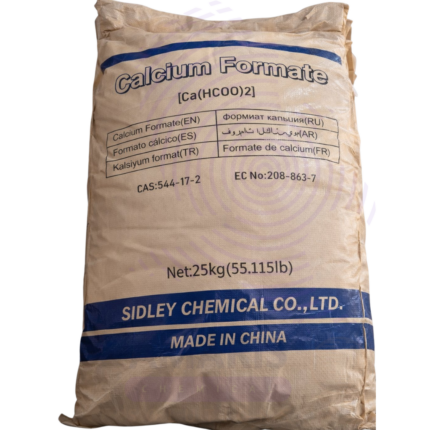
Calcium Formate
Calcium Formate is the calcium salt of formic acid, appearing as a white, free-flowing crystalline powder or granules. It is an odorless compound with a slightly bitter taste and is non-toxic. The chemical formula is Ca(HCOO)₂ with a molecular weight of 130.0 g/mol. Calcium Formate is slightly hygroscopic and readily soluble in water, with solubility of approximately 16.1 g/100 mL at 20°C. Its water solution is neutral with a pH of 6.0 to 8.0. The compound is stable under normal storage conditions and has a decomposition temperature exceeding 400°C. Technical grade Calcium Formate is manufactured for industrial applications including construction, animal feed, leather processing, and water treatment.
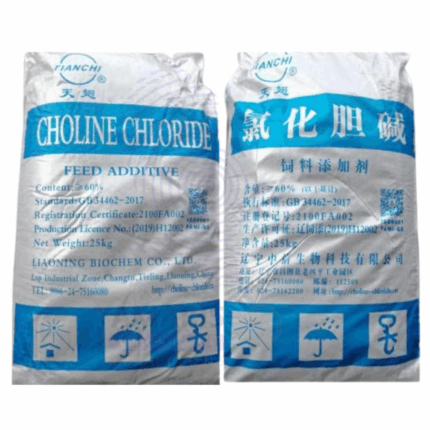
Choline Chloride Powder
Choline Chloride Powder is a white to off-white crystalline powder containing 60% choline chloride, a quaternary ammonium salt essential as a nutrient in animal and poultry feed. It serves as a vital source of choline, an important component in fat metabolism, liver function, and cell membrane integrity. Produced through chemical synthesis, this powder form is highly soluble in water, making it easy to incorporate into feed premixes and supplements. Choline chloride is widely used in the agriculture industry to prevent choline deficiency, enhance growth performance, and improve overall health in livestock. Beyond animal nutrition, it finds applications in chemical manufacturing and pharmaceuticals.
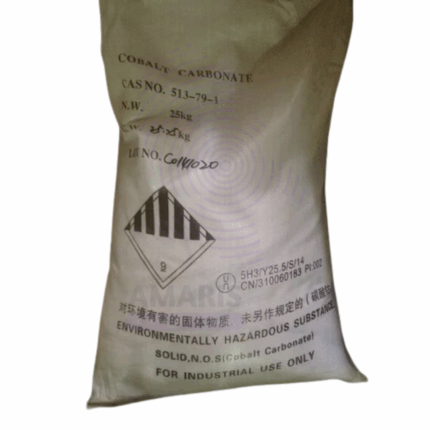
Cobalt Carbonate
Cobalt Carbonate is a rose-red to purplish powder with a metal content of approximately 46% cobalt by weight. It is an inorganic compound primarily used as a source of cobalt, either as a raw material in chemical synthesis or as a micronutrient in various formulations. It is slightly soluble in water and decomposes upon heating, releasing carbon dioxide and leaving cobalt oxide (CoO). Cobalt Carbonate is used in ceramics, catalysts, animal nutrition, batteries, and metal surface treatments. Its controlled release of cobalt makes it useful in both industrial and biological applications.
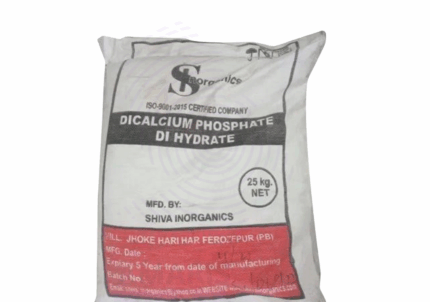
Dicalcium Phosphate Dihydrate
Dicalcium Phosphate Dihydrate (DCP Dihydrate) is an odorless, white crystalline powder or granule composed of calcium and phosphate in a hydrated form. It is widely used in the pharmaceutical, food, animal feed, and industrial sectors. It serves as a calcium and phosphorus supplement, excipient, and abrasive agent, valued for its stability, bioavailability, and neutral taste. DCP Dihydrate complies with various pharmacopeial standards (e.g., USP, BP, FCC) depending on the grade.
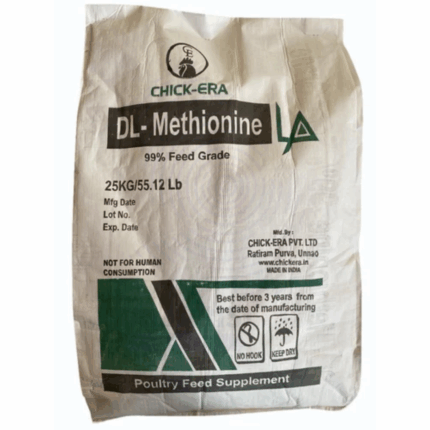
DL-Methionine Feed Grade
DL-Methionine Feed Grade is a synthetic, racemic mixture of the amino acid methionine, consisting of equal parts D- and L-isomers. It is an essential sulfur-containing amino acid widely used as a nutritional supplement in animal feed formulations. DL-Methionine plays a critical role in protein synthesis, growth, and metabolic functions in livestock and poultry. This feed-grade quality ensures high purity (minimum 99%) and suitability for inclusion in feed blends to enhance growth performance, improve feed efficiency, and prevent methionine deficiency-related disorders.
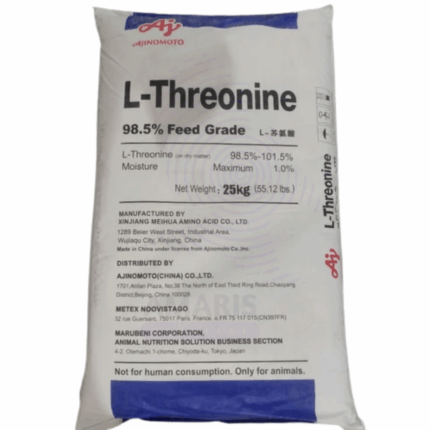
L-Threonine Feed Grade
L-Threonine Feed Grade is a high-purity essential amino acid used primarily as a nutritional supplement in animal feed. It appears as a white crystalline powder and is vital for protein synthesis, growth, and overall health in livestock. This feed-grade form of L-Threonine helps balance amino acid profiles in animal diets, especially in monogastric animals like poultry and swine, improving feed efficiency and production performance.

Magnesium Sulphate (Epsom Salt)
Magnesium Sulphate Epsom Salt, commonly known as Epsom Salt, is an inorganic salt composed of magnesium, sulfur, and oxygen with the formula MgSO₄. It typically appears as colorless or white crystalline granules and is highly soluble in water. In its heptahydrate form (MgSO₄·7H₂O), it is widely used in agriculture, pharmaceuticals, food, and industrial applications. Epsom Salt is valued for its muscle relaxant, laxative, and magnesium supplementation properties, as well as for its role in improving soil fertility and plant growth.

Mineral lick ( Rock Salt)
Mineral Lick, commonly known as Rock Salt, is a naturally occurring mineral primarily composed of sodium chloride. It is harvested from salt deposits and widely used as a mineral supplement for livestock and wildlife, providing essential nutrients. Mineral Lick enhances animal health by promoting hydration, digestion, and mineral balance. It also has applications in industry, agriculture, and food processing.












