
 Preservatives(food)
 Flavors
 Acidulants
 Sweeteners
 Antioxidants
 Colorants(food)
 Nutraceutical Ingredients (food)
 Nutrient Supplements
 Emulsifiers

 Collectors
 Dust Suppressants
 Explosives and Blasting Agents
 Flocculants and Coagulants
 Frothers
 Leaching Agents
 pH Modifiers
 Precious Metal Extraction Agents

 Antioxidants(plastic)
 Colorants (Pigments, Dyes)
 Fillers and Reinforcements
 Flame Retardants
 Monomers
 Plasticizers
 Polymerization Initiators
 Stabilizers (UV, Heat)

 Antifoaming Agents
 Chelating Agents
 Coagulants and Flocculants
 Corrosion Inhibitors
 Disinfectants and Biocides
 Oxidizing Agents
 pH Adjusters
 Scale Inhibitors( water)

 Antioxidants(cosmetic)
 Emollients
 Oils
 Carrier Oills
 Essential Oils
 Humectants
 Preservatives
 Surfactants(cosmetic)
 Thickeners
 UV Filters
 Fragrance (Cosmetics)

 Fertilizers
 Soil Conditioners
 Plant Growth Regulators
 Animal Feed Additives
 Biostimulants
 Pesticides (Herbicides, Insecticides, Fungicides)

 Active Pharmaceutical Ingredients (APIs)
 Excipients
 Solvents(pharmaceutical)
 Antibiotics
 Antiseptics and Disinfectants
 Vaccine Adjuvants
 Nutraceutical Ingredients (pharmaceutical)
 Analgesics & Antipyretics

 Analytical Reagents
 Solvents(lab)
 Chromatography Chemicals
 Spectroscopy Reagents
 microbiology-and-cell-culture-reagents
 Molecular Biology Reagents
 Biochemical Reagents
 Inorganic and Organic Standards
 Laboratory Safety Chemicals
 Specialty Laboratory Chemicals(Special Laboratory Equipment)

 Demulsifiers
 Hydraulic Fracturing Fluids
 Scale Inhibitors(oil)
 Surfactants(oil)
 Drilling Fluids

 Dyes and Pigments
 Bleaching Agents
 Softening Agents
 Finishing Agents
 Antistatic Agents

 Admixtures
 Waterproofing Agents
 Sealants and Adhesives
 Curing Compounds
 Concrete Repair Chemicals
 Anti-Corrosion Coatings

 Surfactants(cleaning)
 Builders
 Enzymes
 Solvents (Cleaning)

 Electronic Chemicals
 Catalysts
 Lubricants
 Photographic Chemicals
 Refrigerants
 Automotive chemicals
 Pyrotechnic Chemicals

 Biodegradable Surfactants
 Bio-based Solvents
 Renewable Polymers
 Carbon Capture Chemicals
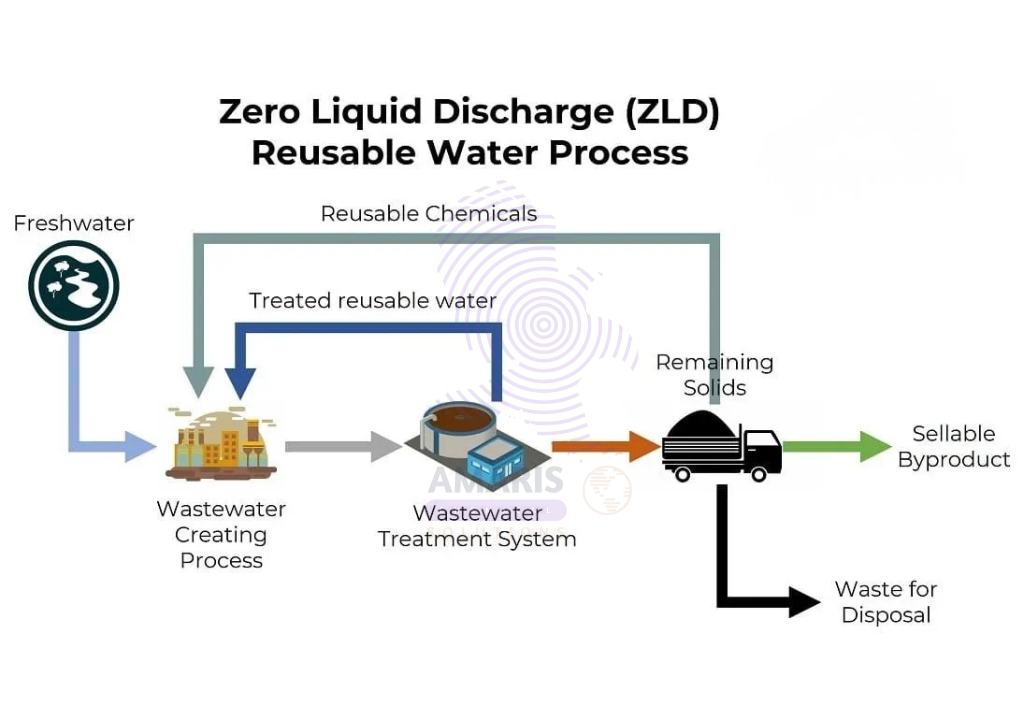
 Wastewater Treatment Chemicals

 Pigments
 Solvents(paint)
 Specialty Coatings
 Binders/Resins
 Additives
 Driers
 Anti-Corrosion Agents
 Functional Coatings
 Application-Specific Coatings

 Leavening Agents
 Dough Conditioners
 Flour Treatments
 Fat Replacers
 Decoratives
 Preservatives(baking)

 Plasticizers & Softeners
 Reinforcing Agents
 Adhesion Promoters
 Vulcanizing Agents
 Antidegradants
 Blowing Agents
 Fillers & Extenders
 Accelerators & Retarders

The Chemistry Behind Solar Panels and Renewable Energy Technologies ☀️🧪


Renewable energy is transforming how the world produces electricity, with solar panels, wind turbines, and energy-storage systems becoming increasingly important. Behind these technologies is a combination of chemistry, materials science, and engineering that makes it possible to convert natural resources into usable energy.
From the silicon inside solar panels to the materials used in batteries and protective coatings, chemicals are essential to developing, manufacturing, and maintaining renewable energy technologies. As Kenya and other African countries expand their renewable energy capacity, understanding this connection highlights the growing importance of the chemical industry. 🌍
How Do Solar Panels Work?
Most conventional solar panels use photovoltaic cells, which convert sunlight directly into electricity. These cells commonly contain silicon, a semiconductor material with properties that allow it to respond to incoming light.
When sunlight reaches a photovoltaic cell, its energy can release electrons within the semiconductor. The cell’s internal electric field helps direct these charges, generating an electrical current.
To improve performance, manufacturers carefully control the silicon’s purity and electronic properties. Small amounts of selected elements, such as boron or phosphorus, are introduced during manufacturing to create different semiconductor regions that help the cell produce electricity efficiently.
This precise control of materials and composition is where chemistry and semiconductor science become especially important. 🔬
The Role of Chemicals in Solar Panel Manufacturing
Solar panels require more than silicon alone. Their production involves materials used for cleaning, surface treatment, electrical contacts, protective layers, and encapsulation.
Specialised chemicals help prepare semiconductor surfaces and remove unwanted contaminants during manufacturing. Materials such as silver-containing pastes or other conductive compounds may be used to collect electricity, depending on the cell design.
Glass, polymers, sealants, and protective coatings also help shield panels from moisture, dust, and environmental exposure.
Each component must meet appropriate quality requirements because impurities, poor adhesion, or material degradation can affect the panel’s efficiency and service life.
Batteries: Storing Renewable Energy 🔋
Solar power generation varies with sunlight, so energy storage can help make electricity available when generation is low or demand is high.
Lithium-ion batteries are widely used in energy-storage systems. Their operation depends on the movement of lithium ions between electrodes through an electrolyte during charging and discharging.
The chemistry of the electrode materials and electrolyte influences important characteristics such as energy capacity, charging behaviour, operating temperature, and service life.
Other battery technologies, including lead-acid and sodium-ion systems, use different chemical materials and offer different performance characteristics. Choosing a suitable system depends on the application, cost, safety requirements, and expected operating conditions.


Beyond Solar: Chemicals in Other Renewable Technologies
Chemical innovation supports several other renewable energy technologies.
Wind turbines rely on materials such as protective coatings, specialised lubricants, composites, and, in some designs, permanent magnets containing selected metals.
Hydrogen technologies also depend on chemistry. Electrolysers use electricity to split water into hydrogen and oxygen, with specialised electrodes, catalysts, and membranes helping the process operate effectively.
Meanwhile, bioenergy systems convert biological materials into useful fuels or energy through biological and chemical processes.
These examples show how chemical science contributes to renewable energy generation, storage, and distribution.
Opportunities for Kenya and Africa 🇰🇪
Kenya’s strong solar potential creates opportunities for solar-powered homes, businesses, agricultural operations, and industrial facilities. Renewable energy can also support electricity access and reduce reliance on conventional energy sources in suitable applications.
As adoption grows, demand may increase for energy-storage systems, electrical components, protective materials, maintenance products, and specialised chemicals used throughout the renewable energy supply chain.
Local manufacturing, technical training, recycling infrastructure, and responsible sourcing could help African economies capture more value from this expanding sector.
Sustainability Beyond Energy Generation ♻️
Renewable technologies also have environmental considerations. Solar panels and batteries require raw materials, energy, manufacturing processes, and appropriate end-of-life management.
Recycling and material recovery can help conserve valuable resources and reduce waste. Responsible battery handling is particularly important because damaged or improperly managed batteries can present chemical and fire hazards.
A sustainable energy transition therefore involves not only generating cleaner electricity, but also improving how renewable technologies are manufactured, maintained, and recycled.
Powering the Future Through Chemistry
The growth of renewable energy depends on continued advances in materials and chemical technologies. From high-purity silicon and battery electrolytes to catalysts, polymers, and protective coatings, chemistry helps make energy systems more reliable and efficient.
For Kenya and the wider African region, these innovations offer opportunities to strengthen renewable energy adoption, develop technical expertise, and support sustainable industrial growth.
Behind every solar panel and advanced energy-storage system is a combination of scientific discoveries and carefully engineered materials—demonstrating how chemistry is helping power a more sustainable future. ☀️🧪🌍