
 Preservatives(food)
 Flavors
 Acidulants
 Sweeteners
 Antioxidants
 Colorants(food)
 Nutraceutical Ingredients (food)
 Nutrient Supplements
 Emulsifiers

 Collectors
 Dust Suppressants
 Explosives and Blasting Agents
 Flocculants and Coagulants
 Frothers
 Leaching Agents
 pH Modifiers
 Precious Metal Extraction Agents

 Antioxidants(plastic)
 Colorants (Pigments, Dyes)
 Fillers and Reinforcements
 Flame Retardants
 Monomers
 Plasticizers
 Polymerization Initiators
 Stabilizers (UV, Heat)

 Antifoaming Agents
 Chelating Agents
 Coagulants and Flocculants
 Corrosion Inhibitors
 Disinfectants and Biocides
 Oxidizing Agents
 pH Adjusters
 Scale Inhibitors( water)

 Antioxidants(cosmetic)
 Emollients
 Oils
 Carrier Oills
 Essential Oils
 Humectants
 Preservatives
 Surfactants(cosmetic)
 Thickeners
 UV Filters
 Fragrance (Cosmetics)

 Fertilizers
 Soil Conditioners
 Plant Growth Regulators
 Animal Feed Additives
 Biostimulants
 Pesticides (Herbicides, Insecticides, Fungicides)

 Active Pharmaceutical Ingredients (APIs)
 Excipients
 Solvents(pharmaceutical)
 Antibiotics
 Antiseptics and Disinfectants
 Vaccine Adjuvants
 Nutraceutical Ingredients (pharmaceutical)
 Analgesics & Antipyretics
 Analytical Reagents
 Solvents(lab)
 Chromatography Chemicals
 Spectroscopy Reagents
 microbiology-and-cell-culture-reagents
 Molecular Biology Reagents
 Biochemical Reagents
 Inorganic and Organic Standards
 Laboratory Safety Chemicals
 Specialty Laboratory Chemicals(Special Laboratory Equipment)
 Demulsifiers
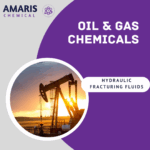 Hydraulic Fracturing Fluids
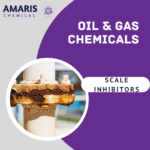 Scale Inhibitors(oil)
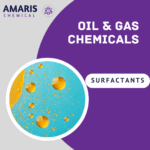 Surfactants(oil)
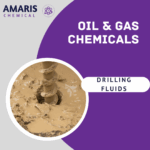 Drilling Fluids

 Dyes and Pigments
 Bleaching Agents
 Softening Agents
 Finishing Agents
 Antistatic Agents

 Admixtures
 Waterproofing Agents
 Sealants and Adhesives
 Curing Compounds
 Concrete Repair Chemicals
 Anti-Corrosion Coatings

 Surfactants(cleaning)
 Builders
 Enzymes
 Solvents (Cleaning)

 Electronic Chemicals
 Catalysts
 Lubricants
 Photographic Chemicals
 Refrigerants
 Automotive chemicals
 Pyrotechnic Chemicals

 Biodegradable Surfactants
 Bio-based Solvents
 Renewable Polymers
 Carbon Capture Chemicals
 Wastewater Treatment Chemicals

 Pigments
 Solvents(paint)
 Specialty Coatings
 Binders/Resins
 Additives
 Driers
 Anti-Corrosion Agents
 Functional Coatings
 Application-Specific Coatings

 Leavening Agents
 Dough Conditioners
 Flour Treatments
 Fat Replacers
 Decoratives
 Preservatives(baking)

 Plasticizers & Softeners
 Reinforcing Agents
 Adhesion Promoters
 Vulcanizing Agents
 Antidegradants
 Blowing Agents
 Fillers & Extenders
 Accelerators & Retarders

The Growing Importance of Chemical Compliance in African Manufacturing 🧪🏭


Africa’s manufacturing sector continues to evolve, with industries ranging from food processing and construction to pharmaceuticals, mining, cosmetics, and textiles creating growing demand for chemical raw materials. As production expands and businesses enter new markets, chemical compliance is becoming essential for protecting workers, maintaining product quality, and meeting regulatory requirements.
From proper labelling and safe storage to accurate documentation and responsible chemical handling, compliance helps manufacturers manage risks while building trust with customers, suppliers, and regulators. 🌍
What Is Chemical Compliance?
Chemical compliance means meeting the applicable laws, regulations, standards, and safety requirements governing chemicals throughout their supply chain.
Depending on the chemical and its intended use, these requirements may cover importation, transportation, storage, workplace handling, product quality, environmental protection, labelling, and disposal.
Manufacturers and chemical distributors may need to maintain documentation such as Safety Data Sheets (SDSs), technical specifications, certificates of analysis, and appropriate hazard labels.
Requirements differ between countries, industries, and product categories. Businesses must therefore understand which rules apply to the specific chemicals they manufacture, import, distribute, or use.
Protecting Workers and Manufacturing Facilities 🥽
Many industrial chemicals require specific precautions because of their hazardous properties. Some may be corrosive, flammable, toxic, or reactive under particular conditions.
Compliance helps businesses establish appropriate procedures for storage, handling, personal protective equipment, ventilation, spill response, and emergency preparedness.
Proper chemical segregation is particularly important because incompatible substances may react if they accidentally come into contact.
These measures can reduce workplace risks, support employee training, and help prevent incidents that could interrupt production or damage equipment.
Maintaining Product Quality
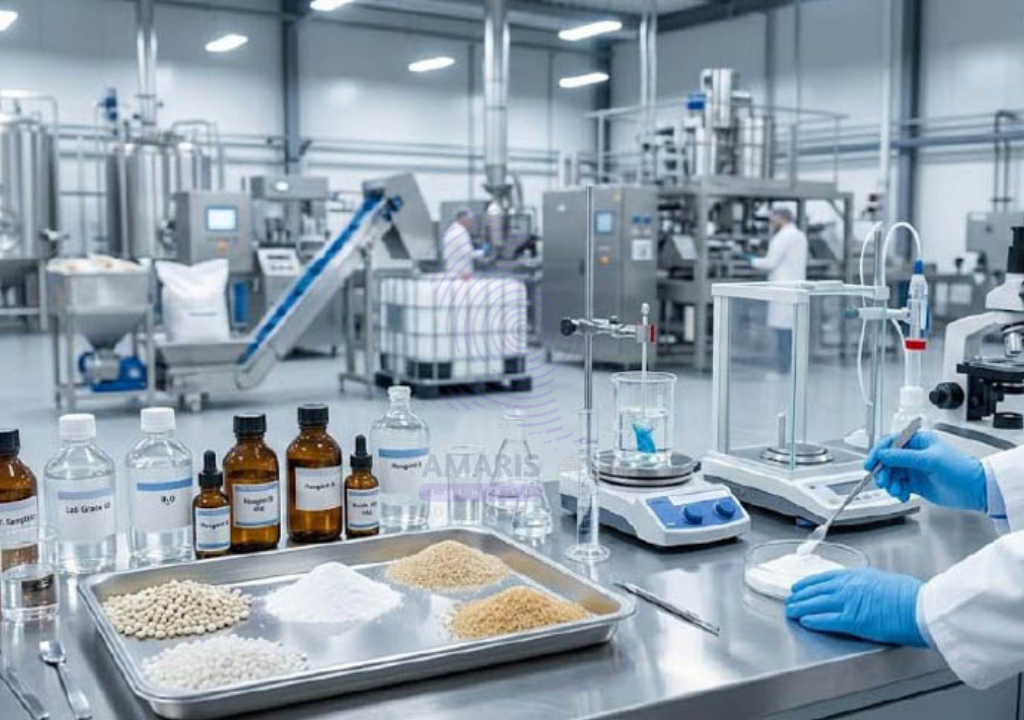
Chemical compliance is closely connected to quality control. Manufacturers need to ensure that incoming raw materials meet the required specifications and are suitable for their intended applications.
For example, a chemical used in food processing must meet the requirements applicable to that use, while laboratory reagents may need specific purity and performance characteristics.
Reliable supplier documentation, batch identification, testing, and traceability help businesses verify material quality and investigate problems when they arise. 🔬
Without appropriate controls, unsuitable raw materials may contribute to inconsistent products, failed quality checks, and costly production losses.


Supporting Trade Across African Markets
Cross-border trade creates opportunities for African manufacturers and chemical suppliers, but it can also introduce compliance challenges.
Different markets may apply different requirements for chemical classification, labelling, documentation, import permits, transportation, and environmental management.
Businesses exporting products must understand the rules in their destination markets rather than assuming that compliance in their home country is sufficient.
Consistent documentation and reliable quality systems can help reduce delays, improve supply-chain transparency, and strengthen relationships with international customers.
Environmental Responsibility and Waste Management ♻️
Chemical compliance also involves preventing pollution and managing chemical waste responsibly.
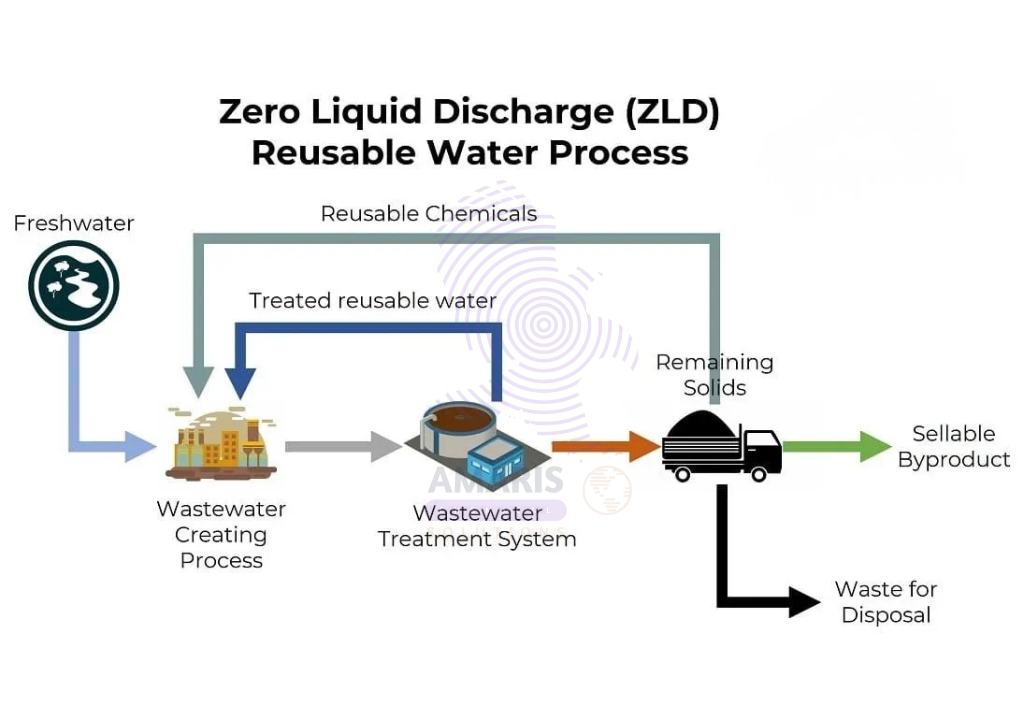
Manufacturing activities can generate wastewater, contaminated packaging, residues, and other materials requiring appropriate treatment or disposal. Businesses must identify these materials, assess relevant hazards, and follow applicable environmental requirements.
Where technically and legally appropriate, recovery, recycling, and reuse can help reduce waste and improve resource efficiency.
Responsible chemical management therefore supports both environmental protection and more sustainable manufacturing practices.
Chemical Compliance in Kenya 🇰🇪
For Kenyan manufacturers and chemical businesses, compliance may involve several authorities and regulatory frameworks, depending on the product, activity, and industry.
Relevant bodies can include the Kenya Bureau of Standards (KEBS), the National Environment Management Authority (NEMA), the Directorate of Occupational Safety and Health Services (DOSHS), and the Pharmacy and Poisons Board for applicable pharmaceutical products.
Importers and distributors may also need to consider customs requirements, applicable product standards, and chemical-specific controls.
Because obligations vary, businesses should verify current requirements with the relevant authorities before importing, manufacturing, distributing, or using regulated chemicals.
Building a Compliance-Ready Manufacturing Industry
Effective compliance should be part of everyday operations rather than a last-minute exercise before an inspection.
Businesses can strengthen their systems by maintaining updated documentation, training employees, reviewing suppliers, monitoring chemical inventories, conducting risk assessments, and regularly checking applicable regulatory requirements.
For Africa’s growing manufacturing sector, these practices can improve safety, support consistent quality, strengthen market access, and encourage responsible industrial development. 🌍
Ultimately, chemical compliance is not simply about following rules—it is about building safer operations, reliable products, and stronger businesses. As African manufacturing continues to expand, responsible chemical management will remain an important foundation for long-term growth.