 Preservatives(food)
 Flavors
 Acidulants
 Sweeteners
 Antioxidants
 Colorants(food)
 Nutraceutical Ingredients (food)
 Nutrient Supplements
 Emulsifiers

 Collectors
 Dust Suppressants
 Explosives and Blasting Agents
 Flocculants and Coagulants
 Frothers
 Leaching Agents
 pH Modifiers
 Precious Metal Extraction Agents
 Antioxidants(plastic)
 Colorants (Pigments, Dyes)
 Fillers and Reinforcements
 Flame Retardants
 Monomers
 Plasticizers
 Polymerization Initiators
 Stabilizers (UV, Heat)

 Antifoaming Agents
 Chelating Agents
 Coagulants and Flocculants
 Corrosion Inhibitors
 Disinfectants and Biocides
 Oxidizing Agents
 pH Adjusters
 Scale Inhibitors( water)

 Antioxidants(cosmetic)
 Emollients
 Oils
 Carrier Oills
 Essential Oils
 Humectants
 Preservatives
 Surfactants(cosmetic)
 Thickeners
 UV Filters
 Fragrance (Cosmetics)

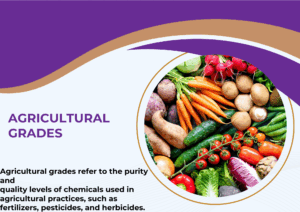
 Fertilizers
 Soil Conditioners
 Plant Growth Regulators
 Animal Feed Additives
 Biostimulants
 Pesticides (Herbicides, Insecticides, Fungicides)
 Active Pharmaceutical Ingredients (APIs)
 Excipients
 Solvents(pharmaceutical)
 Antibiotics
 Antiseptics and Disinfectants
 Vaccine Adjuvants
 Nutraceutical Ingredients (pharmaceutical)
 Analgesics & Antipyretics
 Analytical Reagents
 Solvents(lab)
 Chromatography Chemicals
 Spectroscopy Reagents
 microbiology-and-cell-culture-reagents
 Molecular Biology Reagents
 Biochemical Reagents
 Inorganic and Organic Standards
 Laboratory Safety Chemicals
 Specialty Laboratory Chemicals(Special Laboratory Equipment)
 Demulsifiers
 Hydraulic Fracturing Fluids
 Scale Inhibitors(oil)
 Surfactants(oil)
 Drilling Fluids

 Dyes and Pigments
 Bleaching Agents
 Softening Agents
 Finishing Agents
 Antistatic Agents
 Admixtures
 Waterproofing Agents
 Sealants and Adhesives
 Curing Compounds
 Concrete Repair Chemicals
 Anti-Corrosion Coatings

 Surfactants(cleaning)
 Builders
 Enzymes
 Solvents (Cleaning)
 Electronic Chemicals
 Catalysts
 Lubricants
 Photographic Chemicals
 Refrigerants
 Automotive chemicals
 Pyrotechnic Chemicals
 Biodegradable Surfactants
 Bio-based Solvents
 Renewable Polymers
 Carbon Capture Chemicals
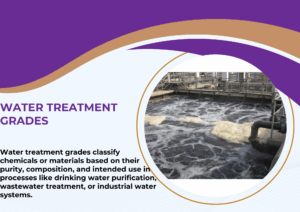
 Wastewater Treatment Chemicals

 Pigments
 Solvents(paint)
 Specialty Coatings
 Binders/Resins
 Additives
 Driers
 Anti-Corrosion Agents
 Functional Coatings
 Application-Specific Coatings

 Leavening Agents
 Dough Conditioners
 Flour Treatments
 Fat Replacers
 Decoratives
 Preservatives(baking)

 Plasticizers & Softeners
 Reinforcing Agents
 Adhesion Promoters
 Vulcanizing Agents
 Antidegradants
 Blowing Agents
 Fillers & Extenders
 Accelerators & Retarders

Why Chemical Specifications Matter: Purity, Grade, Concentration and Performance Explained 🧪🔬


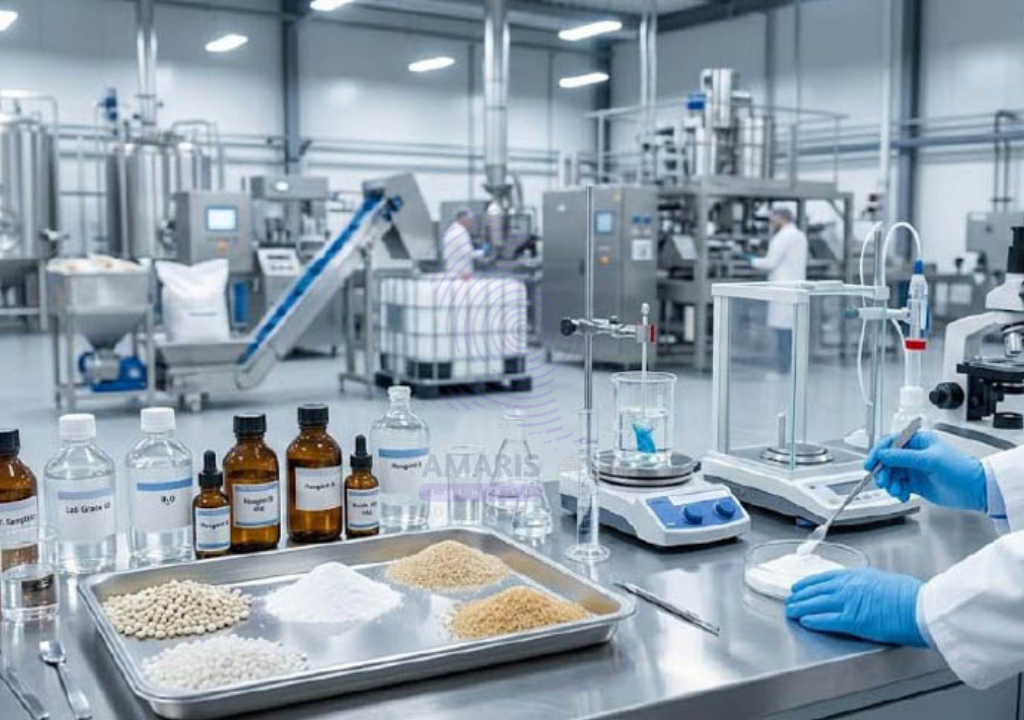
In chemical manufacturing, laboratory testing, and industrial production, choosing the right chemical involves more than knowing its name. Two products may share the same chemical name but differ in purity, concentration, grade, or performance. These differences can influence product quality, process efficiency, safety, and overall production costs.
Chemical specifications provide the essential information businesses need to determine whether a chemical is suitable for its intended application. Understanding these specifications helps manufacturers, laboratories, and other industries make informed purchasing and production decisions.
What Are Chemical Specifications?
Chemical specifications are defined requirements describing the identity, quality, composition, and properties a chemical must meet.
Depending on the product, specifications may include appearance, purity, concentration, moisture content, pH, impurity limits, density, and other relevant characteristics.
Suppliers may provide this information through product data sheets, technical specifications, certificates of analysis, and safety data sheets. Each document serves a different purpose, helping users understand a product’s properties, verified quality, and handling requirements.
1. Chemical Purity: How Much of the Substance Is Present? 🔬
Purity refers to the proportion of the desired chemical substance in a material, taking into account how the remaining composition is defined and measured.
For example, a chemical described as 99% pure generally meets a stated purity level according to the applicable test method. The remaining portion may include water, impurities, or other components, depending on the material and specification.
High purity is particularly important in analytical laboratories, pharmaceutical manufacturing, electronics, and applications where small amounts of contaminants can affect results or product performance.
However, higher purity is not automatically necessary for every application. Selecting a suitable purity level depends on the process requirements and the consequences of impurities.
2. Chemical Grade: Is It Suitable for the Application?
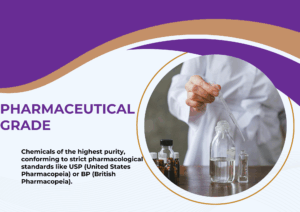
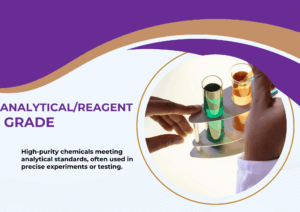
Chemical grade indicates the quality level or intended suitability of a chemical for a particular use. Common descriptions include industrial grade, technical grade, laboratory grade, analytical reagent grade, food grade, and pharmaceutical grade.
Industrial-grade chemicals are often suitable for manufacturing processes where the relevant industrial specifications are met. Analytical reagent grades are designed for laboratory applications requiring controlled quality, while food and pharmaceutical applications have their own applicable requirements.
Grade names and standards can vary between suppliers and products. Therefore, businesses should review the actual specification rather than relying on the grade label alone.
Choosing an unsuitable grade may introduce unwanted impurities, affect testing accuracy, or create compliance concerns.
3. Concentration: How Strong Is the Chemical Solution?
Concentration describes the amount of a substance present in a mixture or solution. It may be expressed as a percentage, molarity, mass per unit volume, or another recognised measurement.
For example, hydrochloric acid is commercially available in different concentrations. A manufacturer requiring a particular concentration must ensure that the supplied product matches the process specification.
Concentration can affect reaction rates, formulation performance, pH, and other process characteristics. It can also influence handling precautions, so the relevant safety information must always be reviewed.
Purity and concentration are not interchangeable: purity generally describes the composition of a material, while concentration describes how much of a particular component is present in a mixture or solution.


4. Performance: Does the Chemical Deliver the Required Results? 🏭
A chemical may meet its stated purity and concentration specifications yet still need to be evaluated for its intended function.
Performance depends on factors such as formulation, compatibility, processing conditions, and the properties being measured.
For example, pigments may be assessed for colour strength and dispersion, surfactants for their cleaning or foaming properties, and water-treatment chemicals for their effectiveness under the intended treatment conditions.
Performance testing helps businesses determine whether a chemical is appropriate for a specific application rather than relying solely on its chemical identity.
Why Specifications Matter in Manufacturing
Incorrect or inconsistent chemical specifications can contribute to production defects, rejected batches, unnecessary waste, and increased operating costs.
By verifying specifications before purchasing and using chemicals, businesses can improve raw-material control, maintain consistency between batches, and reduce avoidable production problems.
Manufacturers should also check batch-specific certificates of analysis where applicable, confirm that test methods meet their needs, and ensure that storage and handling conditions preserve product quality.
Making Better Chemical Purchasing Decisions 🌍
For Kenya’s manufacturing and laboratory sectors, understanding chemical specifications can support better sourcing and more reliable production.
Before purchasing a chemical, businesses should identify the required grade, purity, concentration, performance criteria, documentation, and safety requirements. Comparing these factors helps ensure that the selected product meets the actual needs of the application.
Ultimately, the best chemical is not necessarily the purest or most expensive. It is the chemical that meets the required specifications, performs reliably, and is suitable for its intended use.
Understanding purity, grade, concentration, and performance allows businesses to make smarter purchasing decisions, improve quality control, and build greater confidence in their products. 🧪🔬