

 Preservatives(food)
 Flavors
 Acidulants
 Sweeteners
 Antioxidants
 Colorants(food)
 Nutraceutical Ingredients (food)
 Nutrient Supplements
 Emulsifiers
 Collectors
 Dust Suppressants
 Explosives and Blasting Agents
 Flocculants and Coagulants
 Frothers
 Leaching Agents
 pH Modifiers
 Precious Metal Extraction Agents
 Antioxidants(plastic)
 Colorants (Pigments, Dyes)
 Fillers and Reinforcements
 Flame Retardants
 Monomers
 Plasticizers
 Polymerization Initiators
 Stabilizers (UV, Heat)
 Antifoaming Agents
 Chelating Agents
 Coagulants and Flocculants
 Corrosion Inhibitors
 Disinfectants and Biocides
 Oxidizing Agents
 pH Adjusters
 Scale Inhibitors( water)
 Antioxidants(cosmetic)
 Emollients
 Oils
Oils Carrier Oills
 Essential Oils
 Humectants
 Preservatives
 Surfactants(cosmetic)
 Thickeners
 UV Filters
 Fragrance (Cosmetics)
 Fertilizers
 Soil Conditioners
 Plant Growth Regulators
 Animal Feed Additives
 Biostimulants
 Pesticides (Herbicides, Insecticides, Fungicides)
 Active Pharmaceutical Ingredients (APIs)
 Excipients
 Solvents(pharmaceutical)
 Antibiotics
 Antiseptics and Disinfectants
 Vaccine Adjuvants
 Nutraceutical Ingredients (pharmaceutical)
 Analgesics & Antipyretics
 Analytical Reagents
 Solvents(lab)
 Chromatography Chemicals
 Spectroscopy Reagents
 microbiology-and-cell-culture-reagents
 Molecular Biology Reagents
 Biochemical Reagents
 Inorganic and Organic Standards
 Laboratory Safety Chemicals
 Specialty Laboratory Chemicals(Special Laboratory Equipment)
 Demulsifiers
 Hydraulic Fracturing Fluids
 Scale Inhibitors(oil)
 Surfactants(oil)
 Drilling Fluids
 Dyes and Pigments
 Bleaching Agents
 Softening Agents
 Finishing Agents
 Antistatic Agents
 Admixtures
 Waterproofing Agents
 Sealants and Adhesives
 Curing Compounds
 Concrete Repair Chemicals
 Anti-Corrosion Coatings
 Surfactants(cleaning)
 Builders
 Enzymes
 Solvents (Cleaning)
 Electronic Chemicals
 Catalysts
 Lubricants
 Photographic Chemicals
 Refrigerants
 Automotive chemicals
 Pyrotechnic Chemicals
 Biodegradable Surfactants
 Bio-based Solvents
 Renewable Polymers
 Carbon Capture Chemicals
 Wastewater Treatment Chemicals
 Pigments
 Solvents(paint)
 Specialty Coatings
 Binders/Resins
 Additives
 Driers
 Anti-Corrosion Agents
 Functional Coatings
 Application-Specific Coatings
 Leavening Agents
 Dough Conditioners
 Flour Treatments
 Fat Replacers
 Decoratives
 Preservatives(baking)
 Plasticizers & Softeners
 Reinforcing Agents
 Adhesion Promoters
 Vulcanizing Agents
 Antidegradants
 Blowing Agents
 Fillers & Extenders
 Accelerators & Retarders



Yuzu Oil
Yuzu Oil is a fragrant essential oil extracted via cold pressing or steam distillation from the peel of the Citrus junos fruit, a citrus species native to East Asia, especially Japan, Korea, and China. Revered for its fresh, citrusy, and slightly floral aroma, Yuzu Oil offers a unique blend of tart grapefruit, mandarin, and subtle floral notes. It is rich in natural constituents like limonene, gamma-terpinene, and alpha-pinene, providing antioxidant, anti-inflammatory, and mood-enhancing properties. Widely valued in aromatherapy and personal care, Yuzu Oil is used in wellness products, cosmetic formulations, luxury perfumery, and eco-friendly household goods for its uplifting scent and skin benefits.
Yuzu Oil
Primary Uses
- Aromatherapy & Wellness
- Diffused to relieve anxiety, emotional fatigue, and stress
- Used in bath rituals and spa therapies for mental clarity and mood elevation
- Blended into massage oils to energize the senses and improve circulation
- Incorporated into mindfulness and meditation oils to support calm focus
- Applied in seasonal blends to reduce symptoms of winter fatigue and mental fog
- Cosmetics and Personal Care
- Added to perfumes and body sprays for a refreshing, citrus-forward aroma
- Used in facial cleansers and toners for brightening and purifying benefits
- Included in bath salts and body scrubs for a revitalizing spa-like experience
- Blended into shampoos and conditioners for scalp freshness and a zesty scent
- Incorporated in skin creams and serums for toning and rejuvenating effects
- Used in deodorants and body lotions for its odor-neutralizing properties
- Applied in lip balms and hand creams for hydration and a light citrus scent
- Topical Applications
- Diluted in carrier oils for skin-brightening and toning massage treatments
- Used in compresses or lotions to relieve muscle tightness and inflammation
- Blended into insect repellent sprays due to its citrus content and scent
Secondary Uses
- Cleaning and Detergent Products
- Incorporated into surface cleaners and sprays for its fresh, antimicrobial action
- Used in laundry detergents and fabric refreshers for a clean citrus fragrance
- Added to dishwashing liquids and hand soaps for odor-fighting and scenting
- Spa and Therapeutic Products
- Included in bath bombs, oils, and salts for mood-lifting and skin-nourishing benefits
- Used in sauna oils and diffuser blends for calming, energizing environments
- Blended into muscle-relaxing creams and balms for post-exercise use
- Fragrance and Ambient Scenting
- Used as a top note in natural and luxury perfumes
- Added to candles, wax melts, and room sprays to create a crisp, citrus atmosphere
- Incorporated in holiday and spring-themed fragrance collections
- Applied in fabric and linen sprays for a clean, uplifting scent
- Pet and Animal Care
- Occasionally added (in low concentrations and with care) to pet-safe room sprays and grooming products for odor control
- Industrial and Specialty Applications
- Used in citrus-themed and Asian-inspired fragrance lines in cosmetics and wellness products
- Incorporated in scented packaging, sachets, and branding tools for luxury goods
1. Basic Identification Attributes
- Botanical Name: Citrus junos
- Common/Trade Name: Yuzu Oil
- INCI Name: Citrus Junos Peel Oil
- CAS Number: 233683-84-6
- HS Code: 3301.19
- Synonyms: Citrus Junos Oil, Yuzu Essential Oil
2. Physical & Chemical Properties
- Physical State: Liquid essential oil
- Color & Odor: Pale yellow to orange; tart, citrusy, and slightly floral scent
- Solubility: Insoluble in water; soluble in alcohol and fixed oils
- Refractive Index: 1.470 – 1.480
- Specific Gravity: 0.870 – 0.910
- Main Components: Limonene, gamma-terpinene, alpha-pinene, myrcene
3. Safety & Hazard Attributes
- GHS Classification: May cause skin sensitivity; phototoxic in high concentrations
- Toxicity: Low toxicity when properly diluted; for external use only
- Exposure Limits: Refer to Safety Data Sheet (SDS)
- Allergen Information: Contains limonene and other naturally occurring allergens
4. Storage & Handling Attributes
- Storage Conditions: Store in a cool, dry, and dark environment away from heat
- Container Type: Amber glass or aluminum containers with secure closures
- Shelf Life: 12 to 24 months if stored properly
- Handling Precautions: Use gloves during handling; avoid sunlight after application on skin due to phototoxicity
5. Regulatory & Compliance Attributes
- Compliant with IFRA fragrance use guidelines
- Manufactured in GMP-compliant facilities
- Not classified as hazardous for standard shipping
6. Environmental & Health Impact
- Biodegradability: Readily biodegradable
- Ecotoxicity: Low aquatic toxicity at normal usage concentrations
- Bioaccumulation: Not expected to bioaccumulate
Safety Handling Precautions
- PPE Required: Gloves and goggles in industrial or bulk applications
- Handling Guidelines: Avoid contact with eyes and mucous membranes; do not expose treated skin to UV immediately
First Aid Measures
- Inhalation: Move to fresh air; consult medical attention if needed
- Skin Contact: Wash thoroughly; discontinue use if irritation or rash appears
- Eye Contact: Rinse immediately with clean water for at least 15 minutes
- Ingestion: Rinse mouth; do not induce vomiting; seek medical attention
Firefighting Measures
- Fire Hazards: Flammable liquid and vapor
- Extinguishing Media: Foam, dry chemical, carbon dioxide, water spray
- Special Precautions: Use full protective gear and self-contained breathing apparatus
- Hazardous Combustion Products: Carbon monoxide, carbon dioxide, and citrus-derived hydrocarbons
Related products
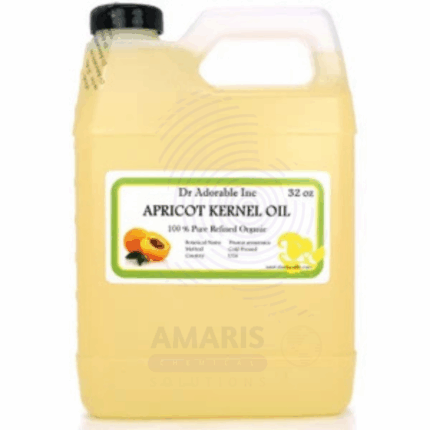
Apricot Fragrance Oil
Apricot Fragrance Oil is a concentrated synthetic blend designed to replicate the sweet, mellow, and slightly tangy scent of fresh apricots. This versatile fragrance oil is widely used in the cosmetic, personal care, and home care industries for its comforting and fruity aroma. It offers excellent scent retention and formulation compatibility across oil- and alcohol-based systems. With its warm, inviting character, Apricot Fragrance Oil enhances the sensory experience in a wide variety of end products, from skin care to environmental fragrance.
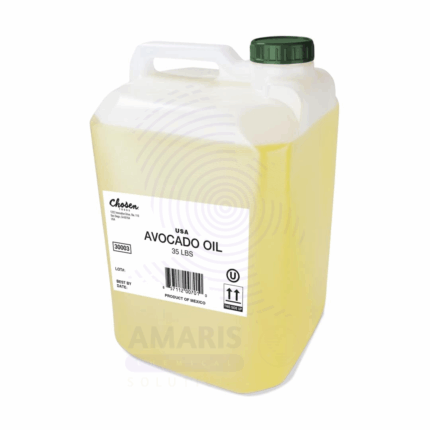
Avocado Fragrance Oil
Avocado Fragrance Oil is a rich, creamy scent that mimics the fresh, buttery aroma of ripe avocados. This oil-soluble fragrance delivers a smooth, natural green note with subtle hints of nutty and fruity undertones, making it ideal for a variety of personal care and cosmetic products. Its excellent stability and moderate intensity ensure long-lasting fragrance performance in creams, lotions, soaps, and bath products. Avocado Fragrance Oil adds a fresh and comforting aroma that appeals to customers seeking natural and nourishing scent profiles.

Bubble Gum Fragrance Oil
Bubble Gum Fragrance Oil is a high-quality aromatic oil designed to impart the classic sweet, fruity, and nostalgic scent of bubble gum. This fragrance oil is widely used in a variety of personal care and household products to provide a fun and playful aroma. It is carefully formulated for stability and long-lasting scent performance, making it ideal for use in soaps, candles, air fresheners, and cosmetic formulations.
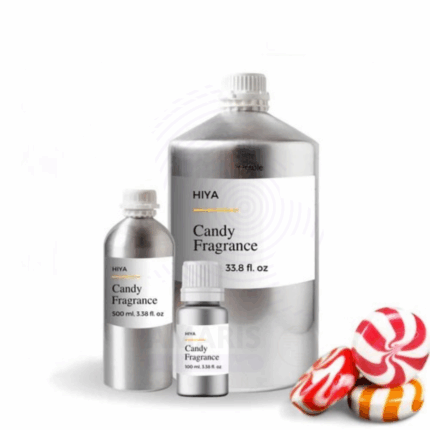
Candy Crush Fragrance Oil
Candy Crush Fragrance Oil is a sweet, gourmand fragrance that captures the irresistible aroma of sugary candy with hints of fruitiness and vanilla undertones. This oil-soluble fragrance is crafted to provide a warm, inviting scent that enhances various personal care and cosmetic products. Known for its excellent stability and strong sillage, Candu Crush is ideal for use in products where a rich, sweet aroma is desired, such as candles, lotions, soaps, and bath essentials.

Cardamon Oil
Cardamon Oil is a premium essential oil steam-distilled from the seeds of Elettaria cardamomum, a plant native to India and Sri Lanka and widely cultivated across tropical regions. It carries a warm, spicy-sweet aroma with hints of eucalyptus and citrus, and ranges from colorless to pale yellow in appearance. Known for its digestive, antiseptic, expectorant, and uplifting qualities, it is valued in aromatherapy, perfumery, cosmetics, pharmaceuticals, and food applications.
Rich in compounds like cineole (1,8-cineole), α-terpineol, and linalyl acetate, Cardamom Oil provides both flavor and therapeutic effects, making it a versatile ingredient across several industries.
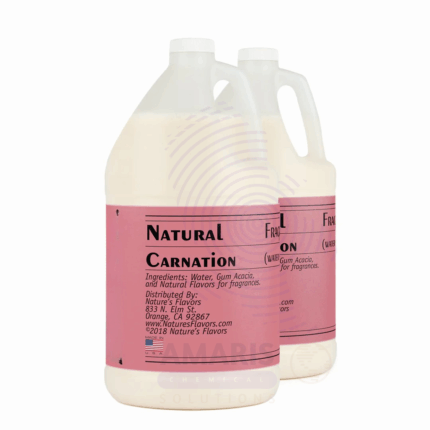
Carnation Water Soluble Fragrance
Carnation Water Soluble Fragrance is a delicately formulated aromatic blend that captures the spicy-floral essence of carnation petals in a water-compatible form. This fragrance is designed to dissolve completely in water-based systems without clouding or separation, making it ideal for use in a variety of personal care, household, and specialty applications. Its classic floral character imparts a soft, comforting scent, perfect for enhancing the sensory appeal of creams, sprays, cleansers, and other aqueous formulations. Known for its elegance and freshness, Carnation Fragrance adds a timeless aroma profile to any product.

Cedarwood Oil
Cedarwood Oil is an essential oil extracted primarily through steam distillation of the wood, stumps, or sawdust of various cedar tree species, most commonly Cedrus atlantica, Juniperus virginiana, or Cedrus deodara. It features a warm, woody, balsamic aroma with subtle earthy notes. Rich in sesquiterpenes and cedrol, Cedarwood Oil is widely valued for its calming, antiseptic, insecticidal, and anti-inflammatory properties. It finds diverse applications in cosmetics, aromatherapy, natural perfumery, household cleaning, and agricultural pest control. Its grounding scent and skin benefits make it a common base note in personal care and wellness formulations.

Chamomile Oil
Chamomile Oil is a highly valued essential oil extracted from the flowers of the Matricaria chamomilla (German Chamomile) or Chamaemelum nobile (Roman Chamomile) through steam distillation or solvent extraction. Renowned for its calming, anti-inflammatory, and soothing properties, Chamomile Oil exhibits a sweet, fruity, herbaceous aroma with apple-like undertones. It is widely used in aromatherapy, cosmetics, pharmaceuticals, and natural wellness products. This oil supports skin health, reduces stress, and provides relief from various inflammatory conditions, making it a cornerstone in holistic health and beauty formulations.












