

 Preservatives(food)
 Flavors
 Acidulants
 Sweeteners
 Antioxidants
 Colorants(food)
 Nutraceutical Ingredients (food)
 Nutrient Supplements
 Emulsifiers
 Collectors
 Dust Suppressants
 Explosives and Blasting Agents
 Flocculants and Coagulants
 Frothers
 Leaching Agents
 pH Modifiers
 Precious Metal Extraction Agents
 Antioxidants(plastic)
 Colorants (Pigments, Dyes)
 Fillers and Reinforcements
 Flame Retardants
 Monomers
 Plasticizers
 Polymerization Initiators
 Stabilizers (UV, Heat)
 Antifoaming Agents
 Chelating Agents
 Coagulants and Flocculants
 Corrosion Inhibitors
 Disinfectants and Biocides
 Oxidizing Agents
 pH Adjusters
 Scale Inhibitors( water)
 Antioxidants(cosmetic)
 Emollients
 Oils
Oils Carrier Oills
 Essential Oils
 Humectants
 Preservatives
 Surfactants(cosmetic)
 Thickeners
 UV Filters
 Fragrance (Cosmetics)
 Fertilizers
 Soil Conditioners
 Plant Growth Regulators
 Animal Feed Additives
 Biostimulants
 Pesticides (Herbicides, Insecticides, Fungicides)
 Active Pharmaceutical Ingredients (APIs)
 Excipients
 Solvents(pharmaceutical)
 Antibiotics
 Antiseptics and Disinfectants
 Vaccine Adjuvants
 Nutraceutical Ingredients (pharmaceutical)
 Analgesics & Antipyretics
 Analytical Reagents
 Solvents(lab)
 Chromatography Chemicals
 Spectroscopy Reagents
 microbiology-and-cell-culture-reagents
 Molecular Biology Reagents
 Biochemical Reagents
 Inorganic and Organic Standards
 Laboratory Safety Chemicals
 Specialty Laboratory Chemicals(Special Laboratory Equipment)
 Demulsifiers
 Hydraulic Fracturing Fluids
 Scale Inhibitors(oil)
 Surfactants(oil)
 Drilling Fluids
 Dyes and Pigments
 Bleaching Agents
 Softening Agents
 Finishing Agents
 Antistatic Agents
 Admixtures
 Waterproofing Agents
 Sealants and Adhesives
 Curing Compounds
 Concrete Repair Chemicals
 Anti-Corrosion Coatings
 Surfactants(cleaning)
 Builders
 Enzymes
 Solvents (Cleaning)
 Electronic Chemicals
 Catalysts
 Lubricants
 Photographic Chemicals
 Refrigerants
 Automotive chemicals
 Pyrotechnic Chemicals
 Biodegradable Surfactants
 Bio-based Solvents
 Renewable Polymers
 Carbon Capture Chemicals
 Wastewater Treatment Chemicals
 Pigments
 Solvents(paint)
 Specialty Coatings
 Binders/Resins
 Additives
 Driers
 Anti-Corrosion Agents
 Functional Coatings
 Application-Specific Coatings
 Leavening Agents
 Dough Conditioners
 Flour Treatments
 Fat Replacers
 Decoratives
 Preservatives(baking)
 Plasticizers & Softeners
 Reinforcing Agents
 Adhesion Promoters
 Vulcanizing Agents
 Antidegradants
 Blowing Agents
 Fillers & Extenders
 Accelerators & Retarders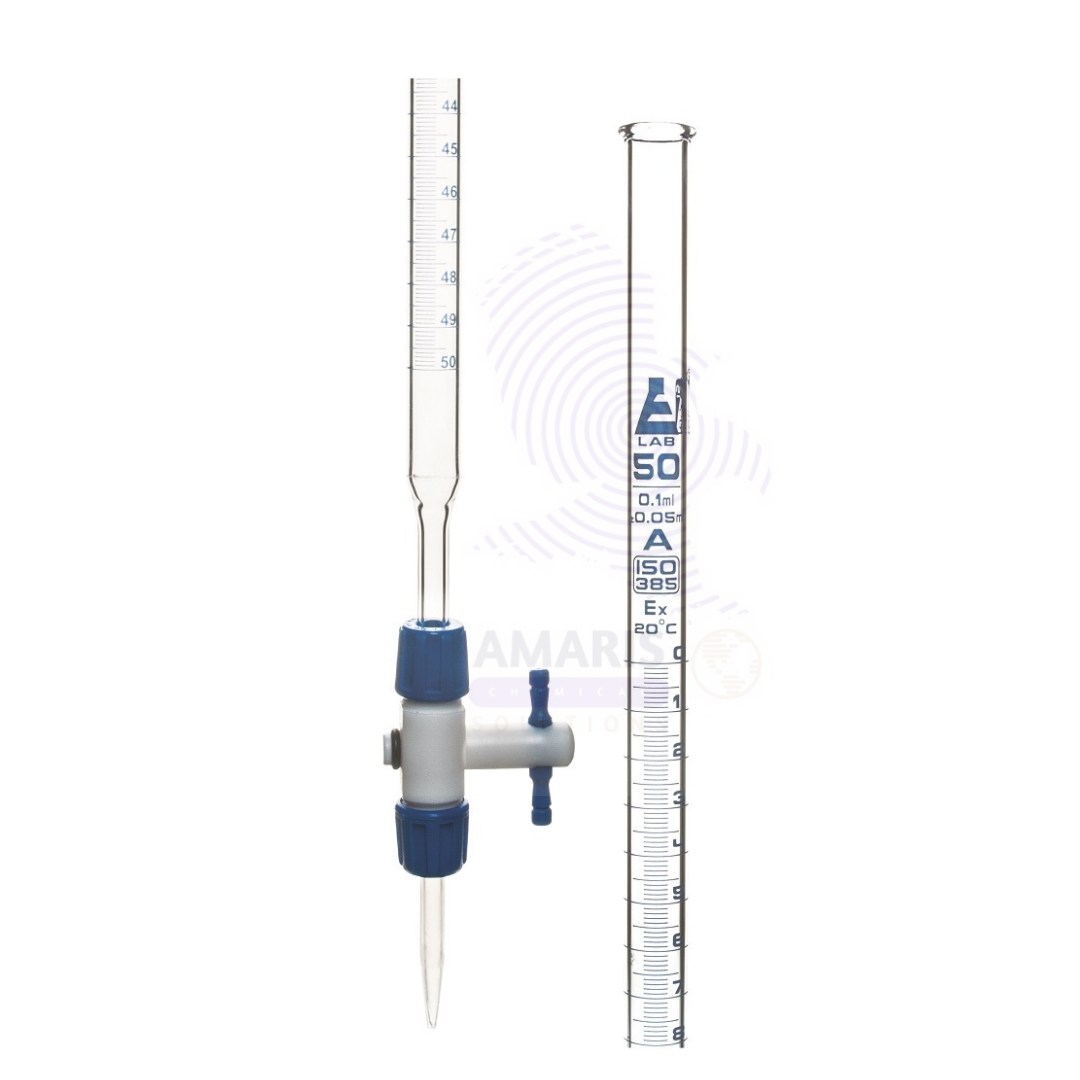


Burette PTFE
Original price was: $ 42.69.$ 42.57Current price is: $ 42.57.
The Burette PTFE is a high-quality laboratory burette constructed with a polytetrafluoroethylene (PTFE) stopcock and nozzle, providing excellent chemical resistance and durability. Known for its non-reactive and non-stick properties, PTFE ensures smooth and precise flow control during titration and other volumetric analyses. This burette is ideal for handling corrosive and aggressive chemicals, maintaining accuracy and reliability in laboratory measurements.
Burette PTFE
Primary Uses
- Laboratory Applications
- Used in volumetric titration to dispense precise amounts of liquid reagents.
- Ideal for titrations involving corrosive acids, bases, and organic solvents due to PTFE’s chemical resistance.
- Employed in analytical chemistry for quantitative analysis requiring exact volume measurement.
- Utilized in educational and research laboratories for precise liquid handling.
Secondary Uses
- Industrial Applications
- Used in quality control labs in chemical manufacturing for reagent dispensing.
- Applied in pharmaceutical and food industries for precise liquid formulation and testing.
1.Basic Identification Attributes
- Material: Glass body with PTFE stopcock and nozzle
- Function: Precise liquid dispensing and flow control in titration
- Compatibility: Standard laboratory use
2.Physical & Chemical Properties
- Chemical Resistance: Highly resistant to acids, bases, solvents, and corrosive substances
- Durability: Long-lasting, resistant to wear and chemical degradation
- Volume: Typically ranges from 10 ml to 100 ml
3.Safety & Hazard Attributes
- Risks: Minimal; handle carefully to avoid glass breakage
- Toxicity: Non-toxic materials
- Allergens: None identified
4.Storage & Handling Attributes
- Store in a protective case to avoid damage
- Handle with care due to glass components
5.Regulatory & Compliance Attributes
- Manufactured to meet laboratory standards for volumetric apparatus
- Compliant with safety and quality regulations
6.Environmental & Health Impact
- PTFE components are chemically inert; disposal according to local regulations
- Glass is recyclable
Safety Handling Precautions
- Use protective gloves and eyewear when handling chemicals with the burette
- Avoid sudden impacts to prevent breakage
First Aid Measures
- In case of glass breakage, treat cuts immediately
- Seek medical attention for serious injuries
Firefighting Measures
- PTFE is flame resistant; glass is non-flammable
- Use water spray, foam, or dry chemical extinguisher as needed
Related products
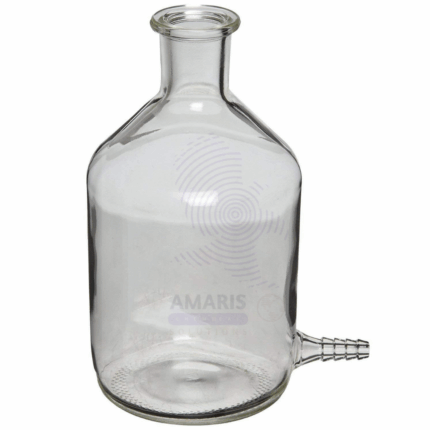
Aspirator Bottle Glass
Aspirator Bottle Glass is a durable, high-quality glass container designed specifically for use in laboratory suction and aspiration systems. These bottles are engineered to safely collect and contain liquids and aerosols during filtration, vacuum, or aspiration procedures. Made from chemically resistant glass, Aspirator Bottles offer excellent clarity and durability while withstanding the rigors of laboratory use. They typically feature secure screw caps or stopper closures that ensure leak-proof performance and easy handling. Widely used in medical, research, and industrial laboratories, Aspirator Bottle Glass is essential for safe fluid management in various applications.
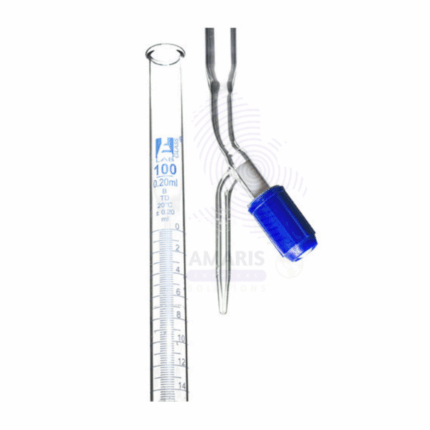
Burette rotaflow
Product Description
The Burette RotaFlow is a precision laboratory instrument designed for controlled and accurate dispensing of liquids during titration. Featuring a rotatable valve mechanism, it allows smooth flow adjustment and easy operation. Constructed from high-quality borosilicate glass with chemically resistant components, this burette ensures durability and precision, suitable for a wide range of laboratory applications involving acids, bases, and other reagents.
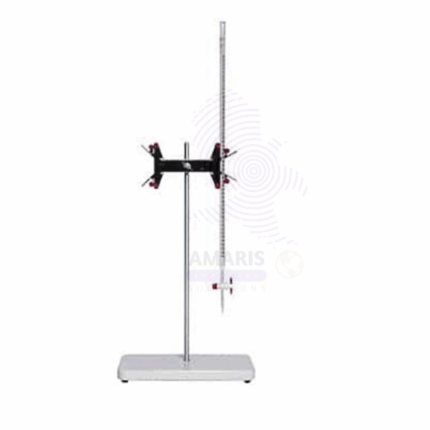
Complete burette stand
The Complete Burette Stand is a sturdy laboratory apparatus designed to securely hold burettes during titration and other volumetric experiments. Typically made of metal with a stable base, it features adjustable clamps and rods to accommodate different sizes of burettes and provide stability during precise liquid dispensing. Its durable construction ensures safety and accuracy in laboratory workflows.
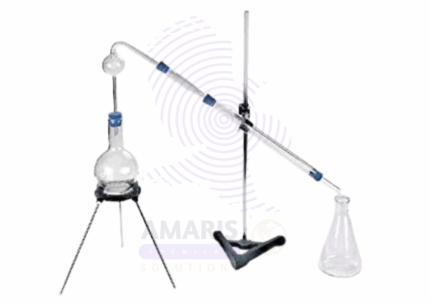
Complete Liebigs Distillation Apparatus
Complete Liebigs Distillation Apparatus is a classic laboratory setup used for the distillation of liquids by heating and subsequent condensation. It consists of a distillation flask, Liebig condenser, receiving flask, and necessary connecting joints. The Liebig condenser efficiently cools vapor back into liquid form using a water jacket. This apparatus is widely used in chemistry labs for purifying liquids, separating mixtures, and studying boiling points.

Dropper
Dropper is a small laboratory tool used to transfer precise volumes of liquids in drops. Typically composed of a glass or plastic tube with a squeezable rubber bulb at one end, the dropper allows controlled dispensing of liquids for experiments, titrations, or sample preparations. Its simple design enables easy handling and measurement of small quantities, making it indispensable in chemical, biological, pharmaceutical, and educational laboratories. Droppers are ideal for adding reagents dropwise, conducting qualitative tests, or transferring liquids without contamination.
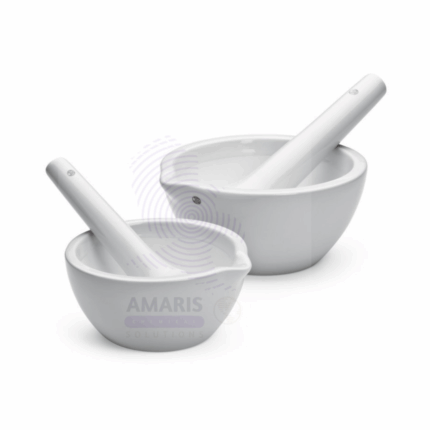
Mortar and pestle
Mortar and Pestle is a traditional laboratory apparatus consisting of a bowl (mortar) and a heavy club-shaped tool (pestle) used to manually grind, crush, and mix solid substances into fine powders or pastes. Made from durable materials such as ceramic, glass, porcelain, or stone, this tool facilitates the preparation of samples for chemical analysis, pharmaceutical compounding, and food laboratory testing. The mortar’s thick walls and the pestle’s sturdy design allow effective pulverization without contamination. Mortar and pestle sets are essential in laboratories for homogenizing powders, breaking down crystals, and preparing reagents and mixtures. Their simplicity and reliability make them a staple in chemistry, biology, pharmacology, and food science labs worldwide.
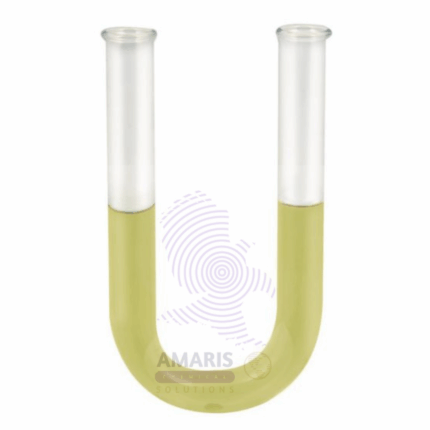
U tube lab glass
U Tube Lab Glass is a precision-crafted glass apparatus shaped in a U-form, widely used in laboratory experiments involving fluid dynamics, pressure measurement, and gas collection. Made from chemically resistant borosilicate glass, the U Tube offers excellent durability, thermal resistance, and clarity for easy observation of liquids and gases. It is commonly employed in physics, chemistry, and engineering labs for manometer setups, fluid flow experiments, and pressure differential measurements. The design ensures accurate and reliable results while withstanding the rigors of routine laboratory use.

U Tube Lab Glass With Side Arms
U Tube Lab Glass with Side Arms is a specialized U-shaped borosilicate glass apparatus featuring additional side arms for fluid or gas connections. Designed for laboratory experiments involving pressure measurement, fluid flow, and gas displacement, this device offers enhanced versatility. Made from chemically resistant, durable glass, it withstands temperature fluctuations and chemical exposure. The side arms facilitate easy integration with tubing and other equipment, enabling complex experimental setups in physics, chemistry, and engineering labs. It is widely used in manometer applications, vacuum experiments, and fluid dynamics research.












