

 Preservatives(food)
 Flavor Enhancers
 Acidulants
 Sweeteners
 Antioxidants
 Colorants(food)
 Nutraceutical Ingredients (food)
 Nutrient Supplements
 Emulsifiers
 Collectors
 Dust Suppressants
 Explosives and Blasting Agents
 Flocculants and Coagulants
 Frothers
 Leaching Agents
 pH Modifiers
 Precious Metal Extraction Agents
 Antioxidants(plastic)
 Colorants (Pigments, Dyes)
 Fillers and Reinforcements
 Flame Retardants
 Monomers
 Plasticizers
 Polymerization Initiators
 Stabilizers (UV, Heat)
 Antifoaming Agents
 Chelating Agents
 Coagulants and Flocculants
 Corrosion Inhibitors
 Disinfectants and Biocides
 Oxidizing Agents
 pH Adjusters
 Scale Inhibitors( water)
 Antioxidants(cosmetic)
 Emollients
 Fragrances and Essential Oils
 Humectants
 Preservatives
 Surfactants(cosmetic)
 Thickeners
 UV Filters
 Fertilizers
 Soil Conditioners
 Plant Growth Regulators
 Animal Feed Additives
 Biostimulants
 Pesticides (Herbicides, Insecticides, Fungicides)
 Active Pharmaceutical Ingredients (APIs)
 Excipients
 Solvents(pharmaceutical)
 Antibiotics
 Antiseptics and Disinfectants
 Vaccine Adjuvants
 Nutraceutical Ingredients (pharmaceutical)
 Analgesics & Antipyretics
 Analytical Reagents
 Solvents(lab)
 Chromatography Chemicals
 Spectroscopy Reagents
 microbiology-and-cell-culture-reagents
 Molecular Biology Reagents
 Biochemical Reagents
 Inorganic and Organic Standards
 Laboratory Safety Chemicals
 Specialty Laboratory Chemicals(Special Laboratory Equipment)
 Demulsifiers
 Hydraulic Fracturing Fluids
 Scale Inhibitors(oil)
 Surfactants(oil)
 Drilling Fluids
 Dyes and Pigments
 Bleaching Agents
 Softening Agents
 Finishing Agents
 Antistatic Agents
 Admixtures
 Waterproofing Agents
 Sealants and Adhesives
 Curing Compounds
 Concrete Repair Chemicals
 Anti-Corrosion Coatings
 Surfactants(cleaning)
 Builders
 Enzymes
 Solvents (Cleaning)
 Fragrances
 Electronic Chemicals
 Catalysts
 Lubricants
 Photographic Chemicals
 Refrigerants
 Automotive chemicals
 Pyrotechnic Chemicals
 Biodegradable Surfactants
 Bio-based Solvents
 Renewable Polymers
 Carbon Capture Chemicals
 Wastewater Treatment Chemicals
 Pigments
 Solvents(paint)
 Specialty Coatings
 Binders/Resins
 Additives
 Driers
 Anti-Corrosion Agents
 Functional Coatings
 Application-Specific Coatings
 Leavening Agents
 Dough Conditioners
 Flour Treatments
 Fat Replacers
 Decoratives
 Preservatives(baking)
 Plasticizers & Softeners
 Reinforcing Agents
 Adhesion Promoters
 Vulcanizing Agents
 Antidegradants
 Blowing Agents
 Fillers & Extenders
 Accelerators & Retarders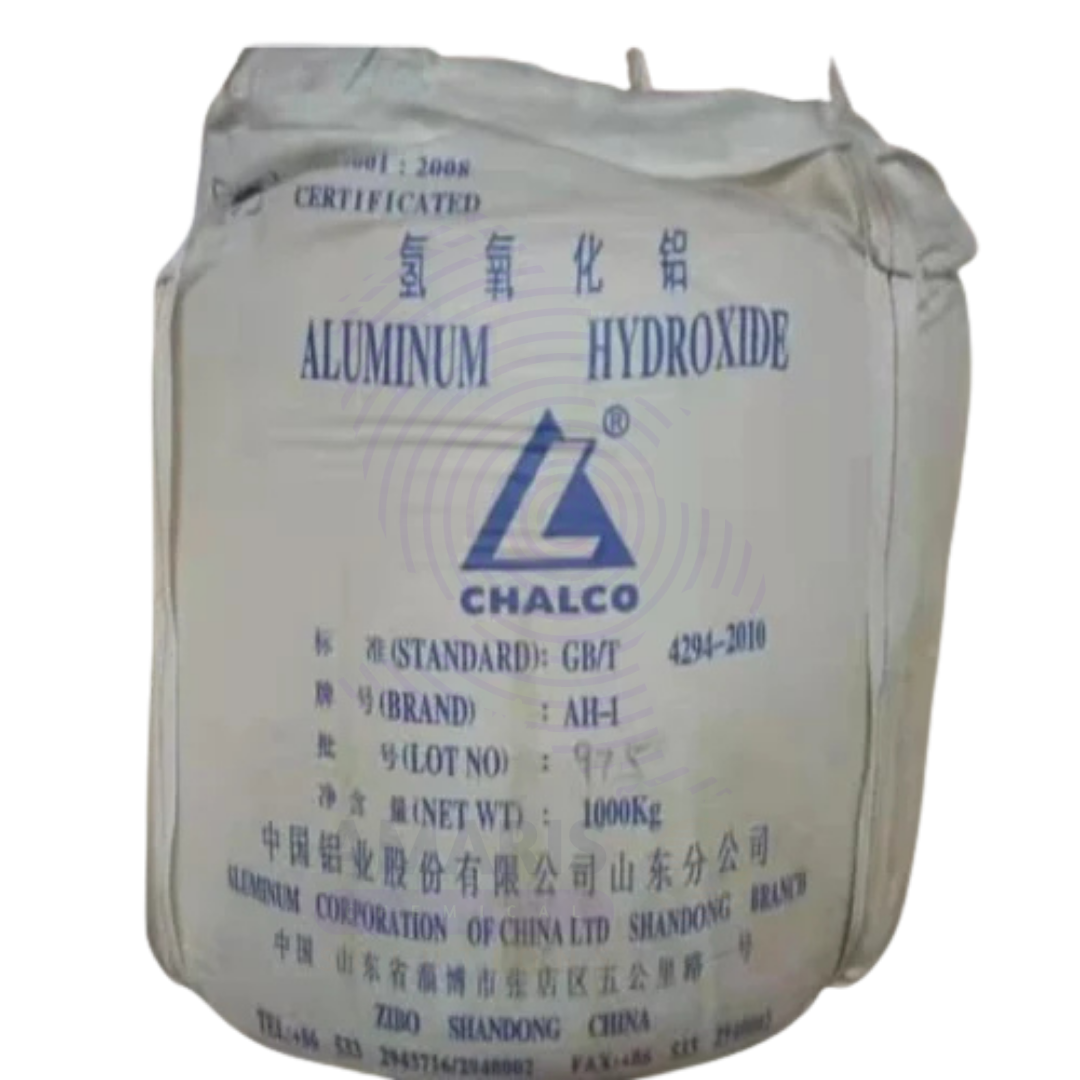


Aluminum hydroxide
Original price was: $ 1.89.$ 1.78Current price is: $ 1.78.
Aluminum Hydroxide, chemically known as Al(OH)₃, is a white, odorless, and odorless powder or gelatinous substance. It is widely used in pharmaceuticals as an antacid to neutralize stomach acid and relieve indigestion and heartburn. Beyond healthcare, aluminum hydroxide is a crucial component in water purification, fire retardants, and as a precursor or filler in various industrial applications. It functions as a flame retardant by releasing water upon heating, thus cooling the material and diluting flammable gases. Due to its amphoteric nature, it can react both as an acid and base, enhancing its versatility. Aluminum hydroxide is often utilized in manufacturing aluminum salts and in producing aluminum oxide.
Aluminum hydroxide
Primary Uses
- Pharmaceuticals
- Used as an active ingredient in antacids to treat acid indigestion, heartburn, and gastric ulcers by neutralizing excess stomach acid.
- Functions as a vaccine adjuvant in some immunizations, boosting the immune response.
- Water Treatment
- Used as a flocculant and coagulant aid in water purification to remove impurities and suspended solids.
- Helps in clarifying wastewater and industrial effluents.
- Fire Retardants
- Incorporated into plastics, rubber, and coatings as a flame retardant additive; decomposes endothermically releasing water, which cools surfaces and suppresses flames.
- Used in textiles and building materials to enhance fire resistance.
- Industrial Manufacturing
- Used as a filler in plastics, paper, rubber, and ceramics to improve product strength and durability.
- Precursor for producing alumina (Al₂O₃) and other aluminum compounds.
Secondary Uses
- Cosmetics & Personal Care
- Used in deodorants and antiperspirants as an active ingredient to reduce sweating.
- Acts as an abrasive and opacifying agent in some formulations.
- Catalysts
- Utilized as a catalyst or catalyst support in chemical reactions, including in petrochemical processes.
- Paints & Coatings
- Added to paints to improve durability and resistance to moisture and heat.
- Agriculture
- Used in soil conditioning and as a carrier for pesticides.
1. Basic Identification Attributes
- Chemical Name (IUPAC): Aluminum hydroxide
- Common/Trade Names: Aluminum hydroxide, hydrated alumina, alumina trihydrate
- CAS Number: 21645-51-2
- HS Code: 2818.10.00
- Molecular Formula: Al(OH)₃
- Synonyms: Hydrated aluminum oxide, alumina trihydrate (ATH)
2. Physical & Chemical Properties
- Physical State: White powder or gelatinous solid
- Color & Odor: White, odorless
- Melting Point: Decomposes at ~300°C (loses water, forms Al₂O₃)
- Boiling Point: N/A (decomposes before boiling)
- Density: ~2.42 g/cm³ (bulk density varies with form)
- Solubility: Insoluble in water; soluble in strong acids and alkalis
- pH Level: Amphoteric; typically slightly basic (~8.5 in water)
- Vapor Pressure: Negligible
- Flash Point: Non-flammable
- Autoignition Temperature: N/A
3. Safety & Hazard Attributes
- Hazard Class (GHS): Not classified as hazardous; generally regarded as safe (GRAS)
- NFPA Ratings: Health 1, Flammability 0, Reactivity 0
- Exposure Limits: OSHA PEL = 15 mg/m³ (total dust), ACGIH TLV = 10 mg/m³ (respirable dust)
- Reactivity: Stable under normal conditions; reacts with strong acids and bases
- Incompatibilities: Strong acids, alkalis, and reactive metals
4. Storage & Handling Attributes
- Storage Conditions: Store in a cool, dry, well-ventilated area; avoid moisture accumulation to prevent caking
- Container Type: Sealed plastic or metal containers with moisture barrier
- Shelf Life: Typically 2-3 years if stored properly
- Special Handling: Avoid dust generation; use appropriate PPE (dust masks, gloves, goggles)
5. Regulatory & Compliance Attributes
- Regulatory Status: Approved for pharmaceutical and food use in many countries
- Transportation: Not classified as hazardous for transport
- Waste Disposal: Dispose of in accordance with local environmental regulations
6. Environmental & Health Impact
- Ecotoxicity: Low toxicity to aquatic life; environmentally safe in typical use quantities
- Persistence: Stable, not readily biodegradable but non-toxic
- Carcinogenicity: Not classified as carcinogenic by IARC or OSHA
- Biodegradability: Inorganic compound, not biodegradable
Safety Handling Precautions
- PPE: Use gloves, dust masks, and eye protection to prevent irritation from dust.
- Handling: Minimize dust formation; handle in well-ventilated areas.
- Storage: Keep containers tightly closed and away from moisture and incompatible substances.
- Hygiene: Wash hands thoroughly after handling; avoid ingestion and inhalation.
First Aid Measures
- Inhalation: Move to fresh air; seek medical attention if coughing or respiratory discomfort persists.
- Skin Contact: Wash with soap and water; seek medical advice if irritation develops.
- Eye Contact: Rinse immediately with water for at least 15 minutes; consult a physician if irritation persists.
- Ingestion: Rinse mouth with water; seek medical attention if large quantities are ingested.
Firefighting Measures
- Fire Hazards: Aluminum hydroxide is non-flammable and does not support combustion.
- Extinguishing Media: Use water spray, foam, dry chemical, or CO₂ for surrounding fires.
- Special Precautions: No special precautions needed for firefighting related to this material.
- Firefighters: Use standard protective equipment.
Related products
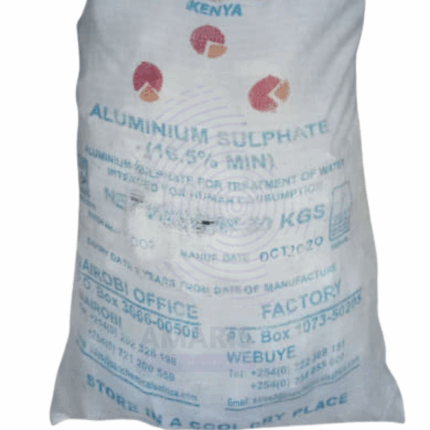
Aluminium Sulphate Alum Rock
Aluminium Sulphate Alum Rock, commonly referred to as simply Aluminum Sulphate or Alum Rock, is a white crystalline solid widely used across various industries. It is primarily known for its strong coagulating properties, making it essential in water purification, wastewater treatment, and paper manufacturing. When dissolved in water, it reacts to form aluminum hydroxide, which binds with impurities and suspended particles, facilitating their removal. In addition, alum rock finds applications in dyeing, tanning, and as a mordant in textile industries. It has astringent and antiseptic properties, making it useful in cosmetics and personal care products such as deodorants and styptic pencils. Its cost-effectiveness and multifunctionality make it a staple chemical in environmental, industrial, and consumer sectors.
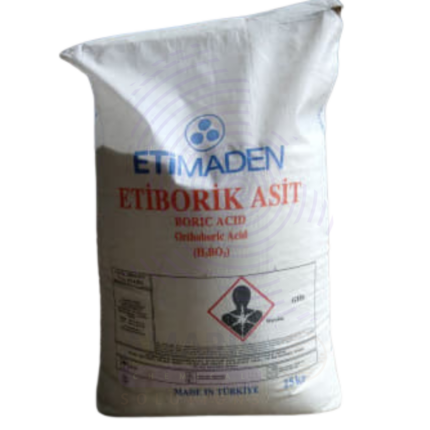
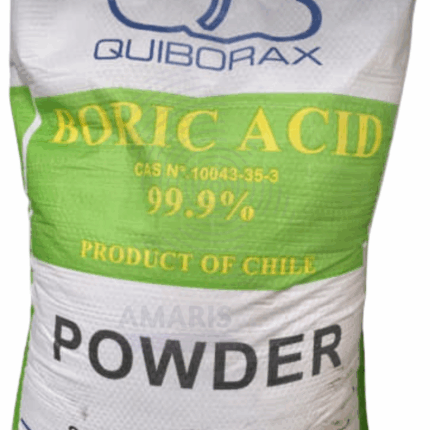
Boric Acid
Boric Acid, chemically known as hydrogen borate or boracic acid, is a weak, monobasic Lewis acid of boron. It appears as a white, crystalline powder or granules that are odorless and slightly soluble in water. Boric Acid is commonly used in antiseptics, insecticides, flame retardants, and as a buffering agent in various industrial and pharmaceutical applications. Due to its mild antiseptic and antifungal properties, it is often used in ophthalmic, dermatologic, and other personal care formulations. It also plays a key role in glass and ceramics manufacturing as well as in agriculture.
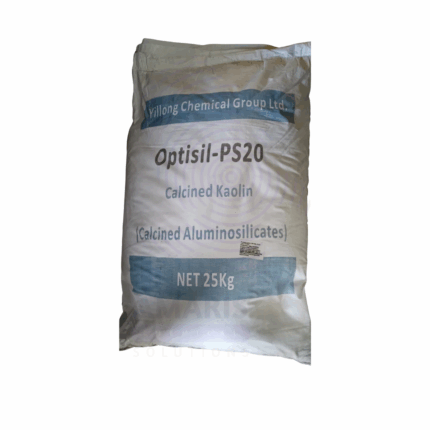
Calcined Kaolin
Calcined Kaolin is a fine, white to off-white powder produced by heating natural kaolin clay to high temperatures (typically between 600°C and 900°C) in a controlled process called calcination. This thermal treatment removes chemically bound water, changes the crystalline structure, and enhances the physical and chemical properties of kaolin. The resulting product exhibits increased brightness, hardness, and opacity, making it highly valuable as a functional additive and filler in numerous industrial applications. Calcined Kaolin is widely used in coatings, ceramics, plastics, rubber, paper, and paint industries to improve durability, brightness, and performance.
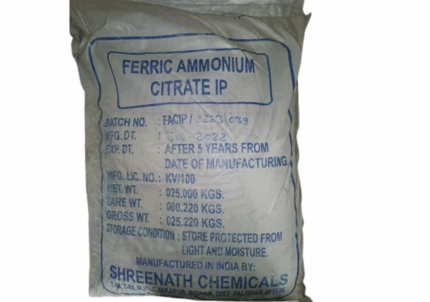
Ferric Ammonium Citrate
Ferric Ammonium Citrate is a dark green to black crystalline or granular inorganic compound composed of iron, ammonium ions, and citrate ions. It is a complex salt of citric acid with ferric iron (Fe³⁺) and ammonium. This compound is highly soluble in water, forming a greenish solution, and is widely utilized as a source of iron in various chemical, pharmaceutical, photographic, and food applications. It acts as a mild oxidizing agent and an iron supplement, valued for its bioavailability and ease of incorporation into formulations. Ferric Ammonium Citrate is typically available in different formulations distinguished by their water and ammonium content, such as green and brown types.
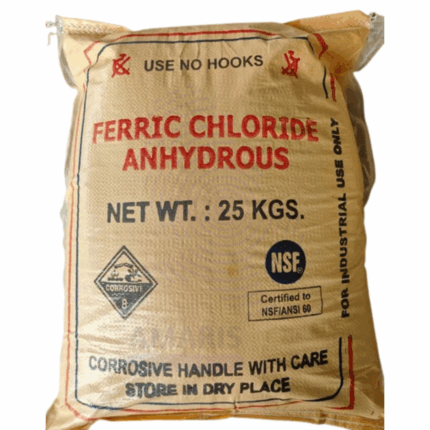
Ferric Chloride Anhydrous
Ferric Chloride Anhydrous (FeCl₃) is a dark brown to black crystalline solid with a metallic luster. It is a highly corrosive, hygroscopic inorganic salt widely used as a chemical reagent, catalyst, and coagulant. In its anhydrous form, ferric chloride is free of water and has a high purity of approximately 98%. It readily dissolves in water, releasing heat and producing acidic solutions. Ferric chloride is valued for its strong Lewis acid properties, making it effective in a variety of industrial, laboratory, and environmental applications. It is commonly supplied as a solid crystalline powder or lumps and should be handled with care due to its corrosive nature.
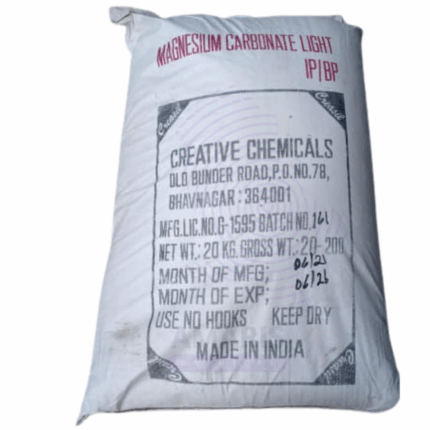
Magnesium Carbonate Light
Magnesium Carbonate Light is a fine, white, odorless powder primarily composed of magnesium carbonate (MgCO₃). It is characterized by its light texture and high purity. This mineral compound is widely used across various industries due to its excellent absorption properties, mild alkalinity, and non-toxic nature. Magnesium Carbonate Light is commonly employed as an antacid, drying agent, filler, and flow aid in food, pharmaceutical, cosmetic, and industrial applications.
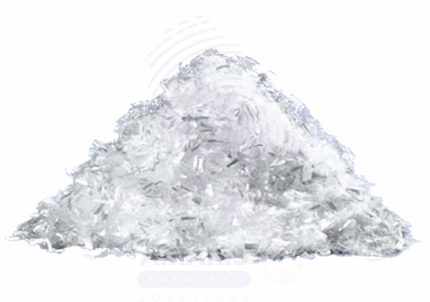
Master Fibre
Master Fibre is a high-quality synthetic fiber additive designed to reinforce concrete and mortar mixtures. It improves structural integrity by enhancing tensile strength, reducing cracking, and increasing durability. The fibers disperse uniformly within the mix, providing better load distribution and impact resistance in industrial, commercial, and residential construction applications. Master Fibre enhances performance without compromising workability, making it ideal for use in concrete slabs, pavements, beams, and repair mortars.

Talcum Powder (Talc)
Talcum Powder is a naturally occurring mineral composed primarily of hydrated magnesium silicate. It is known for its softness, absorbency, and lubricating properties. Talc is widely used in cosmetic, pharmaceutical, industrial, and consumer products due to its ability to absorb moisture, improve texture, and provide a smooth, silky feel. The powder form allows easy dispersion and application across diverse sectors.












