

 Preservatives(food)
 Flavor Enhancers
 Acidulants
 Sweeteners
 Antioxidants
 Colorants(food)
 Nutraceutical Ingredients (food)
 Nutrient Supplements
 Emulsifiers
 Collectors
 Dust Suppressants
 Explosives and Blasting Agents
 Flocculants and Coagulants
 Frothers
 Leaching Agents
 pH Modifiers
 Precious Metal Extraction Agents
 Antioxidants(plastic)
 Colorants (Pigments, Dyes)
 Fillers and Reinforcements
 Flame Retardants
 Monomers
 Plasticizers
 Polymerization Initiators
 Stabilizers (UV, Heat)
 Antifoaming Agents
 Chelating Agents
 Coagulants and Flocculants
 Corrosion Inhibitors
 Disinfectants and Biocides
 Oxidizing Agents
 pH Adjusters
 Scale Inhibitors( water)
 Antioxidants(cosmetic)
 Emollients
 Fragrances and Essential Oils
 Humectants
 Preservatives
 Surfactants(cosmetic)
 Thickeners
 UV Filters
 Fertilizers
 Soil Conditioners
 Plant Growth Regulators
 Animal Feed Additives
 Biostimulants
 Pesticides (Herbicides, Insecticides, Fungicides)
 Active Pharmaceutical Ingredients (APIs)
 Excipients
 Solvents(pharmaceutical)
 Antibiotics
 Antiseptics and Disinfectants
 Vaccine Adjuvants
 Nutraceutical Ingredients (pharmaceutical)
 Analgesics & Antipyretics
 Analytical Reagents
 Solvents(lab)
 Chromatography Chemicals
 Spectroscopy Reagents
 microbiology-and-cell-culture-reagents
 Molecular Biology Reagents
 Biochemical Reagents
 Inorganic and Organic Standards
 Laboratory Safety Chemicals
 Specialty Laboratory Chemicals(Special Laboratory Equipment)
 Demulsifiers
 Hydraulic Fracturing Fluids
 Scale Inhibitors(oil)
 Surfactants(oil)
 Drilling Fluids
 Dyes and Pigments
 Bleaching Agents
 Softening Agents
 Finishing Agents
 Antistatic Agents
 Admixtures
 Waterproofing Agents
 Sealants and Adhesives
 Curing Compounds
 Concrete Repair Chemicals
 Anti-Corrosion Coatings
 Surfactants(cleaning)
 Builders
 Enzymes
 Solvents (Cleaning)
 Fragrances
 Electronic Chemicals
 Catalysts
 Lubricants
 Photographic Chemicals
 Refrigerants
 Automotive chemicals
 Pyrotechnic Chemicals
 Biodegradable Surfactants
 Bio-based Solvents
 Renewable Polymers
 Carbon Capture Chemicals
 Wastewater Treatment Chemicals
 Pigments
 Solvents(paint)
 Specialty Coatings
 Binders/Resins
 Additives
 Driers
 Anti-Corrosion Agents
 Functional Coatings
 Application-Specific Coatings
 Leavening Agents
 Dough Conditioners
 Flour Treatments
 Fat Replacers
 Decoratives
 Preservatives(baking)
 Plasticizers & Softeners
 Reinforcing Agents
 Adhesion Promoters
 Vulcanizing Agents
 Antidegradants
 Blowing Agents
 Fillers & Extenders
 Accelerators & Retarders


Bar Breaking Apparatus
Original price was: $ 30.24.$ 30.19Current price is: $ 30.19.
The Bar Breaking Apparatus is a mechanical testing device used to determine the breaking strength and mechanical properties of materials, particularly bars and rods, in laboratory and industrial settings. It applies controlled force to a specimen until it fractures, providing critical data for quality control, material research, and compliance with industry standards. Constructed from robust metals with precise force application mechanisms, this apparatus ensures reliable, repeatable results essential for material characterization and safety assessments.
Bar Breaking Apparatus
Primary Uses
- Laboratory Applications
- Used to test the tensile and bending strength of metal, plastic, and composite bars.
- Conducts fracture analysis and material durability studies.
- Supports research and development by evaluating new material formulations.
- Enables quality assurance testing for compliance with mechanical property standards.
Secondary Uses
- Industrial Applications
- Employed in manufacturing plants for routine strength testing of raw materials.
- Used in product development to verify material specifications.
- Facilitates failure analysis to improve manufacturing processes.
- Supports maintenance departments in assessing component integrity.
1.Basic Identification Attributes
- Instrument Type: Bar Breaking Mechanical Tester
- Material: High-strength steel frame and components
- Function: Measures breaking strength and mechanical properties of bars
2.Physical & Chemical Properties
- Force Capacity: Varies by model; capable of applying controlled load until fracture
- Construction: Durable, corrosion-resistant materials for longevity
- Dimensions: Designed to accommodate a range of specimen sizes
- Operating Environment: Suitable for laboratory and industrial conditions
3.Safety & Hazard Attributes
- Mechanical Risks: Risk of injury from sudden specimen breakage or moving parts; use protective barriers
- Toxicity: No chemical hazards
- Allergens: None identified
4.Storage & Handling Attributes
- Storage Conditions: Keep in dry, secure environment to prevent corrosion
- Handling Precautions: Use safety equipment and follow operational protocols
5.Regulatory & Compliance Attributes
- Manufactured in compliance with international testing standards (e.g., ASTM, ISO)
- Calibrated for accuracy and reliability in material testing
6.Environmental & Health Impact
- Constructed from recyclable materials
- Low environmental impact when disposed of properly
Safety Handling Precautions
- Always use protective eyewear and gloves during operation
- Ensure specimen is properly secured before testing
First Aid Measures
- Mechanical injury: Treat cuts or bruises promptly; seek medical care if necessary
Firefighting Measures
- Fire Hazard: Non-flammable device
- Extinguishing Media: Not applicable
- Special Precautions: None required
Related products
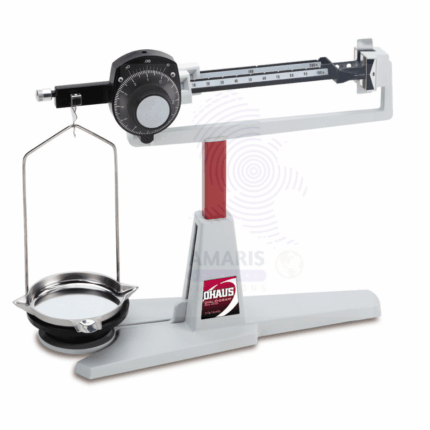
Balance Mechanical Ohaus Centre
Balance Mechanical Ohaus Centre is a high-precision mechanical balance designed for laboratory and industrial use. Featuring a central zero adjustment, this balance enables accurate measurement of small to medium-weight samples with fine calibration control. Constructed with durable, corrosion-resistant materials, it delivers reliable and consistent weighing results without requiring electrical power. Its simple mechanical design ensures easy operation and maintenance, making it suitable for research laboratories, quality control departments, and industrial environments where precise manual weighing is essential.
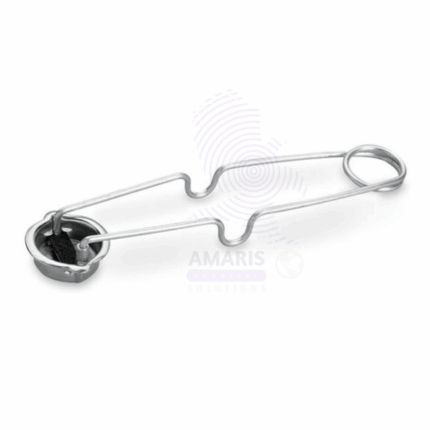
Bunsen Burner Lighter
The Bunsen Burner Lighter is a handheld ignition device designed specifically to ignite Bunsen burners and other laboratory gas burners safely and efficiently. It typically features a long, insulated handle with a spark-producing mechanism that allows users to light gas flames without risk of burns. Constructed from durable materials resistant to heat and corrosion, the lighter provides reliable ignition in laboratory environments, ensuring safe and convenient operation during experiments and heating tasks.
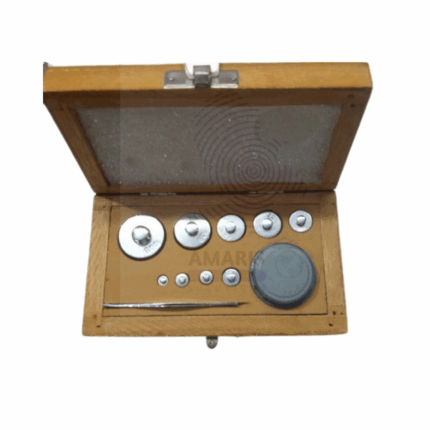
Chemical balance weight box
The Chemical Balance Weight Box is a sturdy, protective container designed to store and organize standard balance weights used for chemical and laboratory measurements. Made from durable materials like wood, metal, or plastic, it ensures the secure keeping of precision weights, protecting them from dust, moisture, and damage. It is essential for maintaining the accuracy and longevity of laboratory weights.
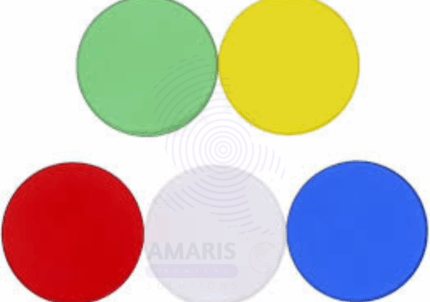
Color Filters
Color Filters are optical components designed to selectively transmit light of specific wavelengths while absorbing or reflecting others. These filters are used in various laboratory and industrial applications to isolate particular colors for scientific experiments, photography, microscopy, and optical analysis. Manufactured from high-quality glass or plastic materials, color filters ensure consistent performance with minimal distortion and high durability.
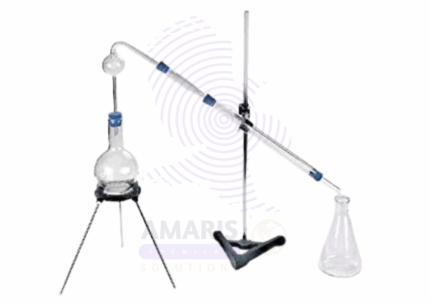
Complete Liebigs Distillation Apparatus
Complete Liebigs Distillation Apparatus is a classic laboratory setup used for the distillation of liquids by heating and subsequent condensation. It consists of a distillation flask, Liebig condenser, receiving flask, and necessary connecting joints. The Liebig condenser efficiently cools vapor back into liquid form using a water jacket. This apparatus is widely used in chemistry labs for purifying liquids, separating mixtures, and studying boiling points.
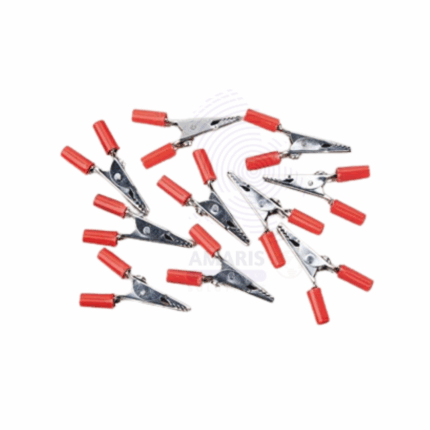
Crocodile Clips
Crocodile Clips are versatile electrical connectors featuring serrated jaws to securely grip wires or terminals. Commonly made from copper or brass with a nickel or chrome plating, these clips ensure reliable conductivity and mechanical stability. Widely used in laboratory and industrial settings for quick temporary electrical connections, testing, and circuit prototyping.
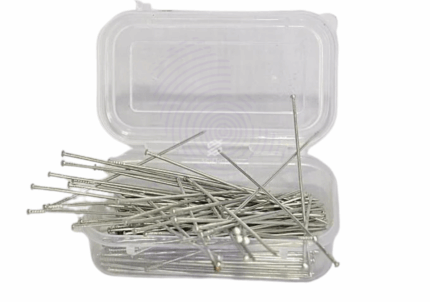
Optical Pins
Optical Pins are precision-engineered small pins used primarily in optical laboratories and equipment for alignment, securing, and positioning optical components such as lenses, mirrors, and prisms. Made from high-grade metals or corrosion-resistant materials, these pins ensure stable and accurate placement of delicate parts during assembly or experimental setups. Their fine tips and consistent dimensions provide reliable fixation without damaging sensitive optical surfaces. Optical pins are essential for maintaining optical path accuracy and are commonly used in microscopy, laser systems, spectrometry, and other photonics applications.
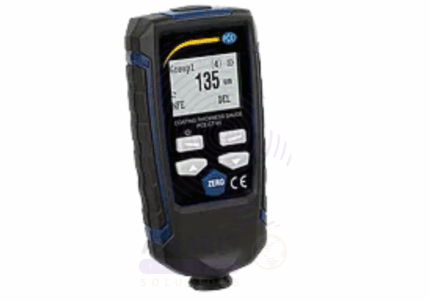
Paint Gauge
A Paint Gauge is a precise measuring instrument used in laboratories and quality control environments to measure the thickness of paint coatings and other surface finishes. It allows technicians and researchers to assess the uniformity and adequacy of paint layers on various substrates, ensuring compliance with industry standards and specifications. Paint gauges can be mechanical or digital, often employing magnetic, ultrasonic, or mechanical principles to provide accurate, non-destructive thickness measurements. They are essential tools in the manufacturing, automotive, aerospace, and construction industries for maintaining coating quality and durability.












