

 Preservatives(food)
 Flavor Enhancers
 Acidulants
 Sweeteners
 Antioxidants
 Colorants(food)
 Nutraceutical Ingredients (food)
 Nutrient Supplements
 Emulsifiers
 Collectors
 Dust Suppressants
 Explosives and Blasting Agents
 Flocculants and Coagulants
 Frothers
 Leaching Agents
 pH Modifiers
 Precious Metal Extraction Agents
 Antioxidants(plastic)
 Colorants (Pigments, Dyes)
 Fillers and Reinforcements
 Flame Retardants
 Monomers
 Plasticizers
 Polymerization Initiators
 Stabilizers (UV, Heat)
 Antifoaming Agents
 Chelating Agents
 Coagulants and Flocculants
 Corrosion Inhibitors
 Disinfectants and Biocides
 Oxidizing Agents
 pH Adjusters
 Scale Inhibitors( water)
 Antioxidants(cosmetic)
 Emollients
 Fragrances and Essential Oils
 Humectants
 Preservatives
 Surfactants(cosmetic)
 Thickeners
 UV Filters
 Fertilizers
 Soil Conditioners
 Plant Growth Regulators
 Animal Feed Additives
 Biostimulants
 Pesticides (Herbicides, Insecticides, Fungicides)
 Active Pharmaceutical Ingredients (APIs)
 Excipients
 Solvents(pharmaceutical)
 Antibiotics
 Antiseptics and Disinfectants
 Vaccine Adjuvants
 Nutraceutical Ingredients (pharmaceutical)
 Analgesics & Antipyretics
 Analytical Reagents
 Solvents(lab)
 Chromatography Chemicals
 Spectroscopy Reagents
 microbiology-and-cell-culture-reagents
 Molecular Biology Reagents
 Biochemical Reagents
 Inorganic and Organic Standards
 Laboratory Safety Chemicals
 Specialty Laboratory Chemicals(Special Laboratory Equipment)
 Demulsifiers
 Hydraulic Fracturing Fluids
 Scale Inhibitors(oil)
 Surfactants(oil)
 Drilling Fluids
 Dyes and Pigments
 Bleaching Agents
 Softening Agents
 Finishing Agents
 Antistatic Agents
 Admixtures
 Waterproofing Agents
 Sealants and Adhesives
 Curing Compounds
 Concrete Repair Chemicals
 Anti-Corrosion Coatings
 Surfactants(cleaning)
 Builders
 Enzymes
 Solvents (Cleaning)
 Fragrances
 Electronic Chemicals
 Catalysts
 Lubricants
 Photographic Chemicals
 Refrigerants
 Automotive chemicals
 Pyrotechnic Chemicals
 Biodegradable Surfactants
 Bio-based Solvents
 Renewable Polymers
 Carbon Capture Chemicals
 Wastewater Treatment Chemicals
 Pigments
 Solvents(paint)
 Specialty Coatings
 Binders/Resins
 Additives
 Driers
 Anti-Corrosion Agents
 Functional Coatings
 Application-Specific Coatings
 Leavening Agents
 Dough Conditioners
 Flour Treatments
 Fat Replacers
 Decoratives
 Preservatives(baking)
 Plasticizers & Softeners
 Reinforcing Agents
 Adhesion Promoters
 Vulcanizing Agents
 Antidegradants
 Blowing Agents
 Fillers & Extenders
 Accelerators & Retarders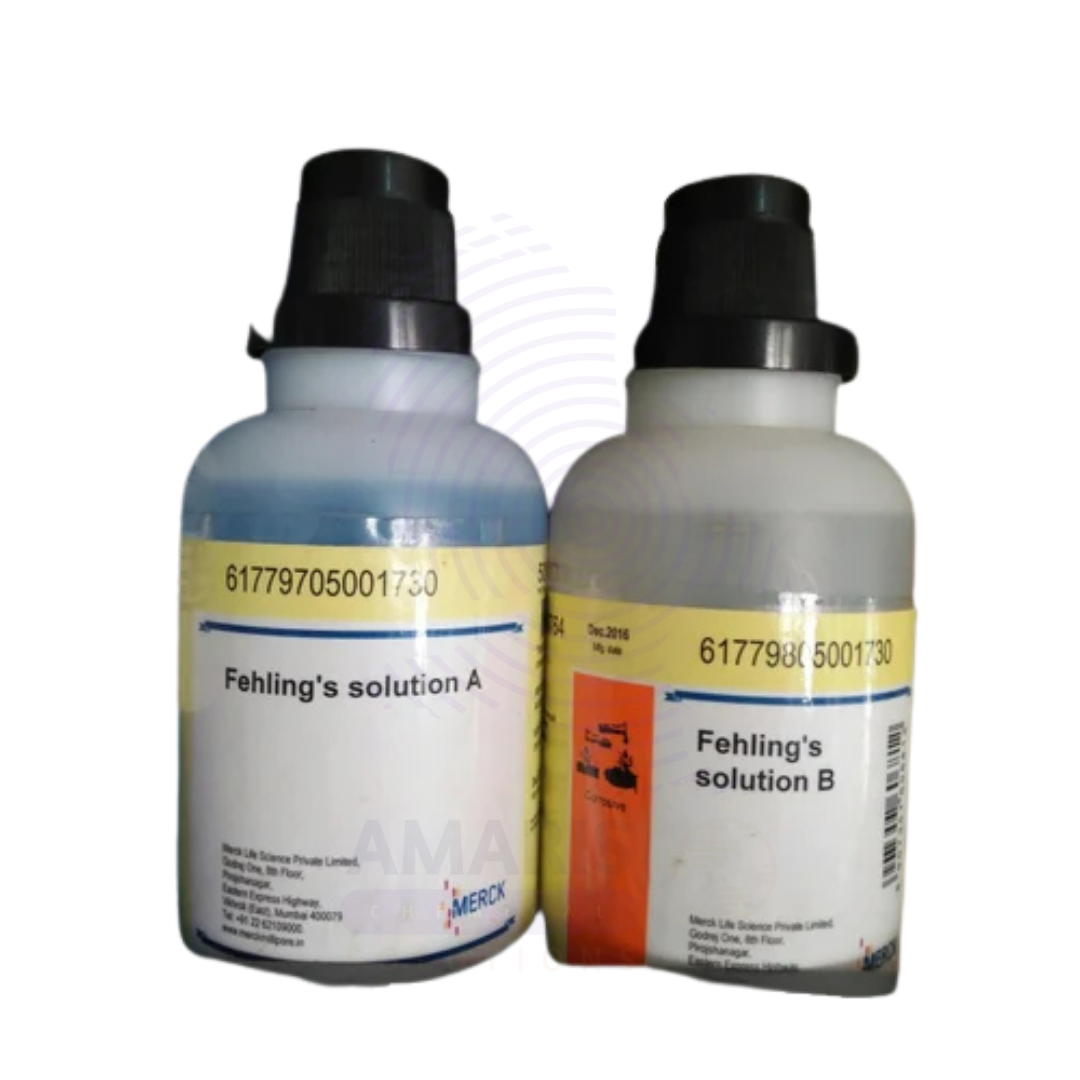

Fehling Solution 1 and 2 Extra Pure
Original price was: $ 35.20.$ 35.09Current price is: $ 35.09.
Fehling Solution 1 and 2 Extra Pure are essential reagents in classical laboratory chemistry, particularly used for the qualitative detection of reducing sugars such as glucose.
- Fehling Solution 1 contains copper(II) sulfate, while
- Fehling Solution 2 contains an alkaline potassium sodium tartrate (Rochelle salt) solution.
When mixed in equal parts just before use, they form a deep blue complex that, upon heating with a reducing sugar, yields a brick-red precipitate of cuprous oxide, confirming the presence of aldehyde groups.
These solutions are highly valuable in educational labs, food testing, and biochemical experiments. Store them separately in cool, dry conditions, and always mix fresh for accurate results.
Fehling Solution 1 and 2 Extra Pure
Primary Uses
- Detection of reducing sugars:
Widely used in qualitative analysis to test for the presence of aldehyde functional groups, especially in reducing sugars like glucose. - Differentiation between aldehydes and ketones:
Reacts with aldehydes to form a red precipitate of copper(I) oxide, while ketones generally do not react. - Educational experiments in redox chemistry:
Demonstrates redox reactions and the principle of oxidation-reduction using visible color change.
Secondary Uses
- Identification of carbohydrate content in unknown samples:
Used to confirm the presence of reducing sugars in plant extracts, juices, or hydrolyzed polysaccharides. - Routine qualitative analysis in food chemistry labs:
Applied in basic food testing kits and protocols to check sugar levels in various food products. - Historical method reference in pharmaceutical analysis:
Though mostly replaced by modern techniques, still referenced in classic pharmaceutical and biochemical protocols.
| PACK SIZE | 2.5 Litres Glass bottle |
|---|
1. Basic Identification Attributes
- Chemical Name: Fehling Solution (Part I & II)
- Components:
- Fehling’s Solution I: Aqueous copper(II) sulfate (CuSO₄·5H₂O) solution
- Fehling’s Solution II: Alkaline sodium potassium tartrate (Rochelle salt) in sodium hydroxide solution
- Grade: Extra Pure (Laboratory Reagent Grade)
- Appearance:
- Solution I: Clear blue solution
- Solution II: Colorless or pale solution
2. Physical & Chemical Properties
- Fehling’s Solution I:
- Copper(II) sulfate concentration: Typically ~0.5 M
- Fehling’s Solution II:
- Sodium potassium tartrate: Chelates the copper ions
- Sodium hydroxide concentration: ~1.5 M
- When mixed (equal volumes of I & II): Deep blue complex due to formation of a copper-tartrate complex
3. Safety & Hazard Attributes
- GHS Classification:
- Skin irritation (Category 2)
- Eye irritation (Category 2A)
- Harmful to aquatic life
- Hazard Statements:
- H315: Causes skin irritation
- H319: Causes serious eye irritation
- H411: Toxic to aquatic life with long lasting effects
- PPE Requirements:
- Gloves (nitrile recommended)
- Protective goggles
- Lab coat
- Use in well-ventilated area or fume hood
- First Aid Measures:
- Inhalation: Move to fresh air
- Skin Contact: Wash with soap and water
- Eye Contact: Flush with water for several minutes
- Ingestion: Rinse mouth, seek medical attention
4. Storage & Handling Attributes
- Storage Conditions:
- Store in tightly closed containers
- Protect from light and heat
- Store components separately until ready for use
- Handling Notes:
- Avoid contact with eyes, skin, and clothing
- Mix just before use to ensure activity
5. Regulatory & Compliance Attributes
- Component CAS Numbers:
- Copper(II) sulfate pentahydrate: 7758-99-8
- Sodium potassium tartrate: 6381-59-5
- Sodium hydroxide: 1310-73-2
- EC Numbers:
- CuSO₄·5H₂O: 231-847-6
- Hazard Class (mixed): 8 (Corrosive)
- UN Numbers (if shipped mixed): UN 3264
6. Laboratory Applications
- Primary Uses:
- Qualitative test for reducing sugars (e.g., glucose, fructose, maltose)
- Used in school and biochemical labs for carbohydrate analysis
- Secondary Uses:
- Demonstrations in redox chemistry
- Educational reagent in classical qualitative analysis
SAFETY PRECAUTIONS
- Corrosive – due to NaOH in Solution 2
- Toxic to aquatic life – due to copper sulfate
- Use gloves, goggles, and lab coat
- Storage:
- Store separately in tightly closed bottles
- Keep in a cool, dry place away from light and incompatible substances
FIRST AID MEASURES
- Inhalation: Move to fresh air, seek medical attention if irritation persists
- Skin/Eye Contact: Rinse immediately with water for at least 15 minutes
- Ingestion: Rinse mouth, do not induce vomiting—seek urgent medical care
Related products
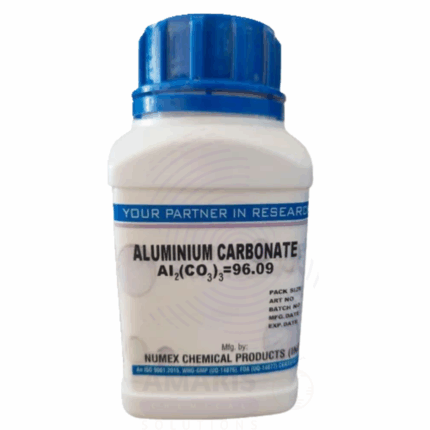
Aluminium Carbonate Extra Pure
Aluminium Carbonate Extra Pure is a high-purity, white, odorless powder primarily used as a reagent in laboratory settings for analytical and research applications. Though not commonly stable under standard conditions, it is valued in controlled experimental procedures involving the study of aluminum compounds, buffer systems, and inorganic reactions. Its extra pure grade ensures low levels of contaminants, making it suitable for precise qualitative and quantitative analysis. Due to its sensitivity to moisture and tendency to decompose into aluminum hydroxide and carbon dioxide, it must be handled with care and stored in airtight containers under dry conditions to maintain chemical integrity during laboratory use.
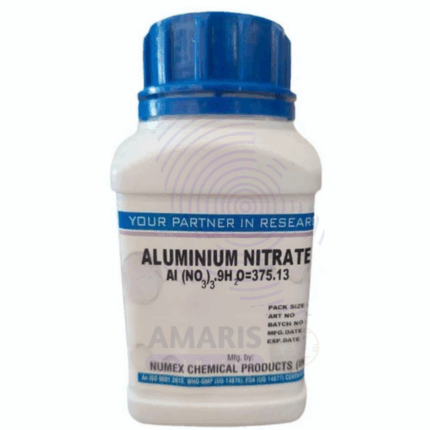
Aluminium Nitrate Extra Pure
Aluminium Nitrate Extra Pure is a high-purity, white crystalline compound that is highly soluble in water and widely used in laboratory chemistry for analytical, synthesis, and research purposes. It serves as a reliable source of aluminum ions in solution, making it valuable in qualitative analysis, coordination chemistry, and materials science studies. This compound is often utilized in the preparation of other aluminum salts, as a nitrating agent, and in controlled oxidation reactions. Its extra pure grade guarantees minimal interference from contaminants, ensuring accurate, reproducible results in sensitive experimental work. Aluminium Nitrate should be stored in tightly sealed containers, away from moisture and incompatible substances, due to its oxidizing nature and hygroscopicity.
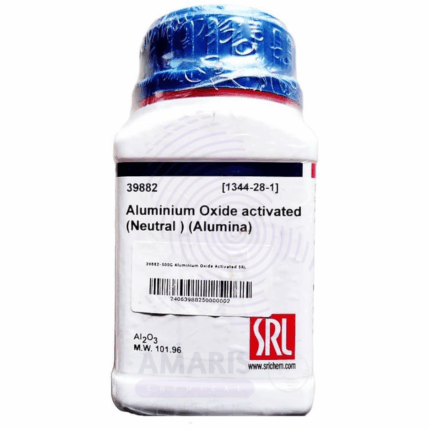
Aluminium Oxide Active Neutral Extra Pure
Aluminium Oxide Active Neutral Extra Pure is a high-purity, fine white powder known for its high surface area and neutral pH, making it ideal for chromatography, adsorption, and catalyst support in laboratory research. Its active form ensures excellent capacity for separating and purifying organic compounds without altering their chemical structure, especially in column chromatography applications. Commonly used in analytical, organic synthesis, and material science laboratories, it provides consistent performance in adsorption studies, drying of solvents, and reaction monitoring. The extra pure grade ensures extremely low levels of impurities, suitable for high-precision experimental work. To maintain its activity, it should be stored in airtight containers away from moisture and reactive chemicals.
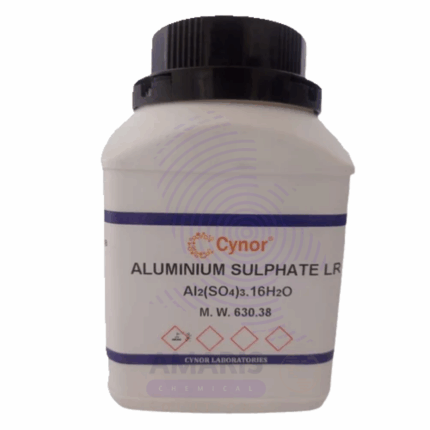
Aluminium Sulphate Anhydrous Extra Pure
Aluminium Sulphate Anhydrous Extra Pure is a high-purity, white crystalline or powdery solid commonly used in laboratory chemistry as a source of aluminum ions for precipitation, titration, and coordination studies. Its anhydrous form provides a concentrated and stable option for applications requiring precise control over water content, such as analytical reagent preparation, pH adjustment, and synthesis of other aluminum salts. This compound is also used in paper sizing experiments, dye fixation, and water treatment research. The extra pure grade ensures very low levels of contaminants, supporting accurate and reproducible results in sensitive experimental work. It should be stored in airtight containers in a dry area to prevent moisture absorption and preserve its chemical integrity.
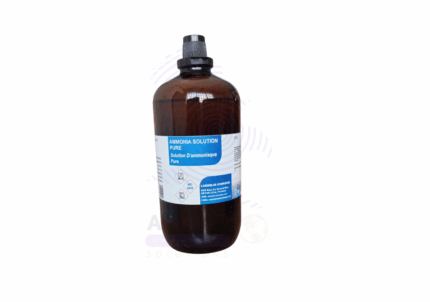
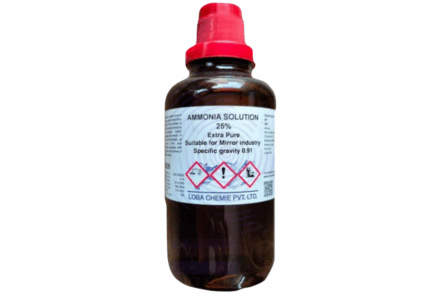
Ammonia Solution Extra Pure
Ammonia Solution Extra Pure is a high-purity, clear, colorless liquid composed of ammonia gas dissolved in water, emitting a strong, characteristic pungent odor. Widely used in laboratory chemistry, it serves as a crucial reagent in acid-base titrations, complexometric analysis, and the preparation of ammonium salts and metal-ammonia complexes. Its alkaline nature makes it valuable for pH adjustment, cleaning of laboratory glassware, and as a reducing agent in certain analytical procedures. The extra pure grade ensures low levels of impurities, supporting reliable results in sensitive experimental work. Due to its volatility and corrosiveness, it should be handled in well-ventilated areas and stored in tightly sealed, chemically resistant containers.
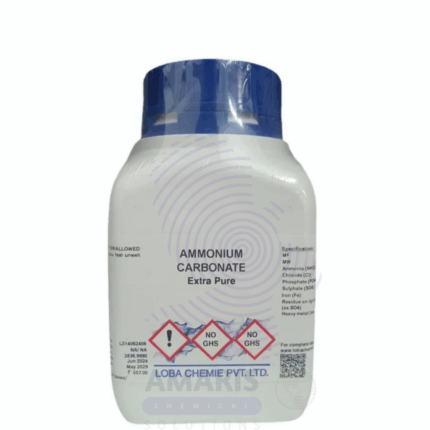
Ammonium Carbonate Extra Pure
Ammonium Carbonate Extra Pure is a high-quality, white crystalline solid widely used across various scientific, industrial, and food-related applications. Manufactured to stringent purity standards, this compound is ideal for laboratories and processes that demand high-grade reagents. With its characteristic ammonia-like odor and ability to decompose upon heating, ammonium carbonate plays a versatile role in both chemical reactions and physical processes.
In aqueous solution, ammonium carbonate breaks down into ammonium bicarbonate and ammonium carbamate, further releasing ammonia (NH₃) and carbon dioxide (CO₂) upon heating. This property makes it especially useful in applications that require controlled gas release or temporary pH modification.
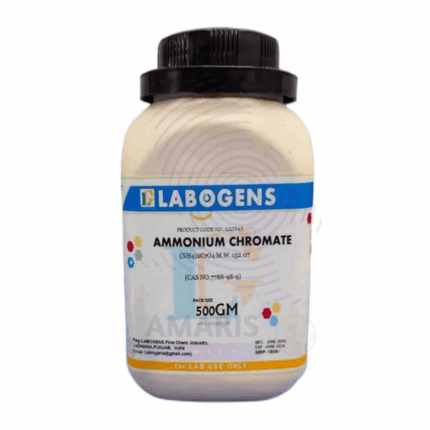
Ammonium Chromate Extra Pure
Ammonium Chromate Extra Pure is a high-purity, yellow crystalline compound primarily used in laboratory settings for analytical and inorganic chemistry applications. It serves as a strong oxidizing agent and is commonly utilized in qualitative analysis, particularly in the detection of cations, and in the preparation of chromate-based reagents. Its high solubility in water and ability to act as a corrosion inhibitor also make it useful in material science and electrochemical experiments. Due to the presence of hexavalent chromium, it is toxic and environmentally hazardous, requiring strict handling procedures and protective equipment. The extra pure grade ensures minimal impurities, making it suitable for high-precision research. It must be stored in tightly sealed containers, away from light, heat, and incompatible substances.
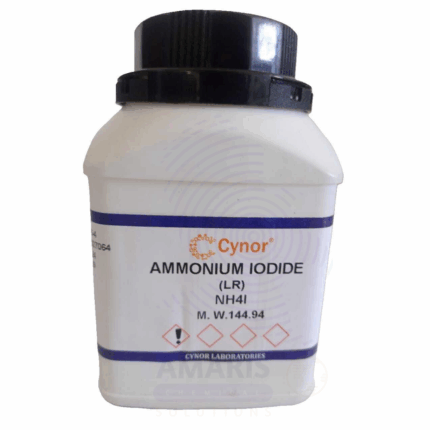
Ammonium Iodide Extra Pure
Ammonium Iodide Extra Pure is a high-purity, white to slightly yellow crystalline compound highly soluble in water and alcohol, commonly used in laboratory chemistry for analytical, synthetic, and photographic applications. It serves as a valuable source of iodide ions in organic and inorganic reactions, including halide exchange and the preparation of iodine-containing compounds. In analytical chemistry, it is used in iodometric titrations and as a reagent for detecting metal ions. The extra pure grade ensures exceptional chemical stability and low levels of impurities, supporting accurate, reproducible results in sensitive experiments. It should be stored in tightly sealed containers, away from light and moisture, to prevent decomposition and discoloration.












