

 Preservatives(food)
 Flavor Enhancers
 Acidulants
 Sweeteners
 Antioxidants
 Colorants(food)
 Nutraceutical Ingredients (food)
 Nutrient Supplements
 Emulsifiers
 Collectors
 Dust Suppressants
 Explosives and Blasting Agents
 Flocculants and Coagulants
 Frothers
 Leaching Agents
 pH Modifiers
 Precious Metal Extraction Agents
 Antioxidants(plastic)
 Colorants (Pigments, Dyes)
 Fillers and Reinforcements
 Flame Retardants
 Monomers
 Plasticizers
 Polymerization Initiators
 Stabilizers (UV, Heat)
 Antifoaming Agents
 Chelating Agents
 Coagulants and Flocculants
 Corrosion Inhibitors
 Disinfectants and Biocides
 Oxidizing Agents
 pH Adjusters
 Scale Inhibitors( water)
 Antioxidants(cosmetic)
 Emollients
 Fragrances and Essential Oils
 Humectants
 Preservatives
 Surfactants(cosmetic)
 Thickeners
 UV Filters
 Fertilizers
 Soil Conditioners
 Plant Growth Regulators
 Animal Feed Additives
 Biostimulants
 Pesticides (Herbicides, Insecticides, Fungicides)
 Active Pharmaceutical Ingredients (APIs)
 Excipients
 Solvents(pharmaceutical)
 Antibiotics
 Antiseptics and Disinfectants
 Vaccine Adjuvants
 Nutraceutical Ingredients (pharmaceutical)
 Analgesics & Antipyretics
 Analytical Reagents
 Solvents(lab)
 Chromatography Chemicals
 Spectroscopy Reagents
 microbiology-and-cell-culture-reagents
 Molecular Biology Reagents
 Biochemical Reagents
 Inorganic and Organic Standards
 Laboratory Safety Chemicals
 Specialty Laboratory Chemicals(Special Laboratory Equipment)
 Demulsifiers
 Hydraulic Fracturing Fluids
 Scale Inhibitors(oil)
 Surfactants(oil)
 Drilling Fluids
 Dyes and Pigments
 Bleaching Agents
 Softening Agents
 Finishing Agents
 Antistatic Agents
 Admixtures
 Waterproofing Agents
 Sealants and Adhesives
 Curing Compounds
 Concrete Repair Chemicals
 Anti-Corrosion Coatings
 Surfactants(cleaning)
 Builders
 Enzymes
 Solvents (Cleaning)
 Fragrances
 Electronic Chemicals
 Catalysts
 Lubricants
 Photographic Chemicals
 Refrigerants
 Automotive chemicals
 Pyrotechnic Chemicals
 Biodegradable Surfactants
 Bio-based Solvents
 Renewable Polymers
 Carbon Capture Chemicals
 Wastewater Treatment Chemicals
 Pigments
 Solvents(paint)
 Specialty Coatings
 Binders/Resins
 Additives
 Driers
 Anti-Corrosion Agents
 Functional Coatings
 Application-Specific Coatings
 Leavening Agents
 Dough Conditioners
 Flour Treatments
 Fat Replacers
 Decoratives
 Preservatives(baking)
 Plasticizers & Softeners
 Reinforcing Agents
 Adhesion Promoters
 Vulcanizing Agents
 Antidegradants
 Blowing Agents
 Fillers & Extenders
 Accelerators & Retarders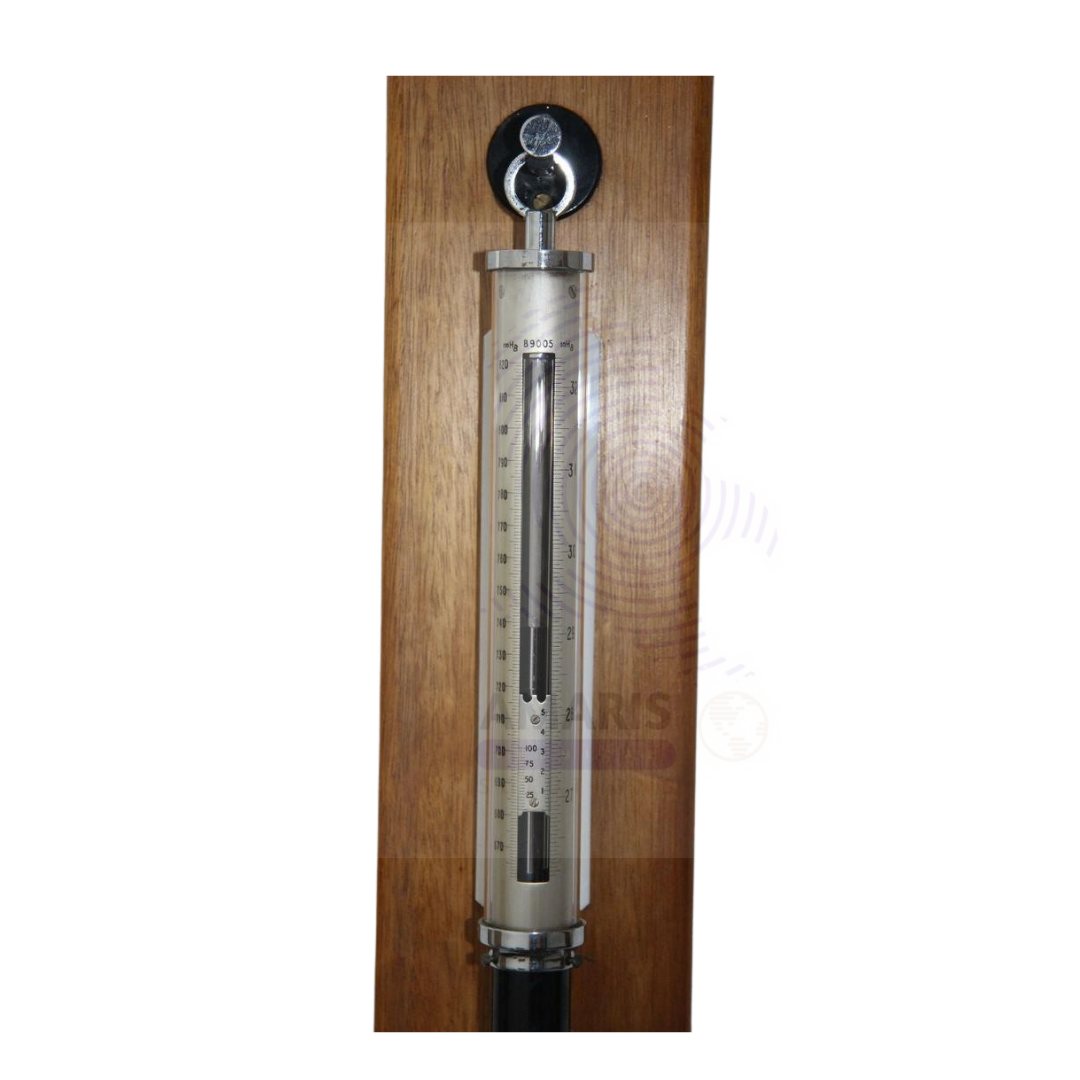
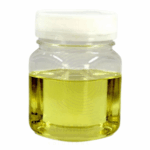


Fortin Barometer with Mercury
Original price was: $ 17.52.$ 17.43Current price is: $ 17.43.
Fortin Barometer with Mercury is a precision instrument used to measure atmospheric pressure with high accuracy. Named after its inventor, Jean Nicolas Fortin, this barometer features a mercury column enclosed in a glass tube, mounted vertically with a cistern at the base. A screw-adjusted ivory point is used to align the mercury level at the reference point, ensuring consistent and accurate readings. The device includes a vernier scale for fine measurements and is enclosed in a protective casing for safe handling. Commonly used in meteorological studies, physics laboratories, and calibration settings, the Fortin Barometer is essential for barometric pressure determination and experimental demonstrations.
Fortin Barometer with Mercury
Primary Use
- Meteorological and Atmospheric Studies
- Accurate measurement of atmospheric pressure for weather observation and forecasting.
- Used in meteorological stations to monitor changes in air pressure for climate analysis.
- Supports calibration of other barometric and pressure-sensitive instruments.
- Provides baseline pressure data in meteorological modeling and field research.
2.Educational and Laboratory Applications
- Demonstrates principles of atmospheric pressure in physics and earth science curricula.
- Used in academic laboratories to teach the relationship between pressure and altitude.
- Helps students visualize and understand mercury displacement and fluid pressure concepts.
- Supports calibration experiments in physics and instrumentation classes.
Secondary Uses
- Calibration and Industrial Applications
- Used in calibration labs for standard reference in pressure-measuring devices.
- Supports precision-based instrumentation testing in research and development facilities.
- Applied in environmental testing setups requiring accurate barometric pressure input.
- Utilized in aerospace and aviation training modules for pressure-based altitude modeling.
1.Basic Identification Attributes
- Material: Borosilicate glass tube, mercury column, brass or aluminum casing, ivory point
- Components: Mercury column, adjustable cistern, vernier scale, protective outer frame
- Reading Scale: Calibrated in millimeters or inches of mercury (mmHg or inHg)
2.Physical & Chemical Properties
- High precision measurement capability
- Mercury provides stable and consistent readings due to high density and low vapor pressure
- Glass tube and metal housing offer good resistance to environmental fluctuations
3.Safety & Hazard Attributes
- Contains mercury, a hazardous material—must be handled with caution
- Risk of mercury exposure if the device breaks or leaks
- Must be used in well-ventilated areas and kept upright to prevent spillage
4.Storage & Handling Attributes
- Store upright in a secure, vibration-free location
- Avoid direct sunlight and temperature extremes to maintain mercury stability
- Handle with protective gloves and avoid tilting or inverting the barometer
5.Regulatory & Compliance Attributes
- Must comply with hazardous material regulations for mercury-containing devices
- Conforms to laboratory safety and metrological calibration standards
- Subject to regional mercury handling and disposal regulations
6.Environmental & Health Impact
- Mercury is toxic to humans and the environment—disposal must follow environmental safety protocols
- Use alternatives (aneroid barometers) in mercury-restricted environments
Safety Handling Precautions
- Wear gloves and safety goggles when transporting or adjusting the barometer
- Avoid contact with mercury—clean any spills using approved mercury spill kits
- Keep away from children and untrained personnel
First Aid Measures
- In case of mercury exposure, evacuate the area and follow proper spill containment procedures
- For skin contact, wash immediately with soap and water
- Seek medical attention in case of inhalation or ingestion of mercury vapors or droplets
Firefighting Measures
- Mercury is not flammable, but toxic fumes may form if exposed to high heat
- Use appropriate extinguishing agents for surrounding materials
- Avoid using water directly on mercury spills to prevent vapor release
Related products
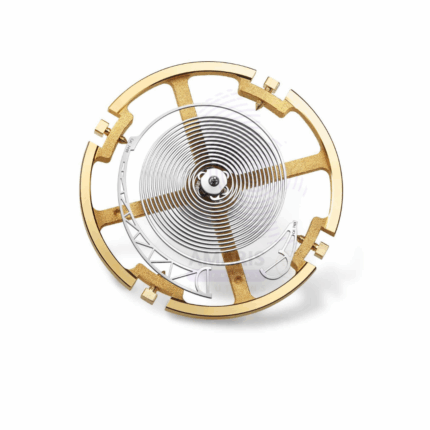
Balance Spring
The Balance Spring is a fundamental mechanical component used in balances and scales to measure weight through elastic deformation. It converts force into measurable displacement, enabling precise weight determination in various laboratory and industrial balances. Manufactured from high-quality, durable metals with excellent elastic properties, the balance spring ensures consistent performance and longevity under repeated use. It is essential for maintaining accuracy and reliability in mechanical weighing devices.
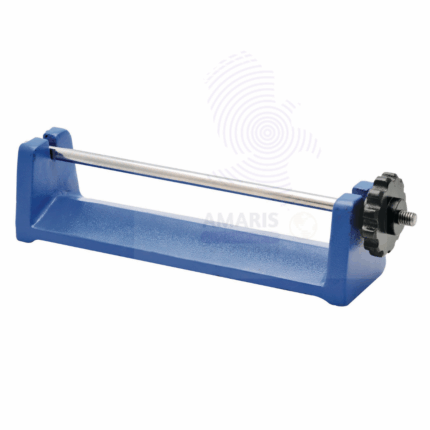
Bar Breaking Apparatus
The Bar Breaking Apparatus is a mechanical testing device used to determine the breaking strength and mechanical properties of materials, particularly bars and rods, in laboratory and industrial settings. It applies controlled force to a specimen until it fractures, providing critical data for quality control, material research, and compliance with industry standards. Constructed from robust metals with precise force application mechanisms, this apparatus ensures reliable, repeatable results essential for material characterization and safety assessments.
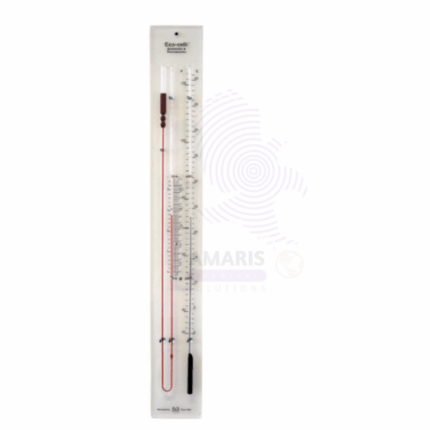
Barometer Tubes
Barometer Tubes are precision glass tubes used in barometers to measure atmospheric pressure. These tubes are typically filled with mercury or other suitable liquids and are sealed to allow accurate pressure readings based on liquid column height. Barometer tubes are essential components in meteorological instruments and laboratory equipment for pressure measurement and environmental monitoring. Manufactured with high-quality, clear glass, they provide durability, clarity, and accurate fluid displacement for precise readings.
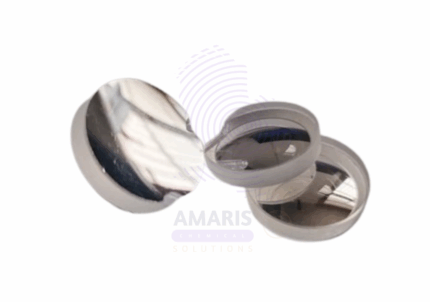
Concave and convex lens
Concave and Convex Lenses are essential optical components used to manipulate light by refraction. A convex lens is thicker at the center and converges light rays to a focal point, while a concave lens is thinner at the center and diverges light rays. These lenses are fundamental in various scientific experiments, optical instruments, and educational demonstrations to study image formation, focal length, magnification, and light behavior. Manufactured with high-quality optical glass or plastic, they offer clarity and precision necessary for laboratory and industrial applications.

Concave mirrors
Product Description
Concave Mirrors are curved reflective surfaces that converge light rays to a focal point. They are widely used in scientific experiments and optical devices to focus light and form real or virtual images depending on the object's position relative to the focal length. Made from high-quality polished glass or metal with a reflective coating, these mirrors provide precise image formation essential for laboratory and industrial applications in optics and physics.
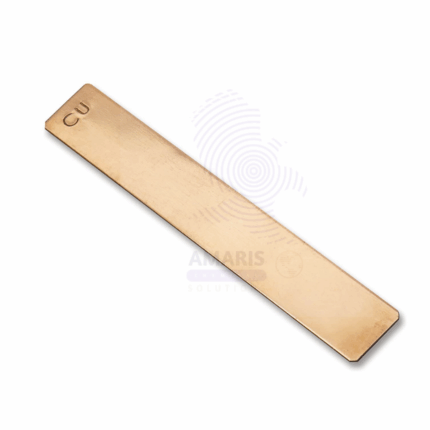
Electrode Copper Plate
Electrode Copper Plate is a high-purity copper sheet designed for use as an electrode in various electrical, electrochemical, and industrial applications. Known for its excellent electrical conductivity, thermal stability, and corrosion resistance, copper plates serve as reliable electrodes in electroplating, battery manufacturing, and electrical circuitry. These plates are manufactured with precise thickness and smooth surfaces to ensure efficient current flow and optimal performance. Copper electrodes are widely used in laboratories, manufacturing plants, and industrial processes that require durable and efficient electrical conductors.
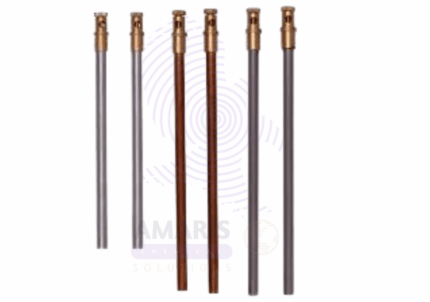
Electrode Copper Rod
Electrode Copper Rod is a high-purity copper rod used primarily as an electrode in various electrical, electrochemical, and industrial applications. Known for its superior electrical conductivity, thermal stability, and corrosion resistance, copper rods are essential components in electroplating, battery manufacturing, welding, and electrical circuitry. Manufactured to precise dimensions with smooth surfaces, these rods ensure efficient current transmission and durability under demanding conditions. They are widely utilized in laboratories, manufacturing industries, and research facilities requiring reliable conductive electrodes.

Litmus paper red
Litmus paper red is a specialized pH indicator paper impregnated with red litmus dye derived from natural lichens. It serves as a quick and reliable qualitative tool for detecting alkaline (basic) conditions in various liquids and substances. Upon contact with an alkaline solution, the red paper undergoes a distinct color change to blue, signaling a pH above approximately 8.3. In neutral or acidic solutions, the paper retains its red color. This simple yet essential laboratory reagent is widely used in chemistry, biology, environmental science, clinical diagnostics, food industry, and educational settings for rapid acidity and alkalinity testing without the need for sophisticated instrumentation.
Red litmus paper is highly valued for its ease of use, portability, and cost-effectiveness, making it ideal for field testing, classroom demonstrations, and routine lab work. It provides immediate visual feedback, which is crucial for quick decision-making during experiments, quality control processes, and environmental monitoring. Packaged typically in convenient strips or sheets within moisture-proof packets, the paper is protected from contamination and degradation, ensuring long shelf life and consistent performance.












