

 Preservatives(food)
 Flavor Enhancers
 Acidulants
 Sweeteners
 Antioxidants
 Colorants(food)
 Nutraceutical Ingredients (food)
 Nutrient Supplements
 Emulsifiers
 Collectors
 Dust Suppressants
 Explosives and Blasting Agents
 Flocculants and Coagulants
 Frothers
 Leaching Agents
 pH Modifiers
 Precious Metal Extraction Agents
 Antioxidants(plastic)
 Colorants (Pigments, Dyes)
 Fillers and Reinforcements
 Flame Retardants
 Monomers
 Plasticizers
 Polymerization Initiators
 Stabilizers (UV, Heat)
 Antifoaming Agents
 Chelating Agents
 Coagulants and Flocculants
 Corrosion Inhibitors
 Disinfectants and Biocides
 Oxidizing Agents
 pH Adjusters
 Scale Inhibitors( water)
 Antioxidants(cosmetic)
 Emollients
 Fragrances and Essential Oils
 Humectants
 Preservatives
 Surfactants(cosmetic)
 Thickeners
 UV Filters
 Fertilizers
 Soil Conditioners
 Plant Growth Regulators
 Animal Feed Additives
 Biostimulants
 Pesticides (Herbicides, Insecticides, Fungicides)
 Active Pharmaceutical Ingredients (APIs)
 Excipients
 Solvents(pharmaceutical)
 Antibiotics
 Antiseptics and Disinfectants
 Vaccine Adjuvants
 Nutraceutical Ingredients (pharmaceutical)
 Analgesics & Antipyretics
 Analytical Reagents
 Solvents(lab)
 Chromatography Chemicals
 Spectroscopy Reagents
 microbiology-and-cell-culture-reagents
 Molecular Biology Reagents
 Biochemical Reagents
 Inorganic and Organic Standards
 Laboratory Safety Chemicals
 Specialty Laboratory Chemicals(Special Laboratory Equipment)
 Demulsifiers
 Hydraulic Fracturing Fluids
 Scale Inhibitors(oil)
 Surfactants(oil)
 Drilling Fluids
 Dyes and Pigments
 Bleaching Agents
 Softening Agents
 Finishing Agents
 Antistatic Agents
 Admixtures
 Waterproofing Agents
 Sealants and Adhesives
 Curing Compounds
 Concrete Repair Chemicals
 Anti-Corrosion Coatings
 Surfactants(cleaning)
 Builders
 Enzymes
 Solvents (Cleaning)
 Fragrances
 Electronic Chemicals
 Catalysts
 Lubricants
 Photographic Chemicals
 Refrigerants
 Automotive chemicals
 Pyrotechnic Chemicals
 Biodegradable Surfactants
 Bio-based Solvents
 Renewable Polymers
 Carbon Capture Chemicals
 Wastewater Treatment Chemicals
 Pigments
 Solvents(paint)
 Specialty Coatings
 Binders/Resins
 Additives
 Driers
 Anti-Corrosion Agents
 Functional Coatings
 Application-Specific Coatings
 Leavening Agents
 Dough Conditioners
 Flour Treatments
 Fat Replacers
 Decoratives
 Preservatives(baking)
 Plasticizers & Softeners
 Reinforcing Agents
 Adhesion Promoters
 Vulcanizing Agents
 Antidegradants
 Blowing Agents
 Fillers & Extenders
 Accelerators & Retarders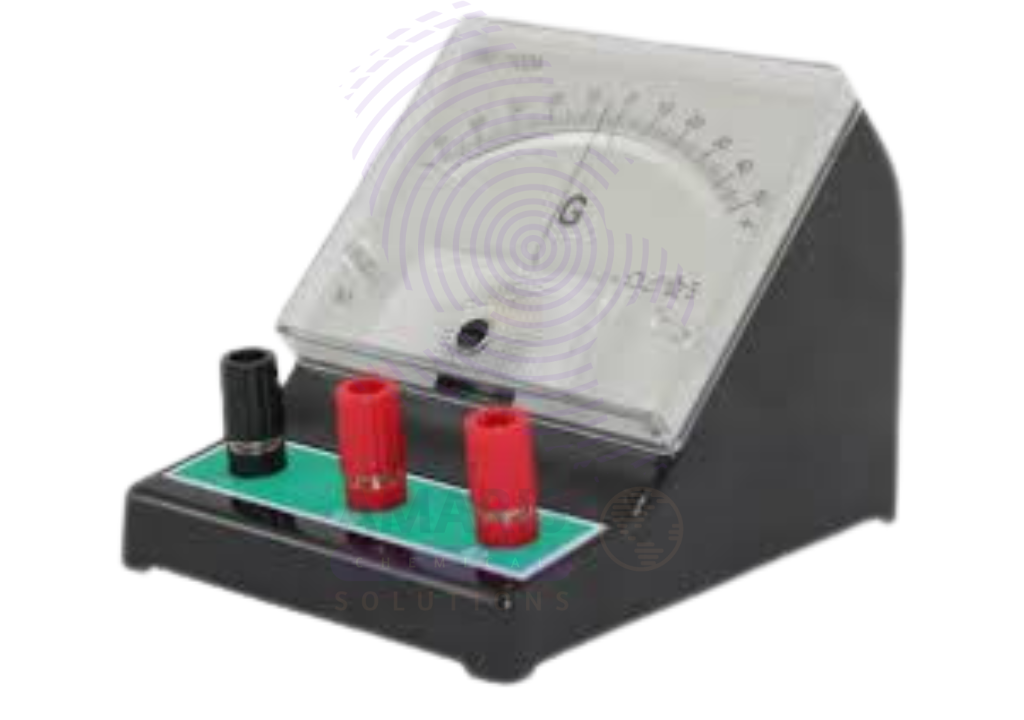


Galvanometer Zero Center
Original price was: $ 17.99.$ 17.83Current price is: $ 17.83.
Galvanometer Zero Center is a precision instrument used to detect and measure small electric currents by deflecting a needle from a zero center position. Designed with a symmetrical scale balanced around the zero point, it enables accurate detection of current direction and magnitude. Constructed with sensitive coils and magnetic systems, this galvanometer is widely used in physics laboratories, electrical testing, and instrumentation for experiments requiring precise current measurement and analysis.
Galvanometer Zero Center
Primary Uses
- Laboratory and Educational Applications
- Measurement of small DC currents in electrical circuits.
- Determination of current direction through zero-centered needle deflection.
- Used in physics experiments to study electrical properties and behaviors.
- Calibration and testing of electrical instruments.
Secondary Uses
- Research and Development
- Component testing in electronics development and troubleshooting.
- Measurement of electrical signals in sensitive instrumentation.
1.Basic Identification Attributes
- Type: Zero center galvanometer
- Construction: Coil, magnetic system, needle pointer with balanced scale
- Sensitivity: High, suitable for detecting microampere currents
2.Physical & Chemical Properties
- Robust mechanical design with delicate coil windings
- Non-corrosive materials used for durability and precision
3.Safety & Hazard Attributes
- Handle carefully to avoid mechanical shock that may misalign needle
- Avoid exposure to strong magnetic fields that can interfere with measurements
4.Storage & Handling Attributes
- Store in vibration-free, dust-free environments
- Avoid moisture and excessive heat to protect sensitive components
4.Regulatory & Compliance Attributes
- Manufactured according to precision instrument standards
- Suitable for educational and laboratory use compliant with safety regulations
6.Environmental & Health Impact
- Contains recyclable metal and plastic parts
- No hazardous materials involved
Safety Handling Precautions
- Use gentle handling and transport
- Avoid overcurrent to prevent coil damage
First Aid Measures
- No specific measures required for standard use
Firefighting Measures
- Non-flammable instrument
- Use standard fire extinguishing methods for surrounding materials
Related products
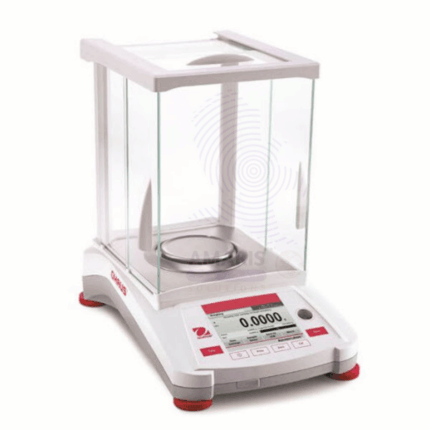
Balance Electronic Ohaus Adventurer
The Balance Electronic Ohaus Adventurer is a high-precision electronic weighing instrument designed for laboratory, educational, and industrial applications. It offers accurate and reliable measurement with user-friendly features including a backlit display, multiple weighing units, and advanced calibration options. This balance is suitable for general weighing tasks, formulation, and quality control processes where precision and ease of use are critical.

Bar Breaking Apparatus
The Bar Breaking Apparatus is a mechanical testing device used to determine the breaking strength and mechanical properties of materials, particularly bars and rods, in laboratory and industrial settings. It applies controlled force to a specimen until it fractures, providing critical data for quality control, material research, and compliance with industry standards. Constructed from robust metals with precise force application mechanisms, this apparatus ensures reliable, repeatable results essential for material characterization and safety assessments.
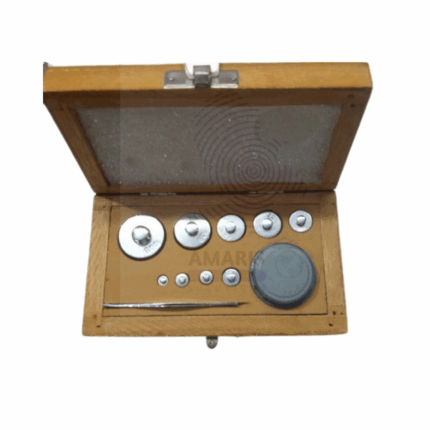
Chemical balance weight box
The Chemical Balance Weight Box is a sturdy, protective container designed to store and organize standard balance weights used for chemical and laboratory measurements. Made from durable materials like wood, metal, or plastic, it ensures the secure keeping of precision weights, protecting them from dust, moisture, and damage. It is essential for maintaining the accuracy and longevity of laboratory weights.
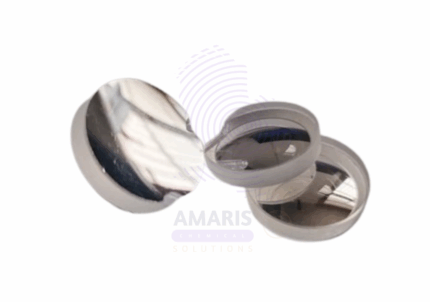
Concave and convex lens
Concave and Convex Lenses are essential optical components used to manipulate light by refraction. A convex lens is thicker at the center and converges light rays to a focal point, while a concave lens is thinner at the center and diverges light rays. These lenses are fundamental in various scientific experiments, optical instruments, and educational demonstrations to study image formation, focal length, magnification, and light behavior. Manufactured with high-quality optical glass or plastic, they offer clarity and precision necessary for laboratory and industrial applications.

conductivity rods
Conductivity rods are laboratory instruments used to measure the electrical conductivity of liquids, which indicates the ionic content and purity of a solution. Typically made from corrosion-resistant materials like stainless steel or graphite, these rods serve as electrodes immersed in liquid samples to detect the flow of electric current. Conductivity rods are essential for water quality testing, chemical analysis, and various industrial processes where monitoring solution conductivity is critical.
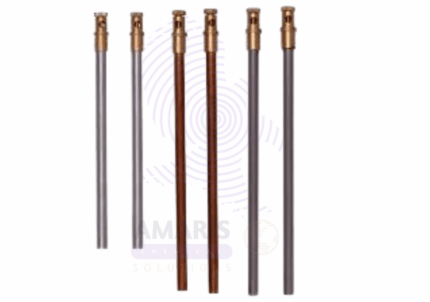
Electrode Copper Rod
Electrode Copper Rod is a high-purity copper rod used primarily as an electrode in various electrical, electrochemical, and industrial applications. Known for its superior electrical conductivity, thermal stability, and corrosion resistance, copper rods are essential components in electroplating, battery manufacturing, welding, and electrical circuitry. Manufactured to precise dimensions with smooth surfaces, these rods ensure efficient current transmission and durability under demanding conditions. They are widely utilized in laboratories, manufacturing industries, and research facilities requiring reliable conductive electrodes.

Litmus Paper Blue
Litmus Paper Blue is a pH indicator paper used to detect acidic substances. It is impregnated with litmus dye extracted from lichens, which changes color when exposed to acidic or basic environments. Blue litmus paper turns red under acidic conditions (pH < 4.5) and remains blue in neutral or alkaline solutions. It is widely used in laboratories, education, environmental testing, and industrial processes for quick and easy pH testing.

Litmus paper red
Litmus paper red is a specialized pH indicator paper impregnated with red litmus dye derived from natural lichens. It serves as a quick and reliable qualitative tool for detecting alkaline (basic) conditions in various liquids and substances. Upon contact with an alkaline solution, the red paper undergoes a distinct color change to blue, signaling a pH above approximately 8.3. In neutral or acidic solutions, the paper retains its red color. This simple yet essential laboratory reagent is widely used in chemistry, biology, environmental science, clinical diagnostics, food industry, and educational settings for rapid acidity and alkalinity testing without the need for sophisticated instrumentation.
Red litmus paper is highly valued for its ease of use, portability, and cost-effectiveness, making it ideal for field testing, classroom demonstrations, and routine lab work. It provides immediate visual feedback, which is crucial for quick decision-making during experiments, quality control processes, and environmental monitoring. Packaged typically in convenient strips or sheets within moisture-proof packets, the paper is protected from contamination and degradation, ensuring long shelf life and consistent performance.












