

 Preservatives(food)
 Flavors
 Acidulants
 Sweeteners
 Antioxidants
 Colorants(food)
 Nutraceutical Ingredients (food)
 Nutrient Supplements
 Emulsifiers
 Collectors
 Dust Suppressants
 Explosives and Blasting Agents
 Flocculants and Coagulants
 Frothers
 Leaching Agents
 pH Modifiers
 Precious Metal Extraction Agents
 Antioxidants(plastic)
 Colorants (Pigments, Dyes)
 Fillers and Reinforcements
 Flame Retardants
 Monomers
 Plasticizers
 Polymerization Initiators
 Stabilizers (UV, Heat)
 Antifoaming Agents
 Chelating Agents
 Coagulants and Flocculants
 Corrosion Inhibitors
 Disinfectants and Biocides
 Oxidizing Agents
 pH Adjusters
 Scale Inhibitors( water)
 Antioxidants(cosmetic)
 Emollients
 Oils
Oils Carrier Oills
 Essential Oils
 Humectants
 Preservatives
 Surfactants(cosmetic)
 Thickeners
 UV Filters
 Fragrance (Cosmetics)
 Fertilizers
 Soil Conditioners
 Plant Growth Regulators
 Animal Feed Additives
 Biostimulants
 Pesticides (Herbicides, Insecticides, Fungicides)
 Active Pharmaceutical Ingredients (APIs)
 Excipients
 Solvents(pharmaceutical)
 Antibiotics
 Antiseptics and Disinfectants
 Vaccine Adjuvants
 Nutraceutical Ingredients (pharmaceutical)
 Analgesics & Antipyretics
 Analytical Reagents
 Solvents(lab)
 Chromatography Chemicals
 Spectroscopy Reagents
 microbiology-and-cell-culture-reagents
 Molecular Biology Reagents
 Biochemical Reagents
 Inorganic and Organic Standards
 Laboratory Safety Chemicals
 Specialty Laboratory Chemicals(Special Laboratory Equipment)
 Demulsifiers
 Hydraulic Fracturing Fluids
 Scale Inhibitors(oil)
 Surfactants(oil)
 Drilling Fluids
 Dyes and Pigments
 Bleaching Agents
 Softening Agents
 Finishing Agents
 Antistatic Agents
 Admixtures
 Waterproofing Agents
 Sealants and Adhesives
 Curing Compounds
 Concrete Repair Chemicals
 Anti-Corrosion Coatings
 Surfactants(cleaning)
 Builders
 Enzymes
 Solvents (Cleaning)
 Electronic Chemicals
 Catalysts
 Lubricants
 Photographic Chemicals
 Refrigerants
 Automotive chemicals
 Pyrotechnic Chemicals
 Biodegradable Surfactants
 Bio-based Solvents
 Renewable Polymers
 Carbon Capture Chemicals
 Wastewater Treatment Chemicals
 Pigments
 Solvents(paint)
 Specialty Coatings
 Binders/Resins
 Additives
 Driers
 Anti-Corrosion Agents
 Functional Coatings
 Application-Specific Coatings
 Leavening Agents
 Dough Conditioners
 Flour Treatments
 Fat Replacers
 Decoratives
 Preservatives(baking)
 Plasticizers & Softeners
 Reinforcing Agents
 Adhesion Promoters
 Vulcanizing Agents
 Antidegradants
 Blowing Agents
 Fillers & Extenders
 Accelerators & Retarders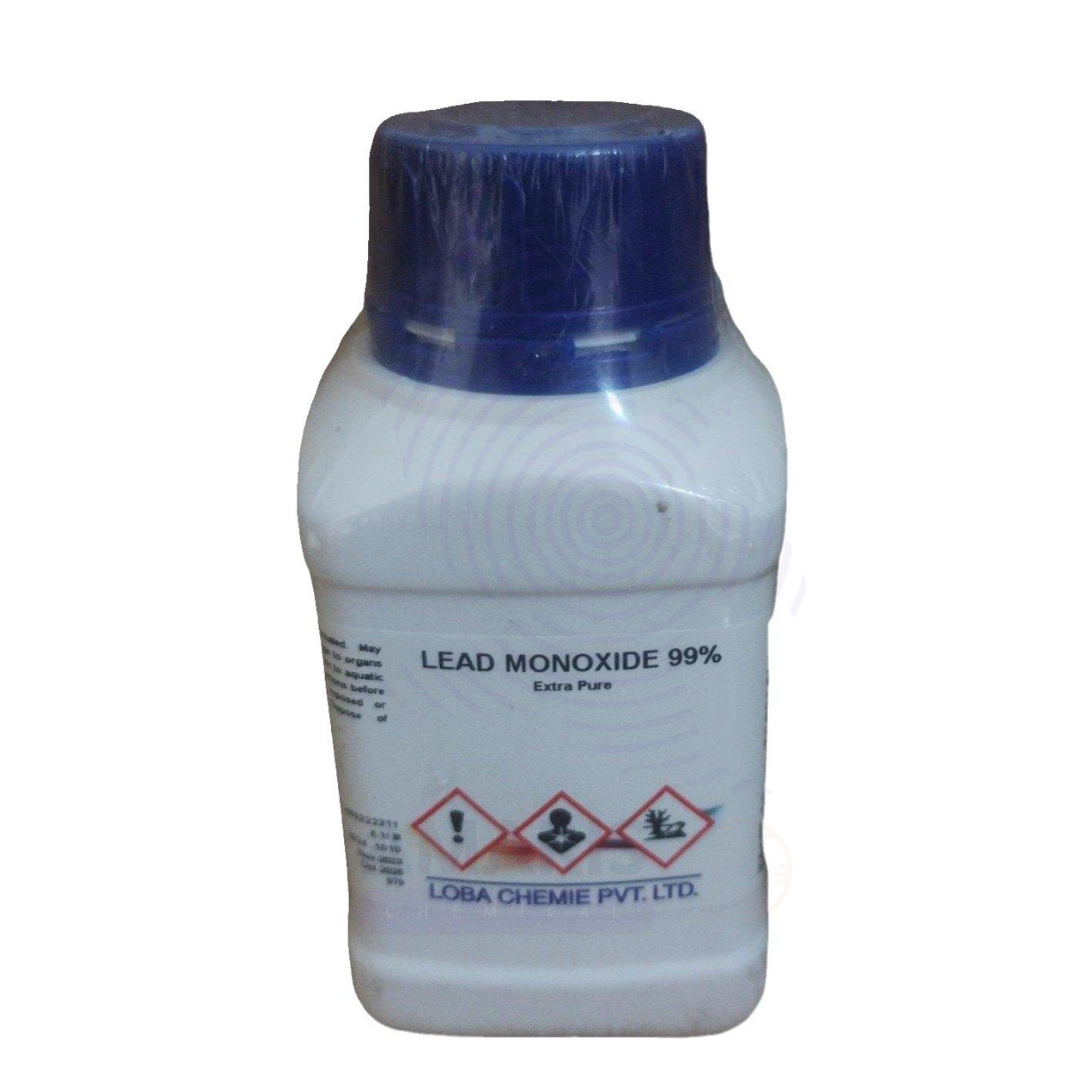


Lead Monoxide Extra Pure
Original price was: $ 20.00.$ 19.78Current price is: $ 19.78.
Lead Monoxide Extra Pure, also known as litharge (PbO), is a fine yellow or reddish powder widely used in analytical chemistry and industrial processes. Its high purity makes it suitable for laboratory-grade reactions, especially in the manufacture of lead-based compounds, ceramics, glass, and batteries. In the ceramics and glass industries, it enhances the brilliance and stability of glazes and optical glass. In metallurgy, it is used as a fluxing agent during refining. Due to its toxicity and lead content, it requires strict safety handling procedures and controlled storage conditions to prevent contamination or exposure.
Lead Monoxide Extra Pure
Primary Uses
- Glass and Ceramic Formulations:
- Used in the preparation of lead-based glass, ceramic glazes, and enamels, particularly in analytical or materials science research.
- Oxidizing Agent in Synthesis:
- Serves as a mild oxidizing agent in inorganic synthesis and laboratory-scale redox reactions.
- Preparation of Other Lead Compounds:
- Acts as a precursor in the synthesis of lead salts, such as lead acetate or lead nitrate, in controlled lab settings.
Secondary Uses
- Thermal Decomposition Studies:
- Used in studying the thermal behavior of metal oxides and decomposition mechanisms.
- Pigment Research:
- Historically relevant in research on lead-based pigments like litharge (PbO), often studied for toxicity and degradation.
- Battery Chemistry Investigation:
- Sometimes used in academic study related to lead-acid battery chemistry and related corrosion or performance tests.
1. Basic Identification Attributes
- Chemical Name: Lead(II) Oxide
- Synonyms: Litharge, Plumbous oxide
- Chemical Formula: PbO
- CAS Number: 1317-36-8
- Molecular Weight: 223.2 g/mol
- Grade: Extra Pure (analytical/laboratory use)
- Appearance: Yellow or reddish-yellow powder (color depends on crystal form)
- Odor: Odorless
- Solubility: Insoluble in water; soluble in acids and alkalis
- Melting Point: ~888°C
2. Safety & Hazard Attributes
- GHS Classification:
- Acute toxicity (oral) – Category 4
- Reproductive toxicity – Category 1A
- Specific target organ toxicity (repeated exposure) – Category 2
- Hazardous to the aquatic environment – Chronic Category 1
- Hazard Statements:
- H302: Harmful if swallowed
- H360: May damage fertility or the unborn child
- H373: May cause damage to organs through prolonged or repeated exposure
- H410: Very toxic to aquatic life with long lasting effects
- Precautionary Statements:
- P201: Obtain special instructions before use
- P273: Avoid release to the environment
- P280: Wear protective gloves/protective clothing/eye protection
- P301+P312: IF SWALLOWED: Call a POISON CENTER/doctor
- P308+P313: If exposed or concerned: Get medical advice
- Personal Protective Equipment (PPE):
- Safety goggles
- Nitrile gloves
- Lab coat
- Respirator or use under fume hood
- First Aid Measures:
- Inhalation: Move to fresh air; seek medical help
- Skin Contact: Wash skin with soap and water
- Eye Contact: Rinse eyes gently with water for several minutes
- Ingestion: Rinse mouth; do not induce vomiting; seek medical advice
- Fire Hazards:
- Non-combustible
- Emits toxic lead fumes if involved in fire
- Use standard fire extinguishing media for surrounding fire
3. Storage & Handling Attributes
- Storage Conditions:
- Store in a tightly sealed container
- Keep in a cool, dry, and well-ventilated area
- Protect from moisture, acids, and strong oxidizing agents
- Handling Tips:
- Handle under a fume hood
- Avoid dust generation
- Wash thoroughly after handling
- Do not eat, drink, or smoke when using this chemical
4. Laboratory Applications
- Primary Uses:
- Preparation of other lead compounds
- Used in the manufacturing of lead glass and ceramics
- Employed in laboratories for redox and thermal decomposition studies
- Secondary Uses:
- Research in inorganic synthesis
- Pigment precursor (historical) for educational pigment chemistry demonstrations
- Flux in metallurgy and soldering
SAFETY PRECAUTIONS
Personal Protective Equipment (PPE):
- Wear a lab coat, nitrile gloves, and chemical splash goggles.
- Use a NIOSH-approved respirator or work inside a fume hood to avoid inhalation.
Handling:
- Handle in a well-ventilated area and avoid creating or inhaling dust.
- Avoid all contact with skin, eyes, and clothing.
- Wash thoroughly after handling and before eating or drinking.
Storage:
- Store in a tightly closed container in a cool, dry, and well-ventilated location.
- Keep away from acids, oxidizing agents, and moisture.
- Avoid exposure to light and store separately from food or feed materials.
FIRST AID MEASURES
Inhalation:
- Move the person to fresh air immediately.
- Provide oxygen if breathing is difficult.
- Seek medical attention if symptoms persist.
Skin Contact:
- Remove contaminated clothing and rinse skin with plenty of water and soap.
- Get medical attention if irritation or symptoms develop.
Eye Contact:
- Rinse cautiously with water for several minutes.
- Remove contact lenses if it is easy to do so.
- Continue rinsing and seek immediate medical help.
Ingestion:
- Do not induce vomiting.
- Rinse mouth with water.
- Seek emergency medical attention.
- Toxic due to lead content — may cause systemic poisoning.
FIRE FIGHTING MEASURES
Flammability:
- Not flammable, but toxic fumes may be produced in a fire.
Extinguishing Media:
- Use dry chemicals, foam, or carbon dioxide (CO₂).
- Water spray may be used to cool exposed containers.
Hazardous Combustion Products:
- May release lead oxides and irritant gases when heated to decomposition.
Firefighter Protection:
- Wear self-contained breathing apparatus (SCBA) and full protective gear.
- Avoid inhaling smoke or fumes.
Related products
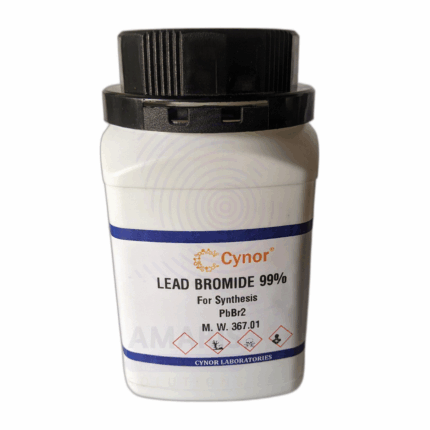
Lead Bromide Extra Pure
Lead Bromide Extra Pure is a high-purity inorganic compound with the formula PbBr₂, appearing as a white to pale yellow crystalline solid. It is commonly used in laboratory settings for materials research, particularly in the development of photovoltaic cells, optoelectronic devices, and perovskite-based semiconductors. In analytical chemistry, it can serve as a reagent or intermediate in complex synthesis. Due to its low solubility in water and its thermal properties, it is also explored in crystal growth studies. As with all lead compounds, strict safety precautions must be observed during handling due to its toxic nature.
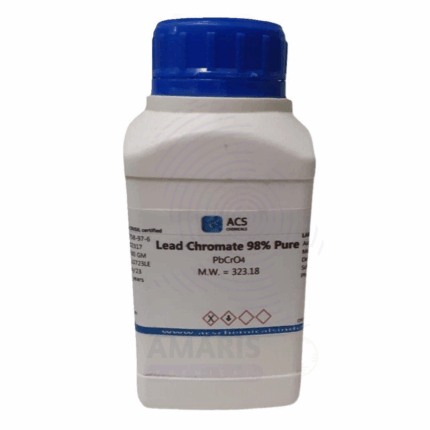
Lead Chromate Extra Pure
Lead Chromate Extra Pure is a bright yellow crystalline powder with the chemical formula PbCrO₄, known for its vivid pigmentation and high stability. This high-purity grade is commonly used in analytical laboratories, academic research, and historical pigment studies, particularly in the creation of reference standards and specialized reactions. It was historically used as a pigment (chrome yellow) in paints, plastics, and ceramics, although such applications have declined due to toxicity concerns. Lead chromate remains relevant in educational demonstrations, qualitative analysis, and scientific formulations where precise chemical behavior is required. Due to its carcinogenic and toxic nature, it must be handled with appropriate protective equipment and stored securely.
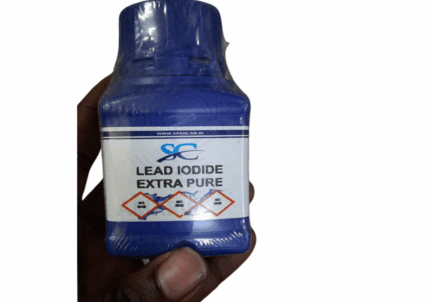
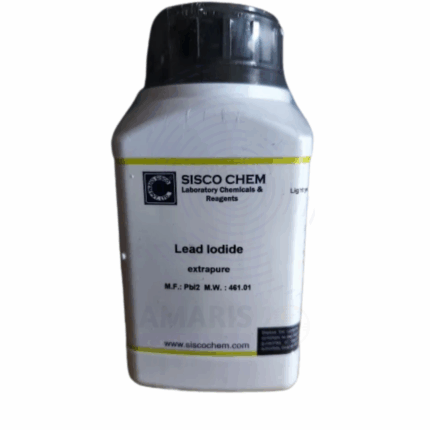
Lead Iodide Extra Pure
Lead Iodide Extra Pure is a bright yellow crystalline compound with the formula PbI₂, known for its striking color and high chemical purity, making it ideal for laboratory and research use. It is commonly used in materials science, especially in the fabrication of perovskite solar cells and semiconductors, due to its optical properties and ability to form thin films. In academic research, it plays a role in crystal growth experiments, and its distinct color change upon heating serves as a classic demonstration in chemistry education. Owing to its lead content, appropriate handling precautions and environmental safeguards are essential when working with this compound.
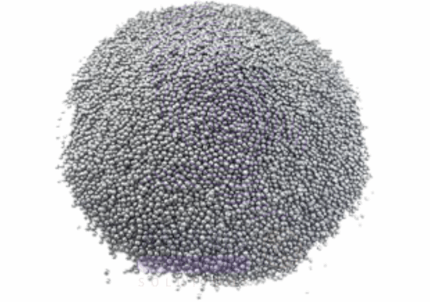
Lead Shot Extra Pure
Lead Shot Extra Pure consists of small, spherical pellets of high-purity lead, typically used in specialized industrial, laboratory, and ballistic applications. In laboratories, it serves as a dense, inert mass ideal for radiation shielding, counterweights, or ball-milling media due to its excellent malleability and high atomic mass. In metallurgy, it can be employed in alloy preparation or as a reducing agent under specific conditions. Its consistent size and purity make it especially useful where uniformity and minimal contamination are critical. Safe handling is essential, as lead is toxic, and prolonged exposure can pose serious health hazards. Proper PPE, ventilation, and disposal methods are mandatory.
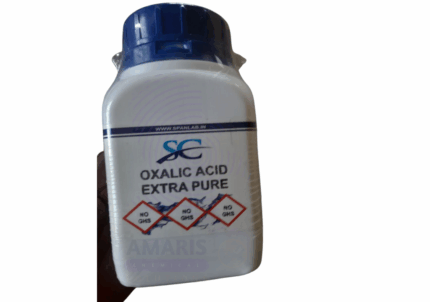
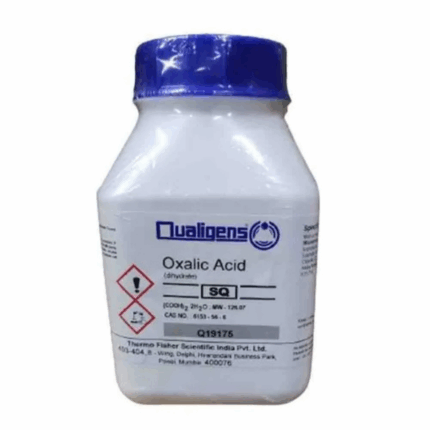
Oxalic Acid Extra Pure
Oxalic Acid Extra Pure is a high-purity, crystalline organic compound known for its strong reducing and chelating properties. Appearing as a white, odorless solid, it is highly soluble in water and widely utilized in both laboratory and industrial settings.
This Extra Pure grade ensures reliable performance in analytical chemistry, metal cleaning, rust removal, and rare earth element processing. In the laboratory, it is commonly used to precipitate calcium ions and to prepare standard solutions for titration. In industries, Oxalic Acid is valued for its effectiveness in bleaching wood, cleaning marble, and removing iron stains from surfaces and textiles. Due to its toxicity and corrosiveness, it must be handled with appropriate personal protective equipment and stored securely in a cool, dry, well-ventilated area.
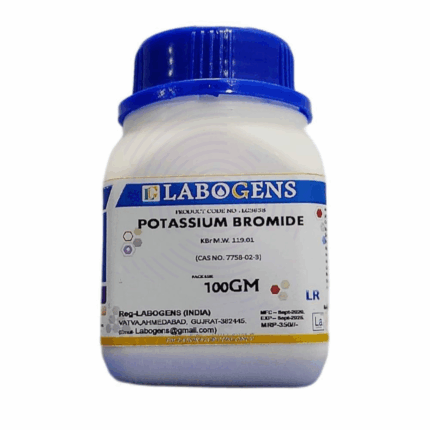
Potassium Bromide Extra Pure
Potassium Bromide Extra Pure is a highly refined, white crystalline compound with the chemical formula KBr, renowned for its exceptional purity and broad utility in scientific, medical, and industrial contexts. Its stable, non-hygroscopic nature and excellent solubility in water make it a reliable reagent in laboratory settings where consistency and accuracy are crucial.
This compound plays a central role in infrared (IR) spectroscopy, particularly for preparing transparent pellets that allow for the clear transmission of IR radiation, enabling the analysis of organic compounds. In the pharmaceutical sector, Potassium Bromide has a legacy use as an anticonvulsant and sedative, especially in veterinary practices for managing seizures. It's also employed in photographic processing in the formulation of light-sensitive silver bromide emulsions and in some chemical synthesis pathways requiring bromide ions.
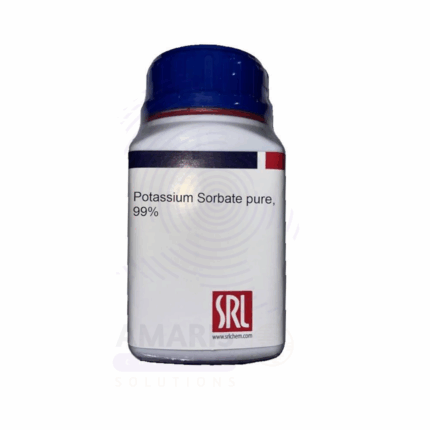
Potassium Sorbate Extra Pure
Potassium Sorbate Extra Pure is a high-grade preservative commonly used in laboratory research, food preservation, cosmetics, and pharmaceuticals. Known for its effectiveness in inhibiting the growth of molds, yeasts, and fungi, it is a preferred choice for extending shelf life in various formulations. Its excellent solubility in water and low toxicity make it suitable for sensitive applications where purity is critical. In food and beverage testing or development, it plays a key role in microbial control without altering taste or color. The extra pure designation ensures minimal impurities, supporting accurate and consistent experimental or formulation outcomes.
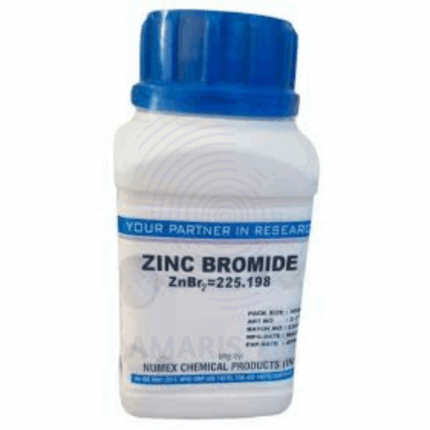
Zinc Bromide Extra Pure
Zinc Bromide Extra Pure is a high-purity inorganic compound with the formula ZnBr₂, appearing as a white to off-white crystalline solid. It is highly soluble in water, making it valuable in laboratory and industrial chemical processes requiring both zinc and bromide ions. This compound is widely used in analytical chemistry, organic synthesis, and as a high-density material for industrial applications such as drilling fluids and radiation shielding. Its Extra Pure grade guarantees minimal impurities, ensuring reproducibility and accuracy in research and formulation. Zinc Bromide is stable under normal conditions but requires careful handling due to its potential to cause irritation and its toxicity in aquatic environments. Proper storage involves protection from moisture and incompatible chemicals, with safety measures emphasizing PPE and environmental precautions.












