

 Preservatives(food)
 Flavor Enhancers
 Acidulants
 Sweeteners
 Antioxidants
 Colorants(food)
 Nutraceutical Ingredients (food)
 Nutrient Supplements
 Emulsifiers
 Collectors
 Dust Suppressants
 Explosives and Blasting Agents
 Flocculants and Coagulants
 Frothers
 Leaching Agents
 pH Modifiers
 Precious Metal Extraction Agents
 Antioxidants(plastic)
 Colorants (Pigments, Dyes)
 Fillers and Reinforcements
 Flame Retardants
 Monomers
 Plasticizers
 Polymerization Initiators
 Stabilizers (UV, Heat)
 Antifoaming Agents
 Chelating Agents
 Coagulants and Flocculants
 Corrosion Inhibitors
 Disinfectants and Biocides
 Oxidizing Agents
 pH Adjusters
 Scale Inhibitors( water)
 Antioxidants(cosmetic)
 Emollients
 Fragrances and Essential Oils
 Humectants
 Preservatives
 Surfactants(cosmetic)
 Thickeners
 UV Filters
 Fertilizers
 Soil Conditioners
 Plant Growth Regulators
 Animal Feed Additives
 Biostimulants
 Pesticides (Herbicides, Insecticides, Fungicides)
 Active Pharmaceutical Ingredients (APIs)
 Excipients
 Solvents(pharmaceutical)
 Antibiotics
 Antiseptics and Disinfectants
 Vaccine Adjuvants
 Nutraceutical Ingredients (pharmaceutical)
 Analgesics & Antipyretics
 Analytical Reagents
 Solvents(lab)
 Chromatography Chemicals
 Spectroscopy Reagents
 microbiology-and-cell-culture-reagents
 Molecular Biology Reagents
 Biochemical Reagents
 Inorganic and Organic Standards
 Laboratory Safety Chemicals
 Specialty Laboratory Chemicals(Special Laboratory Equipment)
 Demulsifiers
 Hydraulic Fracturing Fluids
 Scale Inhibitors(oil)
 Surfactants(oil)
 Drilling Fluids
 Dyes and Pigments
 Bleaching Agents
 Softening Agents
 Finishing Agents
 Antistatic Agents
 Admixtures
 Waterproofing Agents
 Sealants and Adhesives
 Curing Compounds
 Concrete Repair Chemicals
 Anti-Corrosion Coatings
 Surfactants(cleaning)
 Builders
 Enzymes
 Solvents (Cleaning)
 Fragrances
 Electronic Chemicals
 Catalysts
 Lubricants
 Photographic Chemicals
 Refrigerants
 Automotive chemicals
 Pyrotechnic Chemicals
 Biodegradable Surfactants
 Bio-based Solvents
 Renewable Polymers
 Carbon Capture Chemicals
 Wastewater Treatment Chemicals
 Pigments
 Solvents(paint)
 Specialty Coatings
 Binders/Resins
 Additives
 Driers
 Anti-Corrosion Agents
 Functional Coatings
 Application-Specific Coatings
 Leavening Agents
 Dough Conditioners
 Flour Treatments
 Fat Replacers
 Decoratives
 Preservatives(baking)
 Plasticizers & Softeners
 Reinforcing Agents
 Adhesion Promoters
 Vulcanizing Agents
 Antidegradants
 Blowing Agents
 Fillers & Extenders
 Accelerators & Retarders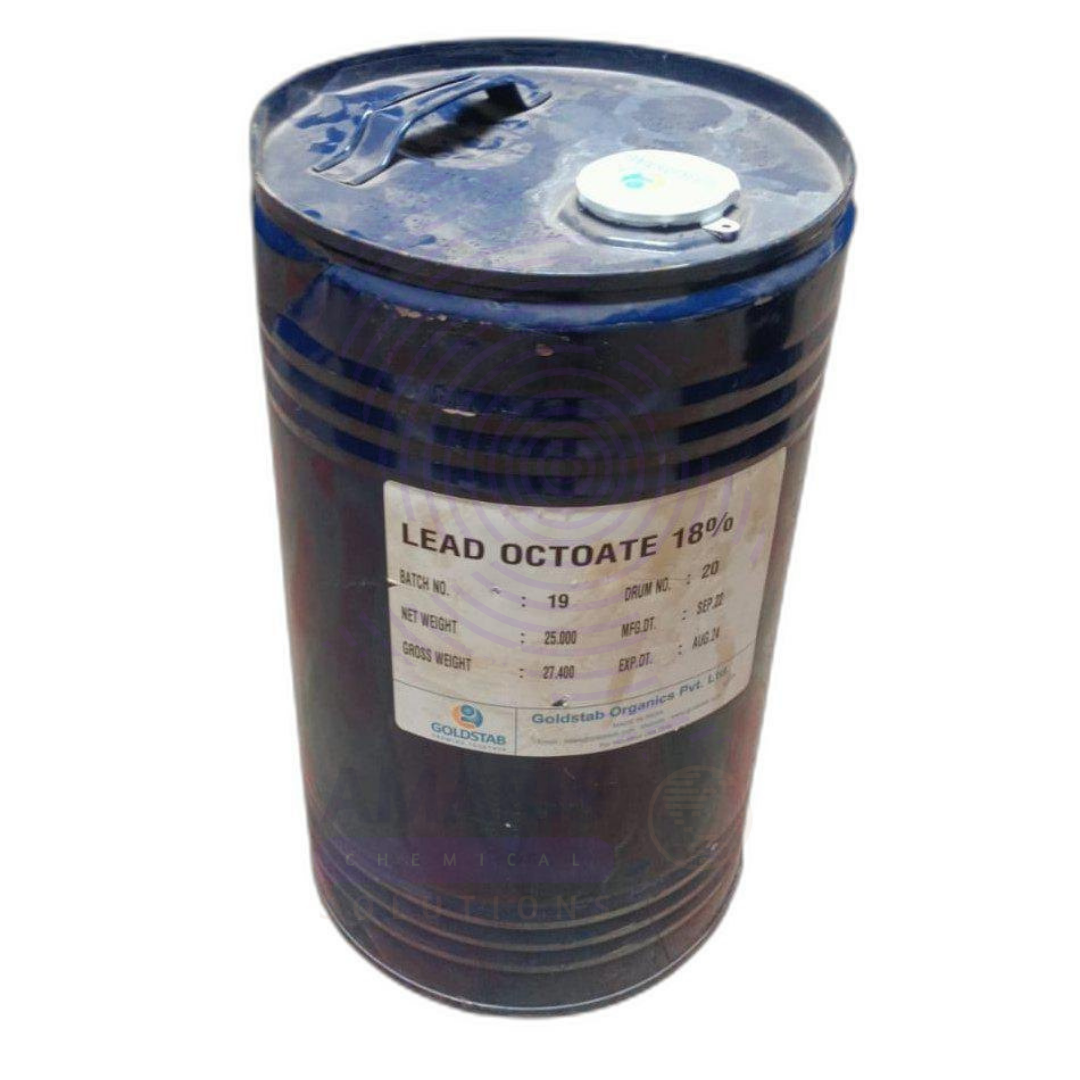

Lead Octoate
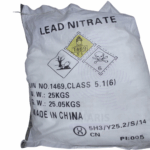
Lead Octoate is a viscous liquid solution containing 30% lead octoate, a metal soap derived from lead and 2-ethylhexanoic acid (also known as octanoic acid). It is primarily used as a drying agent (drier) in paints, varnishes, and coatings to accelerate the curing process by promoting oxidation and polymerization of drying oils. This product is widely employed in industrial coatings to improve drying times, hardness, and durability of surface films. Packaged typically in 250kg drums, Lead Octoate 30% is handled with care due to the toxic nature of lead compounds.
Lead Octoate
Primary Uses
- Paints and Coatings Industry
- Functions as a primary drier in alkyd, oil-based, and other air-drying paints and varnishes to accelerate surface drying.
- Enhances hardness, gloss, and adhesion of coatings by promoting oxidative cross-linking of oils.
- Used in industrial, automotive, and marine coatings where fast drying and durability are essential.
- Ink Manufacturing
- Applied as a drying agent in printing inks, especially those based on oils or alkyd resins.
- Rubber and Plastics Industry
- Used as a catalyst for curing and processing rubber compounds and some plastic formulations.
Secondary Uses
- Leather Finishing
- Occasionally used as a catalyst in leather finishing formulations to improve drying and film formation.
- Adhesives and Sealants
- Acts as a curing accelerator in certain adhesive and sealant products involving oil-based components.
- Chemical Intermediates
- Employed in small quantities in chemical syntheses involving metal soaps and organometallic catalysts.
1. Basic Identification Attributes
- Chemical Name (IUPAC): Lead(II) 2-ethylhexanoate (solution in oil or solvent)
- Common/Trade Name: Lead Octoate 30%
- CAS Number: 301-04-2 (Lead 2-ethylhexanoate)
- HS Code: 3824.90.00
- Synonyms: Lead 2-ethylhexanoate; Lead octanoate; Lead metal soap; Lead drying agent
2. Physical & Chemical Properties
- Physical State: Viscous liquid
- Color & Odor: Pale yellow to amber; characteristic mild odor
- Solubility: Insoluble in water; soluble in oils and organic solvents
- Density: Approximately 1.1 – 1.2 g/cm³ (varies by formulation)
- Flash Point: Depends on solvent content, typically above 100 °C (may vary)
3. Safety & Hazard Attributes
- GHS Classification: Toxic (Category 1); Skin sensitizer; Hazardous to aquatic environment
- Toxicity: Highly toxic due to lead content; harmful if inhaled, ingested, or absorbed through skin
- Exposure Limits: OSHA PEL for lead compounds: 50 µg/m³ (airborne lead)
4. Storage & Handling Attributes
- Storage Conditions: Store in tightly sealed containers in a cool, dry, well-ventilated area away from heat, sparks, and open flames
- Container Type: 250kg steel or plastic drums designed for hazardous liquids
- Shelf Life: Typically 12-24 months if stored properly
- Handling Precautions: Use full PPE including gloves, goggles, and respiratory protection; avoid skin contact and inhalation of vapors
5. Regulatory & Compliance Attributes
- Subject to strict regulations for lead compounds under OSHA, REACH, and EPA
- Labeling required for toxic, hazardous, and environmental risks
- Usage restricted or phased out in some regions due to lead toxicity concerns
6. Environmental & Health Impact
- Biodegradability: Not biodegradable
- Ecotoxicity: Highly toxic to aquatic life with long-lasting effects
- Bioaccumulation: Lead compounds bioaccumulate in organisms, causing environmental hazards
- Carcinogenicity/Mutagenicity: Lead is classified as a probable human carcinogen
Safety Handling Precautions
- PPE Required: Chemical-resistant gloves, safety goggles, protective clothing, and respirators in poorly ventilated areas
- Handling Guidelines: Use in well-ventilated spaces; avoid inhalation, ingestion, and skin contact; follow strict hygiene practices
- Storage Measures: Store away from incompatible substances like acids, oxidizers, and moisture
First Aid Measures
- Inhalation: Move to fresh air immediately; seek medical attention if symptoms persist
- Skin Contact: Wash affected area with soap and water thoroughly; seek medical advice if irritation occurs
- Eye Contact: Rinse eyes with plenty of water for 15 minutes; get medical help
- Ingestion: Do not induce vomiting; rinse mouth and seek urgent medical attention
Firefighting Measures
- Fire Hazards: Not highly flammable but may ignite under certain conditions due to solvent content
- Extinguishing Media: Use foam, dry chemical, or carbon dioxide extinguishers
- Special Precautions: Firefighters should wear full protective gear and self-contained breathing apparatus
- Hazardous Combustion Products: May produce lead oxides and toxic fumes upon combustion
Related products
Calcium Drier
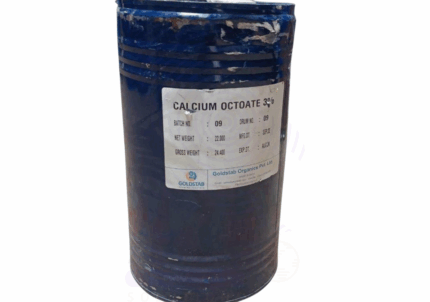
Calcium Drier is a metal-based drying agent primarily composed of calcium salts of fatty acids (commonly calcium octoate or calcium linoleate), widely used as a siccative in paints, varnishes, inks, and coatings. It functions as a catalyst to accelerate the oxidative cross-linking and polymerization of drying oils, leading to faster drying times and improved film hardness and durability. Calcium Driers are valued for their good compatibility with other driers, low toxicity, and efficient catalytic activity at low concentrations. They are commonly used alone or in combination with other metal driers such as cobalt or manganese driers for optimized drying performance.
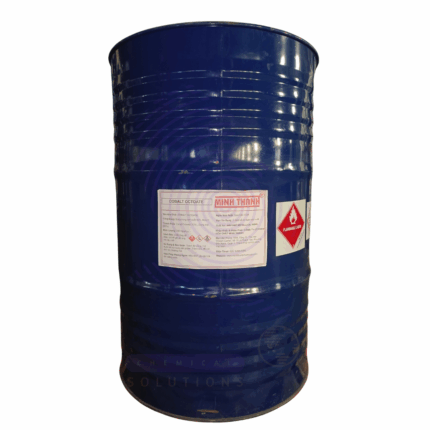
Cobalt Octoate
Cobalt Octoate is a liquid metal drying agent solution consisting of 10% cobalt octoate dissolved in an organic solvent carrier (typically mineral spirits or similar hydrocarbon solvent). It functions as a highly efficient catalyst to accelerate the oxidative curing and drying of alkyd resins, oils, and varnishes in coatings and paints. By promoting cross-linking and polymerization of unsaturated fatty acids in drying oils upon exposure to oxygen, it significantly reduces drying time and enhances film hardness, gloss, and durability. Cobalt Octoate 10% is widely used in industrial and decorative coatings, inks, and adhesives, valued for its strong catalytic activity even at low concentrations.
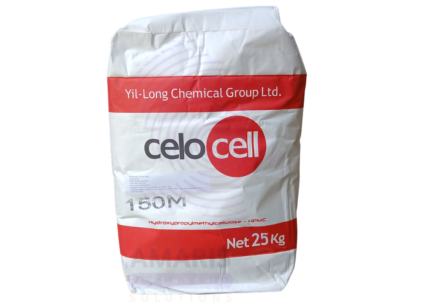
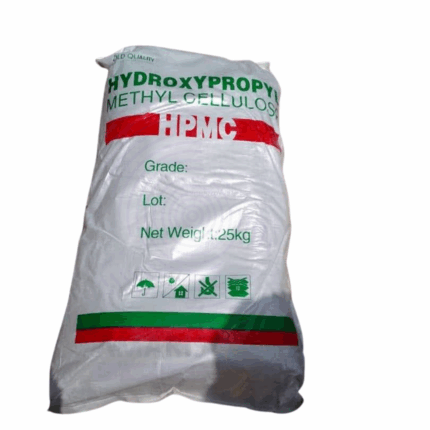
Hydroxypropyl Methylcellulose
Hydroxypropyl Methylcellulose HPMC, also known as hypromellose, is a semi-synthetic, non-ionic cellulose ether derived by chemically modifying cellulose through methylation and hydroxypropylation. It is a white to off-white, odorless, tasteless powder that dissolves in cold water to form clear, viscous solutions. HPMC is renowned for its thickening, film-forming, emulsifying, and controlled-release properties. It is widely used in pharmaceuticals, food, cosmetics, construction, and industrial applications due to its safety profile, versatility, and compatibility with various ingredients.
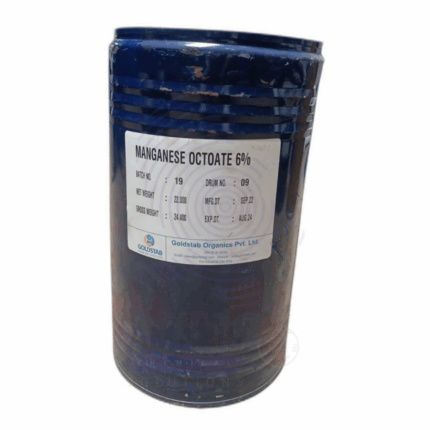
Manganese Octate Drier
Manganese Octate Drier is a metal-organic compound commonly used as an oxidative catalyst in alkyd and oil-based coating systems. It is a manganese salt of 2-ethylhexanoic acid (octanoic acid) dissolved in a compatible organic solvent, typically white spirit or hydrocarbon thinner. At a 10% metal concentration, this drier functions as a primary oxidative (surface) drier, accelerating the polymerization and hardening of unsaturated oils and alkyd resins upon exposure to air. It exhibits a dark brown to violet color, has low viscosity, and is highly effective in small doses.
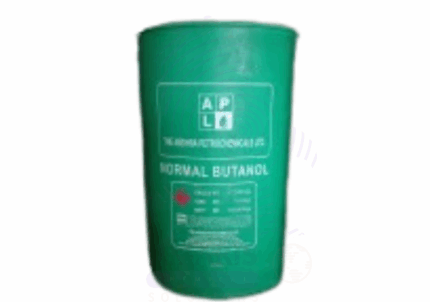
N-Butanol
N-Butanol (1-butanol) is a four-carbon linear alcohol with the chemical formula C₄H₉OH. It is a colorless, flammable liquid with a mild, alcoholic odor. N-Butanol is widely used as a solvent in paints, coatings, adhesives, and chemical synthesis. It serves as an intermediate in the manufacture of plasticizers, butyl acrylate, and other chemicals. Its moderate volatility and solvent properties make it valuable in industrial and commercial applications.
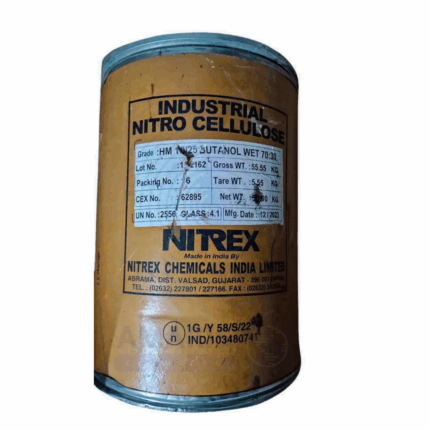
Nitro Cellulose
Nitro Cellulose is a highly flammable compound produced by nitrating cellulose through exposure to nitric acid and sulfuric acid. It is a versatile material widely used in coatings, lacquers, explosives, and propellants due to its film-forming properties and rapid drying capability. Nitro Cellulose is available in various grades depending on the nitrogen content and viscosity, making it suitable for industrial, commercial, and military applications.
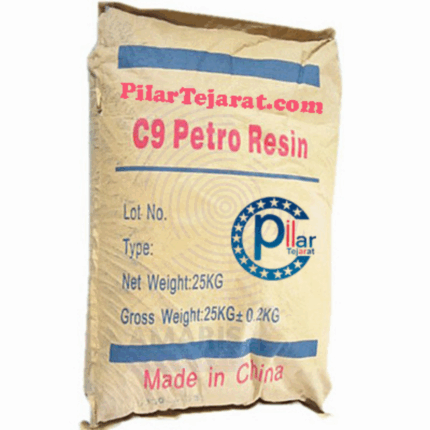
Petroleum Resin C9 Hydrocarbon
Petroleum Resin C9 Hydrocarbon is a thermoplastic hydrocarbon resin derived from the C9 fraction of petroleum cracking. It is a tackifying resin with excellent compatibility with various polymers, especially in adhesives, paints, rubber, and coatings industries. Known for its good color stability, fast curing, and strong adhesion properties, C9 Petroleum Resin enhances product performance in many industrial applications.
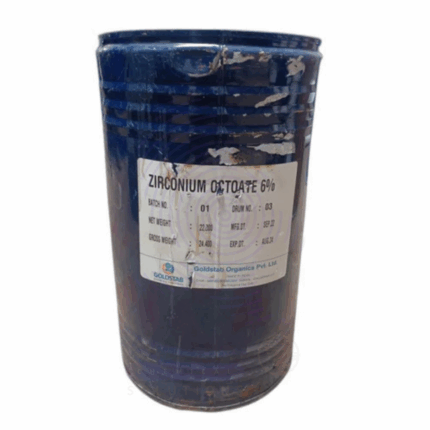
Zicronium Octoate
Zicronium Octoate is a metal carboxylate solution comprising zirconium ions complexed with octoic acid at an 18% zirconium concentration. It serves as an effective crosslinking and curing agent in coatings, adhesives, and sealants, enhancing film hardness, chemical resistance, and durability. This zirconium-based additive is valued for its catalytic properties in accelerating the curing of various polymer systems, especially in automotive and industrial applications.












