

 Preservatives(food)
 Flavor Enhancers
 Acidulants
 Sweeteners
 Antioxidants
 Colorants(food)
 Nutraceutical Ingredients (food)
 Nutrient Supplements
 Emulsifiers
 Collectors
 Dust Suppressants
 Explosives and Blasting Agents
 Flocculants and Coagulants
 Frothers
 Leaching Agents
 pH Modifiers
 Precious Metal Extraction Agents
 Antioxidants(plastic)
 Colorants (Pigments, Dyes)
 Fillers and Reinforcements
 Flame Retardants
 Monomers
 Plasticizers
 Polymerization Initiators
 Stabilizers (UV, Heat)
 Antifoaming Agents
 Chelating Agents
 Coagulants and Flocculants
 Corrosion Inhibitors
 Disinfectants and Biocides
 Oxidizing Agents
 pH Adjusters
 Scale Inhibitors( water)
 Antioxidants(cosmetic)
 Emollients
 Fragrances and Essential Oils
 Humectants
 Preservatives
 Surfactants(cosmetic)
 Thickeners
 UV Filters
 Fertilizers
 Soil Conditioners
 Plant Growth Regulators
 Animal Feed Additives
 Biostimulants
 Pesticides (Herbicides, Insecticides, Fungicides)
 Active Pharmaceutical Ingredients (APIs)
 Excipients
 Solvents(pharmaceutical)
 Antibiotics
 Antiseptics and Disinfectants
 Vaccine Adjuvants
 Nutraceutical Ingredients (pharmaceutical)
 Analgesics & Antipyretics
 Analytical Reagents
 Solvents(lab)
 Chromatography Chemicals
 Spectroscopy Reagents
 microbiology-and-cell-culture-reagents
 Molecular Biology Reagents
 Biochemical Reagents
 Inorganic and Organic Standards
 Laboratory Safety Chemicals
 Specialty Laboratory Chemicals(Special Laboratory Equipment)
 Demulsifiers
 Hydraulic Fracturing Fluids
 Scale Inhibitors(oil)
 Surfactants(oil)
 Drilling Fluids
 Dyes and Pigments
 Bleaching Agents
 Softening Agents
 Finishing Agents
 Antistatic Agents
 Admixtures
 Waterproofing Agents
 Sealants and Adhesives
 Curing Compounds
 Concrete Repair Chemicals
 Anti-Corrosion Coatings
 Surfactants(cleaning)
 Builders
 Enzymes
 Solvents (Cleaning)
 Fragrances
 Electronic Chemicals
 Catalysts
 Lubricants
 Photographic Chemicals
 Refrigerants
 Automotive chemicals
 Pyrotechnic Chemicals
 Biodegradable Surfactants
 Bio-based Solvents
 Renewable Polymers
 Carbon Capture Chemicals
 Wastewater Treatment Chemicals
 Pigments
 Solvents(paint)
 Specialty Coatings
 Binders/Resins
 Additives
 Driers
 Anti-Corrosion Agents
 Functional Coatings
 Application-Specific Coatings
 Leavening Agents
 Dough Conditioners
 Flour Treatments
 Fat Replacers
 Decoratives
 Preservatives(baking)
 Plasticizers & Softeners
 Reinforcing Agents
 Adhesion Promoters
 Vulcanizing Agents
 Antidegradants
 Blowing Agents
 Fillers & Extenders
 Accelerators & Retarders



Naphthalene Powder Extra Pure
Original price was: $ 18.00.$ 17.78Current price is: $ 17.78.
Naphthalene Powder Extra Pure is a fine, white to pale crystalline powder composed of high-purity naphthalene (C₁₀H₈), valued for its consistent quality and volatile aromatic properties. This form is particularly suitable for laboratory use, where controlled dosing and faster sublimation are required. The powder is widely utilized in organic synthesis, standardization experiments, and melting point calibration, owing to its stable molecular structure and high sublimation rate.
In industrial and technical contexts, naphthalene powder serves as a precursor in dye manufacturing, plasticizer production, and pesticide formulation. It is also used as a fumigant for controlling pests in storage environments, similar to its use in ball form, but with faster release due to the increased surface area. Despite its utility, the powder must be handled with care—used in well-ventilated areas, kept away from ignition sources, and stored in sealed containers—due to its flammability and potential health effects from prolonged inhalation.
Naphthalene Powder Extra Pure
Primary Uses
- Reactant in Organic Chemical Synthesis
- Used as a starting material or precursor for the industrial and laboratory-scale synthesis of compounds like phthalic anhydride (via catalytic oxidation), sulfonated naphthalene (used in concrete plasticizers), and azo dyes. The powder form provides a high surface area, leading to faster and more efficient reaction rates.
- Raw Material for Formulating Pesticides
- Serves as the active ingredient in the manufacturing of moth repellents, soil fumigants, and other pesticide products. The fine powder is easily mixed with other carriers, binders, and co-fumigants to create pellets, cakes, or dust formulations.
- Fuel and Combustion Additive
- Incorporated into solid fuel propellants and pyrotechnic compositions to increase the fuel content and control burning characteristics. The powder’s high surface area allows for rapid, controlled combustion. It is also studied in fuel additives for soot suppression.
- Intermediate in Dye and Pigment Production
- Acts as a fundamental building block in the chemical industry for producing a wide range of synthetic dyes, particularly azo dyes, and organic pigments. Its powdered state is optimal for handling in large-scale chemical processes like diazotization and coupling reactions.
Secondary Uses
- Teaching Tool for Purification Techniques
- An excellent substance for teaching laboratory techniques such as re-crystallization (using solvents like ethanol) and sublimation due to its “extra pure” grade and well-defined crystal structure upon cooling, allowing students to practice and observe purification methods.
- Solvent for Specific Industrial Applications
- Used as a low-cost, volatile solvent for some organic compounds in specific industrial applications, such as the formulation of certain oils, resins, or in the production of carbonaceous materials.
- Study of Sublimation Kinetics and Crystal Growth
- The powder form is ideal for quantitative experiments studying the kinetics of sublimation (mass loss over time) under different temperatures and pressures. It is also used to seed and study the growth of large, pure naphthalene crystals.
- Component in Composite Materials and Plastics
- Investigated and used as a filler or organic modifier in some polymer composites and as a raw material in the synthesis of certain high-performance plastics and resins, such as polyvinyl chloride (PVC) stabilizers and epoxy hardeners.
| PACK SIZE | 500 grams Plastic Tin |
|---|
1. Basic Identification Attributes
- Chemical Name: Naphthalene
- CAS Number: 91-20-3
- HS Code: 2902.90.00
- Molecular Formula: C₁₀H₈
- Synonyms: α-Naphthalene, White Tar, Naphthalin, Tar Camphor, Naphthene
2. Physical & Chemical Properties
- Physical State: Solid (fine powder)
- Color & Odor: White to pale brown powder with strong aromatic odor
- Boiling Point: 218 °C
- Melting Point: 80.2 °C
- Density: ~1.14 g/cm³
- Solubility: Insoluble in water; soluble in alcohol, ether, chloroform, benzene
- pH Level: Not applicable (neutral organic compound)
- Vapor Pressure: 0.087 mmHg at 25 °C
- Flash Point: 79 °C (closed cup)
- Autoignition Temperature: 527 °C
- Viscosity: Not applicable (solid)
3. Safety & Hazard Attributes
- Hazard Class (GHS):
- Flammable Solid (Category 2)
- Acute Toxicity, Oral (Category 4)
- Carcinogenicity (Category 2)
- Chronic Aquatic Toxicity (Category 1)
- NFPA Ratings:
- Health: 2
- Flammability: 2
- Reactivity: 0
- Exposure Limits:
- OSHA PEL: 10 ppm (50 mg/m³)
- ACGIH TLV: 10 ppm (skin)
- Reactivity: Stable under normal conditions; avoid oxidizing agents and ignition sources
4. Storage & Handling Attributes
- Storage Conditions: Store in a cool, dry, well-ventilated area away from open flames and heat
- Incompatible Materials: Oxidizers such as nitric acid, chromates, and chlorine
- Container Type: Use tightly sealed, chemically resistant containers
- Shelf Life & Expiration Date: Stable for several years if stored properly
- Special Handling Requirements: Use in a fume hood; wear gloves, goggles, and dust mask to avoid inhalation and skin contact
5. Regulatory & Compliance Attributes
- Regulatory Status:
- EPA: Listed as hazardous air pollutant
- REACH: Registered substance
- OSHA: Listed hazardous chemical
- DOT: Regulated for transport
- Hazard Symbols:
- Flame, Exclamation Mark, Health Hazard, Environment
- Transportation Restrictions:
- UN Number: UN1334
- Hazard Class: 4.1 (Flammable Solid)
- Waste Disposal Method: Dispose of according to local, regional, and national regulations under hazardous waste category (RCRA)
6. Environmental & Health Impact
- Ecotoxicity: Highly toxic to aquatic organisms with long-lasting effects
- Persistence in Environment: Volatile and semi-persistent; may accumulate in soil and sediments
- Carcinogenicity/Mutagenicity:
- IARC: Group 2B (Possibly carcinogenic to humans)
- OSHA: Potential occupational carcinogen
Biodegradability: Moderate under aerobic conditions; slow in anaerobic environments
SAFETY PRECAUTIONS
Personal Protective Equipment (PPE):
- Wear a lab coat, chemical-resistant gloves (e.g., nitrile), and protective goggles.
- Use a suitable dust mask or operate within a fume hood to prevent inhalation of fine particles.
Handling:
- Avoid generation of dust and avoid breathing it in.
- Prevent contact with skin, eyes, and clothing.
- Wash hands and face thoroughly after handling.
- Do not eat, drink, or smoke when using this product.
Storage:
- Store in a cool, dry, and well-ventilated area.
- Keep the container tightly sealed and away from heat or ignition sources.
- Store separately from oxidizing agents and acids.
FIRST AID MEASURES
Inhalation:
- Remove to fresh air immediately.
- If breathing is difficult, administer oxygen and seek medical attention.
Skin Contact:
- Wash with soap and plenty of water.
- Remove contaminated clothing.
- Get medical attention if irritation develops.
Eye Contact:
- Rinse cautiously with clean water for several minutes.
- Remove contact lenses if present and easy to do.
- Continue rinsing and seek medical help if irritation persists.
Ingestion:
- Rinse your mouth thoroughly with water.
- Do not induce vomiting.
- Seek immediate medical advice—naphthalene is harmful if swallowed.
FIRE FIGHTING MEASURES
Flammability:
- Flammable in powder form; fine dust can form explosive mixtures with air.
Extinguishing Media:
- Use dry chemicals, foam, or CO₂.
- Water spray may be used to cool containers but could spread dust.
Hazardous Combustion Products:
- Emits carbon monoxide, carbon dioxide, and irritating fumes upon combustion.
Firefighter Protection:
- Wear self-contained breathing apparatus (SCBA) and full fire-resistant gear.
- Avoid inhaling combustion vapors or dust.
Related products
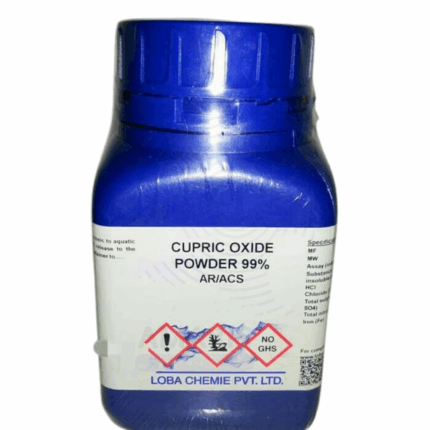
Cupric Oxide Extra Pure
Cupric Oxide Extra Pure is a black, fine powder extensively used in laboratory settings as a stable, high-purity source of copper in oxidation state +2. It is commonly applied in organic synthesis, inorganic reactions, and thermal decomposition studies, as well as in qualitative and quantitative analysis of copper. Its thermal stability also makes it suitable for ceramic glazing and as a precursor in catalyst preparation. This extra pure grade ensures low impurity levels, essential for accurate experimental results and reproducible data in both educational and research laboratories. It should be stored in a tightly sealed container away from moisture and strong acids.
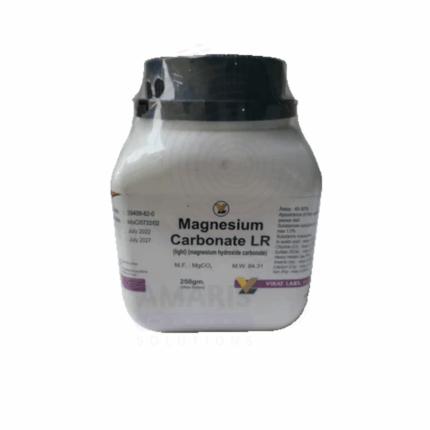
Magnesium Carbonate Extra Pure
Magnesium Carbonate Extra Pure is a high-purity, white powder valued for its excellent absorbent and antacid qualities. It is commonly used in pharmaceuticals as a magnesium supplement or antacid, and in food applications as a drying agent, anti-caking agent, or acidity regulator. In the cosmetics and personal care industry, it functions as a filler and a bulking agent in powders and creams. It is also employed in laboratory settings for analytical applications due to its consistent chemical composition. Its high absorbency and stability make it useful in rubber, ceramics, and sports grip products as well.
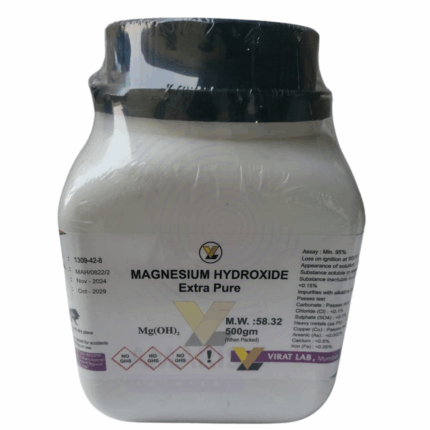
Magnesium Hydroxide Heavy Extra Pure
Magnesium Hydroxide Heavy Extra Pure is a high-purity, dense white powder widely utilized for its antacid and absorbent properties. In pharmaceutical formulations, it acts as a gentle laxative and an effective antacid to neutralize stomach acid. Due to its high purity, it is also used in laboratory experiments and analytical chemistry where precise reactions are essential. In cosmetic and personal care products, it functions as a pH adjuster and an absorbent in creams, lotions, and deodorants. Additionally, it serves roles in wastewater treatment, flame retardants, and ceramic manufacturing, offering consistent performance and low impurity content.
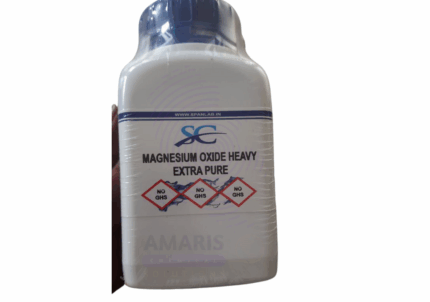
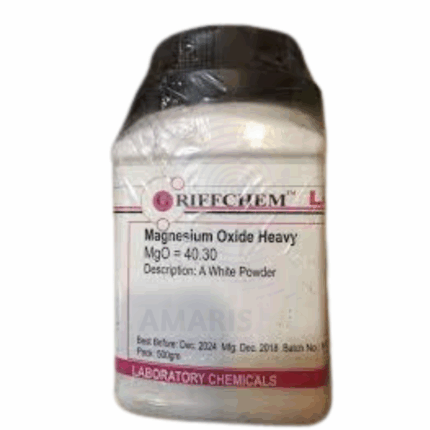
Magnesium Oxide Heavy Extra Pure
Magnesium Oxide Heavy Extra Pure is a high-purity, dense white powder prized for its excellent thermal stability, high melting point, and chemical inertness. It is widely used in laboratory applications as a standard reagent, pH adjuster, and desiccant. In pharmaceuticals, it functions as an antacid and a magnesium supplement, while in industrial processes, it is essential for producing refractory materials, ceramics, and insulating products due to its high heat resistance. The "heavy" form refers to its higher bulk density, making it particularly useful in applications where volume constraints are critical. Its extra pure grade ensures it meets the stringent demands of high-precision research and formulation work.
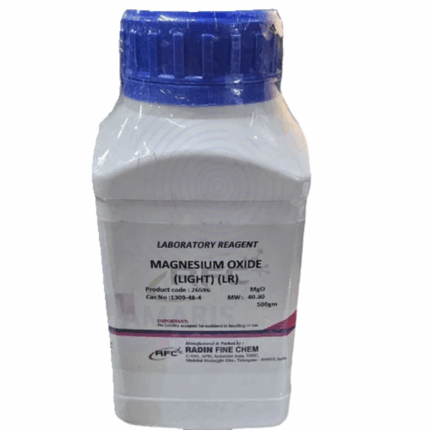
Magnesium Oxide Light Powder Extra Pure
Magnesium Oxide Light Powder Extra Pure is a fine, white, odorless powder with a lower bulk density compared to the heavy grade, offering high surface area and excellent reactivity. It is widely used in analytical laboratories, pharmaceuticals, and cosmetics due to its purity and gentle chemical behavior. In pharmaceutical formulations, it acts as an antacid and magnesium supplement, while in cosmetics, it is used for its absorbent and pH-adjusting properties. Its light, fluffy texture also makes it ideal for use in rubber, plastics, and coatings as a filler, stabilizer, or neutralizing agent. The extra pure grade ensures consistent quality for precise and sensitive applications.
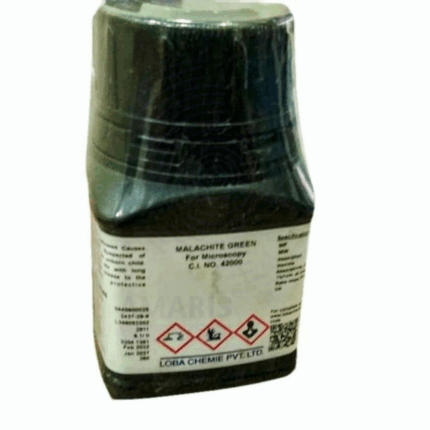
Malachite Green Extra Pure
Malachite Green Extra Pure is a synthetic dye of exceptional purity, recognized for its intense green coloration and versatile laboratory uses. It is commonly used as a biological stain, especially in microbiology for identifying and differentiating bacterial species, and in histology for staining cell structures. Additionally, Malachite Green serves as an effective fungicide and antiparasitic agent in aquaculture and laboratory testing. Its high purity ensures reliable performance in analytical applications, including redox titrations and as a pH indicator in specific chemical reactions. Its vivid color and chemical stability make it a valuable reagent in both teaching and professional research settings.
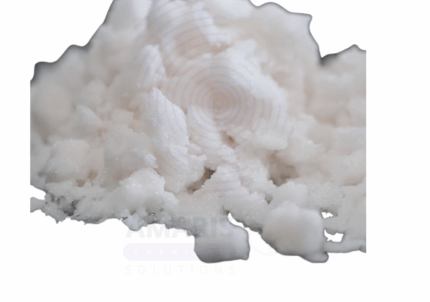
Manganous Dihydrogen Phosphate Extra Pure
Manganous Dihydrogen Phosphate Extra Pure is a high-purity, white to pale pink crystalline compound composed of manganese and phosphate ions. It is primarily used in analytical chemistry, research laboratories, and specialized industrial processes where a precise and reliable manganese source is required. This compound is valued for its solubility in water and its role as a reagent in studies involving nutrient uptake, coordination chemistry, and phosphate-related reactions. Additionally, it finds niche applications in fertilizers and micronutrient formulations, particularly in controlled agricultural studies. Its extra pure grade ensures minimal contamination, making it suitable for sensitive experiments and formulations.
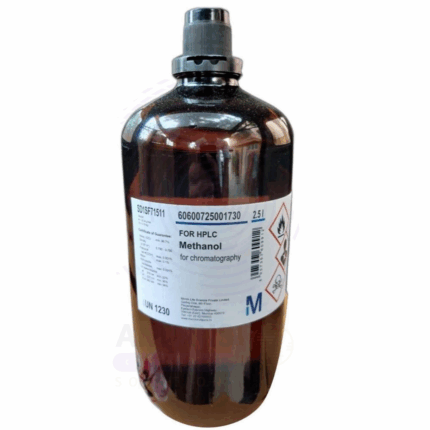
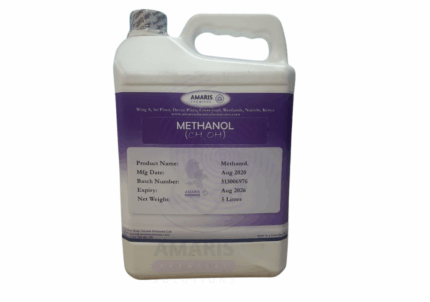
Methanol Extra Pure
Methanol Extra Pure is a clear, colorless, and highly volatile liquid with a mild alcohol-like odor, refined to an exceptional level of purity. It is widely used as a solvent in laboratories and industrial settings due to its excellent miscibility with water and many organic compounds. Methanol serves as a key reagent in chemical synthesis, particularly in the production of formaldehyde, methyl esters, and biodiesel. In analytical chemistry, it’s used for chromatography and spectroscopic applications where high purity is essential. Its rapid evaporation rate and strong solvency make it ideal for cleaning delicate equipment and preparing lab samples.












