

 Preservatives(food)
 Flavor Enhancers
 Acidulants
 Sweeteners
 Antioxidants
 Colorants(food)
 Nutraceutical Ingredients (food)
 Nutrient Supplements
 Emulsifiers
 Collectors
 Dust Suppressants
 Explosives and Blasting Agents
 Flocculants and Coagulants
 Frothers
 Leaching Agents
 pH Modifiers
 Precious Metal Extraction Agents
 Antioxidants(plastic)
 Colorants (Pigments, Dyes)
 Fillers and Reinforcements
 Flame Retardants
 Monomers
 Plasticizers
 Polymerization Initiators
 Stabilizers (UV, Heat)
 Antifoaming Agents
 Chelating Agents
 Coagulants and Flocculants
 Corrosion Inhibitors
 Disinfectants and Biocides
 Oxidizing Agents
 pH Adjusters
 Scale Inhibitors( water)
 Antioxidants(cosmetic)
 Emollients
 Fragrances and Essential Oils
 Humectants
 Preservatives
 Surfactants(cosmetic)
 Thickeners
 UV Filters
 Fertilizers
 Soil Conditioners
 Plant Growth Regulators
 Animal Feed Additives
 Biostimulants
 Pesticides (Herbicides, Insecticides, Fungicides)
 Active Pharmaceutical Ingredients (APIs)
 Excipients
 Solvents(pharmaceutical)
 Antibiotics
 Antiseptics and Disinfectants
 Vaccine Adjuvants
 Nutraceutical Ingredients (pharmaceutical)
 Analgesics & Antipyretics
 Analytical Reagents
 Solvents(lab)
 Chromatography Chemicals
 Spectroscopy Reagents
 microbiology-and-cell-culture-reagents
 Molecular Biology Reagents
 Biochemical Reagents
 Inorganic and Organic Standards
 Laboratory Safety Chemicals
 Specialty Laboratory Chemicals(Special Laboratory Equipment)
 Demulsifiers
 Hydraulic Fracturing Fluids
 Scale Inhibitors(oil)
 Surfactants(oil)
 Drilling Fluids
 Dyes and Pigments
 Bleaching Agents
 Softening Agents
 Finishing Agents
 Antistatic Agents
 Admixtures
 Waterproofing Agents
 Sealants and Adhesives
 Curing Compounds
 Concrete Repair Chemicals
 Anti-Corrosion Coatings
 Surfactants(cleaning)
 Builders
 Enzymes
 Solvents (Cleaning)
 Fragrances
 Electronic Chemicals
 Catalysts
 Lubricants
 Photographic Chemicals
 Refrigerants
 Automotive chemicals
 Pyrotechnic Chemicals
 Biodegradable Surfactants
 Bio-based Solvents
 Renewable Polymers
 Carbon Capture Chemicals
 Wastewater Treatment Chemicals
 Pigments
 Solvents(paint)
 Specialty Coatings
 Binders/Resins
 Additives
 Driers
 Anti-Corrosion Agents
 Functional Coatings
 Application-Specific Coatings
 Leavening Agents
 Dough Conditioners
 Flour Treatments
 Fat Replacers
 Decoratives
 Preservatives(baking)
 Plasticizers & Softeners
 Reinforcing Agents
 Adhesion Promoters
 Vulcanizing Agents
 Antidegradants
 Blowing Agents
 Fillers & Extenders
 Accelerators & Retarders

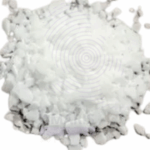

Nutrient Agar
Whatsapp Order
Nutrient Agar is a general-purpose solid growth medium used extensively in microbiology laboratories for the cultivation of a wide variety of non-fastidious microorganisms. It consists of a blend of peptones, beef extract, and agar as the solidifying agent. Nutrient Agar supports the growth of bacteria and fungi, providing essential nutrients such as amino acids, nitrogen, vitamins, and minerals.
Description
Nutrient Agar
Primary Uses
- Microbial Cultivation
- Supports growth of a broad spectrum of bacteria and fungi in laboratory cultures.
- Used for routine isolation, maintenance, and enumeration of microorganisms.
- Quality Control Testing
- Employed in pharmaceutical, food, and cosmetic industries for microbial contamination testing.
- Educational Purposes
- Widely used in academic institutions for teaching microbiology and conducting experiments.
- Research Applications
- Used as a baseline medium for microbiological research and microbial strain maintenance.
Secondary Uses
- Antibiotic Sensitivity Testing
- Serves as a base medium for disc diffusion tests with added supplements.
- Environmental Microbiology
- Used to isolate and cultivate environmental microbes from soil and water samples.
- Biotechnology
- Serves as a medium for microbial culture in small-scale biotechnological assays.
- Microbial Enumeration
- Applied in quantifying viable microbial counts in various samples via plate counts.
KEY PRODUCT FEATURES
1. Basic Identification Attributes
- Chemical Name (IUPAC): Microbiological growth medium (complex mixture)
- Common/Trade Name: Nutrient Agar
- CAS Number: Not applicable (mixture)
- HS Code: 3822.00.00
- Synonyms: General Purpose Agar Medium
2. Physical & Chemical Properties
- Physical State: Solid (powdered form for preparation); gel (after preparation)
- Color: Pale yellow to light amber after sterilization
- Odor: Characteristic mild peptone/beef extract smell
- pH: Typically 6.8 ± 0.2 at 25°C
- Solubility: Soluble in boiling water; forms gel upon cooling
3. Safety & Hazard Attributes
- GHS Classification: Not classified as hazardous
- Toxicity: Non-toxic under normal laboratory handling
- Exposure Limits: No specific limits; standard microbiological lab safety applies
4. Storage & Handling Attributes
- Storage Conditions: Store in a cool, dry place in sealed containers
- Container Type: Supplied in powder form in plastic or glass bottles
- Shelf Life: 1–2 years if stored properly
- Handling Precautions: Avoid inhalation of powder; use aseptic techniques
5. Regulatory & Compliance Attributes
- Complies with microbiological culture medium standards such as USP, EP, and ISO 11133
- Manufactured under Good Manufacturing Practices (GMP) for laboratory reagents
6. Environmental & Health Impact
- Biodegradability: Biodegradable organic material
- Ecotoxicity: Low environmental risk when disposed of properly
- Bioaccumulation: Not applicable
- Carcinogenicity/Mutagenicity: Not classified as hazardous
SAFETY HANDLING PRECAUTIONS
Safety Handling Precautions
- PPE Required: Lab coat, gloves, and eye protection recommended
- Handling Guidelines: Use in sterile conditions; avoid ingestion or inhalation of powders
- Storage Measures: Keep container tightly closed to prevent moisture uptake
First Aid Measures
- Inhalation: Move to fresh air if respiratory irritation occurs
- Skin Contact: Wash with soap and water if irritation develops
- Eye Contact: Rinse eyes with water for 15 minutes; seek medical attention if irritation persists
- Ingestion: Rinse mouth; seek medical advice if adverse effects occur
Firefighting Measures
- Fire Hazards: Non-flammable; may burn under extreme heat
- Extinguishing Media: Use water spray, foam, or dry chemical extinguishers
- Special Precautions: Avoid inhalation of dust during handling
- Hazardous Combustion Products: Carbon oxides and nitrogen oxides
Related products

Basic Chrome
Basic Chrome Sulfate, commonly referred to as Basic Chrome, is a chromium-based chemical compound primarily used in the leather tanning industry. It appears as a greenish crystalline powder and contains chromium(III) sulfate complexed with basic chromium salts. Basic Chrome is favored for its ability to produce soft, flexible, and durable leather by crosslinking collagen fibers. It is the most widely used tanning agent worldwide due to its effectiveness and cost-efficiency. Besides tanning, Basic Chrome finds applications in other industries like pigments and catalysts.

Bottle Weighing Plastic
The Bottle Weighing Plastic is a lightweight, durable container designed for accurate weighing and temporary storage of solids and powders in laboratory and industrial environments. Made from high-quality, chemical-resistant plastic, it ensures minimal interaction with samples during weighing and transfer procedures. Its sturdy construction resists cracking or deformation under typical laboratory use. This bottle is essential for precise measurement tasks requiring contamination-free handling and ease of cleaning.
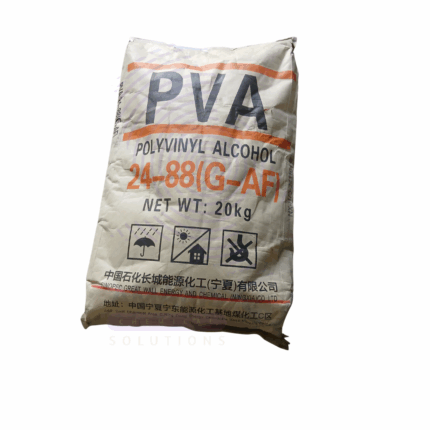
Polyvinyl Alcohol
Polyvinyl Alcohol is a synthetic, water-soluble polymer made by the hydrolysis of polyvinyl acetate. It is known for excellent film-forming, emulsifying, and adhesive properties. PVA is widely used across industries for applications requiring biodegradable, non-toxic, and flexible materials. It offers good chemical resistance, mechanical strength, and compatibility with other polymers and additives.
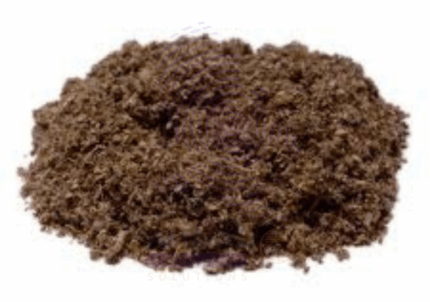
Saged Rubbed
Saged Rubbed is a natural or processed resin commonly used in industries such as adhesives, varnishes, inks, and rubber compounding. It provides tackiness, enhances adhesion properties, and contributes to film formation and durability. This product is valued for its consistent quality and performance in improving the physical properties of coatings and bonding agents.

Tanbate
Tanbate is a synthetic tanning agent widely used in the leather industry to produce soft, supple, and durable leather. It is known for its ability to impart good fullness, grain tightness, and enhanced water resistance to leather products. Tanbate improves the physical properties of hides during the tanning process, resulting in high-quality finished leather suitable for footwear, garments, upholstery, and accessories.












