

 Preservatives(food)
 Flavors
 Acidulants
 Sweeteners
 Antioxidants
 Colorants(food)
 Nutraceutical Ingredients (food)
 Nutrient Supplements
 Emulsifiers
 Collectors
 Dust Suppressants
 Explosives and Blasting Agents
 Flocculants and Coagulants
 Frothers
 Leaching Agents
 pH Modifiers
 Precious Metal Extraction Agents
 Antioxidants(plastic)
 Colorants (Pigments, Dyes)
 Fillers and Reinforcements
 Flame Retardants
 Monomers
 Plasticizers
 Polymerization Initiators
 Stabilizers (UV, Heat)
 Antifoaming Agents
 Chelating Agents
 Coagulants and Flocculants
 Corrosion Inhibitors
 Disinfectants and Biocides
 Oxidizing Agents
 pH Adjusters
 Scale Inhibitors( water)
 Antioxidants(cosmetic)
 Emollients
 Oils
Oils Carrier Oills
 Essential Oils
 Humectants
 Preservatives
 Surfactants(cosmetic)
 Thickeners
 UV Filters
 Fragrance (Cosmetics)
 Fertilizers
 Soil Conditioners
 Plant Growth Regulators
 Animal Feed Additives
 Biostimulants
 Pesticides (Herbicides, Insecticides, Fungicides)
 Active Pharmaceutical Ingredients (APIs)
 Excipients
 Solvents(pharmaceutical)
 Antibiotics
 Antiseptics and Disinfectants
 Vaccine Adjuvants
 Nutraceutical Ingredients (pharmaceutical)
 Analgesics & Antipyretics
 Analytical Reagents
 Solvents(lab)
 Chromatography Chemicals
 Spectroscopy Reagents
 microbiology-and-cell-culture-reagents
 Molecular Biology Reagents
 Biochemical Reagents
 Inorganic and Organic Standards
 Laboratory Safety Chemicals
 Specialty Laboratory Chemicals(Special Laboratory Equipment)
 Demulsifiers
 Hydraulic Fracturing Fluids
 Scale Inhibitors(oil)
 Surfactants(oil)
 Drilling Fluids
 Dyes and Pigments
 Bleaching Agents
 Softening Agents
 Finishing Agents
 Antistatic Agents
 Admixtures
 Waterproofing Agents
 Sealants and Adhesives
 Curing Compounds
 Concrete Repair Chemicals
 Anti-Corrosion Coatings
 Surfactants(cleaning)
 Builders
 Enzymes
 Solvents (Cleaning)
 Electronic Chemicals
 Catalysts
 Lubricants
 Photographic Chemicals
 Refrigerants
 Automotive chemicals
 Pyrotechnic Chemicals
 Biodegradable Surfactants
 Bio-based Solvents
 Renewable Polymers
 Carbon Capture Chemicals
 Wastewater Treatment Chemicals
 Pigments
 Solvents(paint)
 Specialty Coatings
 Binders/Resins
 Additives
 Driers
 Anti-Corrosion Agents
 Functional Coatings
 Application-Specific Coatings
 Leavening Agents
 Dough Conditioners
 Flour Treatments
 Fat Replacers
 Decoratives
 Preservatives(baking)
 Plasticizers & Softeners
 Reinforcing Agents
 Adhesion Promoters
 Vulcanizing Agents
 Antidegradants
 Blowing Agents
 Fillers & Extenders
 Accelerators & Retarders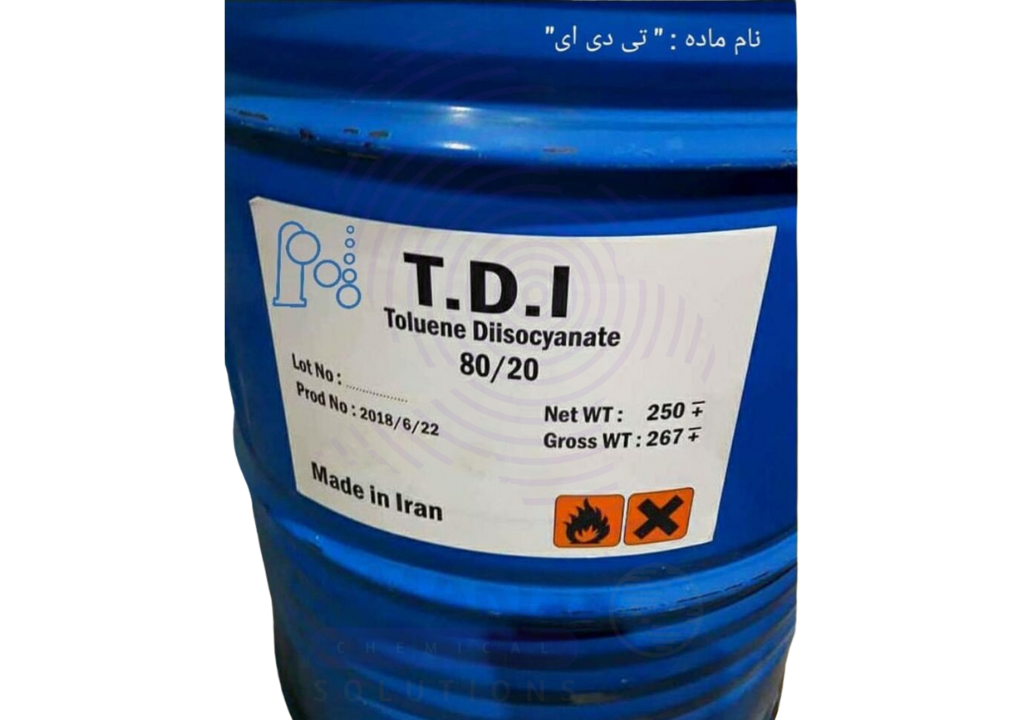

Toluene Diisocyanate
Toluene Diisocyanate is a highly reactive chemical compound primarily used as a key raw material in the production of polyurethane foams. It is a colorless to pale yellow liquid with a pungent odor and is valued for its ability to react with polyols to form flexible and rigid polyurethane products. TDI’s versatility makes it indispensable in industries like furniture, automotive, insulation, and coatings.
Toluene Diisocyanate
Primary Uses
- Polyurethane Industry
- Flexible Foam Production: Used extensively to manufacture flexible polyurethane foams for furniture, mattresses, automotive seating, and packaging.
- Rigid Foam Production: Applied in producing rigid polyurethane foams used for insulation panels and structural components.
- Elastomers & Coatings: Raw material for polyurethane elastomers, adhesives, sealants, and coatings with excellent durability and abrasion resistance.
- Chemical Manufacturing
- Polymer Synthesis: Essential intermediate in producing polyurethane polymers and resins.
Secondary Uses
- Sealants and Adhesives
- Specialty Adhesives: Used in manufacturing high-performance adhesives for industrial applications.
- Textile Industry
- Coatings & Binders: Applied as a binder or coating agent in technical textiles and synthetic leather.
1. Basic Identification Attributes
- Chemical Name (IUPAC): 2,4-Toluene diisocyanate (major), 2,6-Toluene diisocyanate (minor)
- Common/Trade Name: TDI
- CAS Number: 26471-62-5 (mixture of isomers)
- HS Code: 2916.32.00
- Synonyms: Tolylene diisocyanate, toluene-2,4-diisocyanate, Toluene-2,6-diisocyanate
2. Physical & Chemical Properties
- Physical State: Colorless to pale yellow liquid
- Color & Odor: Pungent, sharp odor
- Boiling Point: Approx. 127 °C
- Solubility: Slightly soluble in water (hydrolyzes); soluble in organic solvents
- Density: Approx. 1.21 g/cm³
3. Safety & Hazard Attributes
- GHS Classification: Toxic, irritant, respiratory sensitizer
- Toxicity: High toxicity by inhalation and skin contact; potential to cause occupational asthma
- Exposure Limits: Strict occupational exposure limits established (e.g., OSHA PEL: 0.02 ppm)
4. Storage & Handling Attributes
- Storage Conditions: Store in tightly closed containers in a cool, dry, well-ventilated area away from moisture and heat
- Container Type: Steel drums or specialized chemical containers
- Shelf Life: Typically 6–12 months under proper conditions
- Handling Precautions: Use full PPE; avoid inhalation and skin contact; ensure adequate ventilation and use closed systems
5. Regulatory & Compliance Attributes
- Regulated under OSHA, REACH, EPA, and other international chemical safety standards
- Classified as hazardous substance with strict handling and transport regulations
- Complies with UN classification for dangerous goods
6. Environmental & Health Impact
- Biodegradability: Does not readily biodegrade; hydrolyzes in water to less harmful products
- Ecotoxicity: Harmful to aquatic life; avoid environmental release
- Bioaccumulation: Not significant
Safety Handling Precautions
- PPE Required: Full protective clothing, gloves, respirators, and eye protection mandatory
- Handling Guidelines: Use in closed systems with proper ventilation; emergency showers and eyewash stations recommended
- Storage Measures: Keep away from moisture and incompatible substances such as alcohols and amines
First Aid Measures
- Inhalation: Move to fresh air immediately; seek urgent medical attention; watch for delayed respiratory effects
- Skin Contact: Remove contaminated clothing; wash affected area thoroughly with soap and water; seek medical help
- Eye Contact: Rinse with plenty of water for at least 15 minutes; seek immediate medical attention
- Ingestion: Do not induce vomiting; seek emergency medical care
Firefighting Measures
- Fire Hazards: Combustible liquid; vapors may form explosive mixtures with air
- Extinguishing Media: Use foam, dry chemical, or CO₂ extinguishers; avoid water jets
- Hazardous Combustion Products: Carbon oxides, nitrogen oxides, and toxic isocyanate vapors
Related products
Butanol
Butanol (also known as n-Butanol or Normal Butanol) is a clear, colorless liquid with a mild, alcoholic odor. It is a four-carbon primary alcohol with the chemical formula C4H10O. Butanol is moderately soluble in water and miscible with many organic solvents. Its physical and chemical properties make it a versatile solvent and chemical intermediate. Butanol indicates a high purity grade often used in industrial, pharmaceutical, and chemical synthesis applications.
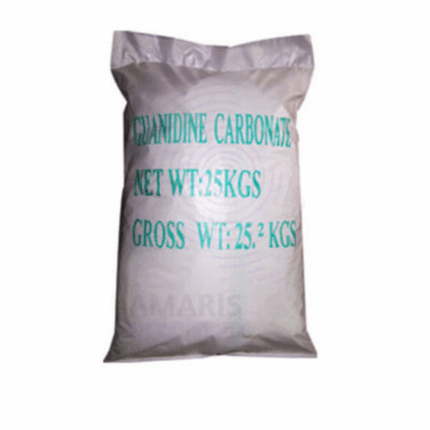
Guanidine Carbonate
Guanidine Carbonate is a white crystalline powder, highly soluble in water, with strong basicity and high nitrogen content. It’s a versatile chemical intermediate widely used in pharmaceuticals, agriculture, polymer chemistry, textiles, and laboratory research. Its buffering properties and reactivity make it valuable in synthesis, pH regulation, and as a nitrogen source.
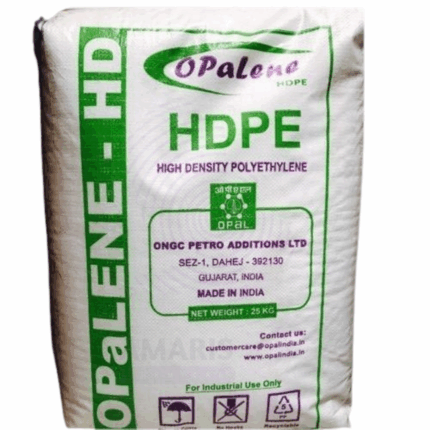
HDPE Film F52H04
HDPE Film F52H04 Opalene is a high-density polyethylene film grade resin specially engineered for producing thin, flexible, and high-strength films. It is designed for blown film extrusion processes, delivering excellent mechanical properties, superior clarity (opal/opalene finish), and consistent gauge control. This resin offers high tensile strength, good puncture resistance, and excellent moisture barrier properties, making it ideal for packaging applications requiring durability and flexibility. Its balanced processing characteristics enable fast extrusion rates and uniform film thickness.

LLDPE film Opalene F20015
LLDPE film Opalene F20015 is a high-quality linear low-density polyethylene (LLDPE) film known for its excellent clarity, toughness, and flexibility. It is produced using linear low-density polyethylene resin, offering superior mechanical properties and puncture resistance compared to conventional low-density polyethylene films. Opalene F20015 is widely used in packaging applications where strength, transparency, and sealability are critical. Its balanced properties make it suitable for various industrial and consumer packaging needs.
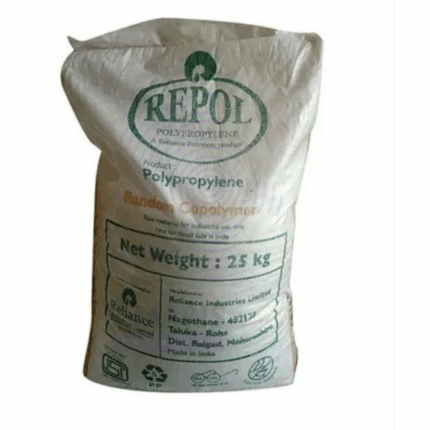
PP Copolymer 37MK10
PP Copolymer 37MK10 is a polypropylene copolymer resin characterized by enhanced clarity, impact resistance, and flexibility compared to homopolymer polypropylene. This copolymer combines propylene with a small percentage of ethylene, resulting in improved toughness and processability. It is widely used in injection molding, extrusion, and film applications across various industries, offering excellent chemical resistance and durability.
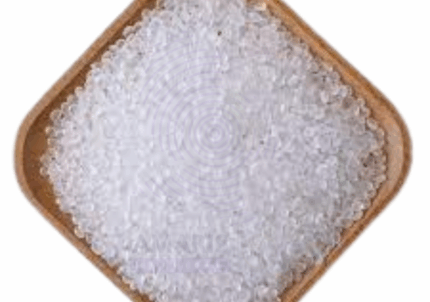
RAP 55D
RAP 55D is a grade of impact copolymer polypropylene (PP) resin designed primarily for injection molding applications. It features a balance of rigidity and impact strength, making it ideal for manufacturing durable plastic parts. This resin offers excellent processability, dimensional stability, and resistance to chemicals and moisture. RAP 55D is used across automotive, household, industrial, and packaging sectors due to its robust mechanical properties and versatility.
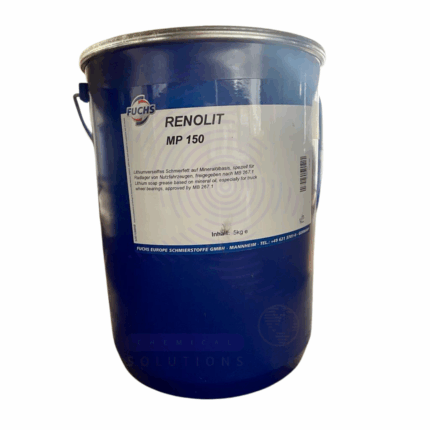
Renolit MP 2, 3
Renolit MP 2 and MP 3 are multipurpose lithium-based greases designed for a wide range of industrial and automotive lubrication needs. These greases offer excellent mechanical stability, water resistance, and protection against wear, rust, and corrosion. They are formulated to perform well under moderate to high load conditions and provide reliable lubrication for bearings, chassis, and general machinery components.

Toluene
Toluene is a clear, colorless aromatic hydrocarbon solvent with a distinct sweet odor. It is widely used as an industrial solvent and chemical feedstock due to its excellent solvency, volatility, and chemical stability. Toluene plays a critical role in the production of paints, coatings, adhesives, rubber, and various chemicals. It is also used as a fuel additive and in the manufacture of explosives and pharmaceuticals. Its versatility makes it a cornerstone in multiple industrial sectors.












