Preservatives(food)
 Flavor Enhancers
 Acidulants
 Sweeteners
 Antioxidants
 Colorants(food)
 Nutraceutical Ingredients (food)
 Nutrient Supplements
 Emulsifiers
 Collectors
 Dust Suppressants
 Explosives and Blasting Agents
 Flocculants and Coagulants
 Frothers
 Leaching Agents
 pH Modifiers
 Precious Metal Extraction Agents
 Antioxidants(plastic)
 Colorants (Pigments, Dyes)
 Fillers and Reinforcements
 Flame Retardants
 Monomers
 Plasticizers
 Polymerization Initiators
 Stabilizers (UV, Heat)
 Antifoaming Agents
 Chelating Agents
 Coagulants and Flocculants
 Corrosion Inhibitors
 Disinfectants and Biocides
 Oxidizing Agents
 pH Adjusters
 Scale Inhibitors( water)
 Antioxidants(cosmetic)
 Emollients
 Fragrances and Essential Oils
 Humectants
 Preservatives
 Surfactants(cosmetic)
 Thickeners
 UV Filters
 Fertilizers
 Soil Conditioners
 Plant Growth Regulators
 Animal Feed Additives
 Biostimulants
 Pesticides (Herbicides, Insecticides, Fungicides)
 Active Pharmaceutical Ingredients (APIs)
 Excipients
 Solvents(pharmaceutical)
 Antibiotics
 Antiseptics and Disinfectants
 Vaccine Adjuvants
 Nutraceutical Ingredients (pharmaceutical)
 Analgesics & Antipyretics
 Analytical Reagents
 Solvents(lab)
 Chromatography Chemicals
 Spectroscopy Reagents
 microbiology-and-cell-culture-reagents
 Molecular Biology Reagents
 Biochemical Reagents
 Inorganic and Organic Standards
 Laboratory Safety Chemicals
 Specialty Laboratory Chemicals(Special Laboratory Equipment)
 Demulsifiers
 Hydraulic Fracturing Fluids
 Scale Inhibitors(oil)
 Surfactants(oil)
 Drilling Fluids
 Dyes and Pigments
 Bleaching Agents
 Softening Agents
 Finishing Agents
 Antistatic Agents
 Admixtures
 Waterproofing Agents
 Sealants and Adhesives
 Curing Compounds
 Concrete Repair Chemicals
 Anti-Corrosion Coatings
 Surfactants(cleaning)
 Builders
 Enzymes
 Solvents (Cleaning)
 Fragrances
 Electronic Chemicals
 Catalysts
 Lubricants
 Photographic Chemicals
 Refrigerants
 Automotive chemicals
 Pyrotechnic Chemicals
 Biodegradable Surfactants
 Bio-based Solvents
 Renewable Polymers
 Carbon Capture Chemicals
 Wastewater Treatment Chemicals
 Pigments
 Solvents(paint)
 Specialty Coatings
 Binders/Resins
 Additives
 Driers
 Anti-Corrosion Agents
 Functional Coatings
 Application-Specific Coatings
 Leavening Agents
 Dough Conditioners
 Flour Treatments
 Fat Replacers
 Decoratives
 Preservatives(baking)
 Plasticizers & Softeners
 Reinforcing Agents
 Adhesion Promoters
 Vulcanizing Agents
 Antidegradants
 Blowing Agents
 Fillers & Extenders
 Accelerators & Retarders
⚙️ The Silver Bullet of Modern Industry: Why Manganese Metal Powder “Extra” is the MVP of 2025

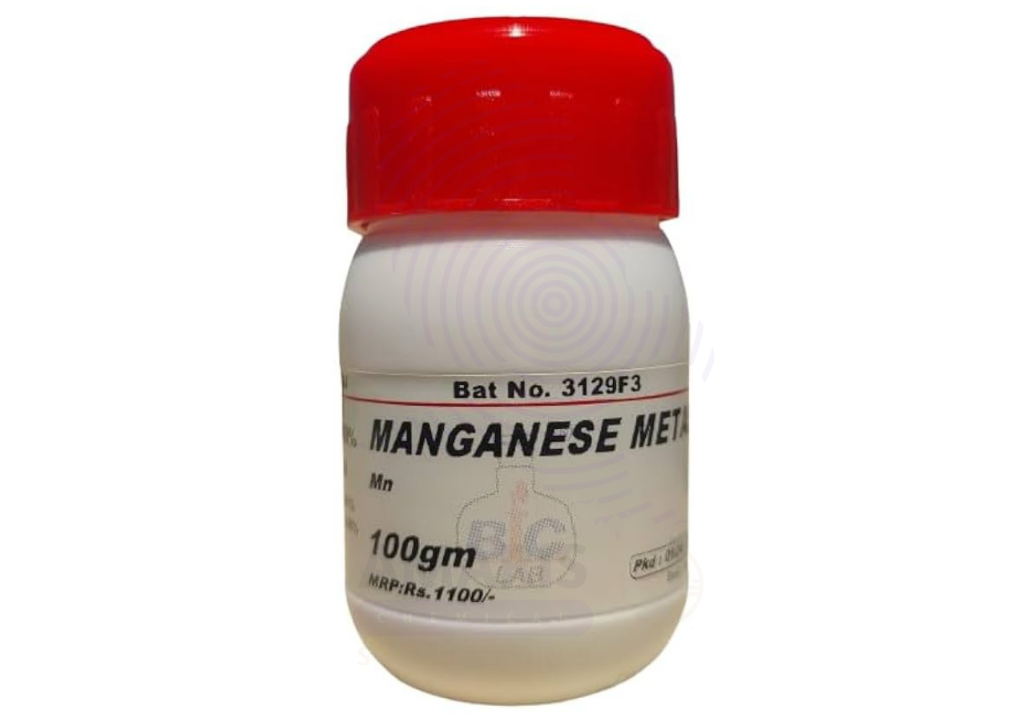
If you work in metallurgy, battery technology, or advanced manufacturing, you have likely heard the quiet rumbling on the factory floor. It isn’t loud machinery—it is Manganese Metal Powder Extra.
While lithium grabs headlines and cobalt hogs controversy, manganese sits quietly in the corner of the periodic table, doing the heavy lifting for everything from skyscrapers to Tesla’s latest gigafactory. But not all manganese is created equal. When we talk about Manganese Metal Powder “Extra” , we are talking about the high-purity, high-performance variant that separates commodity metallurgy from cutting-edge materials science.
Let’s break down exactly why this specific grade of grey powder is causing such a stir in boardrooms and R&D labs across the globe.
🧐 What Exactly is “Extra” Grade Manganese Powder?
First, let’s define our champion. Standard manganese powder is typically available in 2N (99%) or 3N (99.9%) purity. However, Manganese Metal Powder “Extra” generally refers to material that pushes toward the 4N (99.99%) end of the spectrum, with exceptionally tight controls on impurities like iron, sulfur, and heavy metals.
Physically, it is a silver-grey powder, with a density of approximately 7.3–7.47 g/cm³, a melting point of 1,244°C, and a boiling point of 1,962°C. When exposed to air, it forms a tough, thin oxide layer that actually protects it from further corrosion.
But the magic isn’t just in the chemistry—it’s in the mesh size. “Extra” grades often feature ultra-fine particle distributions (<10 microns), which dramatically increase surface area and reactivity.
🏗️ Application 1: The Unseen Skeleton of Civilization
Steel is civilization. And manganese is the soul of modern steel.
Approximately 85-90% of all manganese consumed globally goes into steelmaking. But here is the kicker: you cannot make high-strength, low-alloy (HSLA) steel without it.
Manganese Metal Powder Extra acts as a deoxidizer and desulfurizer. It grabs oxygen and sulfur impurities right out of the molten steel, dragging them into the slag so they don’t cause brittleness or cracking. It also refines the grain structure, resulting in steel that is simultaneously harder, tougher, and more ductile.
Think about the Golden Gate Bridge, a bulldozer on a mine site, or the rebar inside a 120-story skyscraper. That strength? That’s manganese extra working 24/7.
🔋 Application 2: The EV Battery Revolution’s Secret Weapon
If steel is the old guard, batteries are the new frontier.
Manganese Metal Powder Extra is currently experiencing a Renaissance in the lithium-ion battery sector. Why? Because battery chemists have realized that manganese is the “stabilizer” .
In Lithium Manganese Oxide (LMO) and Nickel Manganese Cobalt (NMC) cathodes, manganese doesn’t store the energy itself—it acts as the structural scaffolding. It holds the crystal lattice together during charge/discharge cycles, preventing the catastrophic collapse that kills battery life.
Compared to cobalt, manganese is abundant and ethically sounder to source. Compared to nickel, manganese is thermally stable (far less likely to overheat). This trifecta of low cost + high safety + long cycle life is why LG Chem, SK Innovation, and CATL are aggressively ramping up manganese-rich cathodes for 2025–2030 model EVs.
🧪 Application 3: Catalysis, Ceramics, and Chemical Wizardry
Beyond brute force and electrons, Manganese Metal Powder Extra plays a delicate role in the chemical industries.
Pigments & Glass:
Ever seen that gorgeous amethyst or deep brown hue in architectural glass or high-end ceramics? That’s manganese doing its artistry. It acts as both a colorant (purple/pink) and a decolorizer (removing green tints from glass).
Water Treatment:
Manganese-based compounds are excellent oxidizers. They help precipitate heavy metals and remove hydrogen sulfide (that “rotten egg” smell) from water streams. Extra-purity manganese ensures you aren’t adding new toxins while trying to remove old ones.
Catalysis:
In petrochemicals, manganese powder speeds up oxidation reactions without being consumed. It is the silent traffic cop of the molecular world, directing chemicals where to go and when to react.
📈 Market Pulse: Why “Extra” is the Future
Let’s look at the numbers.
The global manganese powder market was valued at approximately USD 2.6 Billion in 2024 and is projected to hit USD 3.9 Billion by 2031, growing at a CAGR of 5.60% .
However—and this is crucial—demand for high-purity (4N/Extra) grades is growing much faster than the broader market average. Why? Because the EV boom isn’t asking for any manganese; it is asking for clean manganese. No cobalt, minimal nickel, maximum stability. Battery manufacturers are willing to pay a premium for 4N purity because every stray atom of iron or lead poisons the cathode.
Asia-Pacific currently dominates production (China alone supplies significant volumes to the USA, Japan, South Korea, and Europe), but demand is truly global. With the US Inflation Reduction Act and EU Critical Raw Materials Act both prioritizing diversified supply chains, new manganese refining capacity is being fast-tracked in North America and Europe.
⚠️ Handling the Beast: Safety & Stewardship
Let’s be real—manganese powder is a friend, but an explosive friend if you disrespect it.
Dust Explosion Hazard:
Manganese powder, especially the “Extra” fine grades, can form explosive dust clouds in the air. It is classified as a Flammable Solid Category 2 (H228) .
Mandatory Controls:
- No open flames or sparks.
- Grounding/bonding of equipment to prevent static discharge.
- Local exhaust ventilation to keep airborne concentrations low.
- PPE: Gloves, safety goggles, and anti-dust masks.
Health Note:
Chronic overexposure to manganese dust can lead to manganism—a neurological condition similar to Parkinson’s disease. This is why “Extra” grade manufacturers emphasize dust suppression, wet granulation where possible, and enclosed processing systems.
🎯 Buyer’s Checklist for Manganese Metal Powder Extra
If you are sourcing this material for your production line, do not just look at the price tag. Use this checklist:
- Purity Certificate: Demand the COA (Certificate of Analysis) . Is it truly 99.9% or 99.99%?
- Particle Size Distribution: Is it -100 mesh or <10 micron? Know your application. Batteries need ultrafine; metallurgy can tolerate coarser.
- Impurity Profile: Pay special attention to Fe, Pb, Cu, and S. These are the “bad actors.”
- Supplier Credentials: Are they ISO 9001 certified? Do they have audited supply chains?
🏁 Conclusion: Small Powder, Massive Impact
Manganese Metal Powder Extra is not the loudest material in the supply chain. It doesn’t have the glamour of gold or the futuristic hype of graphene.
But it is reliable. It strengthens our cities, powers our vehicles, cleans our water, and colors our art.
As we push toward a decarbonized, electrified future, the demand for high-purity manganese will only intensify. The era of “just good enough” metallurgy is over. The era of “Extra” has begun.