

 Preservatives(food)
 Flavors
 Acidulants
 Sweeteners
 Antioxidants
 Colorants(food)
 Nutraceutical Ingredients (food)
 Nutrient Supplements
 Emulsifiers
 Collectors
 Dust Suppressants
 Explosives and Blasting Agents
 Flocculants and Coagulants
 Frothers
 Leaching Agents
 pH Modifiers
 Precious Metal Extraction Agents
 Antioxidants(plastic)
 Colorants (Pigments, Dyes)
 Fillers and Reinforcements
 Flame Retardants
 Monomers
 Plasticizers
 Polymerization Initiators
 Stabilizers (UV, Heat)
 Antifoaming Agents
 Chelating Agents
 Coagulants and Flocculants
 Corrosion Inhibitors
 Disinfectants and Biocides
 Oxidizing Agents
 pH Adjusters
 Scale Inhibitors( water)
 Antioxidants(cosmetic)
 Emollients
 Oils
Oils Carrier Oills
 Essential Oils
 Humectants
 Preservatives
 Surfactants(cosmetic)
 Thickeners
 UV Filters
 Fragrance (Cosmetics)
 Fertilizers
 Soil Conditioners
 Plant Growth Regulators
 Animal Feed Additives
 Biostimulants
 Pesticides (Herbicides, Insecticides, Fungicides)
 Active Pharmaceutical Ingredients (APIs)
 Excipients
 Solvents(pharmaceutical)
 Antibiotics
 Antiseptics and Disinfectants
 Vaccine Adjuvants
 Nutraceutical Ingredients (pharmaceutical)
 Analgesics & Antipyretics
 Analytical Reagents
 Solvents(lab)
 Chromatography Chemicals
 Spectroscopy Reagents
 microbiology-and-cell-culture-reagents
 Molecular Biology Reagents
 Biochemical Reagents
 Inorganic and Organic Standards
 Laboratory Safety Chemicals
 Specialty Laboratory Chemicals(Special Laboratory Equipment)
 Demulsifiers
 Hydraulic Fracturing Fluids
 Scale Inhibitors(oil)
 Surfactants(oil)
 Drilling Fluids
 Dyes and Pigments
 Bleaching Agents
 Softening Agents
 Finishing Agents
 Antistatic Agents
 Admixtures
 Waterproofing Agents
 Sealants and Adhesives
 Curing Compounds
 Concrete Repair Chemicals
 Anti-Corrosion Coatings
 Surfactants(cleaning)
 Builders
 Enzymes
 Solvents (Cleaning)
 Electronic Chemicals
 Catalysts
 Lubricants
 Photographic Chemicals
 Refrigerants
 Automotive chemicals
 Pyrotechnic Chemicals
 Biodegradable Surfactants
 Bio-based Solvents
 Renewable Polymers
 Carbon Capture Chemicals
 Wastewater Treatment Chemicals
 Pigments
 Solvents(paint)
 Specialty Coatings
 Binders/Resins
 Additives
 Driers
 Anti-Corrosion Agents
 Functional Coatings
 Application-Specific Coatings
 Leavening Agents
 Dough Conditioners
 Flour Treatments
 Fat Replacers
 Decoratives
 Preservatives(baking)
 Plasticizers & Softeners
 Reinforcing Agents
 Adhesion Promoters
 Vulcanizing Agents
 Antidegradants
 Blowing Agents
 Fillers & Extenders
 Accelerators & Retarders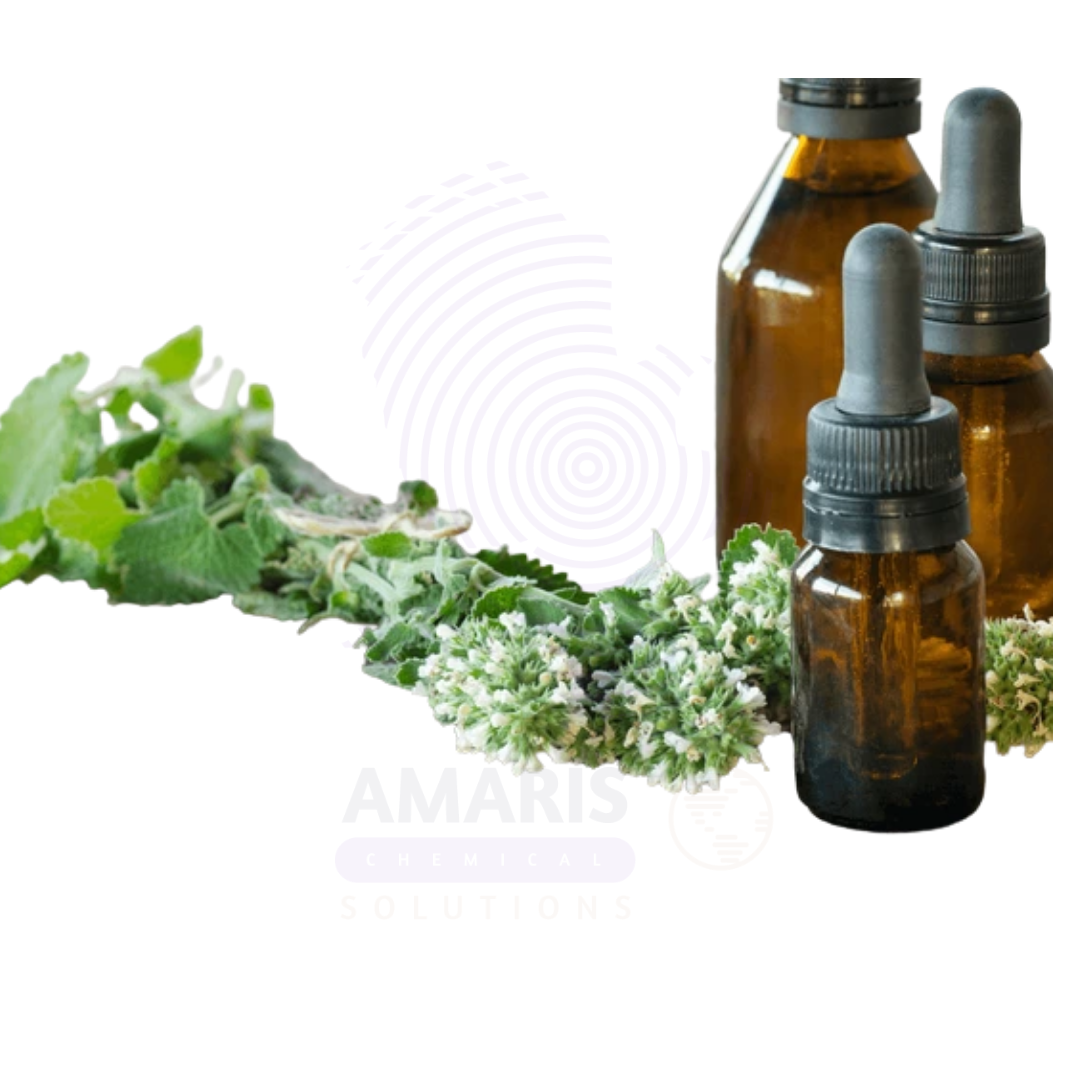
Catnip Oil
Catnip Oil is a highly aromatic essential oil steam-distilled from the leaves and flowering tops of Nepeta cataria, a herbaceous plant from the mint family. Known for its characteristic minty, herbaceous, and slightly sweet scent, Catnip Oil contains nepetalactone, a compound recognized for its insect-repellent and calming properties. Though commonly associated with its euphoric effects on cats, Catnip Oil is widely used in aromatherapy, natural insect repellents, and personal care products for humans. It also finds niche applications in pet care formulations and herbal preparations.
Catnip Oil
Primary Uses
- Cosmetics and Personal Care
- Used in skin lotions, creams, and sprays for its natural insect-repelling properties
- Added to soaps and shampoos for a fresh, minty herbal fragrance
- Employed in after-sun and soothing skincare products for its calming effect on the skin
- Included in natural deodorants and balms for aromatic appeal
- Aromatherapy
- Used in diffuser blends for its mood-lifting and mildly sedative effects
- Helps reduce mental fatigue, anxiety, and restlessness
- Often combined with lavender or chamomile for calming synergy
- Pet Care
- Used in cat toys and sprays for its euphoric effect on felines
- Included in natural pet shampoos and sprays as a bug repellent
Secondary Uses
- Insect Repellents
- Recognized for its effectiveness in repelling mosquitoes, ticks, and flies
- Used as a natural alternative to DEET in eco-friendly repellent sprays and lotions
- Traditional Herbal Remedies
- Used in folk medicine for calming digestive upset and promoting relaxation
- Historically used in poultices and teas (non-oil extract forms)
1. Basic Identification Attributes
- Botanical Source: Nepeta cataria
- Common/Trade Name: Catnip Oil
- INCI Name: Nepeta Cataria Oil
- CAS Number: 8016-96-4
- HS Code: 3301.29
- Synonyms: Catmint Oil, Nepeta Oil
2. Physical & Chemical Properties
- Physical State: Liquid
- Color & Odor: Pale yellow to light green; minty, herbaceous, slightly sweet aroma
- Solubility: Insoluble in water; soluble in alcohol and oils
- Main Components: Nepetalactone, citronellol, geraniol, caryophyllene
- Refractive Index: ~1.470 – 1.495
- Specific Gravity: ~0.870 – 0.920
- Flash Point: ~66°C
3. Safety & Hazard Attributes
- GHS Classification: May cause skin and eye irritation in concentrated form
- Toxicity: Low; safe when used topically in appropriate dilutions
- Allergen Information: No major allergens reported
- Exposure Limits: Use within recommended dermal limits (typically under 3%)
4. Storage & Handling Attributes
- Storage Conditions: Store in a cool, dry place in airtight containers away from sunlight
- Container Type: Amber glass bottles or stainless steel drums
- Shelf Life: 2–3 years under optimal conditions
- Handling Precautions: Avoid direct inhalation or contact with eyes
5. Regulatory & Compliance Attributes
- Compliant with cosmetic safety regulations for external use
- Not approved for internal medicinal use in oil form
- Accepted in natural and organic product formulations
6. Environmental & Health Impact
- Biodegradability: Biodegradable
- Ecotoxicity: Low impact in diluted applications
- Bioaccumulation: Not expected
Safety Handling Precautions
- PPE Required: Gloves and eye protection recommended during handling
- Handling Guidelines: Dilute properly before topical use; avoid contact with mucous membranes
First Aid Measures
- Inhalation: Move to fresh air if irritation occurs
- Skin Contact: Wash with mild soap and water if irritation develops
- Eye Contact: Rinse thoroughly with water; seek medical attention if necessary
- Ingestion: Not intended for ingestion; seek medical advice if swallowed
Firefighting Measures
- Fire Hazards: Flammable; keep away from open flames and heat sources
- Extinguishing Media: Foam, dry chemical, CO₂
- Special Precautions: Use protective gear and breathing apparatus for large fires
- Hazardous Combustion Products: Carbon monoxide, carbon dioxide, and volatile fumes
Related products
Ajowan oil
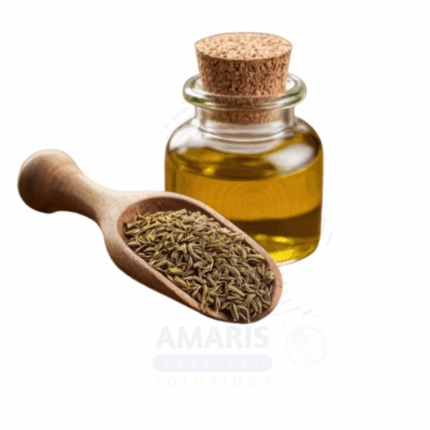
Ajowan Oil, also known as Ajwain Oil or Trachyspermum Ammi Oil, is an essential oil obtained by steam distillation of the seeds of the Trachyspermum ammi plant. With a strong, pungent, thyme-like aroma, Ajowan Oil is rich in thymol—a powerful compound known for its antiseptic, antimicrobial, and digestive properties. Traditionally used in Ayurvedic and Unani medicine, Ajowan Oil is valued today across food preservation, pharmaceuticals, and natural personal care formulations.
This oil exhibits broad-spectrum antimicrobial effects and is widely used in therapeutic balms, oral care, digestive tonics, and antiseptic blends. It also finds applications in fragrance formulations that benefit from its spicy, herbal character. Its potent biological activity makes it effective in natural pest control and disinfectant preparations.
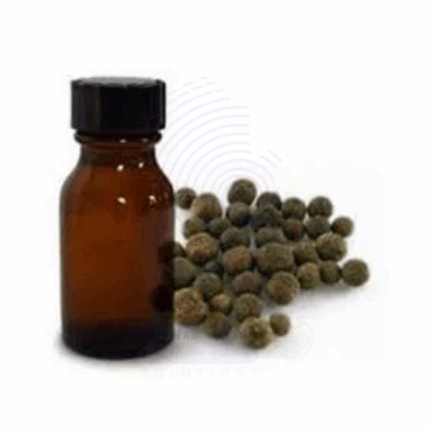
Allspice Pimento Berry Oil
Allspice Pimento Berry Oil is a warm, spicy-sweet essential oil steam-distilled from the dried berries of the Pimenta dioica plant, native to the Caribbean and Central America. Known for its rich, clove-like aroma with hints of cinnamon, nutmeg, and pepper, the oil derives its name from its resemblance to a blend of “all spices.” It contains high concentrations of eugenol and other phenolic compounds, lending it powerful antiseptic, analgesic, and aromatic properties.
Widely used in personal care, massage oils, pharmaceutical balms, and perfumery, Allspice Oil is prized for its warming and comforting scent as well as its therapeutic action. It also finds applications in culinary essence formulations, natural insect repellents, and wellness therapies.
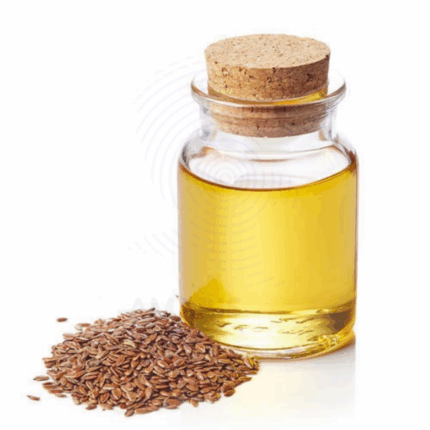
Ambrette Seed Oil
Ambrette Seed Oil is a rare, aromatic essential oil derived from the seeds of the Abelmoschus moschatus plant. Known for its rich, musky, slightly sweet, and floral scent, Ambrette Seed Oil is often considered a botanical alternative to animal-derived musk. It is widely prized in high-end perfumery, natural cosmetic formulations, and aromatherapy for its warm, sensual, and long-lasting aroma.
This oil is rich in ambrettolide and farnesol, compounds that lend it a delicate musky note without the synthetic harshness of artificial musks. Ambrette Seed Oil is non-toxic and safe for topical use when diluted, making it ideal for fine fragrances, massage oils, and therapeutic blends.
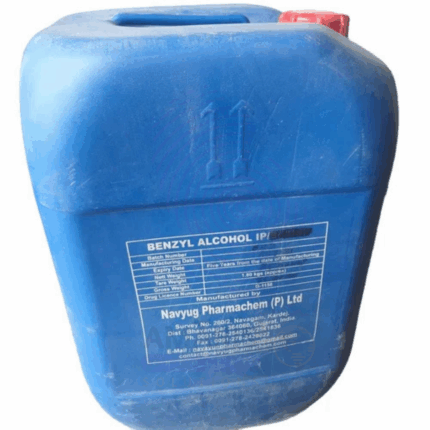
Benzyl Alcohol
Benzyl Alcohol is an aromatic alcohol with a mild pleasant odor and clear, colorless liquid appearance. It serves as a versatile solvent, preservative, and intermediate in chemical synthesis. Benzyl Alcohol is widely used across pharmaceuticals, cosmetics, paints, coatings, and as a bacteriostatic agent in injectable drugs. Its relatively low toxicity and good solvent properties make it valuable in both industrial and consumer products.
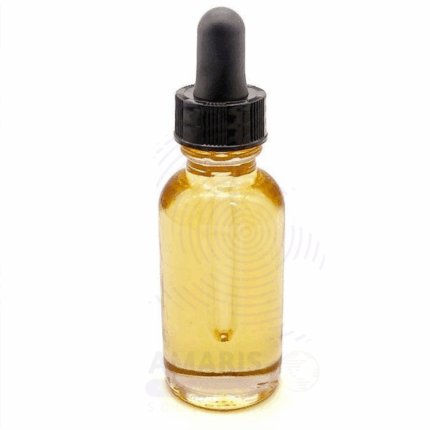
Calmintha Oil
Calmintha Oil is an aromatic essential oil derived through steam distillation of the aerial parts of Calamintha nepeta or closely related species within the Calamintha genus. Also known as lesser calamint, Calmintha is a herbaceous plant known for its minty, slightly camphoraceous fragrance with subtle floral undertones. The oil is rich in compounds such as pulegone, menthone, and isomenthone, which contribute to its invigorating, clarifying, and antimicrobial properties.
Used in traditional herbal medicine, perfumery, and aromatherapy, Calmintha Oil offers refreshing aromatic effects and is frequently utilized in respiratory blends, skin formulations, and natural cleaning products. Due to its high pulegone content, topical use should be limited and well-diluted.
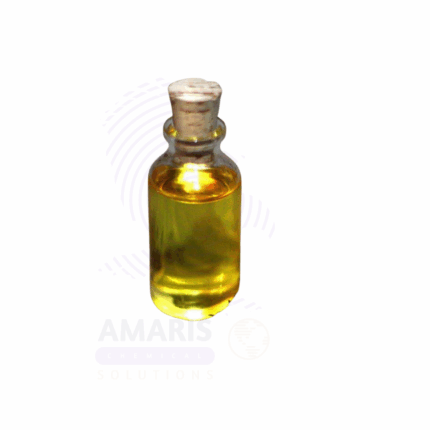
Caraway Oil
Caraway Oil is a volatile essential oil steam-distilled from the dried seeds of the Caraway plant (Carum carvi), a member of the Apiaceae family. It has a spicy, sweet, herbaceous aroma with warm undertones and is pale yellow to colorless in appearance. Known for its long-standing use in traditional herbal medicine and culinary flavoring, Caraway Oil contains carvone and limonene as its major constituents, responsible for its distinct aroma and therapeutic effects.
This oil is widely used in aromatherapy, digestive remedies, cosmetics, and pharmaceutical formulations. It is also valued in flavor manufacturing and oral care products for its carminative and antimicrobial properties.
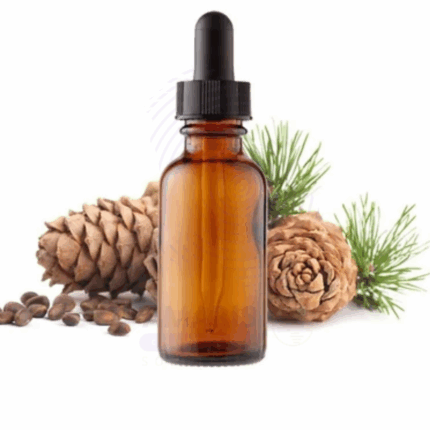
Cedarwood Oil
Cedarwood Oil is an essential oil extracted primarily through steam distillation of the wood, stumps, or sawdust of various cedar tree species, most commonly Cedrus atlantica, Juniperus virginiana, or Cedrus deodara. It features a warm, woody, balsamic aroma with subtle earthy notes. Rich in sesquiterpenes and cedrol, Cedarwood Oil is widely valued for its calming, antiseptic, insecticidal, and anti-inflammatory properties. It finds diverse applications in cosmetics, aromatherapy, natural perfumery, household cleaning, and agricultural pest control. Its grounding scent and skin benefits make it a common base note in personal care and wellness formulations.
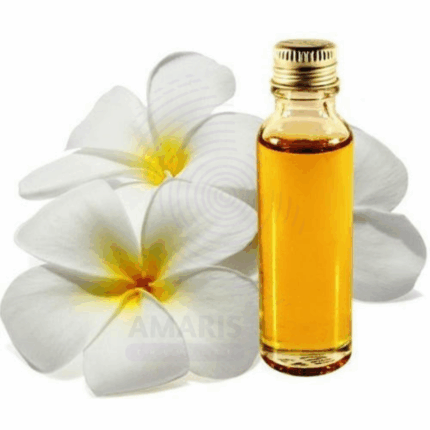
Michelia Flower Oil
Michelia Flower Oil is an essential oil extracted through steam distillation or solvent extraction from the flowers of Michelia species (e.g., Michelia champaca, Michelia alba). Known for its rich, floral, and slightly fruity aroma, it is widely used in perfumery, aromatherapy, and traditional medicine. The oil is prized for its therapeutic properties and as a natural fragrance ingredient.












