

 Preservatives(food)
 Flavors
 Acidulants
 Sweeteners
 Antioxidants
 Colorants(food)
 Nutraceutical Ingredients (food)
 Nutrient Supplements
 Emulsifiers
 Collectors
 Dust Suppressants
 Explosives and Blasting Agents
 Flocculants and Coagulants
 Frothers
 Leaching Agents
 pH Modifiers
 Precious Metal Extraction Agents
 Antioxidants(plastic)
 Colorants (Pigments, Dyes)
 Fillers and Reinforcements
 Flame Retardants
 Monomers
 Plasticizers
 Polymerization Initiators
 Stabilizers (UV, Heat)
 Antifoaming Agents
 Chelating Agents
 Coagulants and Flocculants
 Corrosion Inhibitors
 Disinfectants and Biocides
 Oxidizing Agents
 pH Adjusters
 Scale Inhibitors( water)
 Antioxidants(cosmetic)
 Emollients
 Oils
Oils Carrier Oills
 Essential Oils
 Humectants
 Preservatives
 Surfactants(cosmetic)
 Thickeners
 UV Filters
 Fragrance (Cosmetics)
 Fertilizers
 Soil Conditioners
 Plant Growth Regulators
 Animal Feed Additives
 Biostimulants
 Pesticides (Herbicides, Insecticides, Fungicides)
 Active Pharmaceutical Ingredients (APIs)
 Excipients
 Solvents(pharmaceutical)
 Antibiotics
 Antiseptics and Disinfectants
 Vaccine Adjuvants
 Nutraceutical Ingredients (pharmaceutical)
 Analgesics & Antipyretics
 Analytical Reagents
 Solvents(lab)
 Chromatography Chemicals
 Spectroscopy Reagents
 microbiology-and-cell-culture-reagents
 Molecular Biology Reagents
 Biochemical Reagents
 Inorganic and Organic Standards
 Laboratory Safety Chemicals
 Specialty Laboratory Chemicals(Special Laboratory Equipment)
 Demulsifiers
 Hydraulic Fracturing Fluids
 Scale Inhibitors(oil)
 Surfactants(oil)
 Drilling Fluids
 Dyes and Pigments
 Bleaching Agents
 Softening Agents
 Finishing Agents
 Antistatic Agents
 Admixtures
 Waterproofing Agents
 Sealants and Adhesives
 Curing Compounds
 Concrete Repair Chemicals
 Anti-Corrosion Coatings
 Surfactants(cleaning)
 Builders
 Enzymes
 Solvents (Cleaning)
 Electronic Chemicals
 Catalysts
 Lubricants
 Photographic Chemicals
 Refrigerants
 Automotive chemicals
 Pyrotechnic Chemicals
 Biodegradable Surfactants
 Bio-based Solvents
 Renewable Polymers
 Carbon Capture Chemicals
 Wastewater Treatment Chemicals
 Pigments
 Solvents(paint)
 Specialty Coatings
 Binders/Resins
 Additives
 Driers
 Anti-Corrosion Agents
 Functional Coatings
 Application-Specific Coatings
 Leavening Agents
 Dough Conditioners
 Flour Treatments
 Fat Replacers
 Decoratives
 Preservatives(baking)
 Plasticizers & Softeners
 Reinforcing Agents
 Adhesion Promoters
 Vulcanizing Agents
 Antidegradants
 Blowing Agents
 Fillers & Extenders
 Accelerators & Retarders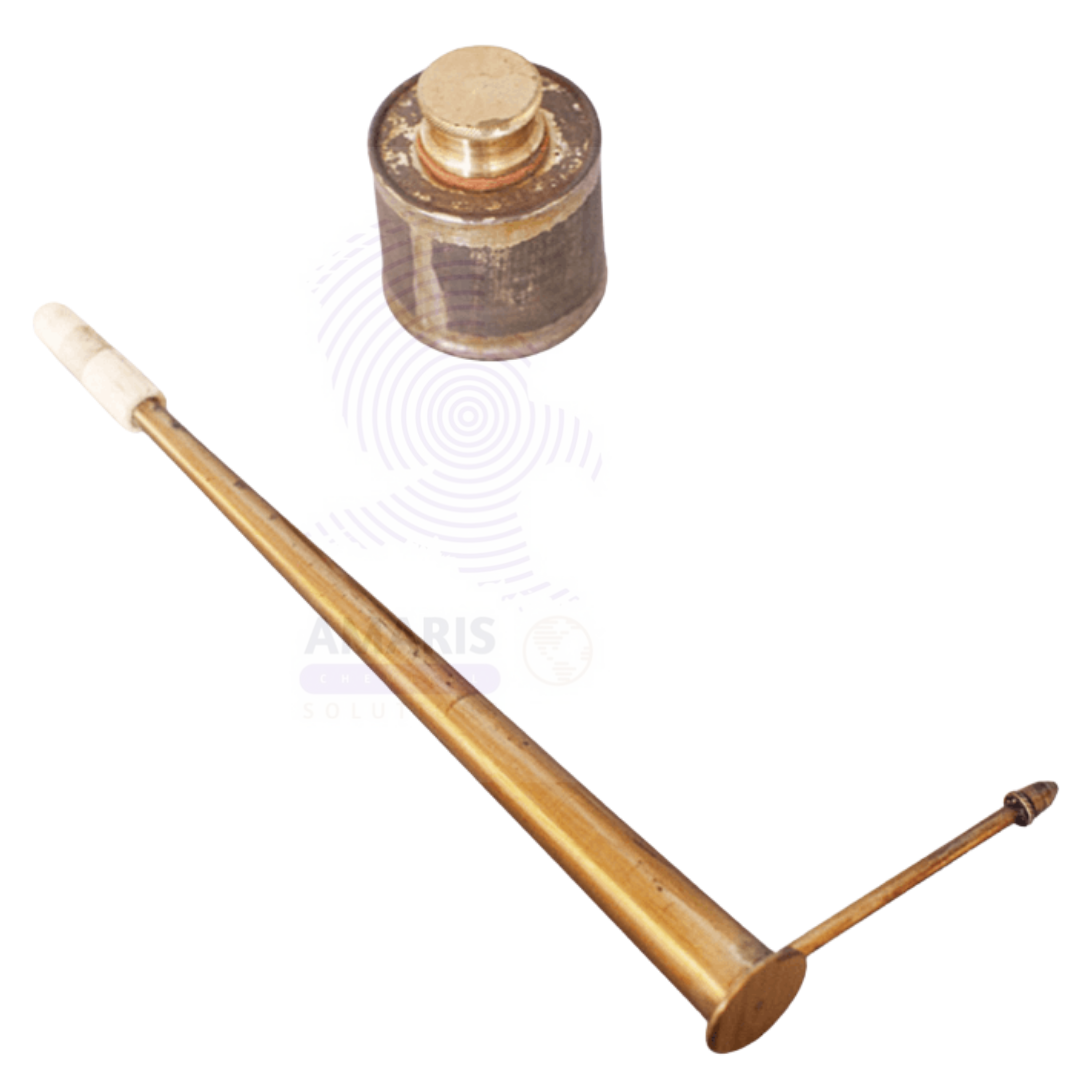



Blow Pipes
Original price was: $ 7.12.$ 7.09Current price is: $ 7.09.
Blow Pipes are slender, tubular instruments used to direct a focused stream of air or gas onto a flame to increase its temperature and precision during chemical, metallurgical, or glasswork operations. Constructed from heat-resistant metal or glass, blow pipes are essential tools in laboratory flame tests, small-scale metal soldering, glassblowing, and analytical chemistry for identifying elements through flame color reactions. Their simple yet efficient design enables precise flame control and directional heating, critical for both qualitative analysis and delicate manual fabrication tasks.
Blow Pipes
Primary Uses
- Laboratory Applications
- Used in qualitative flame tests to identify metal ions by color changes.
- Employed in the analysis of mineral samples through oxidizing and reducing flame conditions.
- Assists in directing air or gas onto a Bunsen burner flame for microchemical techniques.
- Utilized in preparing fused bead samples with flux for further spectroscopic analysis.
- Supports manual glass shaping and sealing in experimental glass apparatus work.
- Ideal for small-scale melting and heating tasks where localized high heat is required.
Secondary Uses
- Industrial Applications
- Used in metalworking and jewelry production for precision soldering and brazing.
- Assists in manual fabrication or repair of fine glass components and tubing.
- Integrated into artisanal and repair workflows for instrument assembly requiring controlled flame application.
- Applied in industrial quality control labs for quick flame-based material identification.
- Useful in controlled environments for reheating or adjusting metal and glass components.
- Serves as a field tool for geologists or metallurgists conducting flame tests in remote settings.
1.Basic Identification Attributes
- Product Type: Flame-directing tube
- Material: Heat-resistant metal (e.g., brass, stainless steel) or borosilicate glass
- Function: Directs airflow or gas to a flame for controlled heating or testing
2.Physical & Chemical Properties
- Structure: Straight or slightly curved tubular form
- Length: Typically ranges from 10 cm to 20 cm
- Tip Design: Tapered or flared for precise air/gas delivery
- Heat Resistance: High—suitable for direct flame contact
- Gas Compatibility: Air, oxygen, or hydrogen (depending on application)
3.Safety & Hazard Attributes
- GHS Classification: Not classified as hazardous
- Toxicity: Non-toxic materials
- Mechanical Risk: Hot surfaces and direct flame pose burn hazards
- Exposure Limits: Avoid prolonged exposure to heated tips or flame-back incidents
4.Storage & Handling Attributes
- Storage Conditions: Store in dry, clean location; avoid mechanical bending or contamination
- Handling Precautions: Use with appropriate flame protection; ensure airflow is not obstructed
5.Regulatory & Compliance Attributes
- Manufactured in accordance with laboratory and tool safety standards
- Compliant with scientific instrument specifications for metal and flame-contact tools
6.Environmental & Health Impact
- Reusable and durable with minimal waste generation
- Material recyclable where metal collection systems exist
- No environmental hazard under normal usage and disposal
Safety Handling Precautions
- PPE Required: Heat-resistant gloves, eye protection during use
- Handling Guidelines: Allow cooling before handling post-use; do not inhale fumes from heated materials
First Aid Measures
- Inhalation: Move to fresh air if heated material fumes are inhaled
- Skin Contact: Cool burn with running water; seek medical attention for serious burns
- Eye Contact: Rinse with water if particles or heat affect eyes
- Ingestion: Not applicable
Firefighting Measures
- Fire Hazards: Not flammable, but used in conjunction with open flames
- Extinguishing Media: As per flammable material being used in conjunction
- Special Precautions: Shut off gas supply if used with fuel gases
- Hazardous Combustion Products: Dependent on surrounding materials—not from blow pipe itself
Related products
Beaker Hysil
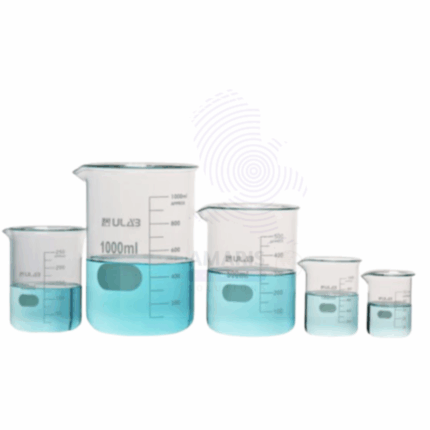
Beaker Hysil is a high-quality borosilicate glass laboratory beaker known for its excellent thermal resistance, chemical durability, and mechanical strength. It is designed for use in various scientific and industrial laboratory applications requiring heating, mixing, and measuring of liquids. The clear, transparent body allows easy observation of contents, and graduated markings provide approximate volume measurements. Beaker Hysil is widely used in educational, research, and industrial laboratories.
Beaker Plastic
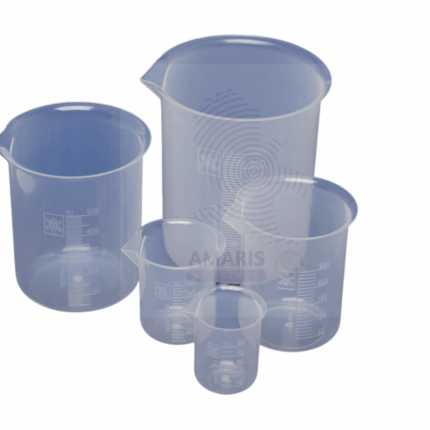
Beaker Plastic is a durable laboratory container made from high-quality, chemical-resistant plastic materials such as polypropylene or polystyrene. It is designed for mixing, measuring, and holding liquids in laboratory and industrial settings. The plastic beaker offers lightweight, shatter-resistant performance, making it ideal for routine lab work, sample preparation, and general handling of non-corrosive chemicals. It features clear or translucent walls with graduated markings for approximate volume measurement.
Clear laboratory reagent bottles
Product Description
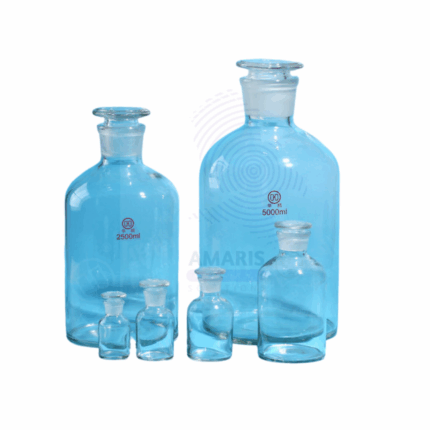
Clear Laboratory Reagent Bottles are high-quality, transparent containers designed specifically for storing, transporting, and dispensing chemical reagents and solutions in laboratory settings. Made from durable borosilicate glass or high-grade plastic materials, these bottles offer excellent chemical resistance, clarity for easy identification of contents, and airtight sealing to maintain reagent integrity. They are essential in analytical, biochemical, and industrial laboratories for safe and organized chemical storage.
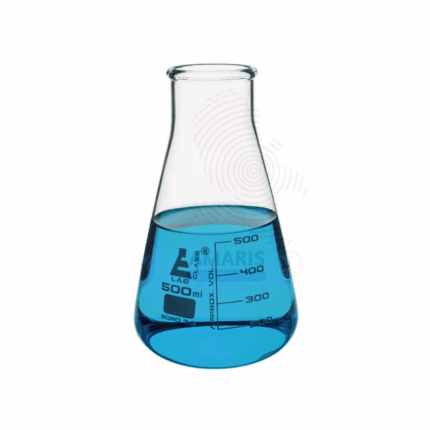
conical flask
Conical flasks, also known as Erlenmeyer flasks, are widely used laboratory glassware characterized by a flat bottom, conical body, and a narrow neck. Made typically from borosilicate glass, they are designed to hold, mix, and heat liquids safely. The narrow neck helps reduce evaporation and splashing during experiments. Conical flasks are essential for titrations, culturing microorganisms, and general solution preparation in laboratories and industrial settings.
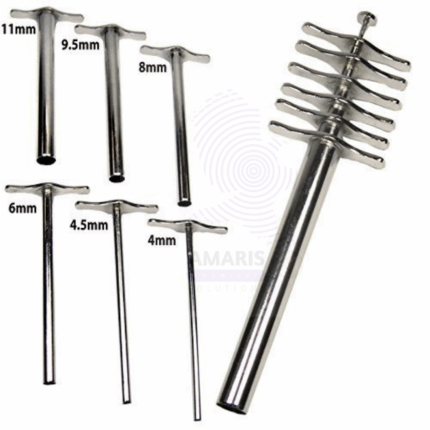
Cork borer set
The Cork Borer Set is a precision instrument set used in laboratories for cutting uniform cylindrical holes through corks, rubber stoppers, and soft polymers. Typically made of durable stainless steel, the set includes multiple hollow borers of varying diameters with sharpened edges, along with a cleaning rod or handle. It is essential for creating accurate openings to insert glass tubing or thermometers into stoppers for experimental setups involving sealed vessels or distillation systems.

Cork to fit boiling tube cork stopper
Cork to Fit Boiling Tube Cork Stopper is a precision-manufactured stopper made from natural or synthetic cork, designed specifically to fit standard boiling tubes. It ensures a snug, secure closure that prevents leaks, contamination, or evaporation during laboratory procedures. These stoppers are essential in both routine and specialized lab applications where temporary sealing of test vessels is required. With good compressibility, mild chemical resistance, and reliable sealing properties, the stopper is a staple in laboratory glassware accessories.
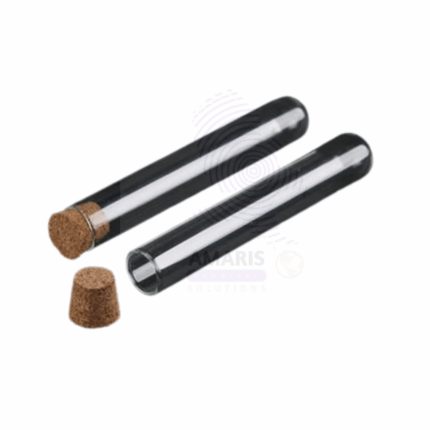
Cork to fit test tube
Cork to Fit Test Tube is a conical sealing component made from natural or synthetic cork, designed specifically to fit snugly into standard laboratory test tubes. It ensures a tight seal that prevents contamination, limits evaporation, and maintains sample integrity during storage or handling. Due to its compressible and chemically resistant structure, it is ideal for routine laboratory operations and industrial testing processes. These corks are available in various sizes to accommodate a wide range of test tube diameters and are compatible with both glass and plastic tubes.

Deflagrating Spoon with lid
The Deflagrating Spoon with Lid is a specialized laboratory tool designed for safe combustion and thermal decomposition experiments. It features a heat-resistant spoon fitted with a secure, removable lid to contain and control the release of gases and flames during reactions. Commonly used in chemical demonstrations and analytical labs, this apparatus enhances user safety by minimizing exposure to reactive vapors and preventing splatter. Made from high-grade stainless steel or alloy, it ensures durability, thermal stability, and chemical resistance for repeated high-temperature use in both laboratory and industrial settings.












