

 Preservatives(food)
 Flavors
 Acidulants
 Sweeteners
 Antioxidants
 Colorants(food)
 Nutraceutical Ingredients (food)
 Nutrient Supplements
 Emulsifiers
 Collectors
 Dust Suppressants
 Explosives and Blasting Agents
 Flocculants and Coagulants
 Frothers
 Leaching Agents
 pH Modifiers
 Precious Metal Extraction Agents
 Antioxidants(plastic)
 Colorants (Pigments, Dyes)
 Fillers and Reinforcements
 Flame Retardants
 Monomers
 Plasticizers
 Polymerization Initiators
 Stabilizers (UV, Heat)
 Antifoaming Agents
 Chelating Agents
 Coagulants and Flocculants
 Corrosion Inhibitors
 Disinfectants and Biocides
 Oxidizing Agents
 pH Adjusters
 Scale Inhibitors( water)
 Antioxidants(cosmetic)
 Emollients
 Oils
Oils Carrier Oills
 Essential Oils
 Humectants
 Preservatives
 Surfactants(cosmetic)
 Thickeners
 UV Filters
 Fragrance (Cosmetics)
 Fertilizers
 Soil Conditioners
 Plant Growth Regulators
 Animal Feed Additives
 Biostimulants
 Pesticides (Herbicides, Insecticides, Fungicides)
 Active Pharmaceutical Ingredients (APIs)
 Excipients
 Solvents(pharmaceutical)
 Antibiotics
 Antiseptics and Disinfectants
 Vaccine Adjuvants
 Nutraceutical Ingredients (pharmaceutical)
 Analgesics & Antipyretics
 Analytical Reagents
 Solvents(lab)
 Chromatography Chemicals
 Spectroscopy Reagents
 microbiology-and-cell-culture-reagents
 Molecular Biology Reagents
 Biochemical Reagents
 Inorganic and Organic Standards
 Laboratory Safety Chemicals
 Specialty Laboratory Chemicals(Special Laboratory Equipment)
 Demulsifiers
 Hydraulic Fracturing Fluids
 Scale Inhibitors(oil)
 Surfactants(oil)
 Drilling Fluids
 Dyes and Pigments
 Bleaching Agents
 Softening Agents
 Finishing Agents
 Antistatic Agents
 Admixtures
 Waterproofing Agents
 Sealants and Adhesives
 Curing Compounds
 Concrete Repair Chemicals
 Anti-Corrosion Coatings
 Surfactants(cleaning)
 Builders
 Enzymes
 Solvents (Cleaning)
 Electronic Chemicals
 Catalysts
 Lubricants
 Photographic Chemicals
 Refrigerants
 Automotive chemicals
 Pyrotechnic Chemicals
 Biodegradable Surfactants
 Bio-based Solvents
 Renewable Polymers
 Carbon Capture Chemicals
 Wastewater Treatment Chemicals
 Pigments
 Solvents(paint)
 Specialty Coatings
 Binders/Resins
 Additives
 Driers
 Anti-Corrosion Agents
 Functional Coatings
 Application-Specific Coatings
 Leavening Agents
 Dough Conditioners
 Flour Treatments
 Fat Replacers
 Decoratives
 Preservatives(baking)
 Plasticizers & Softeners
 Reinforcing Agents
 Adhesion Promoters
 Vulcanizing Agents
 Antidegradants
 Blowing Agents
 Fillers & Extenders
 Accelerators & Retarders


Spatula plastic
Original price was: $ 2.50.$ 2.32Current price is: $ 2.32.
Plastic Spatulas are versatile laboratory tools designed for safely handling, transferring, and mixing small quantities of powders, granules, and liquids. Made from chemically resistant, durable plastic materials, these spatulas resist corrosion from most laboratory reagents and are lightweight for easy handling. They come in various sizes and shapes, often featuring flat or slightly curved blades to facilitate scooping and scraping. Plastic spatulas are essential in chemical, pharmaceutical, biological, and research laboratories for precise sample manipulation and contamination-free operations.
Spatula plastic
Primary Uses
- Laboratory Applications
- Transfer and measure small amounts of powdered chemicals or reagents.
- Scrape and collect residues from containers or surfaces.
- Mix and homogenize small samples during preparation or analysis.
- Handle biological samples or pharmaceutical powders with minimal contamination risk.
- Facilitate weighing and sample preparation in analytical and research settings.
Secondary Uses
- Used in educational laboratories for safe and convenient chemical handling.
- Employed in food science labs for sample handling.
- Applicable in cosmetic and personal care labs for small-batch mixing and formulation.
1.Basic Identification Attributes
- Material: Chemically resistant plastic (e.g., polypropylene, polyethylene).
- Design: Flat or curved blade with a handle for easy grip.
- Sizes: Available in various lengths and blade widths depending on application.
2.Physical & Chemical Properties
- Chemical Resistance: Resistant to acids, bases, solvents, and aqueous solutions.
- Durability: Lightweight but sturdy for repeated use.
- Non-reactive: Does not contaminate or react with most chemicals handled.
3.Safety & Hazard Attributes
- Non-toxic and safe to handle under normal laboratory conditions.
- Smooth edges reduce risk of cuts or injuries.
4.Storage & Handling Attributes
- Store in clean, dry environments to maintain cleanliness.
- Clean thoroughly after use to avoid cross-contamination.
5.Regulatory & Compliance Attributes
- Manufactured according to laboratory quality and safety standards.
- Suitable for GLP and GMP compliant laboratories.
6.Environmental & Health Impact
- Plastic components may not be biodegradable; recycling encouraged where possible.
- Low health risk with proper handling.
Safety Handling Precautions
- Use PPE such as gloves to avoid contamination.
- Avoid excessive force to prevent breakage or deformation.
First Aid Measures
- For minor injuries, clean affected area and seek medical attention if needed.
Firefighting Measures
- Plastic material is combustible; use appropriate extinguishing methods (e.g., CO₂, dry chemical).
Related products
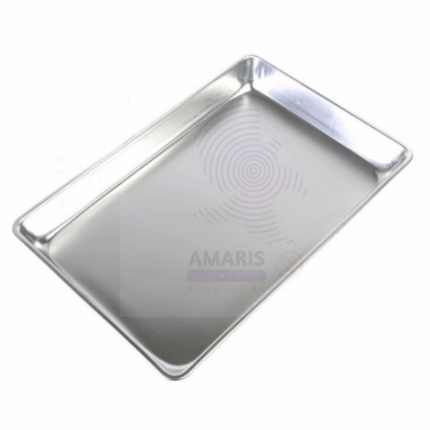
Aluminum Dissecting Pan with wax
Aluminum Dissecting Pan with Wax is a durable, lightweight pan designed specifically for dissection and specimen preparation in laboratory, educational, and research settings. The pan features a sturdy aluminum base combined with a layer of wax that securely holds biological specimens in place during dissection. This design provides an easy-to-clean, reusable workspace that enhances precision and control for students, educators, and scientists. Its corrosion-resistant aluminum construction ensures longevity and resistance to chemicals typically used in dissection.
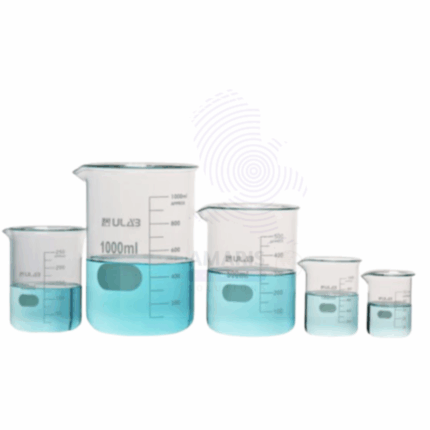
Beaker Hysil
Beaker Hysil is a high-quality borosilicate glass laboratory beaker known for its excellent thermal resistance, chemical durability, and mechanical strength. It is designed for use in various scientific and industrial laboratory applications requiring heating, mixing, and measuring of liquids. The clear, transparent body allows easy observation of contents, and graduated markings provide approximate volume measurements. Beaker Hysil is widely used in educational, research, and industrial laboratories.
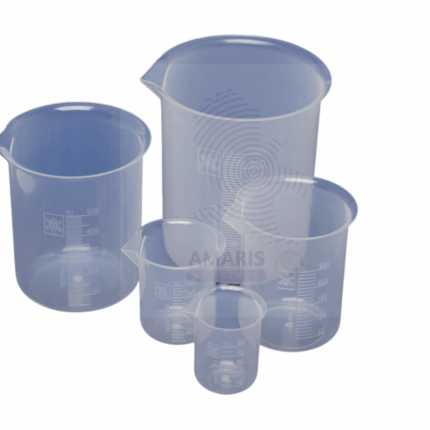
Beaker Plastic
Beaker Plastic is a durable laboratory container made from high-quality, chemical-resistant plastic materials such as polypropylene or polystyrene. It is designed for mixing, measuring, and holding liquids in laboratory and industrial settings. The plastic beaker offers lightweight, shatter-resistant performance, making it ideal for routine lab work, sample preparation, and general handling of non-corrosive chemicals. It features clear or translucent walls with graduated markings for approximate volume measurement.
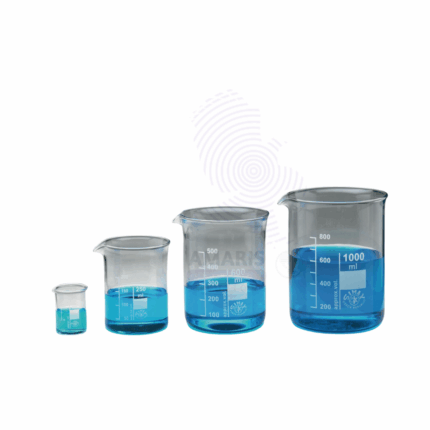
Beaker Simax
Beaker Simax is a high-quality borosilicate glass laboratory container renowned for its excellent thermal shock resistance, chemical durability, and mechanical strength. Manufactured by Simax, this beaker is ideal for mixing, heating, and holding liquids in laboratory and industrial environments. It can withstand sudden temperature changes without cracking, making it suitable for heating, cooling, and chemical processing. The clear glass body features graduated markings for approximate volume measurement.
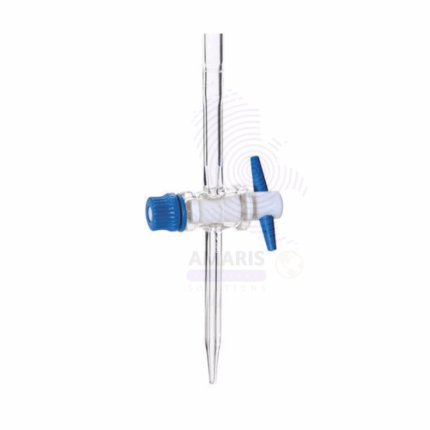
Burette Stop cork
Product Description
The Burette Stop Cork is a laboratory accessory designed to securely seal the open end of a burette, preventing liquid leakage and contamination during titration and other laboratory procedures. Made from high-quality, chemical-resistant cork or synthetic materials like rubber or silicone, it offers a snug fit for various burette sizes. The stop cork ensures controlled flow and precise measurement by allowing easy manipulation of the burette’s liquid contents.
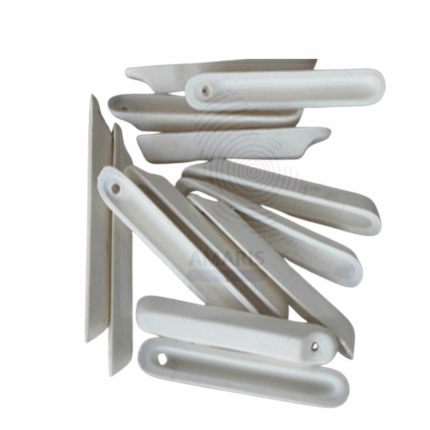
Combustion Boat
Product Description
The Combustion Boat is a small, heat-resistant container typically made of porcelain or quartz, designed to hold samples during combustion analysis. It is used primarily in laboratories to contain solid or powdered samples that are subjected to high temperatures for elemental analysis, especially in organic and inorganic chemistry. The boat withstands extreme temperatures without reacting with the sample, ensuring accurate and uncontaminated results.

Condenser liebig
The Liebig Condenser is a straight glass tube surrounded by a water jacket used to cool and condense vapors back into liquids during distillation processes. It is a fundamental laboratory apparatus designed for efficient heat exchange, allowing vapors to lose heat and convert back to liquid form. Constructed from durable borosilicate glass, the Liebig condenser withstands thermal stress and chemical corrosion, making it suitable for repeated use in various laboratory and industrial distillation and reflux applications.

Deflagrating Spoon with lid
The Deflagrating Spoon with Lid is a specialized laboratory tool designed for safe combustion and thermal decomposition experiments. It features a heat-resistant spoon fitted with a secure, removable lid to contain and control the release of gases and flames during reactions. Commonly used in chemical demonstrations and analytical labs, this apparatus enhances user safety by minimizing exposure to reactive vapors and preventing splatter. Made from high-grade stainless steel or alloy, it ensures durability, thermal stability, and chemical resistance for repeated high-temperature use in both laboratory and industrial settings.












