

 Preservatives(food)
 Flavors
 Acidulants
 Sweeteners
 Antioxidants
 Colorants(food)
 Nutraceutical Ingredients (food)
 Nutrient Supplements
 Emulsifiers
 Collectors
 Dust Suppressants
 Explosives and Blasting Agents
 Flocculants and Coagulants
 Frothers
 Leaching Agents
 pH Modifiers
 Precious Metal Extraction Agents
 Antioxidants(plastic)
 Colorants (Pigments, Dyes)
 Fillers and Reinforcements
 Flame Retardants
 Monomers
 Plasticizers
 Polymerization Initiators
 Stabilizers (UV, Heat)
 Antifoaming Agents
 Chelating Agents
 Coagulants and Flocculants
 Corrosion Inhibitors
 Disinfectants and Biocides
 Oxidizing Agents
 pH Adjusters
 Scale Inhibitors( water)
 Antioxidants(cosmetic)
 Emollients
 Oils
Oils Carrier Oills
 Essential Oils
 Humectants
 Preservatives
 Surfactants(cosmetic)
 Thickeners
 UV Filters
 Fertilizers
 Soil Conditioners
 Plant Growth Regulators
 Animal Feed Additives
 Biostimulants
 Pesticides (Herbicides, Insecticides, Fungicides)
 Active Pharmaceutical Ingredients (APIs)
 Excipients
 Solvents(pharmaceutical)
 Antibiotics
 Antiseptics and Disinfectants
 Vaccine Adjuvants
 Nutraceutical Ingredients (pharmaceutical)
 Analgesics & Antipyretics
 Analytical Reagents
 Solvents(lab)
 Chromatography Chemicals
 Spectroscopy Reagents
 microbiology-and-cell-culture-reagents
 Molecular Biology Reagents
 Biochemical Reagents
 Inorganic and Organic Standards
 Laboratory Safety Chemicals
 Specialty Laboratory Chemicals(Special Laboratory Equipment)
 Demulsifiers
 Hydraulic Fracturing Fluids
 Scale Inhibitors(oil)
 Surfactants(oil)
 Drilling Fluids
 Dyes and Pigments
 Bleaching Agents
 Softening Agents
 Finishing Agents
 Antistatic Agents
 Admixtures
 Waterproofing Agents
 Sealants and Adhesives
 Curing Compounds
 Concrete Repair Chemicals
 Anti-Corrosion Coatings
 Surfactants(cleaning)
 Builders
 Enzymes
 Solvents (Cleaning)
 Fragrances (Cleaning)
 Electronic Chemicals
 Catalysts
 Lubricants
 Photographic Chemicals
 Refrigerants
 Automotive chemicals
 Pyrotechnic Chemicals
 Biodegradable Surfactants
 Bio-based Solvents
 Renewable Polymers
 Carbon Capture Chemicals
 Wastewater Treatment Chemicals
 Pigments
 Solvents(paint)
 Specialty Coatings
 Binders/Resins
 Additives
 Driers
 Anti-Corrosion Agents
 Functional Coatings
 Application-Specific Coatings
 Leavening Agents
 Dough Conditioners
 Flour Treatments
 Fat Replacers
 Decoratives
 Preservatives(baking)
 Plasticizers & Softeners
 Reinforcing Agents
 Adhesion Promoters
 Vulcanizing Agents
 Antidegradants
 Blowing Agents
 Fillers & Extenders
 Accelerators & Retarders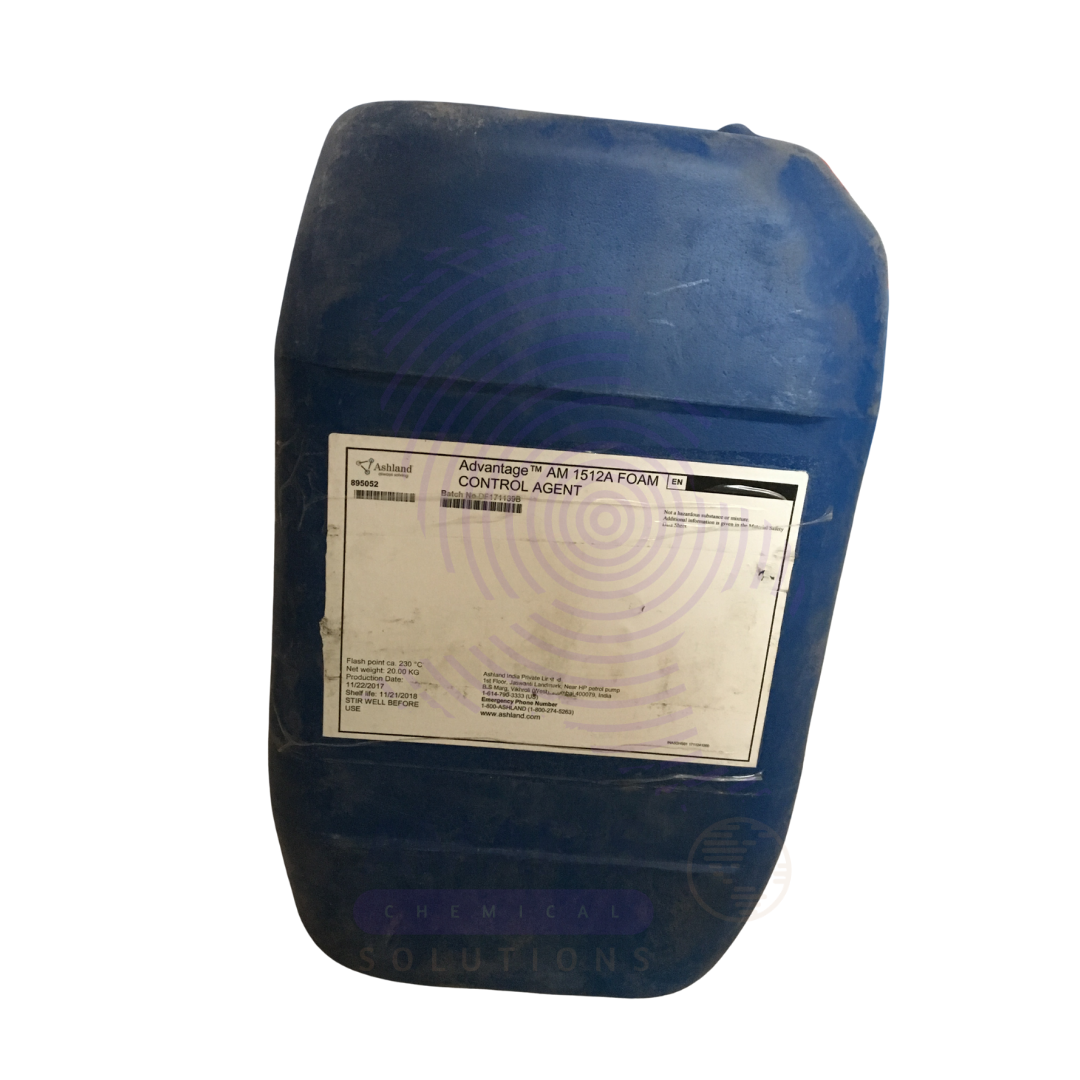


Anti Foam
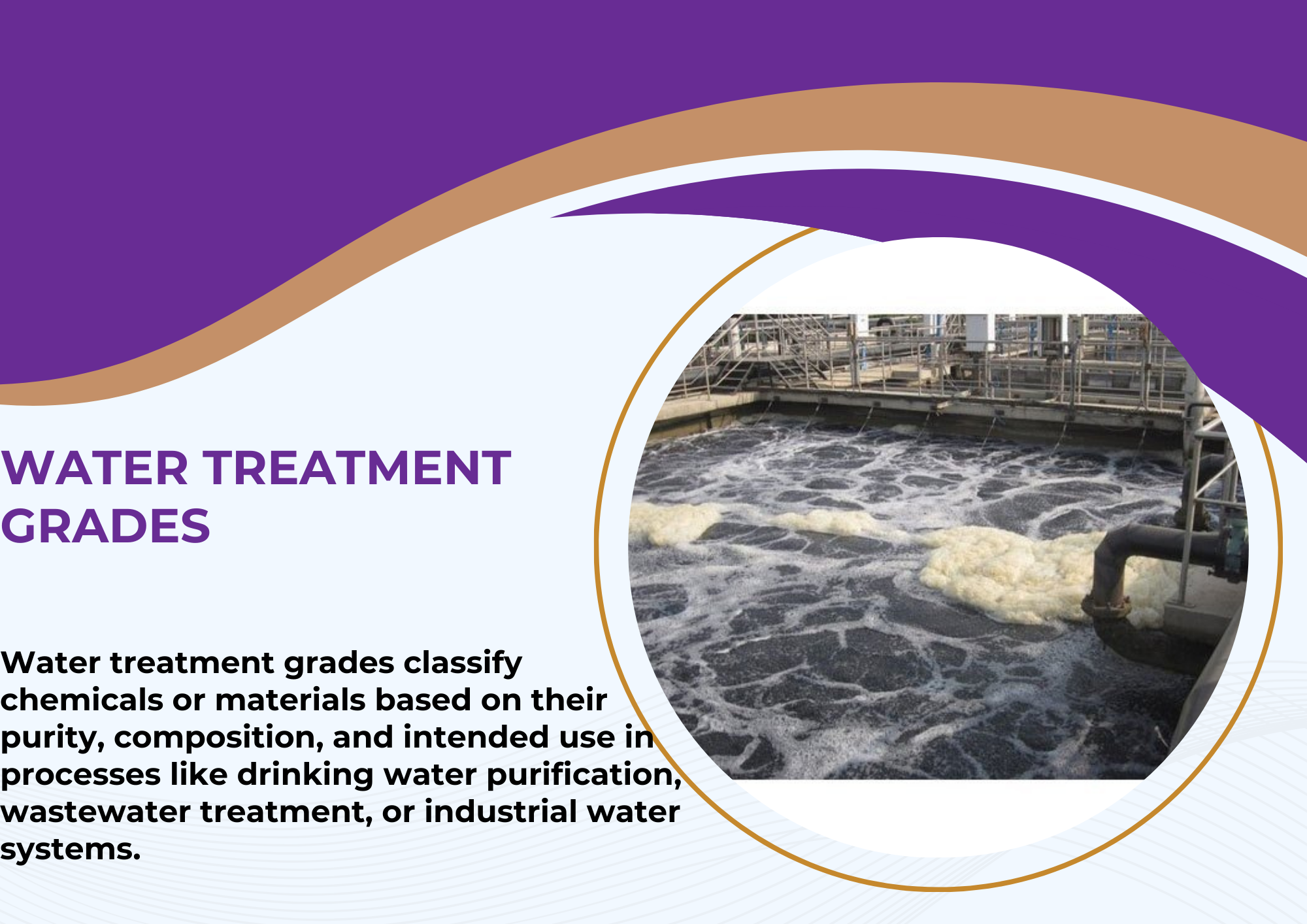
Anti foams are chemical additives designed to reduce or prevent the formation of foam in industrial processes, manufacturing, and various formulations. Foam can interfere with operations such as mixing, filling, pumping, and heat transfer, leading to reduced efficiency or defects in products. Anti foams work by destabilizing foam bubbles, causing them to coalesce and collapse rapidly. They are widely used in industries including food and beverage, pharmaceuticals, wastewater treatment, paints and coatings, and chemical manufacturing. Different types of anti foams include silicone-based, mineral oil-based, and organic polymer-based formulations, chosen according to the specific application and process conditions.
Anti foam
Primary Uses
- Food & Beverage Industry
- Used to control foam during the processing of beer, soft drinks, juices, and dairy products to ensure smooth operation and consistent quality.
- Pharmaceutical Manufacturing
- Helps maintain proper mixing and processing by preventing foam formation in liquid medicines, syrups, and suspensions.
- Wastewater Treatment
- Controls foam in aeration tanks and sludge processing to enhance treatment efficiency and prevent overflow or equipment damage.
- Paints & Coatings
- Reduces foam during production and application of paints, varnishes, and inks to improve finish quality and prevent defects.
- Chemical Processing
- Prevents foam build-up in reactors, distillation columns, and other equipment where foaming can disrupt operation or cause safety issues.
Secondary Uses
- Textile Industry
- Controls foam in dyeing and finishing processes to improve fabric quality.
- Oil & Gas
- Used in drilling fluids and refining processes to reduce foam formation.
- Cosmetics & Personal Care
- Sometimes incorporated in formulations to regulate foam characteristics in shampoos and cleansers.
1. Basic Identification Attributes
- Chemical Name (IUPAC): Varies depending on active ingredient (e.g., polydimethylsiloxane for silicone-based anti foams)
- Common/Trade Name: Anti Foam, Defoamer
- CAS Number: Varies by chemical composition
- HS Code: 3402.90.90 (varies by product and region)
- Molecular Formula: Depends on chemical composition (silicone oils, mineral oils, etc.)
- Synonyms: Defoamer, foam suppressant
2. Physical & Chemical Properties
- Physical State: Usually liquid or paste; some powdered forms exist
- Color & Odor: Colorless to pale yellow; typically odorless or mild odor depending on formulation
- Solubility: Insoluble or partially soluble in water; soluble in oils and organic solvents depending on type
- Density: Typically between 0.8 to 1.2 g/cm³
- Stability: Chemically stable under normal storage and use conditions
3. Safety & Hazard Attributes
- Hazard Class (GHS): Generally low hazard; may be classified depending on specific formulation components
- Exposure Limits: Varies; follow MSDS for specific products
- Reactivity: Stable; avoid strong oxidizers or extreme conditions
4. Storage & Handling Attributes
- Storage Conditions: Store in cool, dry place away from heat and ignition sources
- Container Type: Typically supplied in plastic drums, metal cans, or bottles
- Shelf Life: Typically 1–3 years depending on formulation and storage conditions
- Special Handling: Avoid prolonged skin contact; use PPE as per safety data sheet
5. Regulatory & Compliance Attributes
- Regulatory Status: Approved for use in food processing and pharmaceuticals when food-grade quality is specified
- Transportation: Generally not classified as hazardous; comply with local transport regulations
- Waste Disposal: Dispose in accordance with local environmental regulations
6. Environmental & Health Impact
- Ecotoxicity: Low toxicity when used as intended; biodegradable properties depend on formulation
- Persistence: Some formulations may be persistent in environment; biodegradable variants preferred
- Carcinogenicity: Not classified as carcinogenic
Safety Handling Precautions
- PPE: Use gloves and goggles to prevent skin and eye contact.
- Ventilation: Use in well-ventilated areas to avoid inhalation of vapors or aerosols.
- Spill Management: Clean spills promptly with absorbent materials; avoid release to waterways.
- Hygiene: Wash hands after handling; do not eat, drink, or smoke in work areas.
First Aid Measures
- Inhalation: Move to fresh air; seek medical attention if breathing is difficult.
- Skin Contact: Wash with soap and water; remove contaminated clothing; seek medical advice if irritation occurs.
- Eye Contact: Rinse eyes thoroughly with water for at least 15 minutes; seek medical help if irritation persists.
- Ingestion: Rinse mouth; do not induce vomiting; seek medical attention if large amounts ingested.
Firefighting Measures
- Fire Hazards: Generally low flammability; may burn if exposed to high heat or flame.
- Extinguishing Media: Use water spray, foam, dry chemical, or CO₂ extinguishers as appropriate.
- Special Precautions: Firefighters should wear protective gear and self-contained breathing apparatus if exposure to fumes is possible.
Related products
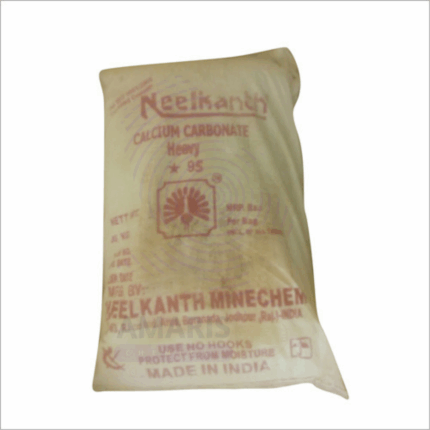
Calcium Carbonate Heavy
Calcium Carbonate Heavy is a high-density, finely ground, natural mineral primarily composed of calcium carbonate (CaCO₃). Known for its higher bulk density compared to regular grades, this filler is widely used in applications requiring enhanced weight, opacity, and strength. It is commonly employed as a functional filler and extender in industries such as plastics, paints, coatings, adhesives, rubber, paper, and construction materials. Its inert nature, whiteness, and particle size distribution make it suitable for improving mechanical properties and surface finish, while also offering cost efficiency by replacing more expensive raw materials.

Calcium Chloride
Calcium Chloride is an inorganic salt composed of calcium and chlorine with the chemical formula CaCl₂. It typically appears as a white crystalline solid or granular powder, highly soluble in water and exhibiting strong hygroscopic properties. Calcium Chloride is widely used for its moisture-absorbing ability, de-icing, dust control, and as a firming agent in food processing. It finds extensive applications across industrial, pharmaceutical, agricultural, and food sectors due to its efficacy in modifying physical and chemical properties of products and environments.
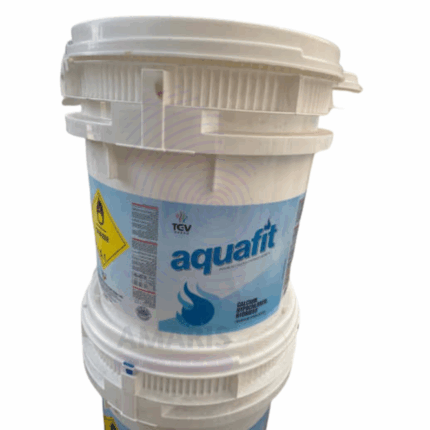
Calcium Hypochlorite
Calcium Hypochlorite Chlorine is a white to slightly yellow crystalline powder or granules known for its strong oxidizing and disinfectant properties. The 65% grade indicates the available chlorine content, making it a powerful bleaching, sanitizing, and oxidizing agent. It is commonly used for water treatment, sanitation, and as a bleaching agent in industrial and household applications. Calcium Hypochlorite dissolves in water to release hypochlorous acid, which effectively kills bacteria, viruses, and fungi.
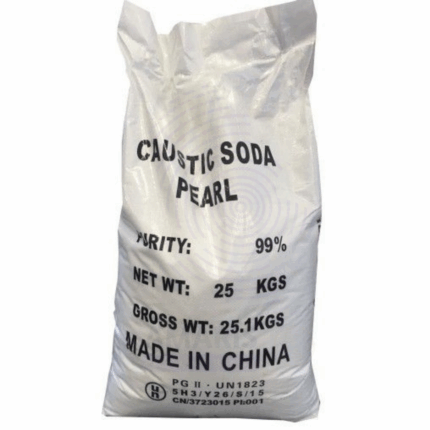
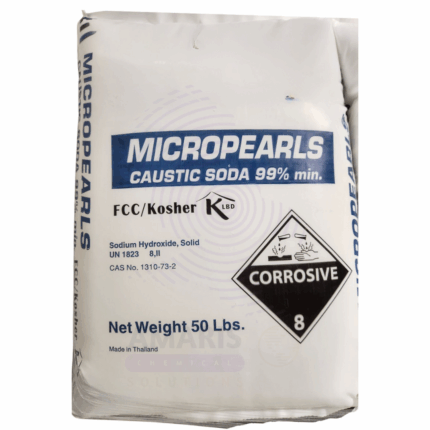
Caustic Soda Pearls
Caustic Soda Pearls are small, solid, spherical particles of sodium hydroxide (NaOH) produced by a controlled cooling and solidification process. These pearls offer superior flowability, uniform size distribution, and reduced dust generation compared to flake or powder forms. They are highly soluble in water, exhibiting a strong alkaline nature with vigorous exothermic dissolution. Caustic Soda Pearls are widely used across industries including chemical manufacturing, water treatment, pulp and paper processing, and detergents due to their purity, ease of handling, and efficient dissolution characteristics.
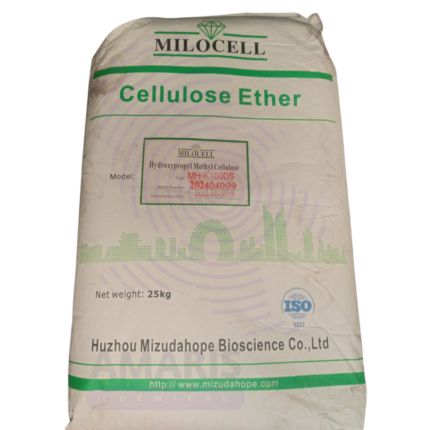
Cellulose Ether
Cellulose ether refers to a group of chemically modified cellulose derivatives where hydroxyl groups on the cellulose backbone are substituted with ether groups such as methyl, hydroxyethyl, or carboxymethyl groups. These modifications improve solubility, viscosity, and film-forming properties while maintaining biodegradability and non-toxicity. Cellulose ethers are white to off-white powders or granules that dissolve in water to form viscous, stable solutions. They are widely used as thickeners, binders, stabilizers, and film formers in industries such as construction, pharmaceuticals, cosmetics, food, and paper.
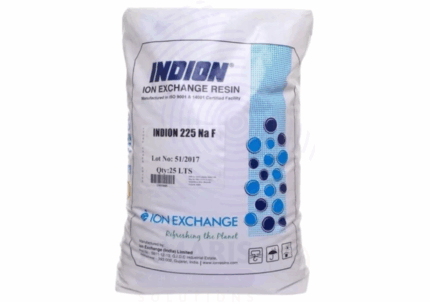
Indion Cation Resin
Indion Cation Resin is a synthetic ion exchange resin designed primarily for the removal of positively charged ions (cations) from water and various liquid streams. Typically composed of a sulfonated polystyrene-divinylbenzene (PS-DVB) copolymer, this resin features a highly porous bead structure with functional groups that exchange hydrogen or sodium ions for calcium, magnesium, iron, and other metallic cations. Available in different forms (strong acid cation, weak acid cation), Indion Cation Resin is widely used in water treatment, industrial processes, and purification systems.
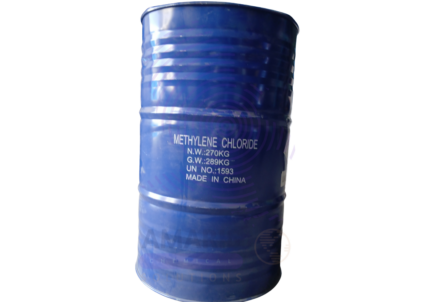
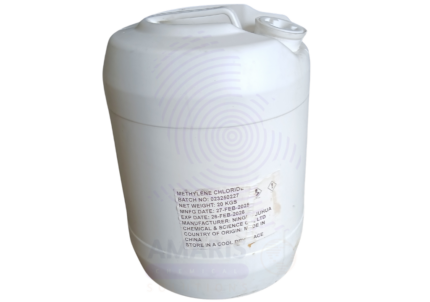
Methylene Chloride (Dichloromethane)
Methylene Chloride (Dichloromethane), also known as methylene chloride, is a volatile, colorless liquid with a sweet, chloroform-like odor. It is a chlorinated solvent widely used in industrial, pharmaceutical, and laboratory applications due to its excellent solvent properties, including high volatility, moderate polarity, and low boiling point (about 39.6°C). DCM is prized for its ability to dissolve a wide range of organic compounds, making it ideal for extraction, paint stripping, degreasing, and chemical processing. However, due to health and environmental concerns, its use is regulated and controlled in many countries.
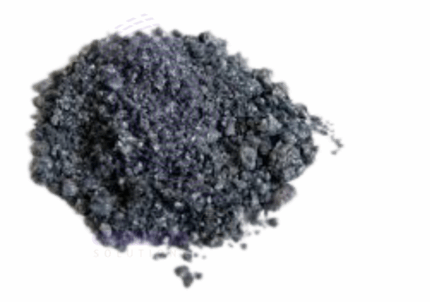
Salcromo
Salcromo is a specialty chemical used primarily as a corrosion inhibitor and surface treatment agent for metals. It helps prevent rust and corrosion on metal surfaces, enhancing their durability and lifespan. Salcromo is widely applied in industries such as metal finishing, automotive, and manufacturing to protect steel, iron, and other metals from environmental damage and oxidation.












