

 Preservatives(food)
 Flavor Enhancers
 Acidulants
 Sweeteners
 Antioxidants
 Colorants(food)
 Nutraceutical Ingredients (food)
 Nutrient Supplements
 Emulsifiers
 Collectors
 Dust Suppressants
 Explosives and Blasting Agents
 Flocculants and Coagulants
 Frothers
 Leaching Agents
 pH Modifiers
 Precious Metal Extraction Agents
 Antioxidants(plastic)
 Colorants (Pigments, Dyes)
 Fillers and Reinforcements
 Flame Retardants
 Monomers
 Plasticizers
 Polymerization Initiators
 Stabilizers (UV, Heat)
 Antifoaming Agents
 Chelating Agents
 Coagulants and Flocculants
 Corrosion Inhibitors
 Disinfectants and Biocides
 Oxidizing Agents
 pH Adjusters
 Scale Inhibitors( water)
 Antioxidants(cosmetic)
 Emollients
 Fragrances and Essential Oils
 Humectants
 Preservatives
 Surfactants(cosmetic)
 Thickeners
 UV Filters
 Fertilizers
 Soil Conditioners
 Plant Growth Regulators
 Animal Feed Additives
 Biostimulants
 Pesticides (Herbicides, Insecticides, Fungicides)
 Active Pharmaceutical Ingredients (APIs)
 Excipients
 Solvents(pharmaceutical)
 Antibiotics
 Antiseptics and Disinfectants
 Vaccine Adjuvants
 Nutraceutical Ingredients (pharmaceutical)
 Analgesics & Antipyretics
 Analytical Reagents
 Solvents(lab)
 Chromatography Chemicals
 Spectroscopy Reagents
 microbiology-and-cell-culture-reagents
 Molecular Biology Reagents
 Biochemical Reagents
 Inorganic and Organic Standards
 Laboratory Safety Chemicals
 Specialty Laboratory Chemicals(Special Laboratory Equipment)
 Demulsifiers
 Hydraulic Fracturing Fluids
 Scale Inhibitors(oil)
 Surfactants(oil)
 Drilling Fluids
 Dyes and Pigments
 Bleaching Agents
 Softening Agents
 Finishing Agents
 Antistatic Agents
 Admixtures
 Waterproofing Agents
 Sealants and Adhesives
 Curing Compounds
 Concrete Repair Chemicals
 Anti-Corrosion Coatings
 Surfactants(cleaning)
 Builders
 Enzymes
 Solvents (Cleaning)
 Fragrances
 Electronic Chemicals
 Catalysts
 Lubricants
 Photographic Chemicals
 Refrigerants
 Automotive chemicals
 Pyrotechnic Chemicals
 Biodegradable Surfactants
 Bio-based Solvents
 Renewable Polymers
 Carbon Capture Chemicals
 Wastewater Treatment Chemicals
 Pigments
 Solvents(paint)
 Specialty Coatings
 Binders/Resins
 Additives
 Driers
 Anti-Corrosion Agents
 Functional Coatings
 Application-Specific Coatings
 Leavening Agents
 Dough Conditioners
 Flour Treatments
 Fat Replacers
 Decoratives
 Preservatives(baking)
 Plasticizers & Softeners
 Reinforcing Agents
 Adhesion Promoters
 Vulcanizing Agents
 Antidegradants
 Blowing Agents
 Fillers & Extenders
 Accelerators & Retarders

















Analytical Grade denotes chemicals of the highest purity standards, specifically manufactured for precise laboratory analysis and research applications. These reagents undergo rigorous purification and quality control to ensure minimal interference in sensitive analytical techniques such as chromatography (HPLC, GC), spectroscopy (AAS, ICP-MS), and titrimetry. Characterized by their exceptional purity (typically 95-99.9+%), they contain strictly controlled levels of impurities like heavy metals, moisture, and particulates that could compromise experimental accuracy. Each batch is accompanied by detailed certificates of analysis documenting exact composition and purity parameters. Analytical grade chemicals are essential in pharmaceutical QC, environmental monitoring, food safety testing, and clinical diagnostics where measurement precision is critical. They surpass industrial or technical grades in purity requirements, often meeting or exceeding standards set by ACS, USP, or ISO guidelines. Proper storage under controlled conditions and careful handling are mandatory to maintain their integrity for reliable analytical results in research and quality assurance laboratories.

Bicarbonate Indicator
Bicarbonate Indicator is a specialized liquid reagent formulated to visually signal changes in bicarbonate concentration, typically through colorimetric shifts in response to pH variations. It is commonly used in laboratory analyses of carbon dioxide and bicarbonate buffering systems, especially in biological, environmental, and chemical experiments. This indicator provides immediate visual cues for acid-base reactions involving bicarbonate ions, making it essential for studies in respiratory physiology, water quality testing, and biochemical buffering systems.
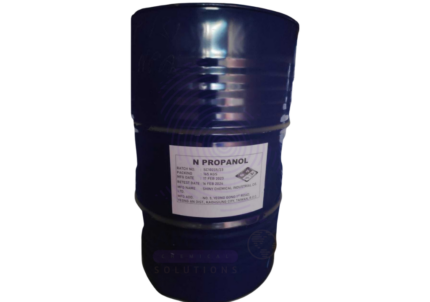
N-Propanol
N-Propanol, also known as n-Propyl Alcohol or 1-Propanol, is a clear, colorless, low-viscosity liquid with a characteristic mild alcohol-like odor. It is a primary alcohol with the molecular formula C₃H₈O, fully miscible with water and common organic solvents such as alcohols, ketones, ethers, glycols, and hydrocarbons. This high-purity, semi-volatile, polar solvent serves as both a versatile solvent and a chemical intermediate across multiple industrial sectors. N-Propanol has a flash point of 15–23°C and is classified as a highly flammable liquid. Technical grade N-Propanol is manufactured for industrial applications and is not intended for direct human consumption unless specifically certified as USP or Food Grade.
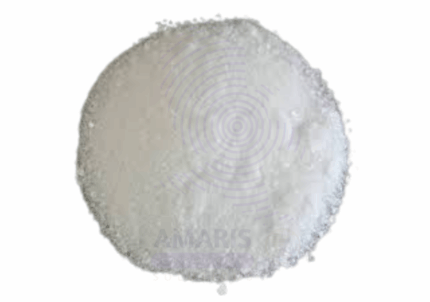
Sodium Diphenylamin Sulphonate
Sodium Diphenylamin Sulphonate is a white to light brown crystalline powder used primarily as an antioxidant and stabilizer in various industrial applications. It functions by inhibiting the oxidation of materials such as rubber, lubricants, and fuels, thereby enhancing their shelf life and performance. This chemical is valued for its efficiency in preventing degradation caused by heat, light, and oxygen exposure. It also finds use as a reagent in analytical chemistry and in dye manufacturing processes.
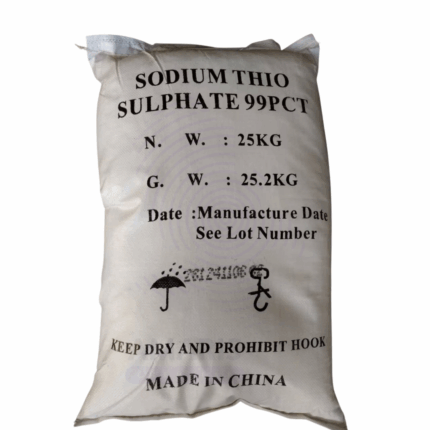
Sodium Thiosulphate
Sodium Thiosulphate (Na₂S₂O₃) is a white, crystalline, odorless powder or granular solid highly soluble in water. This 25kg packaged chemical is widely used in photographic processing, water treatment, chemical synthesis, and medicine. Known for its reducing and complexing properties, it acts as an effective dechlorinating agent and fixer in photography by dissolving silver halides. It is stable under normal conditions and easily handled for industrial and laboratory applications.
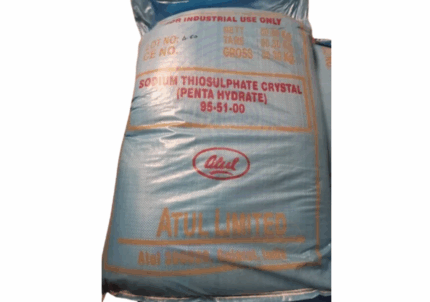
Sodium Thiosulphate Pentahydrate
Sodium Thiosulphate Pentahydrate (Na₂S₂O₃·5H₂O) is a white crystalline solid that is highly soluble in water. It is commonly used as a photographic fixer, reducing agent, and in water treatment processes. This 25kg packaged product contains five molecules of water of crystallization, which makes it more stable and easier to handle in industrial and laboratory applications. It is widely used to dechlorinate water, remove heavy metals, and in analytical chemistry for iodometric titrations.












