Preservatives(food)
 Flavor Enhancers
 Acidulants
 Sweeteners
 Antioxidants
 Colorants(food)
 Nutraceutical Ingredients (food)
 Nutrient Supplements
 Emulsifiers
 Collectors
 Dust Suppressants
 Explosives and Blasting Agents
 Flocculants and Coagulants
 Frothers
 Leaching Agents
 pH Modifiers
 Precious Metal Extraction Agents
 Antioxidants(plastic)
 Colorants (Pigments, Dyes)
 Fillers and Reinforcements
 Flame Retardants
 Monomers
 Plasticizers
 Polymerization Initiators
 Stabilizers (UV, Heat)
 Antifoaming Agents
 Chelating Agents
 Coagulants and Flocculants
 Corrosion Inhibitors
 Disinfectants and Biocides
 Oxidizing Agents
 pH Adjusters
 Scale Inhibitors( water)
 Antioxidants(cosmetic)
 Emollients
 Fragrances and Essential Oils
 Humectants
 Preservatives
 Surfactants(cosmetic)
 Thickeners
 UV Filters
 Fertilizers
 Soil Conditioners
 Plant Growth Regulators
 Animal Feed Additives
 Biostimulants
 Pesticides (Herbicides, Insecticides, Fungicides)
 Active Pharmaceutical Ingredients (APIs)
 Excipients
 Solvents(pharmaceutical)
 Antibiotics
 Antiseptics and Disinfectants
 Vaccine Adjuvants
 Nutraceutical Ingredients (pharmaceutical)
 Analgesics & Antipyretics
 Analytical Reagents
 Solvents(lab)
 Chromatography Chemicals
 Spectroscopy Reagents
 microbiology-and-cell-culture-reagents
 Molecular Biology Reagents
 Biochemical Reagents
 Inorganic and Organic Standards
 Laboratory Safety Chemicals
 Specialty Laboratory Chemicals(Special Laboratory Equipment)
 Demulsifiers
 Hydraulic Fracturing Fluids
 Scale Inhibitors(oil)
 Surfactants(oil)
 Drilling Fluids
 Dyes and Pigments
 Bleaching Agents
 Softening Agents
 Finishing Agents
 Antistatic Agents
 Admixtures
 Waterproofing Agents
 Sealants and Adhesives
 Curing Compounds
 Concrete Repair Chemicals
 Anti-Corrosion Coatings
 Surfactants(cleaning)
 Builders
 Enzymes
 Solvents (Cleaning)
 Fragrances
 Electronic Chemicals
 Catalysts
 Lubricants
 Photographic Chemicals
 Refrigerants
 Automotive chemicals
 Pyrotechnic Chemicals
 Biodegradable Surfactants
 Bio-based Solvents
 Renewable Polymers
 Carbon Capture Chemicals
 Wastewater Treatment Chemicals
 Pigments
 Solvents(paint)
 Specialty Coatings
 Binders/Resins
 Additives
 Driers
 Anti-Corrosion Agents
 Functional Coatings
 Application-Specific Coatings
 Leavening Agents
 Dough Conditioners
 Flour Treatments
 Fat Replacers
 Decoratives
 Preservatives(baking)
 Plasticizers & Softeners
 Reinforcing Agents
 Adhesion Promoters
 Vulcanizing Agents
 Antidegradants
 Blowing Agents
 Fillers & Extenders
 Accelerators & Retarders
Neopentyl Glycol (NPG): The Unsung Hero of Modern Industry ⚙️🌍

When we think of essential industrial chemicals, compounds like acids and solvents often come to mind. Yet, tucked away in the world of polyols lies a high-performance chemical that keeps coatings, plastics, and lubricants performing at their best—Neopentyl Glycol (NPG).
This versatile chemical may not be a household name, but its contributions span industries from automotive paints to construction materials. Let’s take a closer look at why Neopentyl Glycol is such an important ingredient in today’s global industries.
What is Neopentyl Glycol? 🧪
Neopentyl Glycol (NPG) is a crystalline organic compound with the formula C₅H₁₂O₂. It is a type of diol (polyol), produced by reacting formaldehyde with isobutyraldehyde.
Key Characteristics:
- Appearance: White crystalline solid
- Solubility: Soluble in water and organic solvents
- Melting point: Around 127°C
- Stability: Resistant to oxidation and hydrolysis
Because of its thermal stability and hydrophobic properties, NPG is highly favored in applications that demand durability and resistance to moisture.
Applications of Neopentyl Glycol 🌍
1. Resins & Coatings 🎨
NPG is widely used in alkyd and polyester resins for paints and coatings. Its unique structure ensures:
- Resistance to heat, light, and weathering
- Glossy finishes with long-lasting durability
- Excellent adhesion properties
This makes it a backbone for automotive paints, industrial coatings, and powder coatings.
2. Plastics & Polymers 🧴
In the plastics industry, NPG is used in polyesters and polyurethanes, where it enhances:
- Flexibility
- Toughness
- Resistance to chemicals and moisture
3. Lubricants & Hydraulic Fluids ⚙️
NPG derivatives are key in producing synthetic lubricants and esters. These provide stability and reduce wear in aviation, automotive, and heavy machinery applications.
4. Adhesives & Sealants 🏗️
Because of its stability and bonding ability, NPG finds applications in adhesives, construction sealants, and epoxy hardeners.
5. Other Uses 🌟
- Plasticizers for PVC and other polymers
- Intermediate in pharmaceutical and cosmetic formulations
- Component in corrosion inhibitors
Advantages of Neopentyl Glycol 💡
- Excellent stability against oxidation and hydrolysis
- High durability in extreme environmental conditions
- Moisture resistance, making it perfect for outdoor coatings
- Versatility across multiple industries (coatings, plastics, lubricants)
Safety & Handling ⚠️
While NPG is generally safe, precautions are recommended:
- Avoid inhalation of dust during handling
- Store in a cool, dry, and ventilated environment
- Use protective gear (gloves, goggles, dust masks) during industrial processing
Packaging & Supply 📦
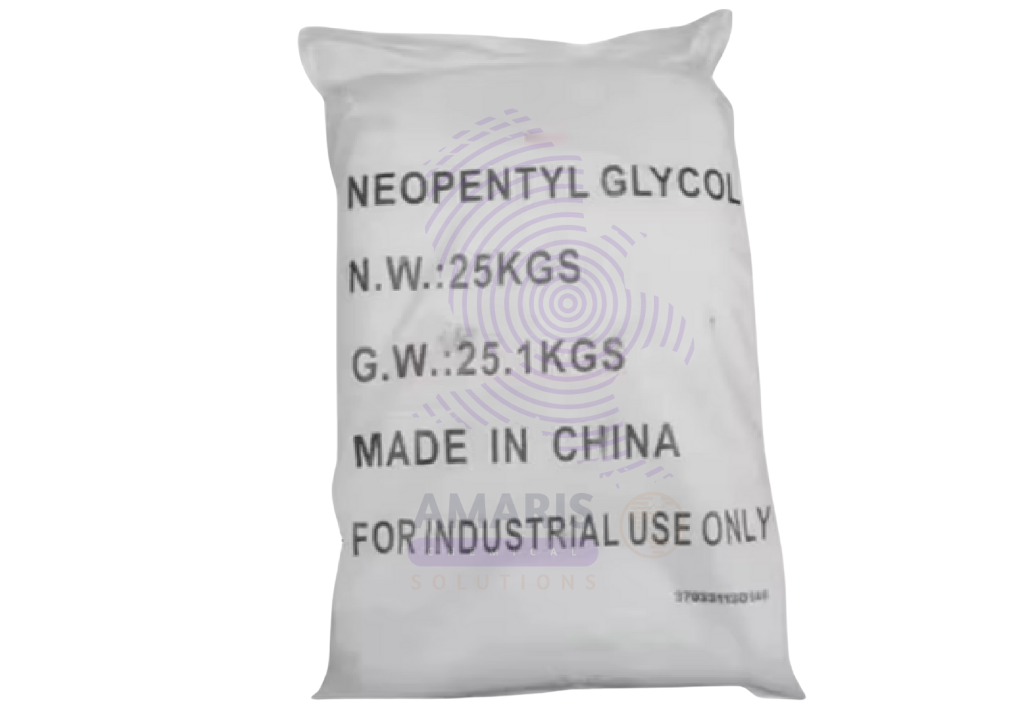
NPG is usually available in 25kg bags or bulk quantities, depending on industry needs. Its crystalline form makes it easy to transport and incorporate into manufacturing processes.
Final Thoughts 🌟
Neopentyl Glycol may not capture headlines, but its stability, versatility, and performance-enhancing qualities make it indispensable across industries. From ensuring the shine and durability of paints to improving the reliability of lubricants, NPG plays a quiet yet critical role in powering modern technology.
By delivering quality and consistency, NPG continues to shape the future of coatings, plastics, and industrial performance.