

 Preservatives(food)
 Flavor Enhancers
 Acidulants
 Sweeteners
 Antioxidants
 Colorants(food)
 Nutraceutical Ingredients (food)
 Nutrient Supplements
 Emulsifiers
 Collectors
 Dust Suppressants
 Explosives and Blasting Agents
 Flocculants and Coagulants
 Frothers
 Leaching Agents
 pH Modifiers
 Precious Metal Extraction Agents
 Antioxidants(plastic)
 Colorants (Pigments, Dyes)
 Fillers and Reinforcements
 Flame Retardants
 Monomers
 Plasticizers
 Polymerization Initiators
 Stabilizers (UV, Heat)
 Antifoaming Agents
 Chelating Agents
 Coagulants and Flocculants
 Corrosion Inhibitors
 Disinfectants and Biocides
 Oxidizing Agents
 pH Adjusters
 Scale Inhibitors( water)
 Antioxidants(cosmetic)
 Emollients
 Fragrances and Essential Oils
 Humectants
 Preservatives
 Surfactants(cosmetic)
 Thickeners
 UV Filters
 Fertilizers
 Soil Conditioners
 Plant Growth Regulators
 Animal Feed Additives
 Biostimulants
 Pesticides (Herbicides, Insecticides, Fungicides)
 Active Pharmaceutical Ingredients (APIs)
 Excipients
 Solvents(pharmaceutical)
 Antibiotics
 Antiseptics and Disinfectants
 Vaccine Adjuvants
 Nutraceutical Ingredients (pharmaceutical)
 Analgesics & Antipyretics
 Analytical Reagents
 Solvents(lab)
 Chromatography Chemicals
 Spectroscopy Reagents
 microbiology-and-cell-culture-reagents
 Molecular Biology Reagents
 Biochemical Reagents
 Inorganic and Organic Standards
 Laboratory Safety Chemicals
 Specialty Laboratory Chemicals(Special Laboratory Equipment)
 Demulsifiers
 Hydraulic Fracturing Fluids
 Scale Inhibitors(oil)
 Surfactants(oil)
 Drilling Fluids
 Dyes and Pigments
 Bleaching Agents
 Softening Agents
 Finishing Agents
 Antistatic Agents
 Admixtures
 Waterproofing Agents
 Sealants and Adhesives
 Curing Compounds
 Concrete Repair Chemicals
 Anti-Corrosion Coatings
 Surfactants(cleaning)
 Builders
 Enzymes
 Solvents (Cleaning)
 Fragrances
 Electronic Chemicals
 Catalysts
 Lubricants
 Photographic Chemicals
 Refrigerants
 Automotive chemicals
 Pyrotechnic Chemicals
 Biodegradable Surfactants
 Bio-based Solvents
 Renewable Polymers
 Carbon Capture Chemicals
 Wastewater Treatment Chemicals
 Pigments
 Solvents(paint)
 Specialty Coatings
 Binders/Resins
 Additives
 Driers
 Anti-Corrosion Agents
 Functional Coatings
 Application-Specific Coatings
 Leavening Agents
 Dough Conditioners
 Flour Treatments
 Fat Replacers
 Decoratives
 Preservatives(baking)
 Plasticizers & Softeners
 Reinforcing Agents
 Adhesion Promoters
 Vulcanizing Agents
 Antidegradants
 Blowing Agents
 Fillers & Extenders
 Accelerators & Retarders


















Construction Chemicals are specialized compounds used to enhance the performance, durability, and efficiency of building materials and structures. These additives play a critical role in modern construction by improving the properties of concrete, mortar, adhesives, and coatings. Key types include concrete admixtures (water reducers, accelerators, retarders), waterproofing agents, repair mortars, protective coatings, and sealants. They help achieve faster curing times, increased strength, crack resistance, weatherproofing, and corrosion protection. From high-rise buildings to infrastructure projects, construction chemicals ensure longevity, safety, and cost-effectiveness while meeting stringent quality standards.
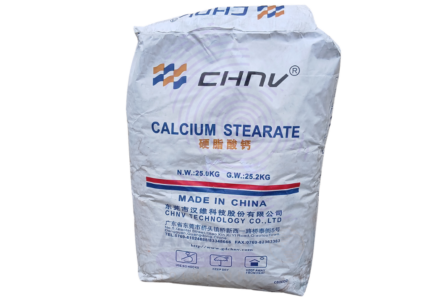
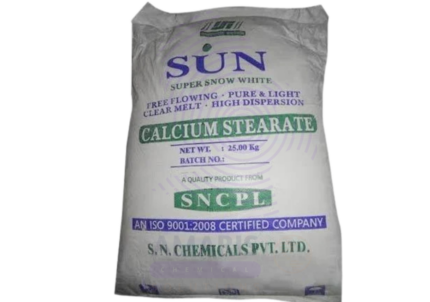
Calcium stearate
Calcium Stearate is a metallic stearate salt, appearing as a fine, white, hydrophobic powder. It is produced through the reaction of stearic acid (a fatty acid derived from natural oils and fats) with calcium oxide or calcium hydroxide. It functions primarily as an acid scavenger, lubricant, release agent, and stabilizer across multiple industrial sectors. Its unique combination of water repellency, low solubility, and high melting point makes it an essential processing additive in plastics, rubber, construction, and paper industries. Technical grade Calcium Stearate is manufactured for industrial performance applications and is not intended for direct food, pharmaceutical, or cosmetic use unless specifically certified and labeled for those applications.
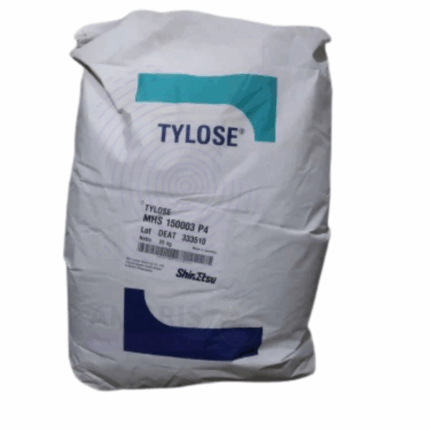
Cellozize Tylose
Cellozize Tylose, commonly known by the trade name Tylose, is a brand of hydroxyethyl cellulose (HEC), a non-ionic, water-soluble cellulose ether derived from natural cellulose. It appears as a white to off-white powder with excellent thickening, binding, and film-forming properties. Tylose is widely used as a rheology modifier, stabilizer, and thickener in various industries including construction, pharmaceuticals, cosmetics, and food. It provides viscosity control, improves texture, and enhances water retention in formulations. Due to its inert, non-toxic, and biodegradable nature, Tylose is favored as a versatile polymer in many applications.
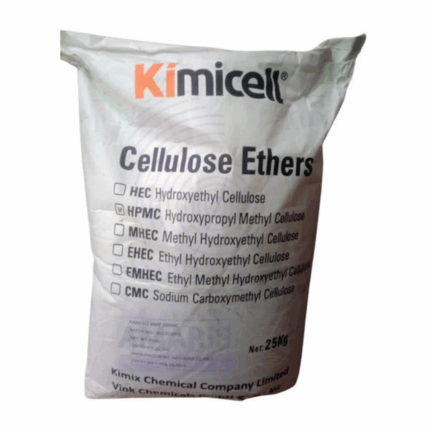
Cellulose Ether
Cellulose ether refers to a group of chemically modified cellulose derivatives where hydroxyl groups on the cellulose backbone are substituted with ether groups such as methyl, hydroxyethyl, or carboxymethyl groups. These modifications improve solubility, viscosity, and film-forming properties while maintaining biodegradability and non-toxicity. Cellulose ethers are white to off-white powders or granules that dissolve in water to form viscous, stable solutions. They are widely used as thickeners, binders, stabilizers, and film formers in industries such as construction, pharmaceuticals, cosmetics, food, and paper.













