

 Preservatives(food)
 Flavor Enhancers
 Acidulants
 Sweeteners
 Antioxidants
 Colorants(food)
 Nutraceutical Ingredients (food)
 Nutrient Supplements
 Emulsifiers
 Collectors
 Dust Suppressants
 Explosives and Blasting Agents
 Flocculants and Coagulants
 Frothers
 Leaching Agents
 pH Modifiers
 Precious Metal Extraction Agents
 Antioxidants(plastic)
 Colorants (Pigments, Dyes)
 Fillers and Reinforcements
 Flame Retardants
 Monomers
 Plasticizers
 Polymerization Initiators
 Stabilizers (UV, Heat)
 Antifoaming Agents
 Chelating Agents
 Coagulants and Flocculants
 Corrosion Inhibitors
 Disinfectants and Biocides
 Oxidizing Agents
 pH Adjusters
 Scale Inhibitors( water)
 Antioxidants(cosmetic)
 Emollients
 Fragrances and Essential Oils
 Humectants
 Preservatives
 Surfactants(cosmetic)
 Thickeners
 UV Filters
 Fertilizers
 Soil Conditioners
 Plant Growth Regulators
 Animal Feed Additives
 Biostimulants
 Pesticides (Herbicides, Insecticides, Fungicides)
 Active Pharmaceutical Ingredients (APIs)
 Excipients
 Solvents(pharmaceutical)
 Antibiotics
 Antiseptics and Disinfectants
 Vaccine Adjuvants
 Nutraceutical Ingredients (pharmaceutical)
 Analgesics & Antipyretics
 Analytical Reagents
 Solvents(lab)
 Chromatography Chemicals
 Spectroscopy Reagents
 microbiology-and-cell-culture-reagents
 Molecular Biology Reagents
 Biochemical Reagents
 Inorganic and Organic Standards
 Laboratory Safety Chemicals
 Specialty Laboratory Chemicals(Special Laboratory Equipment)
 Demulsifiers
 Hydraulic Fracturing Fluids
 Scale Inhibitors(oil)
 Surfactants(oil)
 Drilling Fluids
 Dyes and Pigments
 Bleaching Agents
 Softening Agents
 Finishing Agents
 Antistatic Agents
 Admixtures
 Waterproofing Agents
 Sealants and Adhesives
 Curing Compounds
 Concrete Repair Chemicals
 Anti-Corrosion Coatings
 Surfactants(cleaning)
 Builders
 Enzymes
 Solvents (Cleaning)
 Fragrances
 Electronic Chemicals
 Catalysts
 Lubricants
 Photographic Chemicals
 Refrigerants
 Automotive chemicals
 Pyrotechnic Chemicals
 Biodegradable Surfactants
 Bio-based Solvents
 Renewable Polymers
 Carbon Capture Chemicals
 Wastewater Treatment Chemicals
 Pigments
 Solvents(paint)
 Specialty Coatings
 Binders/Resins
 Additives
 Driers
 Anti-Corrosion Agents
 Functional Coatings
 Application-Specific Coatings
 Leavening Agents
 Dough Conditioners
 Flour Treatments
 Fat Replacers
 Decoratives
 Preservatives(baking)
 Plasticizers & Softeners
 Reinforcing Agents
 Adhesion Promoters
 Vulcanizing Agents
 Antidegradants
 Blowing Agents
 Fillers & Extenders
 Accelerators & Retarders
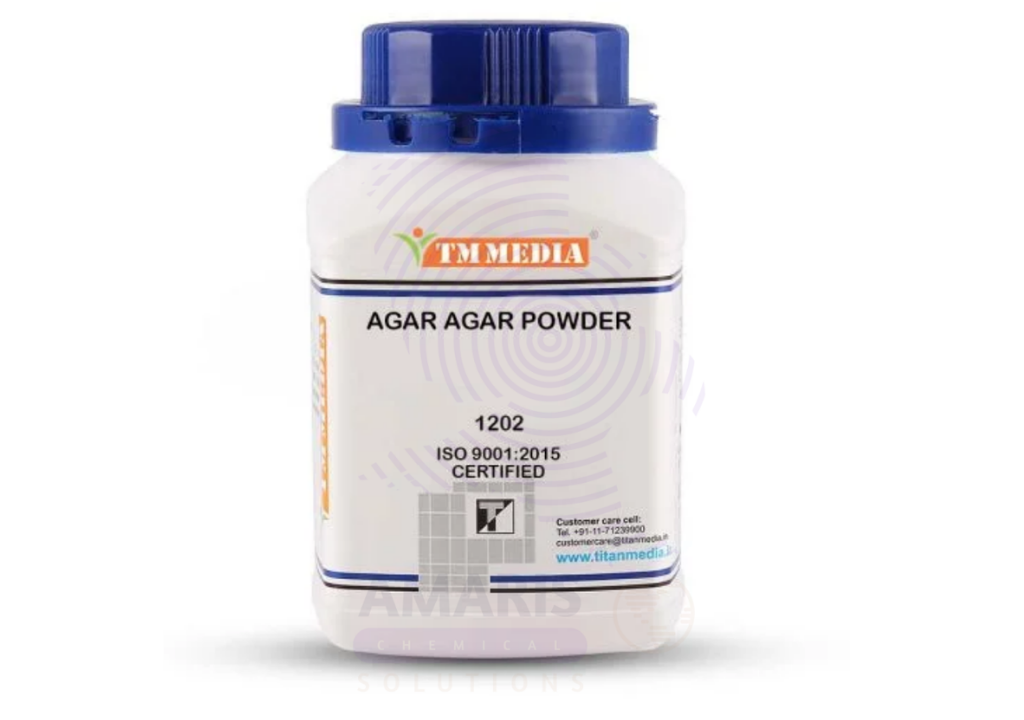
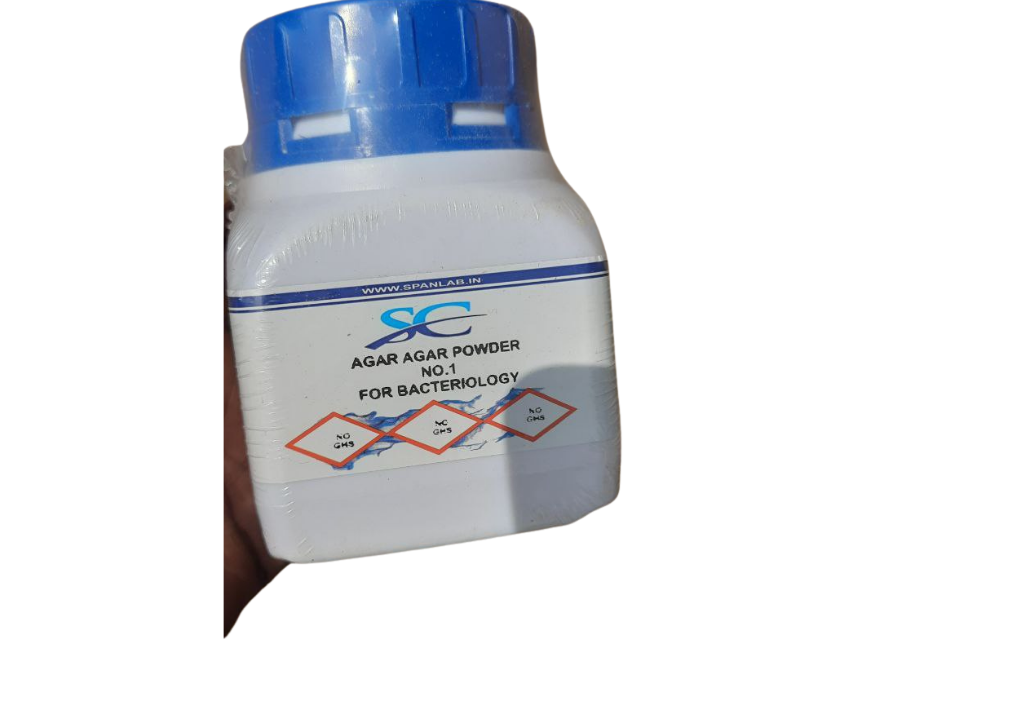
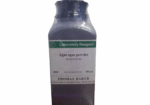
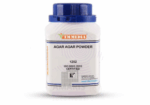


Agar Agar Powder Extra Pure
Original price was: $ 26.00.$ 25.58Current price is: $ 25.58.
Agar Agar Powder Extra Pure is a high-grade, natural polysaccharide derived from red algae, valued for its superior gelling, thickening, and stabilizing properties. This fine, off-white powder dissolves in hot water to form firm, heat-stable gels, making it indispensable in microbiological media preparation, molecular biology, and food-grade laboratory testing. Its extra pure quality ensures minimal impurities, making it suitable for sensitive applications in pharmaceuticals, cosmetics, and biotechnology research. Agar Agar Powder is also a preferred vegetarian alternative to gelatin in various experimental and industrial settings. It must be stored in a cool, dry place to maintain its integrity, flow properties, and effectiveness in both scientific and technical formulations.
Agar Agar Powder Extra Pure
Primary Uses
- Microbiological Culture Media
- Primary gelling agent in Petri dishes and slants for bacterial, fungal, and yeast culture growth.
- Tissue Culture & Plant Propagation
- Essential for creating semi-solid nutrient media in plant biotechnology and genetic research.
- Molecular Biology (Electrophoresis Support)
- Used to prepare agarose-like gels for separation of nucleic acids in low-resolution gel electrophoresis.
- Food Testing & Quality Control Labs
- Used in media formulations for microbial testing of food and beverage samples.
- Pharmaceutical Research
- Acts as a stabilizer or controlled-release agent in lab-scale pharmaceutical formulations.
Secondary Uses
- Cosmetic & Dermatological Testing
- Used in formulation of test gels or cream bases for lab evaluation.
- Environmental Microbiology
- For sampling and culturing airborne, aquatic, or soil microorganisms in ecological studies.
- Biodegradable Material Research
- Acts as a component in the study of natural biofilms or bioplastics.
- Educational Use in Schools & Universities
- Safe and high-quality material for biology and microbiology demonstrations.
- Petri Film Manufacturing & R&D
- Ingredients in ultra-pure pre-poured agar films or dry media research.
| PACK SIZE | 100 grams Plastic Tin |
|---|
1. Basic Identification Attributes
- Chemical Name: Agar-Agar (complex polysaccharide derived from red algae)
- CAS Number: 9002-18-0
- HS Code: 13023100
- Molecular Formula: Varies (primarily C₁₄H₂₄O₉)n – composed of agarose and agaropectin
- Synonyms:
- Agar
- Gelose
- Kanten (in Japanese)
- Vegetable gelatin
- E406 (as a food additive)
2. Physical & Chemical Properties
- Physical State: Solid (powder)
- Color & Odor: Off-white to pale yellow; odorless or slightly earthy
- Boiling Point: Not applicable (decomposes)
- Melting Point: Gel melts at ~85°C, solidifies at ~32–40°C
- Density/Specific Gravity: ~0.6–0.9 g/cm³ (bulk density)
- Solubility:
- Water: Insoluble in cold water; dissolves in boiling water
- Organic Solvents: Insoluble in alcohol and other organic solvents
- pH Level: ~6.0–7.5 (1.5% solution)
- Vapor Pressure & Volatility: Not volatile
- Flash Point: Not flammable
- Autoignition Temperature: Not applicable
- Viscosity: Forms a viscous gel when dissolved in hot water and cooled
3. Safety & Hazard Attributes
- Hazard Class (GHS): Not classified as hazardous
- NFPA Ratings:
- Health: 0
- Flammability: 0
- Reactivity: 0
- Exposure Limits:
- No established OSHA or ACGIH exposure limits
- Reactivity:
- Chemically stable under recommended conditions
- No significant reactivity hazards known
4. Storage & Handling Attributes
- Storage Conditions:
- Store in a cool, dry place in a tightly sealed container
- Avoid humidity and direct sunlight
- Incompatible Materials:
- Strong oxidizers (may cause degradation)
- Container Type:
- HDPE jars, food-grade plastic, fiber drums with liners
- Shelf Life & Expiration Date:
- 2–3 years if stored properly in dry, sealed conditions
- Special Handling Requirements:
- Use dust mask or respirator in case of airborne particles
- Avoid inhalation of powder
5. Regulatory & Compliance Attributes
- Regulatory Status:
- Approved by FDA (GRAS), EFSA (E406), and Codex Alimentarius
- REACH-exempt (natural polymer)
- Hazard Symbols (GHS Pictograms):
- None required – nonhazardous material
- Transportation Restrictions:
- Not regulated for transport
- No UN number or special hazard classification
- Waste Disposal Method:
- Dispose of in accordance with local, regional, and national regulations
- Biodegradable – safe to dispose with organic or food waste
6. Environmental & Health Impact
- Ecotoxicity:
- Considered non-toxic to aquatic and terrestrial life
- Persistence in Environment:
- Biodegradable and environmentally friendly
- Carcinogenicity/Mutagenicity:
- Not classified as carcinogenic or mutagenic by any regulatory body
- Biodegradability:
- Completely biodegradable in soil and water
SAFETY PRECAUTIONS
- Personal Protective Equipment (PPE):
- Wear gloves, dust mask (or respirator for fine powders), lab coat, and safety goggles.
- Avoid generating dust.
- Handling:
- Handle in a well-ventilated area to prevent inhalation of airborne particles.
- Avoid contact with eyes, skin, and clothing.
- Minimize dust generation and accumulation.
- Storage:
- Store in a tightly closed container in a cool, dry, and well-ventilated place.
- Protect from moisture and direct sunlight.
- Keep away from strong oxidizing agents.
- Hygiene Measures:
- Wash hands thoroughly after handling.
- Avoid eating, drinking, or smoking near the chemical.
FIRST AID MEASURES
- Inhalation:
- Move the exposed person to fresh air.
- If breathing becomes difficult, seek medical advice.
- Rinse mouth and nose with water to remove any dust.
- Skin Contact:
- Wash affected area with soap and water.
- Remove contaminated clothing.
- Seek medical advice if irritation develops.
- Eye Contact:
- Rinse cautiously with clean water for at least 15 minutes.
- Remove contact lenses if easy to do.
- Seek medical attention if discomfort persists.
- Ingestion:
- Rinse mouth with water.
- If symptoms occur (e.g., bloating or discomfort), seek medical attention.
- Non-toxic in small quantities, but medical advice is recommended for large ingestion.
FIRE FIGHTING MEASURES
- Suitable Extinguishing Media:
- Use water spray, dry chemical powder, carbon dioxide (CO₂), or foam.
- Specific Hazards:
- May emit carbon monoxide and carbon dioxide on thermal decomposition.
- Fine dust can form explosive mixtures with air in confined spaces.
- Protective Equipment for Firefighters:
- Wear self-contained breathing apparatus (SCBA).
- Use full protective gear in case of major fire.
- Firefighting Instructions:
- Avoid stirring up dust.
- Cool exposed containers with water spray.
- Extinguish from a safe distance and upwind.
Related products
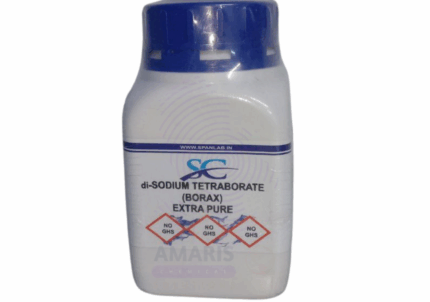
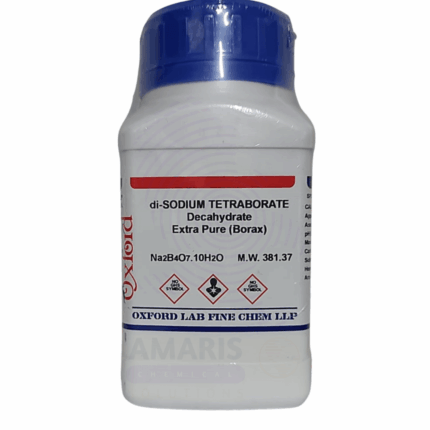
Di-sodium Tetraborate Borax Extra Pure
Di-sodium Tetraborate Borax Extra Pure is a high-purity boron compound widely used in laboratory applications for its buffering, emulsifying, and fluxing properties. In analytical chemistry, it serves as a reagent in qualitative and quantitative analysis, particularly in flame tests and as a flux in the preparation of glass beads for spectroscopy. Its buffering capacity is valuable in maintaining pH stability in various solutions, while its detergent-like action supports cleaning and sample preparation. This extra pure grade ensures minimal contaminants, making it ideal for precision work in research, teaching, and industrial laboratories. Store in a cool, dry environment in a well-sealed container.
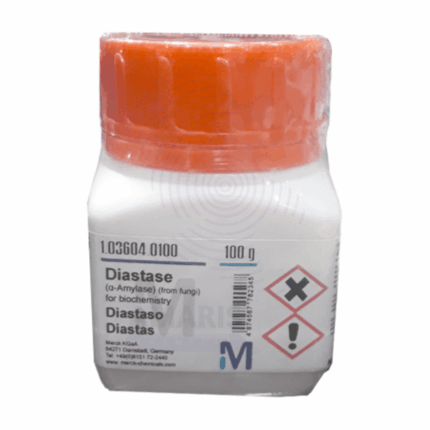
Diastase Enzyme Powder Extra Pure
Diastase Enzyme Powder Extra Pure is a high-activity amylolytic enzyme preparation used in laboratory settings to catalyze the breakdown of starch into simpler sugars like maltose and glucose. It plays a crucial role in biochemical and enzymatic assays, fermentation studies, and educational demonstrations involving carbohydrate metabolism. This extra pure grade ensures high enzyme purity, offering reliable and reproducible results in analytical work and research. Ideal for controlled hydrolysis experiments and studies on enzyme kinetics, it should be stored in a cool, dry place to preserve its enzymatic activity and stability.
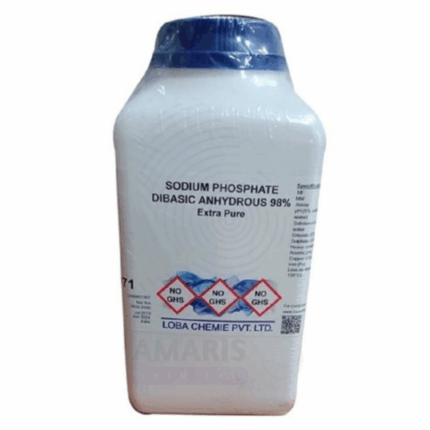
Disodium Phosphate Extra Pure
Disodium Phosphate Extra Pure is a high-grade inorganic compound commonly used in laboratories as a buffering agent, emulsifier, and reagent. It is particularly valuable in preparing phosphate buffer solutions for biochemical and molecular biology applications. Its reliable pH-stabilizing properties make it ideal for use in analytical chemistry, food analysis, and preparation of reagent mixtures. With excellent solubility in water and minimal impurities, this extra pure form ensures accuracy and consistency in experimental results across a wide range of laboratory procedures.
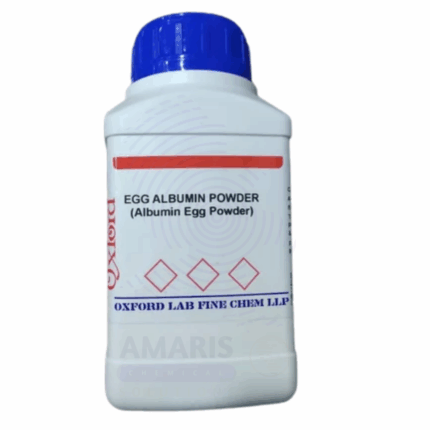
Egg Albumen Extra Pure
Egg Albumen Extra Pure is a high-grade laboratory reagent derived from the white of eggs, known for its excellent protein content and binding properties. It is commonly used in biochemical experiments, protein electrophoresis, microbiological media, and as a blocking agent in immunoassays like ELISA. Its purity ensures consistent results in sensitive lab procedures involving protein interactions, enzyme activity studies, and cell culture applications.
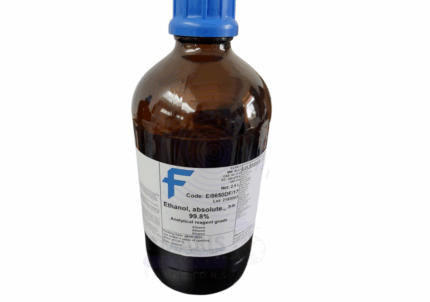
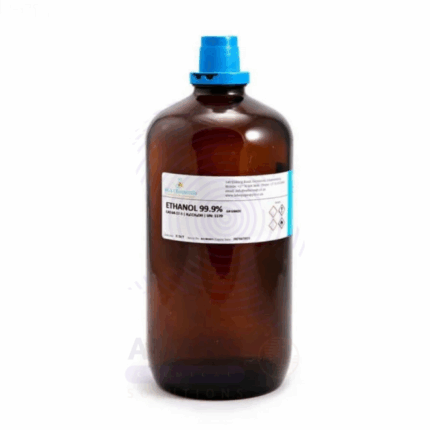
Ethanol Extra pure
Ethanol Extra pure Extra Pure is a highly purified grade of ethyl alcohol widely used in laboratory, pharmaceutical, cosmetic, and analytical applications. At 99.8% purity, it contains minimal water, making it ideal for dehydration reactions, chromatography, spectroscopy, and cleanroom procedures. It serves as a universal solvent, disinfectant, and intermediate in chemical synthesis. This extra pure grade ensures low impurity levels, making it suitable for precision scientific experiments and pharmaceutical formulations. It is volatile and flammable, so it should be stored tightly sealed, in a cool, well-ventilated area, away from ignition sources.
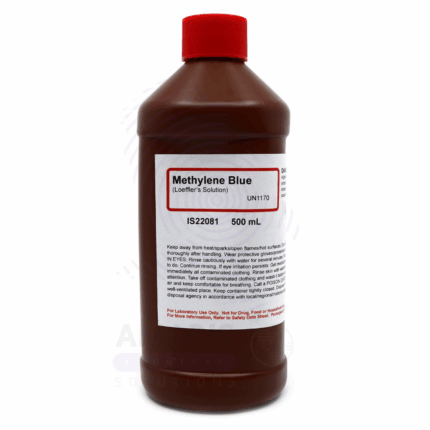
Methylene Blue Solution Extra Pure
Methylene Blue Solution Extra Pure is a ready-to-use aqueous formulation of high-purity methylene blue dye, ideal for laboratory, biological, and analytical applications. It is commonly employed as a vital stain in microscopy to highlight cellular components such as nuclei and mitochondria, especially in live or fixed cells. This solution also functions as a redox indicator in various chemical experiments and is used in microbiology for bacterial identification and differentiation. With its extra pure quality, the solution delivers consistent and precise staining results, making it a reliable tool for research, diagnostics, and teaching laboratories.
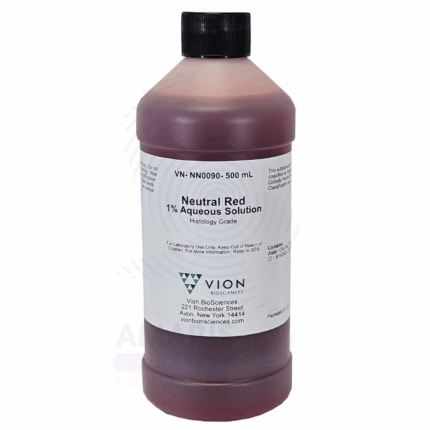
Neutral Red Solution Extra Pure
Neutral Red Solution Extra Pure is a high-purity, ready-to-use solution of the pH indicator dye Neutral Red, widely employed in biological, biochemical, and analytical laboratories. Known for its distinct color change—red in acidic environments and yellow in alkaline—it is commonly used to stain lysosomes in viable cells, making it invaluable in cell viability assays, cytotoxicity studies, and microscopic cell structure investigations.
This Extra Pure grade ensures excellent clarity and precision in results, especially in sensitive microbiological and histological procedures. It is frequently used in conjunction with culture media to observe metabolic activities and in vital staining techniques to differentiate between live and dead cells. Proper handling involves storing it in tightly sealed amber containers away from light and heat to maintain its stability and effectiveness.
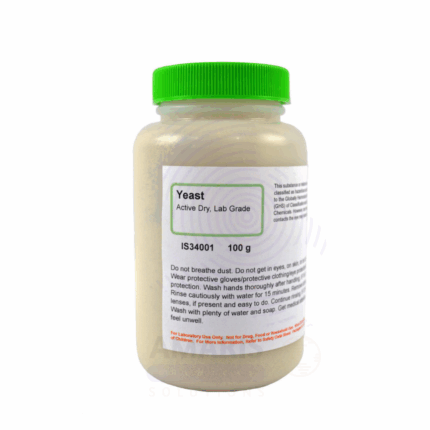
Yeast Active Dry Extra Pure
Yeast Active Dry Extra Pure is a high-quality, dry granulated form of Saccharomyces cerevisiae, widely used as a biological reagent in microbiological, biochemical, and fermentation research. Its consistent purity and viability make it ideal for laboratory studies involving fermentation, enzymatic activity, genetic research, and bioprocessing. It is also a key component in pharmaceutical and biotechnological applications, supporting recombinant protein production and probiotic development. The dry, stable form allows for easy storage and precise dosing. Proper handling is important to avoid moisture contamination and dust inhalation.












