Preservatives(food)
 Flavors
 Acidulants
 Sweeteners
 Antioxidants
 Colorants(food)
 Nutraceutical Ingredients (food)
 Nutrient Supplements
 Emulsifiers
 Collectors
 Dust Suppressants
 Explosives and Blasting Agents
 Flocculants and Coagulants
 Frothers
 Leaching Agents
 pH Modifiers
 Precious Metal Extraction Agents
 Antioxidants(plastic)
 Colorants (Pigments, Dyes)
 Fillers and Reinforcements
 Flame Retardants
 Monomers
 Plasticizers
 Polymerization Initiators
 Stabilizers (UV, Heat)
 Antifoaming Agents
 Chelating Agents
 Coagulants and Flocculants
 Corrosion Inhibitors
 Disinfectants and Biocides
 Oxidizing Agents
 pH Adjusters
 Scale Inhibitors( water)
 Antioxidants(cosmetic)
 Emollients
 Oils
Oils Carrier Oills
 Essential Oils
 Humectants
 Preservatives
 Surfactants(cosmetic)
 Thickeners
 UV Filters
 Fragrance (Cosmetics)
 Fertilizers
 Soil Conditioners
 Plant Growth Regulators
 Animal Feed Additives
 Biostimulants
 Pesticides (Herbicides, Insecticides, Fungicides)
 Active Pharmaceutical Ingredients (APIs)
 Excipients
 Solvents(pharmaceutical)
 Antibiotics
 Antiseptics and Disinfectants
 Vaccine Adjuvants
 Nutraceutical Ingredients (pharmaceutical)
 Analgesics & Antipyretics
 Analytical Reagents
 Solvents(lab)
 Chromatography Chemicals
 Spectroscopy Reagents
 microbiology-and-cell-culture-reagents
 Molecular Biology Reagents
 Biochemical Reagents
 Inorganic and Organic Standards
 Laboratory Safety Chemicals
 Specialty Laboratory Chemicals(Special Laboratory Equipment)
 Demulsifiers
 Hydraulic Fracturing Fluids
 Scale Inhibitors(oil)
 Surfactants(oil)
 Drilling Fluids
 Dyes and Pigments
 Bleaching Agents
 Softening Agents
 Finishing Agents
 Antistatic Agents
 Admixtures
 Waterproofing Agents
 Sealants and Adhesives
 Curing Compounds
 Concrete Repair Chemicals
 Anti-Corrosion Coatings
 Surfactants(cleaning)
 Builders
 Enzymes
 Solvents (Cleaning)
 Electronic Chemicals
 Catalysts
 Lubricants
 Photographic Chemicals
 Refrigerants
 Automotive chemicals
 Pyrotechnic Chemicals
 Biodegradable Surfactants
 Bio-based Solvents
 Renewable Polymers
 Carbon Capture Chemicals
 Wastewater Treatment Chemicals
 Pigments
 Solvents(paint)
 Specialty Coatings
 Binders/Resins
 Additives
 Driers
 Anti-Corrosion Agents
 Functional Coatings
 Application-Specific Coatings
 Leavening Agents
 Dough Conditioners
 Flour Treatments
 Fat Replacers
 Decoratives
 Preservatives(baking)
 Plasticizers & Softeners
 Reinforcing Agents
 Adhesion Promoters
 Vulcanizing Agents
 Antidegradants
 Blowing Agents
 Fillers & Extenders
 Accelerators & Retarders
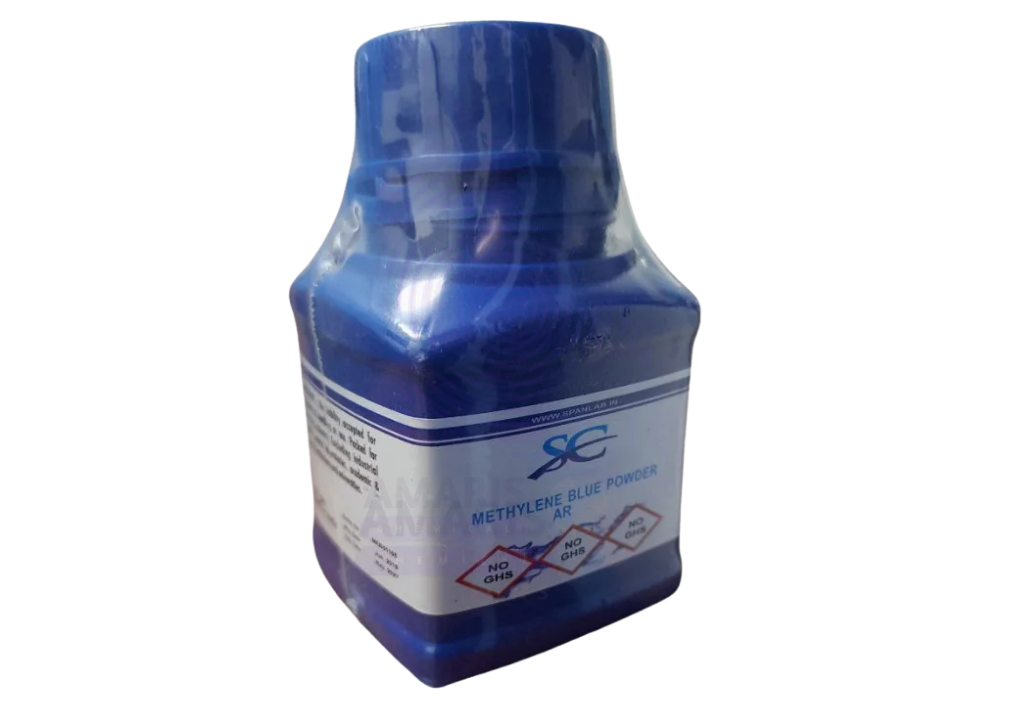
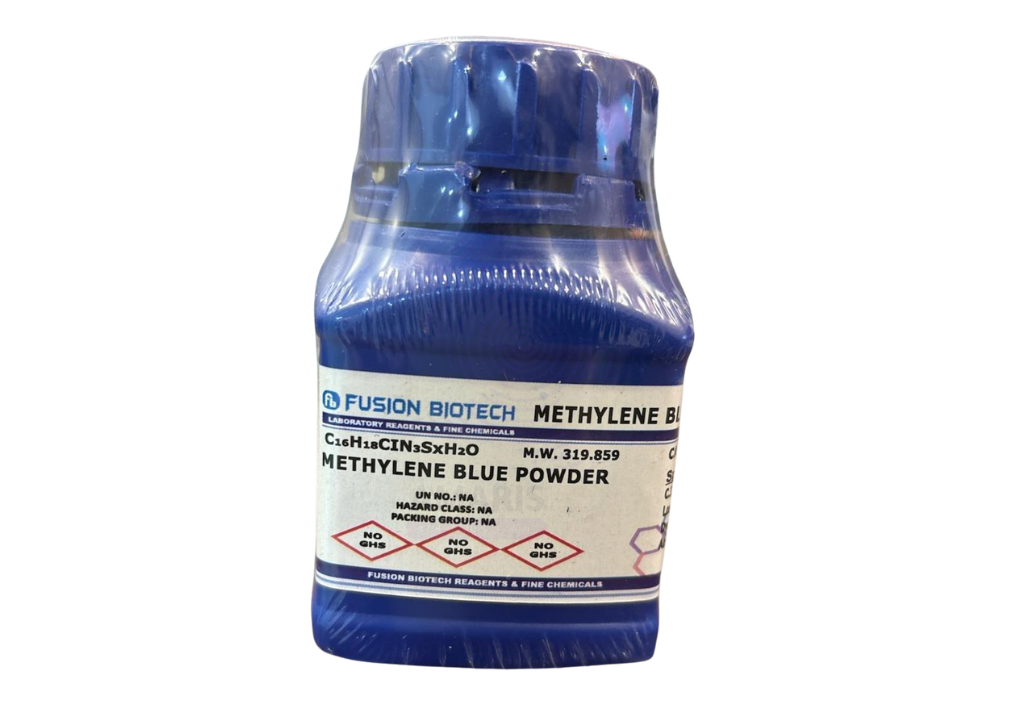
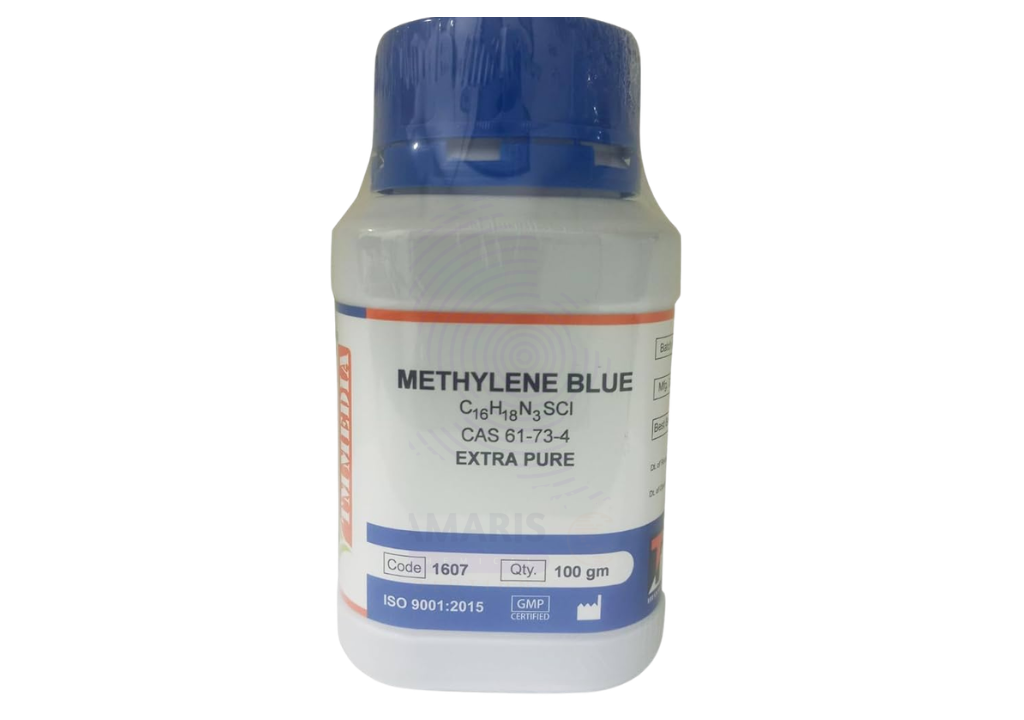
Methylene Blue Powder Extra Pure: The Versatile Laboratory Dye Used in Chemistry, Biology, and Industry 🔵🧪🔬

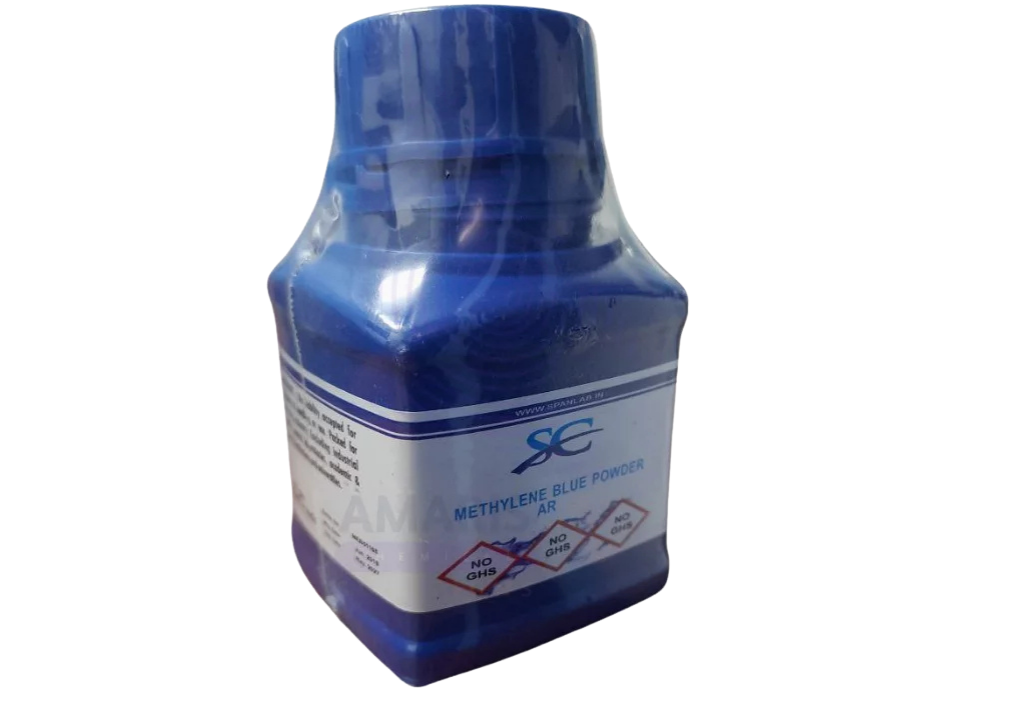
Among the most important laboratory dyes and chemical reagents, Methylene Blue Powder Extra Pure stands out for its remarkable versatility and wide range of applications. Known for its deep blue color and strong staining ability, this compound is widely used in analytical chemistry, microbiology, medicine, textile processing, and scientific research.
Methylene blue is much more than a simple dye. It serves as an indicator, stain, chemical reagent, and research tool in many laboratory and industrial environments. The extra pure grade provides a high level of refinement, making it especially suitable for situations where accuracy, consistency, and purity are essential.
From biological staining and redox experiments to industrial coloring and analytical procedures, Methylene Blue Powder Extra Pure continues to be one of the most widely used and trusted chemicals in science.
What is Methylene Blue Powder Extra Pure?
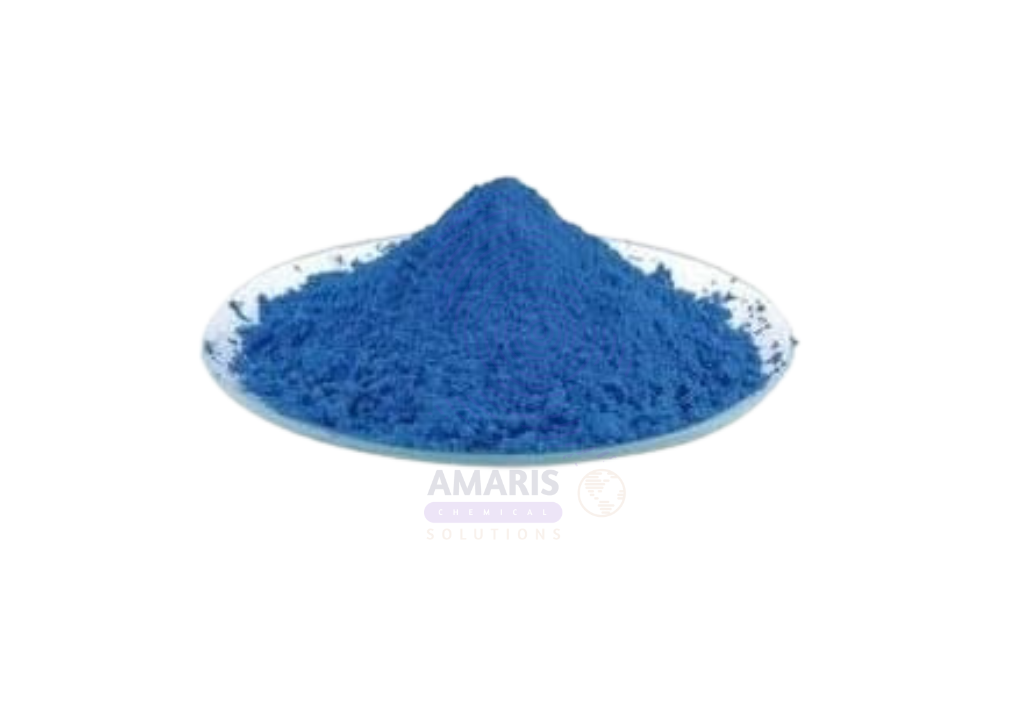
Methylene blue is a synthetic organic compound and cationic dye that appears as a dark green or bronze-colored crystalline powder, although it produces a vivid blue color when dissolved in water.
Its chemical formula is commonly written as C₁₆H₁₈ClN₃S. The compound is highly soluble in water and forms a bright blue solution.
The “Extra Pure” grade means the material has been carefully refined to provide:
• Minimal impurities
• Strong and consistent color intensity
• Reliable performance in laboratory work
This level of purity is especially important in analytical and scientific applications where contamination can affect results.
Importance in Biological and Microbiological Staining 🦠
One of the most common uses of Methylene Blue Powder Extra Pure is in biology and microbiology laboratories. It is widely used as a stain because it helps make microscopic structures easier to observe.
It is commonly used to stain:
• Bacterial cells
• Tissue samples
• Blood cells
• Plant and animal specimens
Methylene blue attaches to certain cell components, making them more visible under a microscope. This helps scientists and students study the shape, structure, and characteristics of cells and microorganisms.
Because of its effectiveness and clarity, it is one of the most widely used biological stains in educational and research laboratories.
Applications in Analytical Chemistry ⚗️
Methylene blue also plays an important role in analytical chemistry. It is frequently used in experiments involving oxidation-reduction reactions, commonly known as redox reactions.
It may be used in:
• Redox indicators
• Chemical reaction studies
• Laboratory demonstrations
• Analytical testing
Because methylene blue changes appearance depending on its chemical environment, it is useful for observing and studying reaction processes.
This makes it valuable in both teaching and advanced research laboratories.
Role in Medical and Pharmaceutical Fields 💊
Methylene blue has also been used in the medical and pharmaceutical sectors. In professional settings, it may be involved in diagnostic and specialized medicinal applications.
It has historically been used in:
• Laboratory diagnostic procedures
• Specialized pharmaceutical preparations
• Medical staining techniques
Because the compound interacts strongly with biological systems, it has become an important reagent in certain medical and scientific fields.
High-purity methylene blue is especially important in these applications because impurities could interfere with safety and accuracy.
Industrial Uses in Textile and Paper Industries 🧵📄
Beyond the laboratory, methylene blue is widely used in industry as a colorant.
It is commonly used in:
• Textile dyeing
• Paper coloring
• Ink production
• Printing processes
Its intense blue color and strong affinity for materials make it useful for producing bright and durable coloration.
Because it dissolves easily and provides consistent color, it is widely used in industrial manufacturing processes.
Environmental and Water Treatment Research 💧
Methylene blue is also important in environmental and water-related research.
It may be used in:
• Water quality experiments
• Adsorption studies
• Pollution monitoring research
• Testing the efficiency of filtration materials
Scientists often use methylene blue in experiments to study how certain materials remove dyes and pollutants from water.
This makes it useful in environmental chemistry and water treatment investigations.
Advantages of Methylene Blue Powder Extra Pure
Methylene Blue Powder Extra Pure offers many important benefits:
• Strong and vivid blue coloration
• Excellent solubility in water
• Useful in both biological and chemical applications
• Reliable and consistent performance
• High purity for accurate laboratory results
These qualities make it one of the most practical and versatile reagents available.
Importance of Extra Pure Quality
The extra pure grade is especially valuable because many laboratory and industrial processes depend on precise and reproducible results.
High-quality methylene blue provides:
• Better staining accuracy
• More consistent reaction behavior
• Reduced contamination risk
• Improved research reliability
This makes it the preferred choice for laboratories, researchers, and manufacturers who require dependable performance.
Safe Handling and Storage 🛡️
Although methylene blue is widely used, it should still be handled carefully in professional environments.
Recommended precautions include:
• Store in a cool, dry place
• Keep the container tightly closed
• Avoid direct contact with skin and eyes
• Use gloves and protective clothing during handling
Proper storage helps preserve the quality and stability of the product.
Final Thoughts
Methylene Blue Powder Extra Pure is a remarkably versatile and valuable chemical that continues to support a wide range of scientific and industrial activities. Its ability to function as a stain, indicator, colorant, and research tool makes it indispensable in laboratories, medicine, industry, and environmental studies.
From microscopic analysis and redox experiments to textile dyeing and water research, methylene blue demonstrates the incredible usefulness of chemical reagents in modern science.
As laboratories and industries continue to demand high-quality and reliable materials, Methylene Blue Powder Extra Pure will remain a key product for achieving precision, clarity, and innovation. 🔵🧪🔬