
 Preservatives(food)
 Flavors
 Acidulants
 Sweeteners
 Antioxidants
 Colorants(food)
 Nutraceutical Ingredients (food)
 Nutrient Supplements
 Emulsifiers
 Collectors
 Dust Suppressants
 Explosives and Blasting Agents
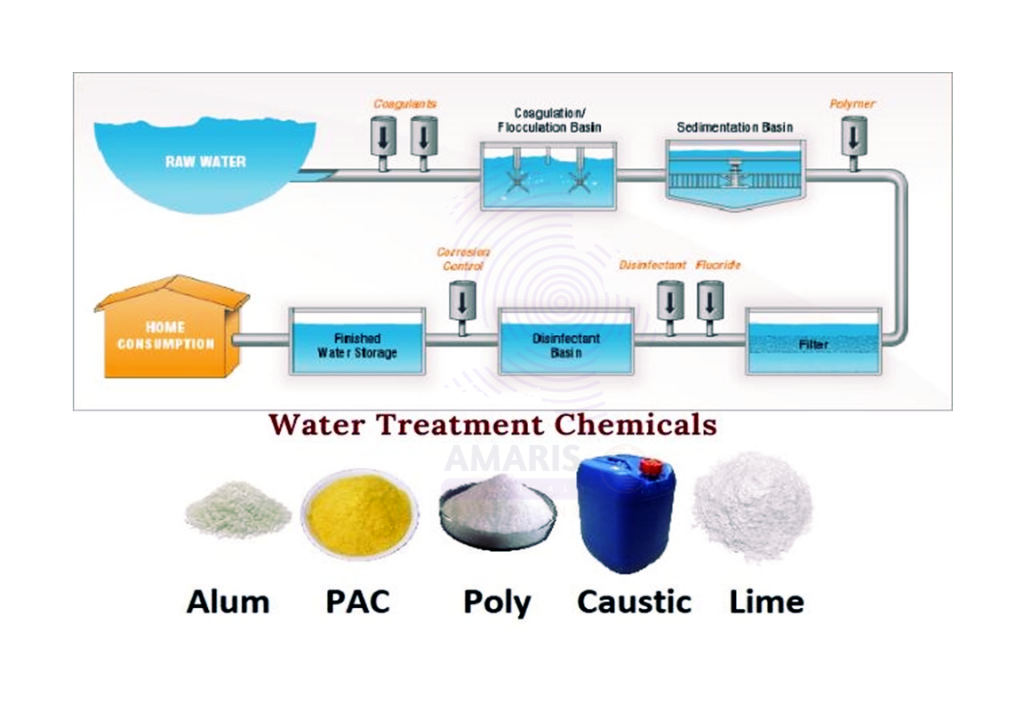
 Flocculants and Coagulants
 Frothers
 Leaching Agents
 pH Modifiers
 Precious Metal Extraction Agents
 Antioxidants(plastic)
 Colorants (Pigments, Dyes)
 Fillers and Reinforcements
 Flame Retardants
 Monomers
 Plasticizers
 Polymerization Initiators
 Stabilizers (UV, Heat)
 Antifoaming Agents
 Chelating Agents
 Coagulants and Flocculants
 Corrosion Inhibitors
 Disinfectants and Biocides
 Oxidizing Agents
 pH Adjusters
 Scale Inhibitors( water)
 Antioxidants(cosmetic)
 Emollients
 Oils
Oils Carrier Oills
 Essential Oils
 Humectants
 Preservatives
 Surfactants(cosmetic)
 Thickeners
 UV Filters
 Fragrance (Cosmetics)
 Fertilizers
 Soil Conditioners
 Plant Growth Regulators
 Animal Feed Additives
 Biostimulants
 Pesticides (Herbicides, Insecticides, Fungicides)
 Active Pharmaceutical Ingredients (APIs)
 Excipients
 Solvents(pharmaceutical)
 Antibiotics
 Antiseptics and Disinfectants
 Vaccine Adjuvants
 Nutraceutical Ingredients (pharmaceutical)
 Analgesics & Antipyretics
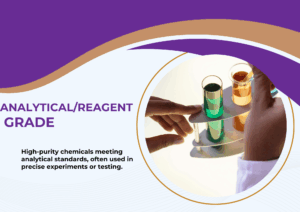
 Analytical Reagents
 Solvents(lab)
 Chromatography Chemicals
 Spectroscopy Reagents
 microbiology-and-cell-culture-reagents
 Molecular Biology Reagents
 Biochemical Reagents
 Inorganic and Organic Standards
 Laboratory Safety Chemicals
 Specialty Laboratory Chemicals(Special Laboratory Equipment)
 Demulsifiers
 Hydraulic Fracturing Fluids
 Scale Inhibitors(oil)
 Surfactants(oil)
 Drilling Fluids
 Dyes and Pigments
 Bleaching Agents
 Softening Agents
 Finishing Agents
 Antistatic Agents
 Admixtures
 Waterproofing Agents
 Sealants and Adhesives
 Curing Compounds
 Concrete Repair Chemicals
 Anti-Corrosion Coatings
 Surfactants(cleaning)
 Builders
 Enzymes
 Solvents (Cleaning)
 Electronic Chemicals
 Catalysts
 Lubricants
 Photographic Chemicals
 Refrigerants
 Automotive chemicals
 Pyrotechnic Chemicals
 Biodegradable Surfactants
 Bio-based Solvents
 Renewable Polymers
 Carbon Capture Chemicals
 Wastewater Treatment Chemicals
 Pigments
 Solvents(paint)
 Specialty Coatings
 Binders/Resins
 Additives
 Driers
 Anti-Corrosion Agents
 Functional Coatings
 Application-Specific Coatings
 Leavening Agents
 Dough Conditioners
 Flour Treatments
 Fat Replacers
 Decoratives
 Preservatives(baking)
 Plasticizers & Softeners
 Reinforcing Agents
 Adhesion Promoters
 Vulcanizing Agents
 Antidegradants
 Blowing Agents
 Fillers & Extenders
 Accelerators & Retarders
Water Scarcity and Industrial Chemistry: How Businesses Can Use Water More Efficiently 💧🧪

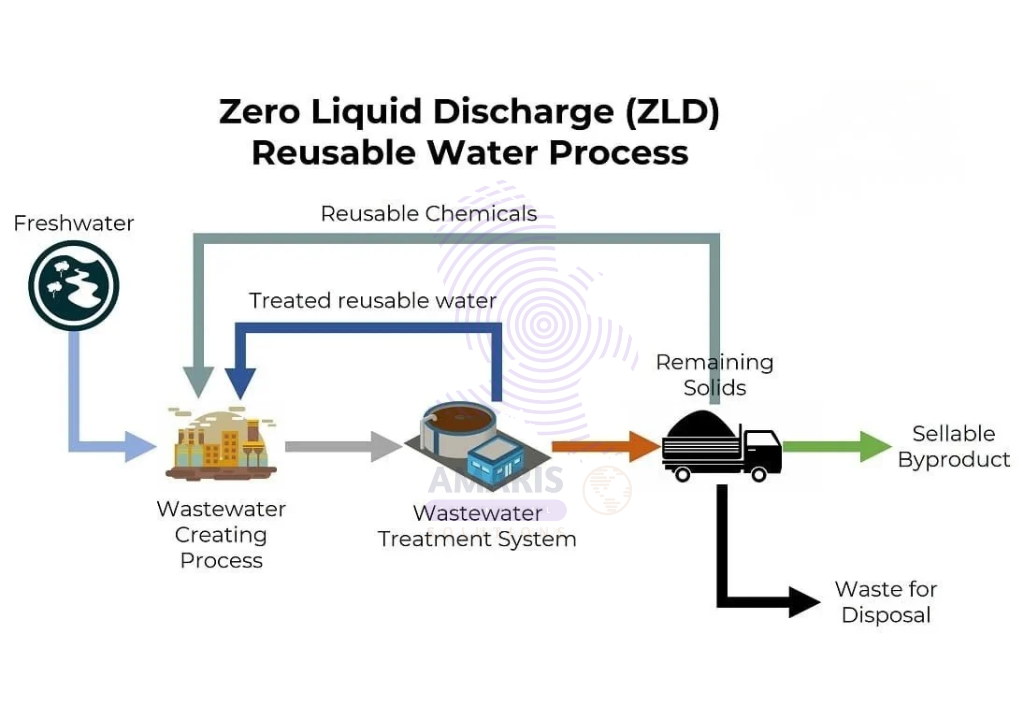
Water is one of the most important resources in modern industry. It is used in manufacturing, cooling systems, cleaning, chemical processing, product formulation, and wastewater treatment. However, as water demand increases and supplies become less predictable, businesses are under growing pressure to use water more responsibly.
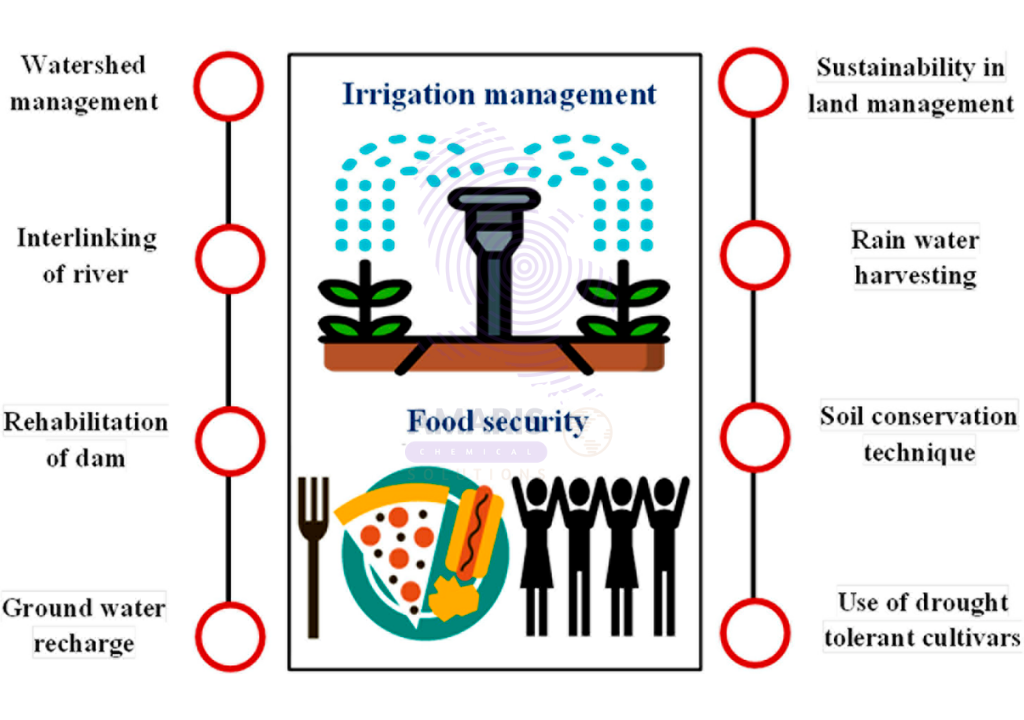
For Kenya and the wider African region, where water availability can vary significantly between locations and seasons, improving industrial water efficiency is becoming increasingly important. Industrial chemistry offers practical ways to reduce water consumption, recover usable water, and minimize waste without necessarily compromising production quality. 🌍
Why Is Water So Important in Industry?
Many industrial processes depend on water as a solvent, cooling medium, cleaning agent, or ingredient. Food processing, textile production, chemical manufacturing, mining, construction, and cosmetics manufacturing all rely on water in different ways.
However, water is not always used efficiently. Leaking pipes, outdated equipment, excessive rinsing, inefficient cooling systems, and poorly managed processes can increase consumption and operating costs.
Reducing unnecessary water use can therefore help businesses conserve resources, improve operational efficiency, and reduce the volume of wastewater requiring treatment.
The Role of Industrial Chemistry 🧪
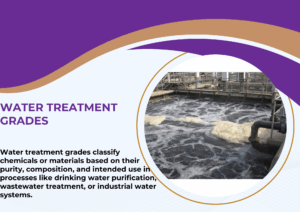
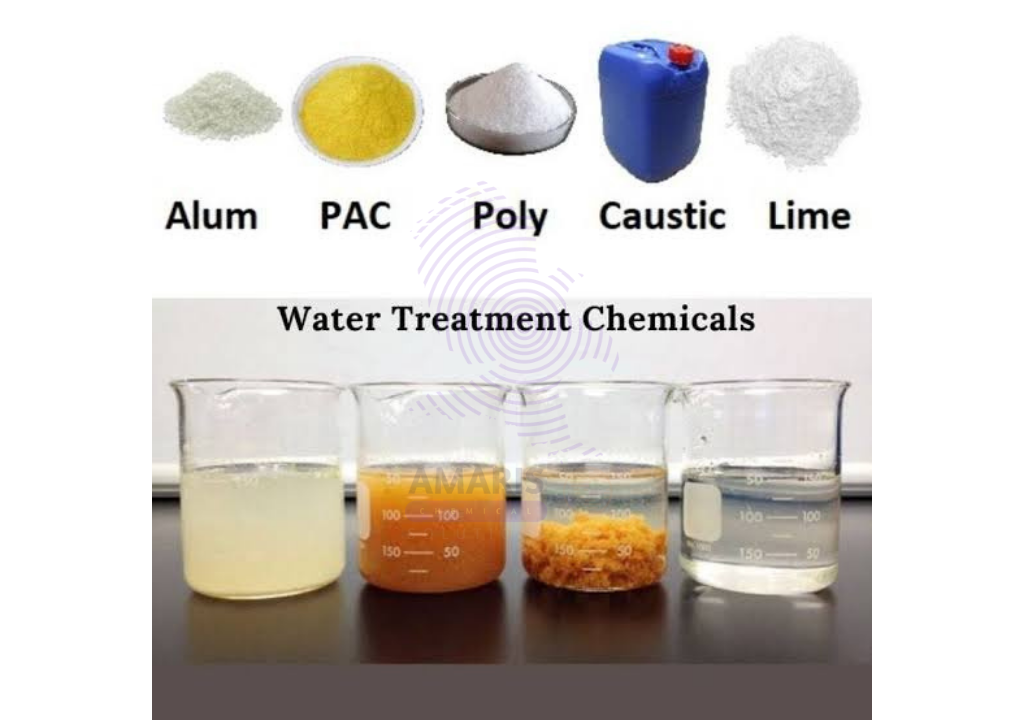
Chemical technologies can help industries improve how they use and manage water. Water treatment chemicals, for example, support the removal of suspended particles, certain dissolved contaminants, and other unwanted substances, depending on the treatment process.
Coagulants and flocculants help separate suspended solids, while suitable disinfectants can control microorganisms in applications where disinfection is required. Specialized treatment processes may also use ion-exchange resins, membranes, or other technologies to address specific water-quality requirements.
Selecting the right treatment approach depends on the source water, contaminants present, intended reuse, and applicable quality standards.
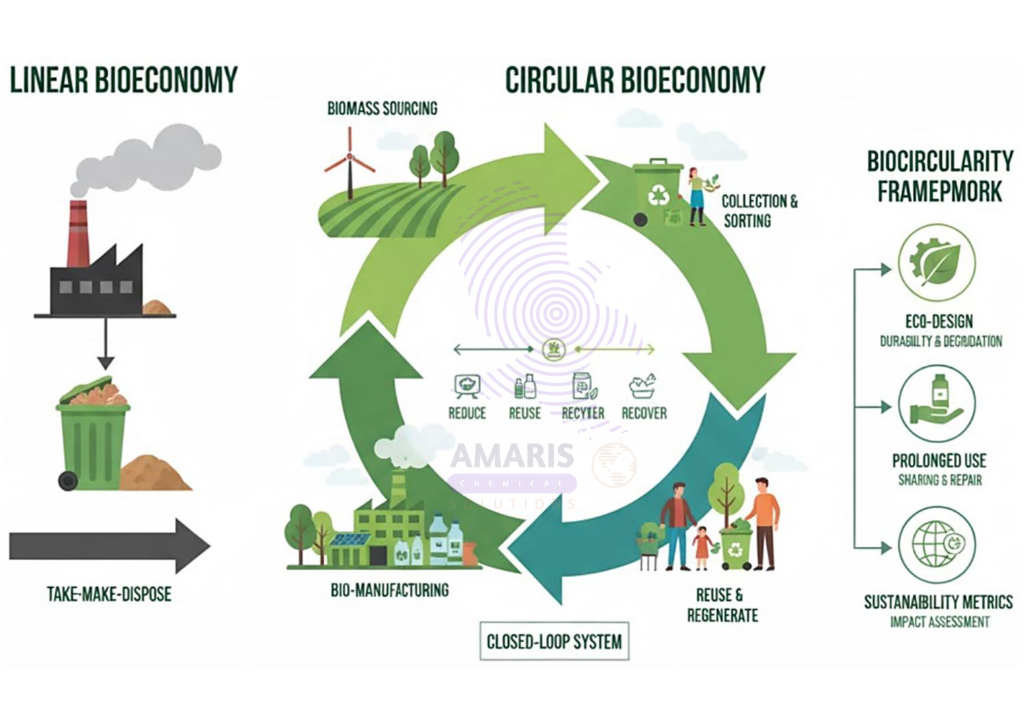
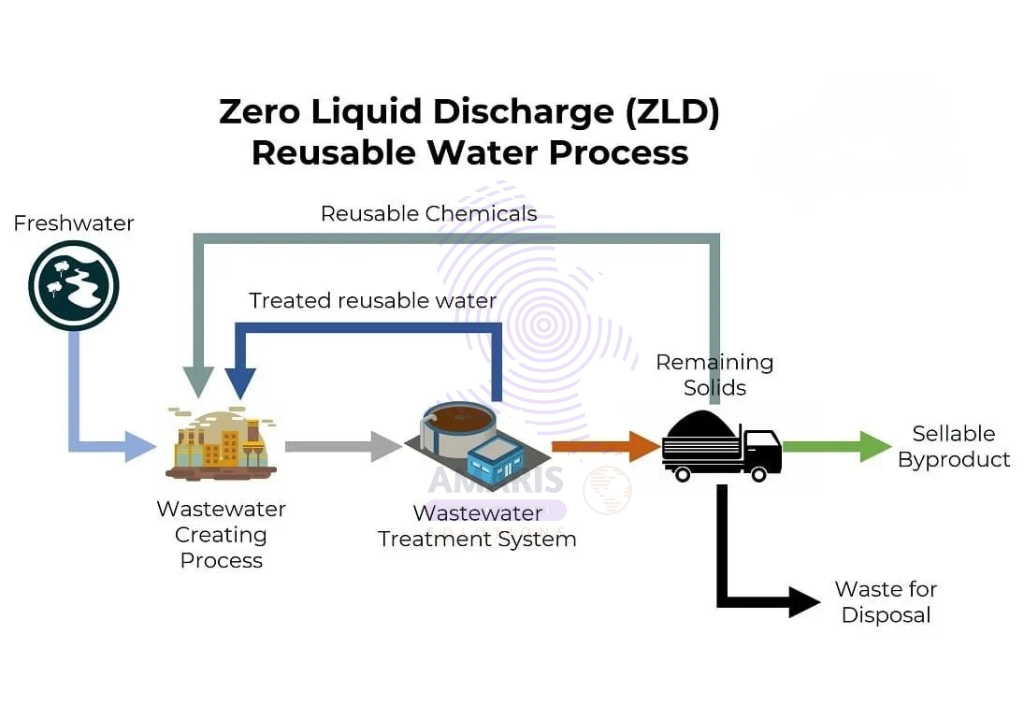
Recycling and Reusing Process Water ♻️
One of the most effective ways to conserve water is to reuse it where appropriate instead of continually relying on fresh supplies.
For example, some facilities can treat and reuse water from equipment washing, rinsing, or selected manufacturing operations. Water used for cooling may also be recirculated through appropriately designed systems.
Before reuse, however, the water must meet the quality requirements of its intended application. Water suitable for certain cleaning or cooling operations may not be appropriate for product formulation, food processing, or laboratory use.
Effective water reuse combines suitable treatment technology with regular monitoring and clearly defined quality standards.
Improving Cooling and Cleaning Processes
Cooling and cleaning can account for significant water consumption in many industrial facilities.
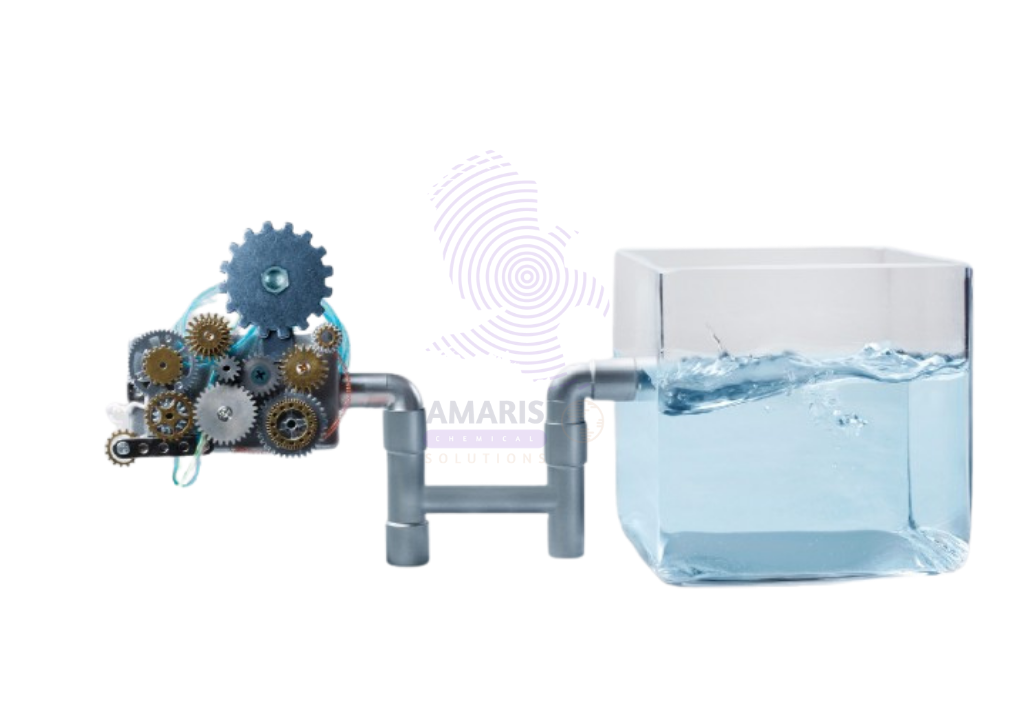
Closed-loop cooling systems can reduce the need for continuous fresh-water supplies by circulating water through equipment. Appropriate treatment can help control corrosion, scale formation, and biological growth, supporting reliable system performance.
In cleaning operations, businesses can review rinsing procedures, repair leaks, install water-efficient equipment, and reuse rinse water where safe and technically suitable.
Small improvements across several processes can produce meaningful savings over time. 💧
Monitoring Water Quality and Consumption
Businesses cannot manage water efficiently without understanding where it is used and where losses occur.
Water meters, digital monitoring systems, and routine quality testing can help identify excessive consumption, leaks, and variations in treatment performance.
Monitoring parameters such as pH, conductivity, turbidity, and other relevant indicators can also help operators determine whether water is suitable for a particular process.
Regular testing is especially important when recycled water is introduced into manufacturing, as changes in water quality can affect product consistency, equipment performance, and safety.
Challenges Businesses Must Consider
Water conservation requires more than installing treatment equipment. Businesses must consider investment costs, energy consumption, maintenance, staff training, and the quality of water required for each application.
Poorly managed reuse systems can introduce contaminants, damage equipment, or compromise products. Treatment methods must therefore be selected according to the specific process, supported by appropriate monitoring and professional assessment.
Building a Water-Efficient Industrial Future 🌱
Water scarcity presents challenges, but it also creates opportunities for innovation across Kenya’s manufacturing and processing sectors.
By combining chemical treatment, efficient equipment, water recycling, and responsible monitoring, businesses can reduce unnecessary consumption and make better use of available resources.
Ultimately, industrial water efficiency is about more than saving water—it is about protecting production, controlling costs, and supporting long-term environmental sustainability. With thoughtful planning and the right technologies, industries can move toward a future where every drop delivers greater value. 💧🏭