Preservatives(food)
 Flavors
 Acidulants
 Sweeteners
 Antioxidants
 Colorants(food)
 Nutraceutical Ingredients (food)
 Nutrient Supplements
 Emulsifiers
 Collectors
 Dust Suppressants
 Explosives and Blasting Agents
 Flocculants and Coagulants
 Frothers
 Leaching Agents
 pH Modifiers
 Precious Metal Extraction Agents
 Antioxidants(plastic)
 Colorants (Pigments, Dyes)
 Fillers and Reinforcements
 Flame Retardants
 Monomers
 Plasticizers
 Polymerization Initiators
 Stabilizers (UV, Heat)
 Antifoaming Agents
 Chelating Agents
 Coagulants and Flocculants
 Corrosion Inhibitors
 Disinfectants and Biocides
 Oxidizing Agents
 pH Adjusters
 Scale Inhibitors( water)
 Antioxidants(cosmetic)
 Emollients
 Oils
Oils Carrier Oills
 Essential Oils
 Humectants
 Preservatives
 Surfactants(cosmetic)
 Thickeners
 UV Filters
 Fragrance (Cosmetics)
 Fertilizers
 Soil Conditioners
 Plant Growth Regulators
 Animal Feed Additives
 Biostimulants
 Pesticides (Herbicides, Insecticides, Fungicides)
 Active Pharmaceutical Ingredients (APIs)
 Excipients
 Solvents(pharmaceutical)
 Antibiotics
 Antiseptics and Disinfectants
 Vaccine Adjuvants
 Nutraceutical Ingredients (pharmaceutical)
 Analgesics & Antipyretics
 Analytical Reagents
 Solvents(lab)
 Chromatography Chemicals
 Spectroscopy Reagents
 microbiology-and-cell-culture-reagents
 Molecular Biology Reagents
 Biochemical Reagents
 Inorganic and Organic Standards
 Laboratory Safety Chemicals
 Specialty Laboratory Chemicals(Special Laboratory Equipment)
 Demulsifiers
 Hydraulic Fracturing Fluids
 Scale Inhibitors(oil)
 Surfactants(oil)
 Drilling Fluids
 Dyes and Pigments
 Bleaching Agents
 Softening Agents
 Finishing Agents
 Antistatic Agents
 Admixtures
 Waterproofing Agents
 Sealants and Adhesives
 Curing Compounds
 Concrete Repair Chemicals
 Anti-Corrosion Coatings
 Surfactants(cleaning)
 Builders
 Enzymes
 Solvents (Cleaning)
 Electronic Chemicals
 Catalysts
 Lubricants
 Photographic Chemicals
 Refrigerants
 Automotive chemicals
 Pyrotechnic Chemicals
 Biodegradable Surfactants
 Bio-based Solvents
 Renewable Polymers
 Carbon Capture Chemicals
 Wastewater Treatment Chemicals
 Pigments
 Solvents(paint)
 Specialty Coatings
 Binders/Resins
 Additives
 Driers
 Anti-Corrosion Agents
 Functional Coatings
 Application-Specific Coatings
 Leavening Agents
 Dough Conditioners
 Flour Treatments
 Fat Replacers
 Decoratives
 Preservatives(baking)
 Plasticizers & Softeners
 Reinforcing Agents
 Adhesion Promoters
 Vulcanizing Agents
 Antidegradants
 Blowing Agents
 Fillers & Extenders
 Accelerators & Retarders
💰 Reducing Production Costs Through Smarter Chemical Selection 🧪🏭📉

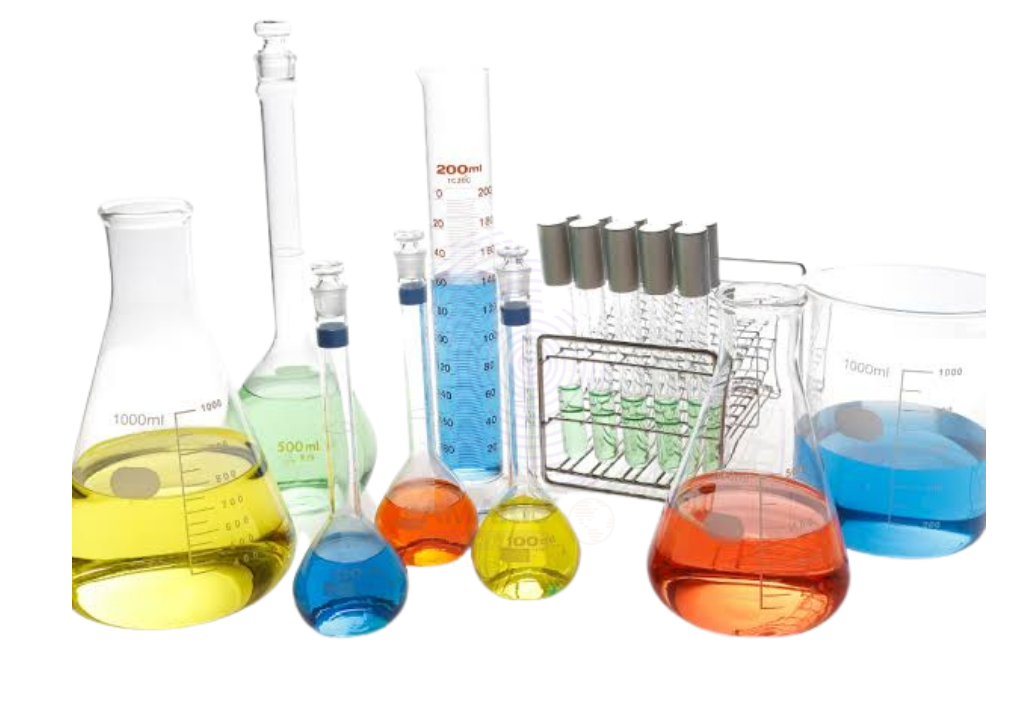
In manufacturing, reducing costs does not always mean buying the cheapest raw materials available. In many cases, the smarter approach is to select chemicals that deliver the best balance of quality, performance, availability, and overall value. Chemical selection can influence production efficiency, waste levels, product quality, energy consumption, and even maintenance costs. For manufacturers operating in competitive markets, making better chemical choices can create significant long-term savings.
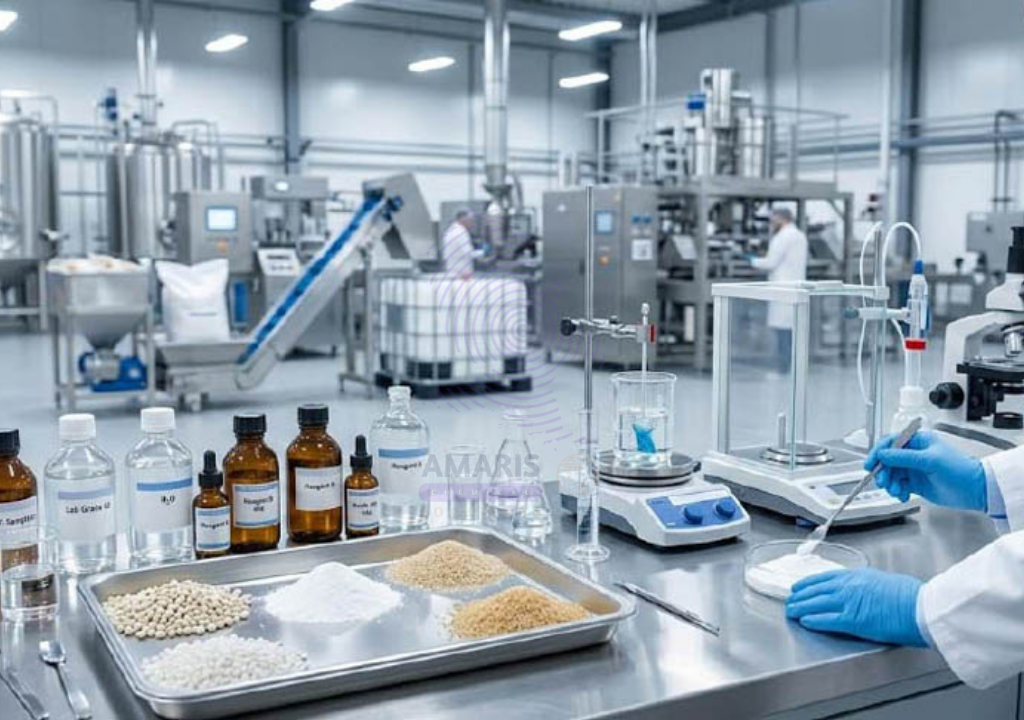
Every manufacturing process depends on raw materials that perform specific functions. These may include solvents, surfactants, pigments, acids, alkalis, additives, polymers, preservatives, catalysts, or specialty ingredients. Selecting the right chemical for a particular application helps ensure that the production process operates efficiently and that the finished product meets the required specifications. 🧪⚙️
One of the first considerations should be chemical quality and consistency. A low-cost chemical may appear attractive during purchasing, but if its quality varies between batches, it can create production problems. Inconsistent raw materials may lead to rejected batches, formulation adjustments, additional testing, or increased waste. Choosing chemicals with reliable specifications can help manufacturers maintain consistent production and reduce costly disruptions.
Concentration and purity are also important. A chemical with a higher usable concentration may sometimes provide better value than a cheaper product that requires larger quantities to achieve the same result. Manufacturers should therefore consider the cost per effective unit, rather than simply comparing the price of different containers. This approach provides a more accurate picture of the actual cost of using a chemical in production. 📊💡
Another important factor is formulation efficiency. The right chemical can sometimes allow manufacturers to achieve the desired product performance using smaller quantities of raw materials. For example, an effective additive may improve viscosity, stability, cleaning performance, or durability without requiring excessive quantities. Optimizing formulations can reduce raw material consumption while maintaining the required product characteristics.
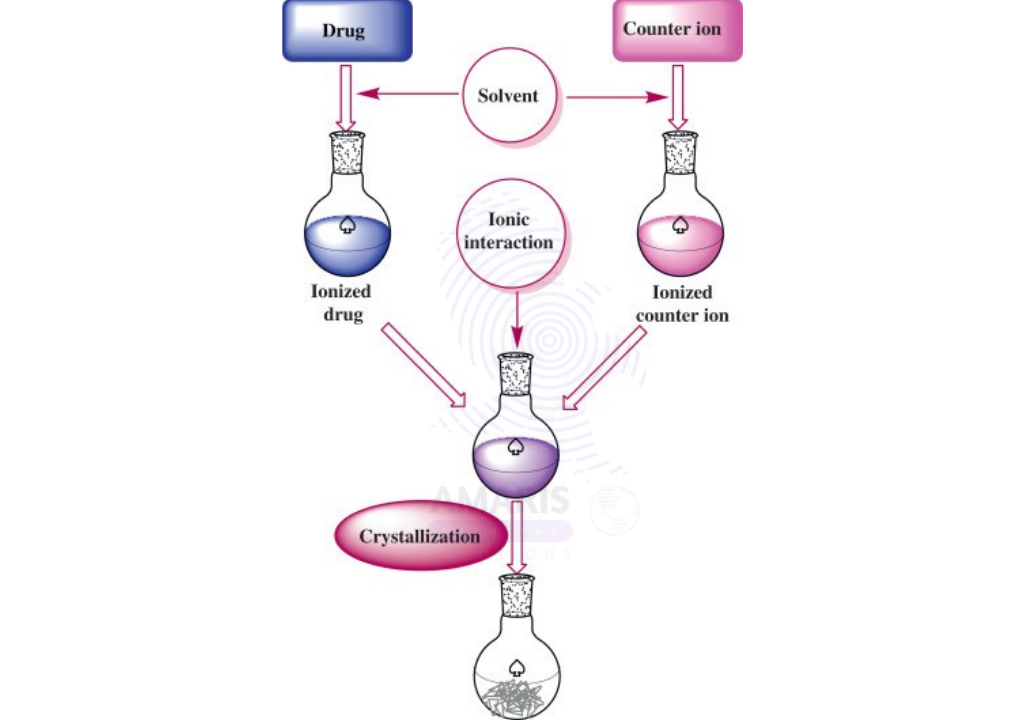


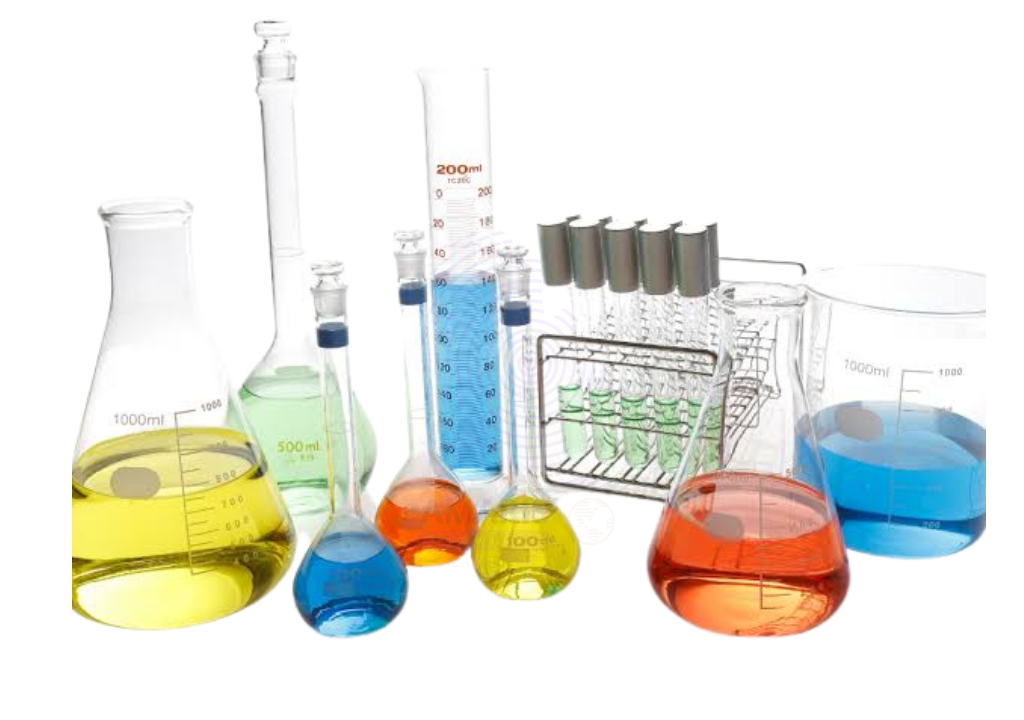
Chemical compatibility should also be considered. Using materials that interact poorly with other ingredients can cause separation, unwanted reactions, corrosion, instability, or equipment problems. Selecting compatible chemicals from the beginning reduces the likelihood of production interruptions and costly corrective measures. Proper technical evaluation and laboratory testing can help manufacturers identify potential compatibility issues before large-scale production begins. 🔬⚗️
Supplier selection can have an equally important impact on production costs. A reliable supplier should provide consistent quality, dependable availability, appropriate documentation, and responsive customer support. Delayed deliveries can interrupt production and create additional expenses, while inconsistent supply can force manufacturers to purchase alternative materials at short notice. Building strong relationships with dependable suppliers can improve purchasing efficiency and supply security. 🤝📦
Local and regional sourcing can also provide cost advantages where suitable products are available. Shorter supply routes may reduce transportation expenses, lead times, and exposure to international freight fluctuations. However, local sourcing should still be evaluated based on quality, specifications, reliability, and regulatory requirements. The goal should be to identify the best overall value, rather than choosing a supplier solely because of geographic proximity.
Inventory management is another area where smarter chemical selection can reduce expenses. Purchasing excessive quantities can tie up capital and increase storage costs, while insufficient inventory may lead to urgent purchases at unfavorable prices. Monitoring consumption patterns and forecasting demand allows manufacturers to maintain more appropriate stock levels. 📦📈
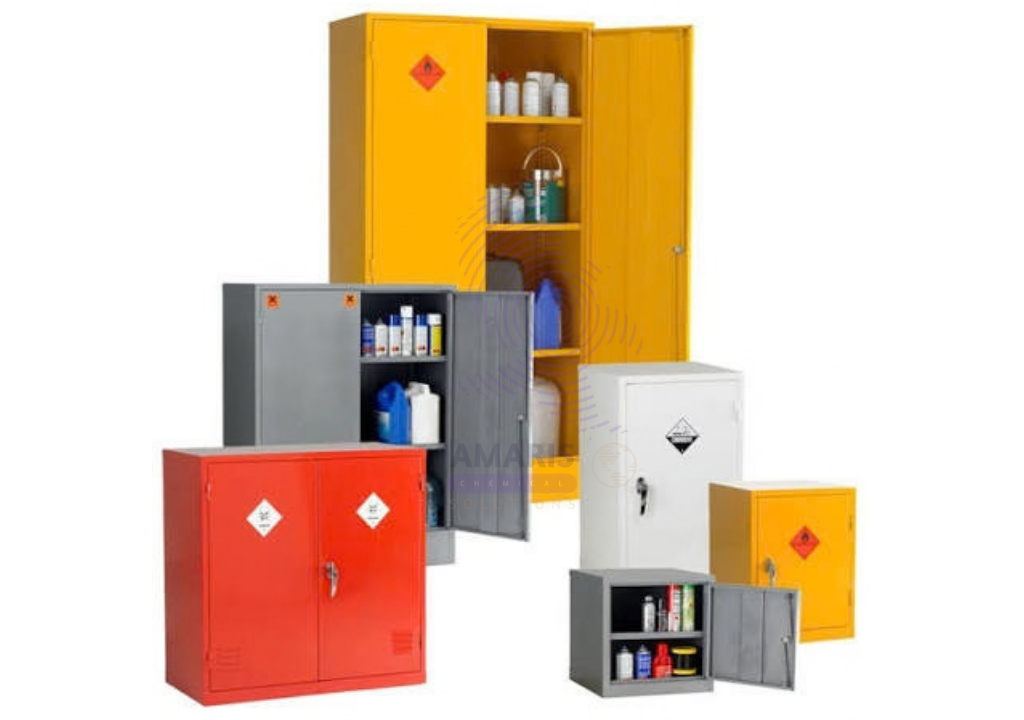
Manufacturers should also consider storage requirements when selecting chemicals. Products requiring specialized temperature control, ventilation, or other storage conditions may carry additional operational costs. Where technically appropriate, selecting materials with easier storage requirements can simplify warehouse management and reduce associated expenses without compromising product quality or safety.
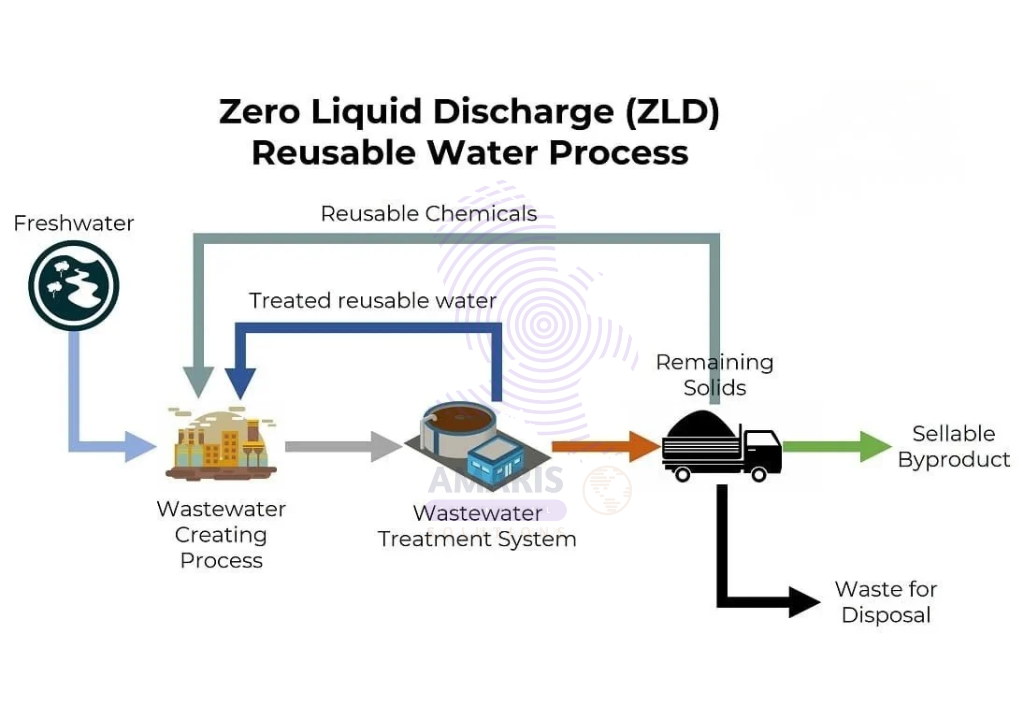
Sustainability can contribute to cost efficiency as well. Chemicals that enable lower energy consumption, reduced waste, fewer processing steps, or more efficient resource use can provide financial benefits while supporting environmental goals. Modern manufacturers are increasingly evaluating raw materials based not only on purchase price but also on their total impact throughout the production process. ♻️🌱
Finally, manufacturers should regularly review their chemical choices. Market prices, technologies, supplier availability, and production requirements change over time. Periodic evaluation can identify opportunities to replace inefficient materials, negotiate better purchasing terms, improve formulations, or adopt newer alternatives.
In conclusion, smarter chemical selection is an important strategy for reducing production costs without compromising quality. By evaluating purity, concentration, performance, compatibility, supplier reliability, logistics, storage, and overall value, manufacturers can make more informed purchasing decisions. The cheapest chemical is not necessarily the most economical choice—the best chemical is one that consistently delivers the required performance while minimizing waste, downtime, and unnecessary expenses. 🧪🏭💰