Preservatives(food)
 Flavors
 Acidulants
 Sweeteners
 Antioxidants
 Colorants(food)
 Nutraceutical Ingredients (food)
 Nutrient Supplements
 Emulsifiers
 Collectors
 Dust Suppressants
 Explosives and Blasting Agents
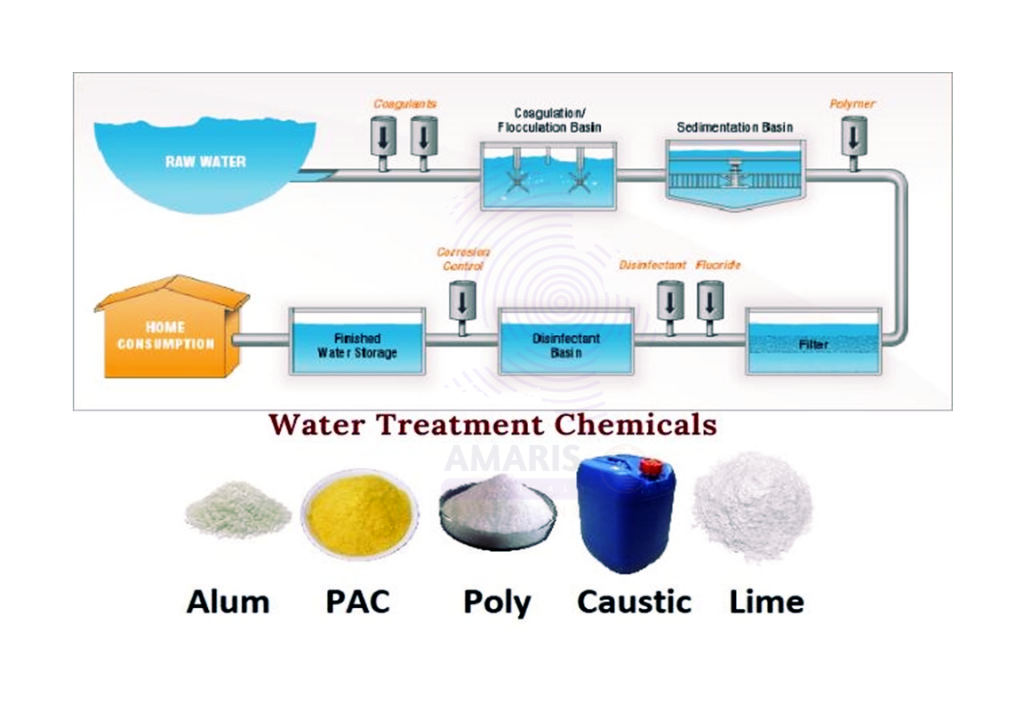
 Flocculants and Coagulants
 Frothers
 Leaching Agents
 pH Modifiers
 Precious Metal Extraction Agents
 Antioxidants(plastic)
 Colorants (Pigments, Dyes)
 Fillers and Reinforcements
 Flame Retardants
 Monomers
 Plasticizers
 Polymerization Initiators
 Stabilizers (UV, Heat)
 Antifoaming Agents
 Chelating Agents
 Coagulants and Flocculants
 Corrosion Inhibitors
 Disinfectants and Biocides
 Oxidizing Agents
 pH Adjusters
 Scale Inhibitors( water)
 Antioxidants(cosmetic)
 Emollients
 Oils
Oils Carrier Oills
 Essential Oils
 Humectants
 Preservatives
 Surfactants(cosmetic)
 Thickeners
 UV Filters
 Fragrance (Cosmetics)
 Fertilizers
 Soil Conditioners
 Plant Growth Regulators
 Animal Feed Additives
 Biostimulants
 Pesticides (Herbicides, Insecticides, Fungicides)
 Active Pharmaceutical Ingredients (APIs)
 Excipients
 Solvents(pharmaceutical)
 Antibiotics
 Antiseptics and Disinfectants
 Vaccine Adjuvants
 Nutraceutical Ingredients (pharmaceutical)
 Analgesics & Antipyretics
 Analytical Reagents
 Solvents(lab)
 Chromatography Chemicals
 Spectroscopy Reagents
 microbiology-and-cell-culture-reagents
 Molecular Biology Reagents
 Biochemical Reagents
 Inorganic and Organic Standards
 Laboratory Safety Chemicals
 Specialty Laboratory Chemicals(Special Laboratory Equipment)
 Demulsifiers
 Hydraulic Fracturing Fluids
 Scale Inhibitors(oil)
 Surfactants(oil)
 Drilling Fluids
 Dyes and Pigments
 Bleaching Agents
 Softening Agents
 Finishing Agents
 Antistatic Agents
 Admixtures
 Waterproofing Agents
 Sealants and Adhesives
 Curing Compounds
 Concrete Repair Chemicals
 Anti-Corrosion Coatings
 Surfactants(cleaning)
 Builders
 Enzymes
 Solvents (Cleaning)
 Electronic Chemicals
 Catalysts
 Lubricants
 Photographic Chemicals
 Refrigerants
 Automotive chemicals
 Pyrotechnic Chemicals
 Biodegradable Surfactants
 Bio-based Solvents
 Renewable Polymers
 Carbon Capture Chemicals
 Wastewater Treatment Chemicals
 Pigments
 Solvents(paint)
 Specialty Coatings
 Binders/Resins
 Additives
 Driers
 Anti-Corrosion Agents
 Functional Coatings
 Application-Specific Coatings
 Leavening Agents
 Dough Conditioners
 Flour Treatments
 Fat Replacers
 Decoratives
 Preservatives(baking)
 Plasticizers & Softeners
 Reinforcing Agents
 Adhesion Promoters
 Vulcanizing Agents
 Antidegradants
 Blowing Agents
 Fillers & Extenders
 Accelerators & Retarders
The Rise of Bio-Based Chemicals: Can Renewable Raw Materials Replace Fossil-Based Inputs? 🌱🧪

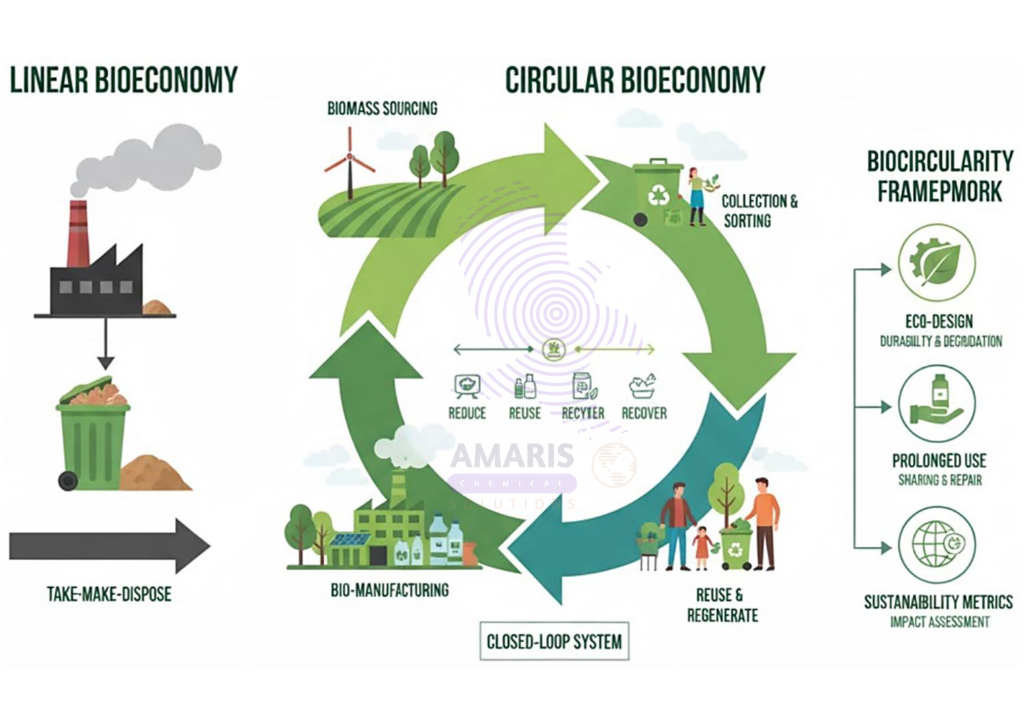
For decades, fossil-based raw materials such as petroleum and natural gas have played a central role in the chemical industry. They are used to produce plastics, solvents, coatings, detergents, synthetic fibres, pharmaceuticals, and countless other products. But as industries look for ways to reduce their environmental impact, attention is increasingly turning toward bio-based chemicals made from renewable biological resources.
Bio-based chemicals are not necessarily a complete replacement for conventional chemicals, but they are becoming an important area of research, innovation, and industrial development. 🌍
What Are Bio-Based Chemicals?
Bio-based chemicals are chemicals produced partly or entirely from renewable biological sources rather than fossil-based feedstocks.
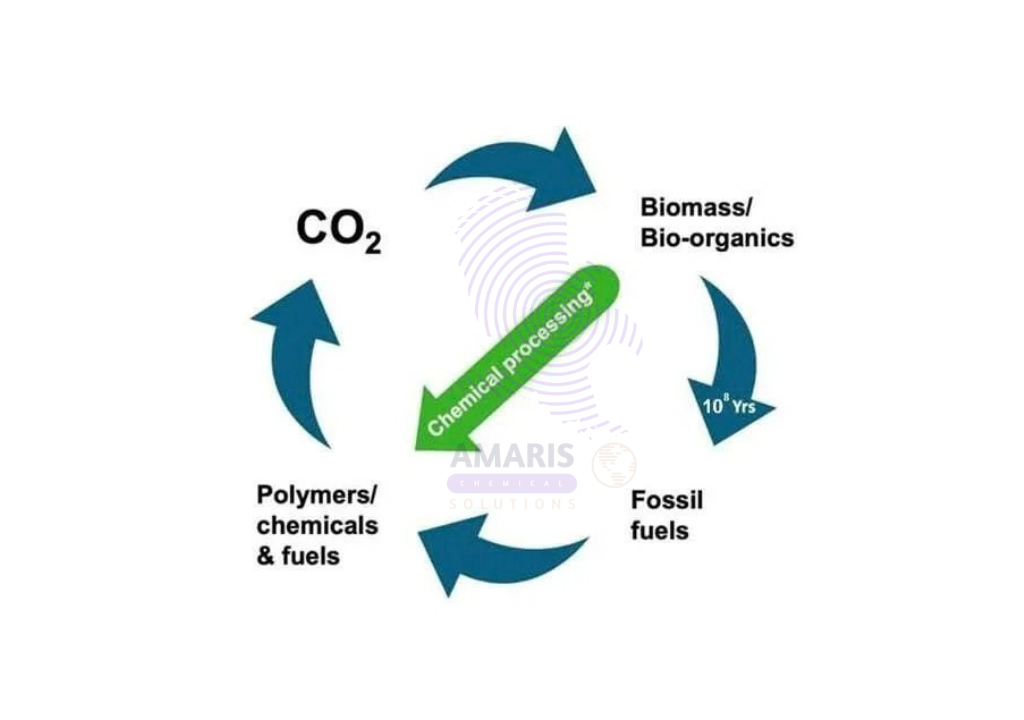
These sources can include agricultural crops, plant oils, sugars, starches, cellulose, forestry residues, algae, and certain organic waste materials. Through chemical processing or biotechnology, these raw materials can be converted into useful chemical building blocks and finished products.
Examples include bio-based solvents, organic acids, surfactants, polymers, and ingredients used in personal care and other industries.
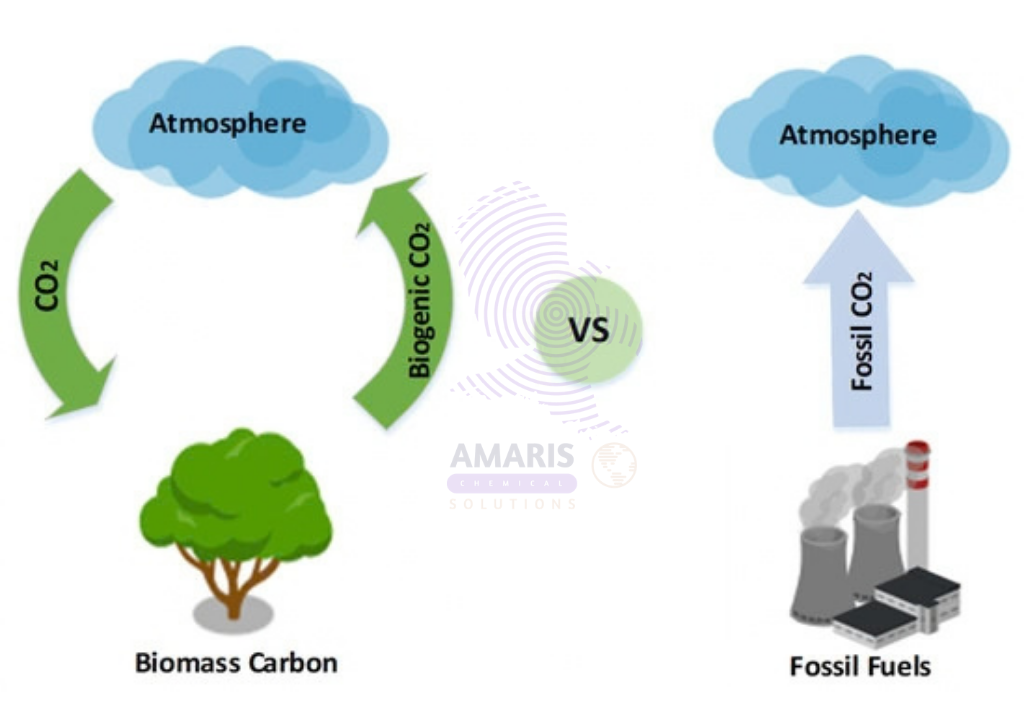
The important point is that “bio-based” describes the origin of the raw material, not automatically the environmental performance of the final product.
Why Are Industries Exploring Them? 🌱
Interest in bio-based chemicals is growing partly because manufacturers are looking for alternatives that can reduce dependence on finite fossil resources.
Renewable feedstocks can potentially provide additional sources of carbon for chemical manufacturing while creating opportunities to make use of agricultural residues and other biological resources.
For regions with strong agricultural sectors, this could also create connections between agriculture and chemical manufacturing. Crop residues and other biomass materials may become feedstocks for higher-value products rather than simply being discarded.
Can Bio-Based Chemicals Replace Fossil-Based Inputs?
In some applications, yes. In others, the transition is more complicated.
Certain bio-based feedstocks can be processed into molecules that are chemically identical or functionally similar to those traditionally produced from fossil resources. In other cases, entirely different molecules may be developed to deliver similar performance.
However, replacing fossil-based inputs requires more than finding a renewable raw material. Manufacturers must consider availability, cost, consistency, processing requirements, product performance, storage, infrastructure, and scalability.
A renewable feedstock that is difficult or expensive to process may not be practical for large-scale manufacturing.
The Role of Biotechnology and Chemistry 🔬
Advances in biotechnology are helping expand the possibilities for bio-based chemical production. Microorganisms and enzymes can be used in certain processes to convert biological materials into useful chemical compounds.
Chemistry then plays an important role in refining, modifying, and converting these compounds into materials suitable for industrial applications.
This combination of biology, chemistry, and engineering is creating new possibilities for producing chemicals from renewable resources.
What About Kenya and Africa? 🇰🇪🌍
Africa has significant agricultural and biological resources that could potentially support the development of bio-based industries.
Kenya, for example, has established agricultural value chains that generate biomass and processing residues. With appropriate technology, investment, research, and infrastructure, some of these resources could potentially become feedstocks for chemicals, materials, fuels, or other value-added products.
This could support both industrial diversification and greater value addition within agricultural supply chains.
However, responsible development is essential. Bio-based production should consider land use, food security, water consumption, biodiversity, energy requirements, and the full lifecycle of the resulting products.
Are Bio-Based Chemicals Automatically Greener? ♻️
Not necessarily.
A bio-based product can still require significant energy, water, transportation, or processing. Its overall environmental impact depends on how the raw material is produced, processed, transported, used, and ultimately disposed of.
This is why life-cycle assessment is important when comparing bio-based and fossil-based alternatives. The source of the carbon is only one part of the sustainability equation.
The Future of Bio-Based Chemistry
The chemical industry is unlikely to move from fossil-based materials to bio-based materials overnight. Instead, the future will probably involve a combination of conventional, recycled, renewable, and innovative feedstocks.
As technology improves, bio-based chemicals could become increasingly competitive in applications where they can deliver the required performance and economic value.
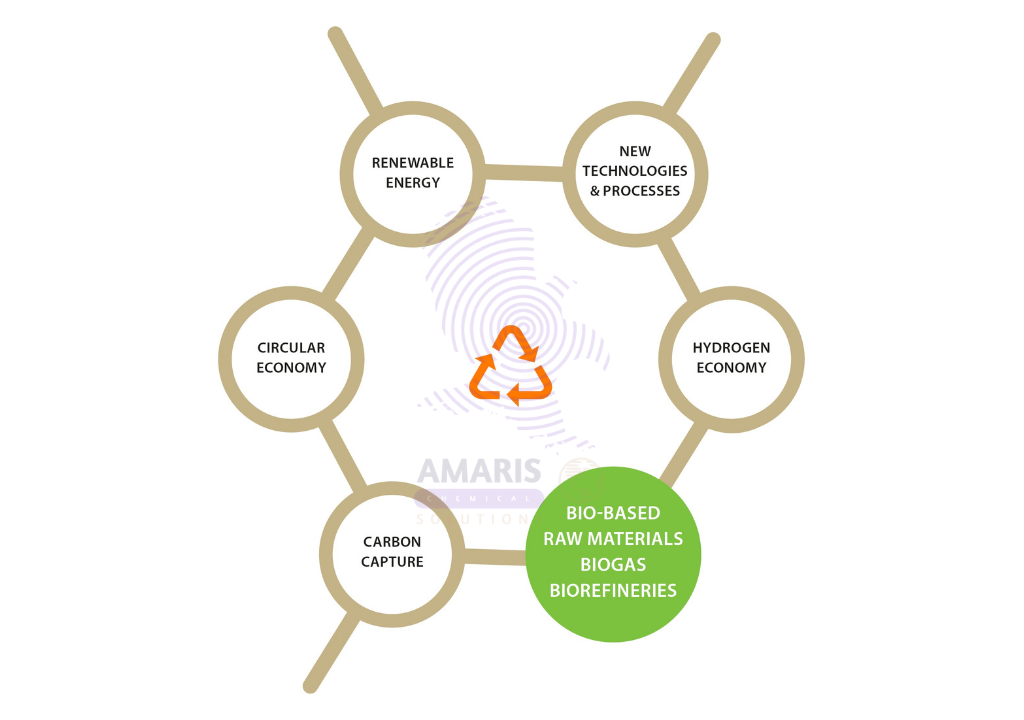
The bigger opportunity is not simply replacing one raw material with another. It is developing a more diverse and resource-efficient chemical industry where renewable materials, waste resources, recycling, and advanced chemistry work together. 🌱🧪