Preservatives(food)
 Flavors
 Acidulants
 Sweeteners
 Antioxidants
 Colorants(food)
 Nutraceutical Ingredients (food)
 Nutrient Supplements
 Emulsifiers
 Collectors
 Dust Suppressants
 Explosives and Blasting Agents
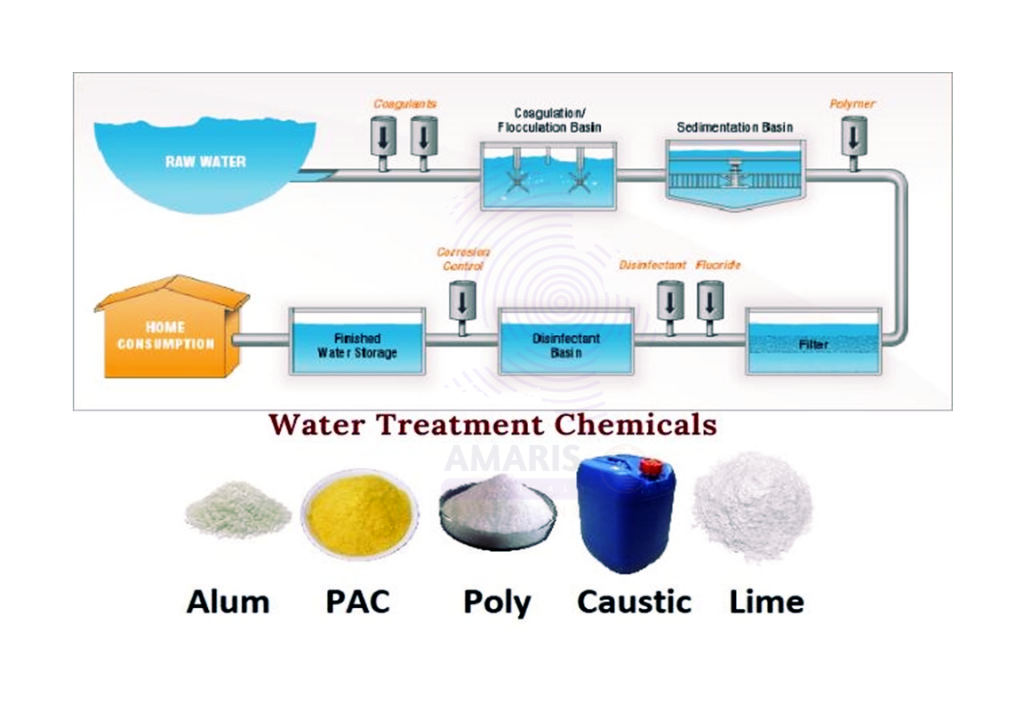
 Flocculants and Coagulants
 Frothers
 Leaching Agents
 pH Modifiers
 Precious Metal Extraction Agents
 Antioxidants(plastic)
 Colorants (Pigments, Dyes)
 Fillers and Reinforcements
 Flame Retardants
 Monomers
 Plasticizers
 Polymerization Initiators
 Stabilizers (UV, Heat)
 Antifoaming Agents
 Chelating Agents
 Coagulants and Flocculants
 Corrosion Inhibitors
 Disinfectants and Biocides
 Oxidizing Agents
 pH Adjusters
 Scale Inhibitors( water)
 Antioxidants(cosmetic)
 Emollients
 Oils
Oils Carrier Oills
 Essential Oils
 Humectants
 Preservatives
 Surfactants(cosmetic)
 Thickeners
 UV Filters
 Fragrance (Cosmetics)
 Fertilizers
 Soil Conditioners
 Plant Growth Regulators
 Animal Feed Additives
 Biostimulants
 Pesticides (Herbicides, Insecticides, Fungicides)
 Active Pharmaceutical Ingredients (APIs)
 Excipients
 Solvents(pharmaceutical)
 Antibiotics
 Antiseptics and Disinfectants
 Vaccine Adjuvants
 Nutraceutical Ingredients (pharmaceutical)
 Analgesics & Antipyretics
 Analytical Reagents
 Solvents(lab)
 Chromatography Chemicals
 Spectroscopy Reagents
 microbiology-and-cell-culture-reagents
 Molecular Biology Reagents
 Biochemical Reagents
 Inorganic and Organic Standards
 Laboratory Safety Chemicals
 Specialty Laboratory Chemicals(Special Laboratory Equipment)
 Demulsifiers
 Hydraulic Fracturing Fluids
 Scale Inhibitors(oil)
 Surfactants(oil)
 Drilling Fluids
 Dyes and Pigments
 Bleaching Agents
 Softening Agents
 Finishing Agents
 Antistatic Agents
 Admixtures
 Waterproofing Agents
 Sealants and Adhesives
 Curing Compounds
 Concrete Repair Chemicals
 Anti-Corrosion Coatings
 Surfactants(cleaning)
 Builders
 Enzymes
 Solvents (Cleaning)
 Electronic Chemicals
 Catalysts
 Lubricants
 Photographic Chemicals
 Refrigerants
 Automotive chemicals
 Pyrotechnic Chemicals
 Biodegradable Surfactants
 Bio-based Solvents
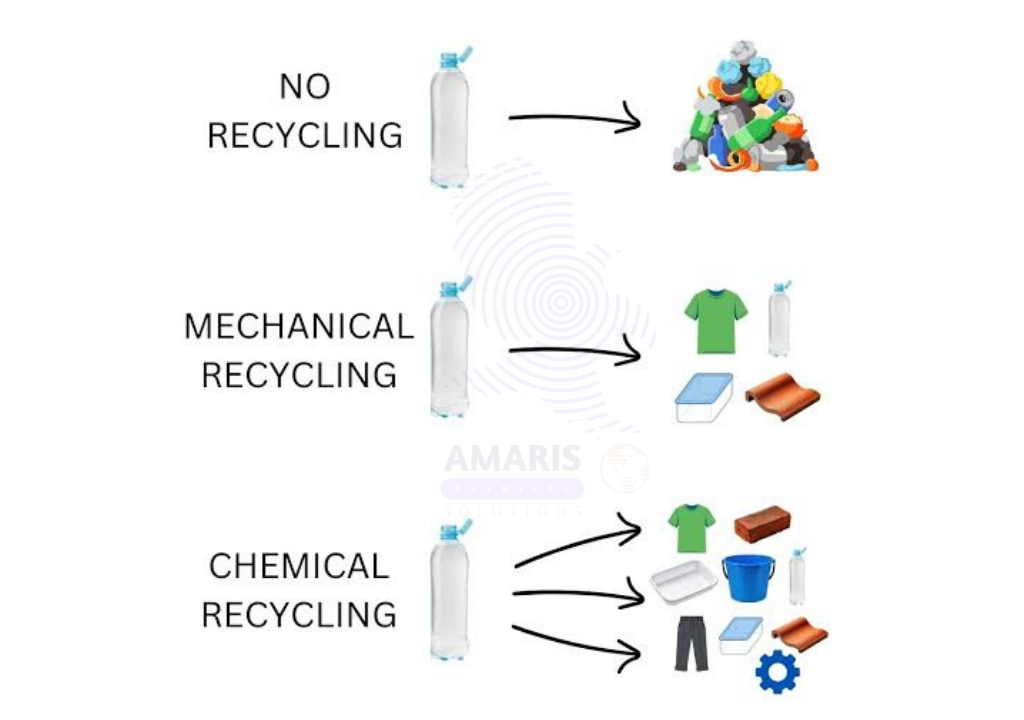
 Renewable Polymers
 Carbon Capture Chemicals
 Wastewater Treatment Chemicals
 Pigments
 Solvents(paint)
 Specialty Coatings
 Binders/Resins
 Additives
 Driers
 Anti-Corrosion Agents
 Functional Coatings
 Application-Specific Coatings
 Leavening Agents
 Dough Conditioners
 Flour Treatments
 Fat Replacers
 Decoratives
 Preservatives(baking)
 Plasticizers & Softeners
 Reinforcing Agents
 Adhesion Promoters
 Vulcanizing Agents
 Antidegradants
 Blowing Agents
 Fillers & Extenders
 Accelerators & Retarders
From Raw Materials to Finished Products: Why Kenya Needs More Local Chemical Manufacturing 🇰🇪🧪

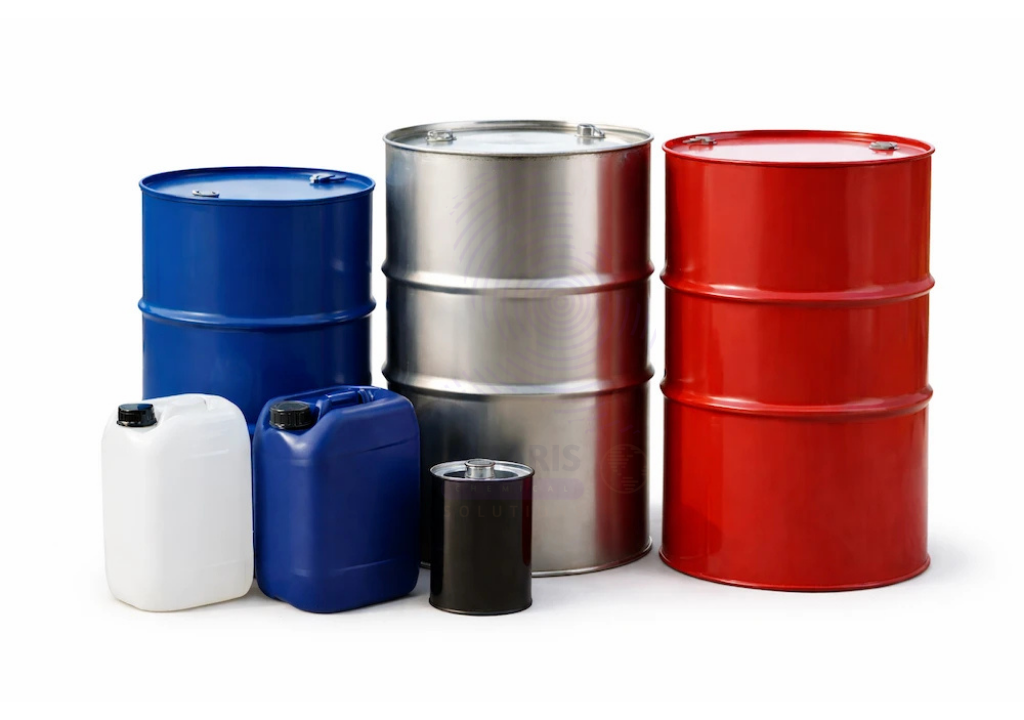
Kenya’s manufacturing sector is at an important point in its development. From construction and agriculture to food processing, pharmaceuticals, cosmetics, textiles, and water treatment, industries across the country depend on a steady supply of chemicals and industrial raw materials.
Yet an important question remains: How much of what Kenyan industries need can actually be produced locally?
Moving from dependence on imported raw materials and finished products toward stronger local chemical manufacturing could create significant opportunities for Kenya’s industrial sector. 🏭
Why Chemicals Matter to Manufacturing
Chemicals are often the hidden ingredients behind everyday products. They are used to manufacture paints, detergents, plastics, cosmetics, medicines, construction materials, agricultural inputs, textiles, and countless other products.
This means that a strong chemical manufacturing sector can support many other industries simultaneously. When chemical raw materials are readily available, manufacturers can potentially produce more locally, develop new products, and respond faster to market demand.
Chemical manufacturing is therefore not an isolated industry—it is part of the foundation supporting Kenya’s wider manufacturing ecosystem.
The Challenge of Import Dependence
Many Kenyan manufacturers rely on imported chemicals and raw materials. Imports can provide access to products that are not readily manufactured locally, but heavy dependence on international supply chains can also expose businesses to challenges such as shipping disruptions, currency fluctuations, changing global prices, and longer lead times.
When international markets experience disruptions, the effects can reach local manufacturers through higher input costs or delays in production.
Developing more domestic manufacturing capacity could provide an additional layer of resilience. Instead of relying entirely on external sources, Kenya could gradually strengthen its ability to produce selected chemicals and chemical-based materials locally.
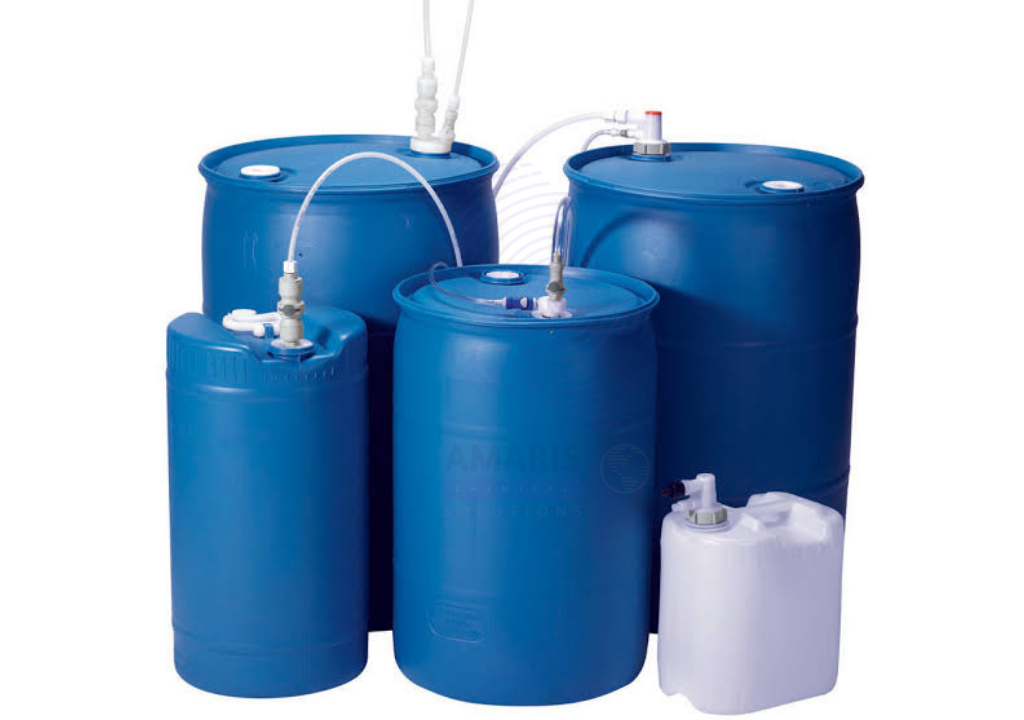

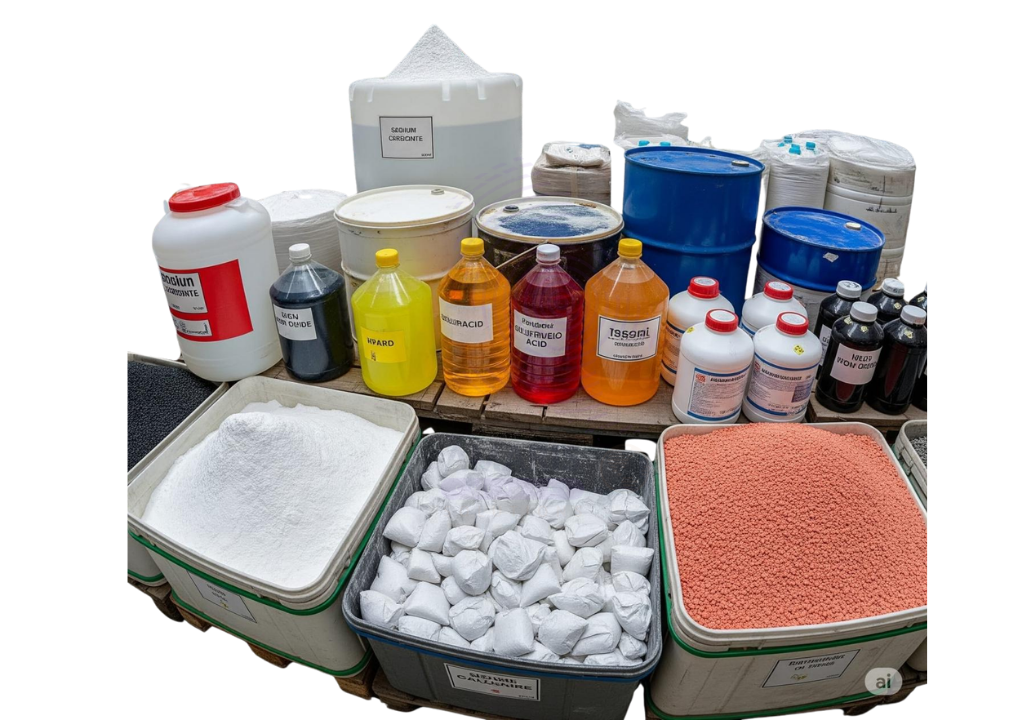
From Extraction to Value Addition 🇰🇪
Kenya has natural resources that can contribute to industrial development, but extracting resources is only one stage of the value chain.
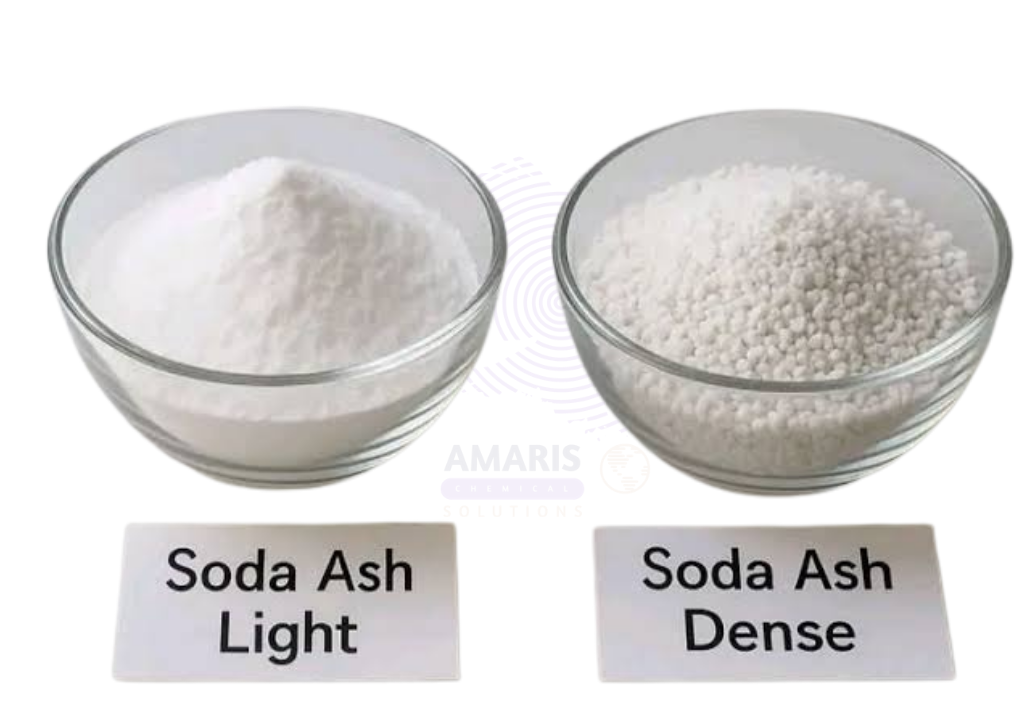
Greater value addition means processing raw materials into products that have greater economic and industrial value. Soda ash from Magadi, for example, can support industries such as glass manufacturing and other chemical applications.
The same principle can apply across different sectors. Agricultural materials, minerals, and other locally available resources can potentially become inputs for higher-value manufacturing.
The goal is not necessarily to produce every chemical locally. Rather, Kenya can identify strategically important products where local production makes economic and technical sense.
The Benefits of Local Chemical Manufacturing 🏭
Expanding domestic chemical manufacturing could create opportunities throughout the economy. Local production can support employment, technical skills development, industrial innovation, and investment in manufacturing infrastructure.
It can also strengthen connections between chemical producers and industries that depend on their products. A manufacturer producing detergents, for example, benefits from reliable access to appropriate raw materials, while local chemical producers gain a dependable industrial market.
Over time, these connections can help create stronger industrial clusters and supply chains within Kenya.
What Kenya Needs to Move Forward
Building a competitive chemical manufacturing sector requires more than factories. Reliable energy, modern infrastructure, skilled personnel, research and development, appropriate technology, financing, environmental management, and clear regulatory systems all play important roles.
Quality must also remain central. Locally manufactured chemicals need to meet appropriate specifications and standards so that manufacturers can confidently use them in their processes.
Collaboration between government, investors, manufacturers, research institutions, universities, and chemical suppliers can help create an environment where innovation and local production can grow. 🔬
Building a More Resilient Manufacturing Future
Kenya’s chemical manufacturing opportunity is ultimately about more than replacing imports. It is about creating a stronger, more connected industrial economy.
By increasing local production where practical, encouraging value addition, and investing in technology and skills, Kenya can strengthen the industries that depend on chemicals every day.
The journey from raw materials to finished products is a long one, but every additional stage completed locally represents an opportunity to create value, build expertise, and strengthen Kenya’s manufacturing future. 🇰🇪🧪