Preservatives(food)
 Flavors
 Acidulants
 Sweeteners
 Antioxidants
 Colorants(food)
 Nutraceutical Ingredients (food)
 Nutrient Supplements
 Emulsifiers
 Collectors
 Dust Suppressants
 Explosives and Blasting Agents
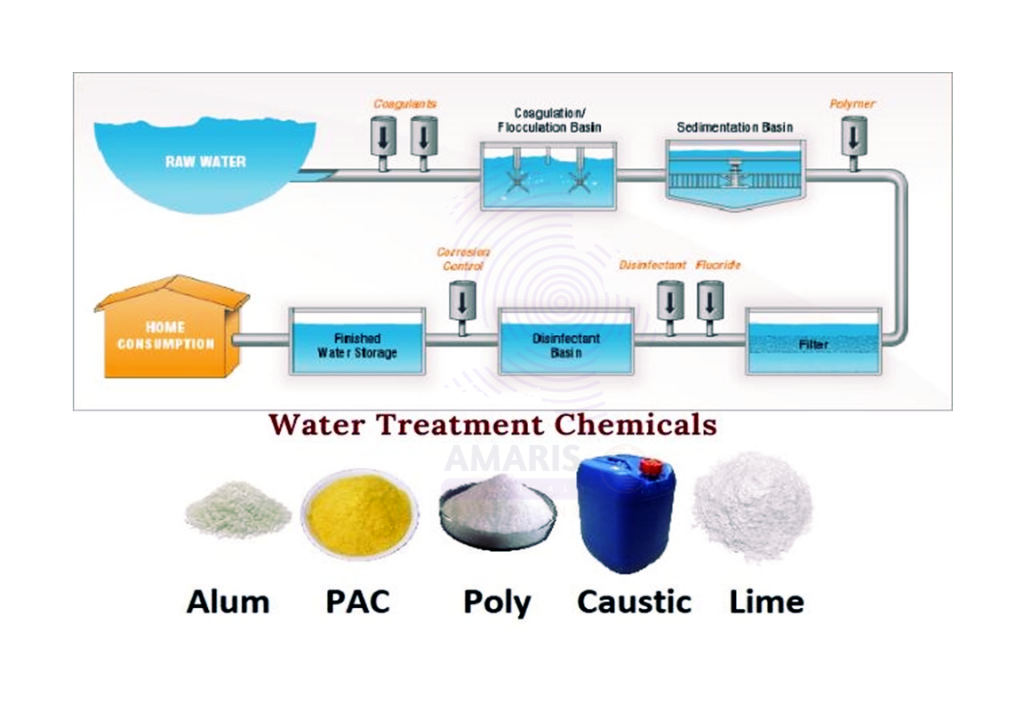
 Flocculants and Coagulants
 Frothers
 Leaching Agents
 pH Modifiers
 Precious Metal Extraction Agents
 Antioxidants(plastic)
 Colorants (Pigments, Dyes)
 Fillers and Reinforcements
 Flame Retardants
 Monomers
 Plasticizers
 Polymerization Initiators
 Stabilizers (UV, Heat)
 Antifoaming Agents
 Chelating Agents
 Coagulants and Flocculants
 Corrosion Inhibitors
 Disinfectants and Biocides
 Oxidizing Agents
 pH Adjusters
 Scale Inhibitors( water)
 Antioxidants(cosmetic)
 Emollients
 Oils
Oils Carrier Oills
 Essential Oils
 Humectants
 Preservatives
 Surfactants(cosmetic)
 Thickeners
 UV Filters
 Fragrance (Cosmetics)
 Fertilizers
 Soil Conditioners
 Plant Growth Regulators
 Animal Feed Additives
 Biostimulants
 Pesticides (Herbicides, Insecticides, Fungicides)
 Active Pharmaceutical Ingredients (APIs)
 Excipients
 Solvents(pharmaceutical)
 Antibiotics
 Antiseptics and Disinfectants
 Vaccine Adjuvants
 Nutraceutical Ingredients (pharmaceutical)
 Analgesics & Antipyretics
 Analytical Reagents
 Solvents(lab)
 Chromatography Chemicals
 Spectroscopy Reagents
 microbiology-and-cell-culture-reagents
 Molecular Biology Reagents
 Biochemical Reagents
 Inorganic and Organic Standards
 Laboratory Safety Chemicals
 Specialty Laboratory Chemicals(Special Laboratory Equipment)
 Demulsifiers
 Hydraulic Fracturing Fluids
 Scale Inhibitors(oil)
 Surfactants(oil)
 Drilling Fluids
 Dyes and Pigments
 Bleaching Agents
 Softening Agents
 Finishing Agents
 Antistatic Agents
 Admixtures
 Waterproofing Agents
 Sealants and Adhesives
 Curing Compounds
 Concrete Repair Chemicals
 Anti-Corrosion Coatings
 Surfactants(cleaning)
 Builders
 Enzymes
 Solvents (Cleaning)
 Electronic Chemicals
 Catalysts
 Lubricants
 Photographic Chemicals
 Refrigerants
 Automotive chemicals
 Pyrotechnic Chemicals
 Biodegradable Surfactants
 Bio-based Solvents
 Renewable Polymers
 Carbon Capture Chemicals
 Wastewater Treatment Chemicals
 Pigments
 Solvents(paint)
 Specialty Coatings
 Binders/Resins
 Additives
 Driers
 Anti-Corrosion Agents
 Functional Coatings
 Application-Specific Coatings
 Leavening Agents
 Dough Conditioners
 Flour Treatments
 Fat Replacers
 Decoratives
 Preservatives(baking)
 Plasticizers & Softeners
 Reinforcing Agents
 Adhesion Promoters
 Vulcanizing Agents
 Antidegradants
 Blowing Agents
 Fillers & Extenders
 Accelerators & Retarders
Green Chemistry Explained: How Industries Can Reduce Waste Without Sacrificing Performance 🌱🧪

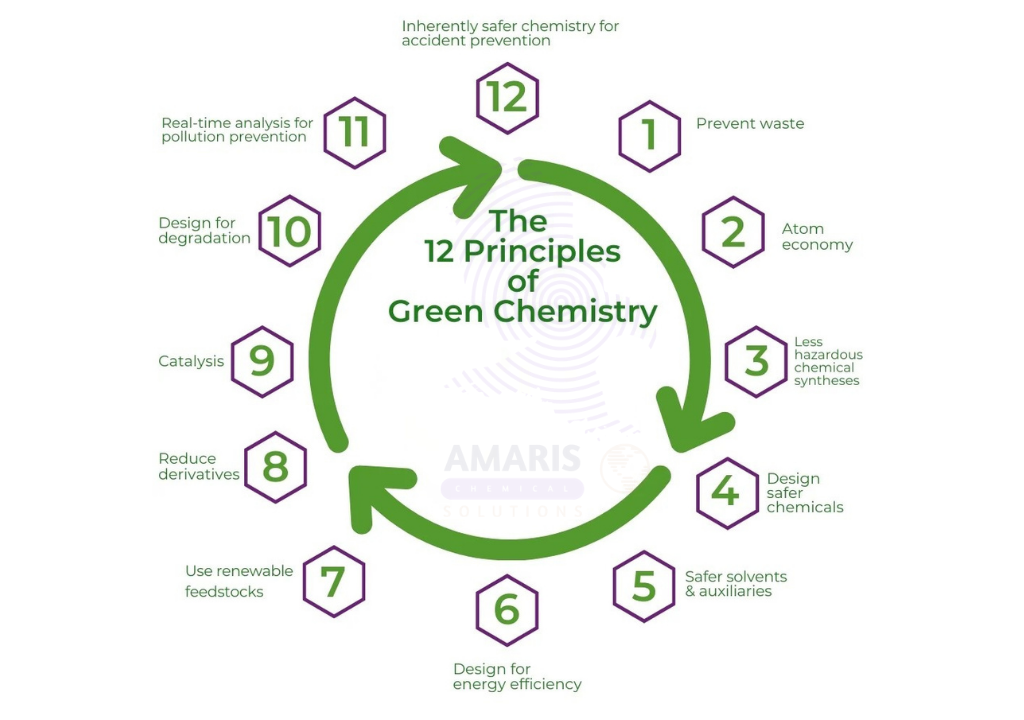
What if industries could use chemistry to produce better products while generating less waste? As manufacturers around the world face increasing pressure to reduce their environmental impact, green chemistry is becoming an important approach to designing safer, cleaner, and more efficient chemical processes.
Green chemistry is not about stopping the use of chemicals. Instead, it is about rethinking how chemicals are designed, selected, and used so that waste and environmental risks can be reduced without compromising product quality or performance.
What Is Green Chemistry?
Green chemistry focuses on preventing pollution at the source rather than dealing with waste after it has already been created.
This can involve designing chemical products that are less hazardous, using fewer harmful substances, improving production efficiency, reducing energy consumption, and finding ways to minimize unwanted by-products.
For manufacturers, the concept is particularly important because small improvements in a chemical process can have a significant effect when production takes place on a large scale.
Why Does Waste Reduction Matter? ♻️
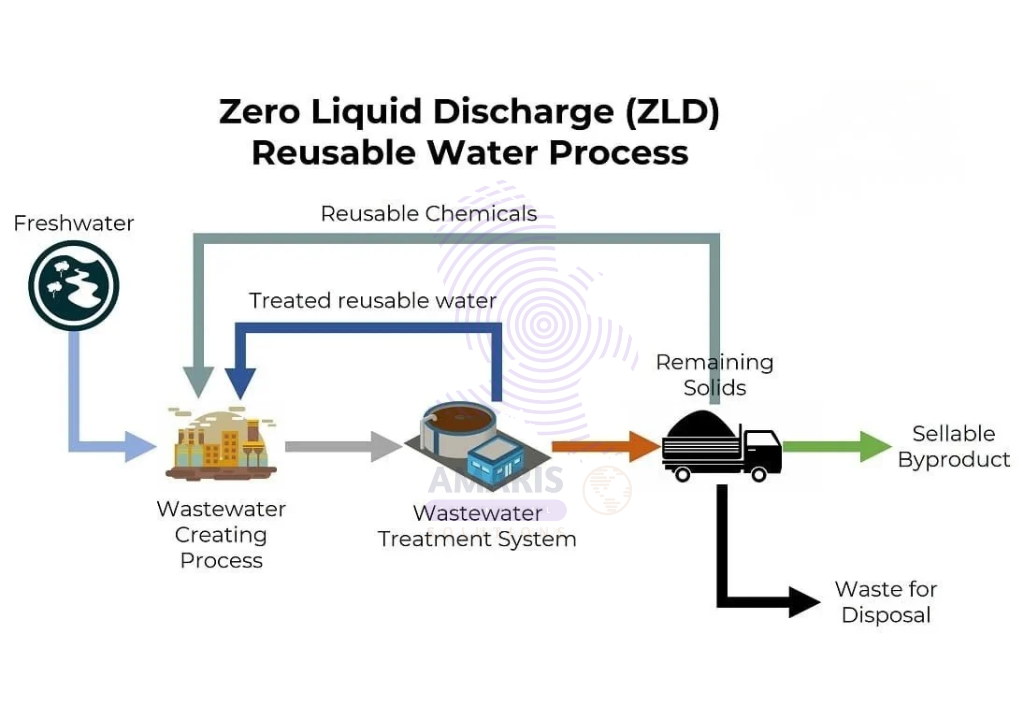
Industrial processes can generate different forms of waste, including unused raw materials, wastewater, emissions, packaging waste, and chemical by-products.
Managing this waste can require additional treatment, storage, transportation, and disposal. It can also increase production costs.
Green chemistry encourages manufacturers to ask a different question: Can we prevent the waste from being created in the first place?
For example, improving the efficiency of a reaction may reduce the amount of raw material that becomes waste. Better process control can minimize rejected batches, while more efficient formulations can reduce the quantity of materials needed to achieve the desired performance.
Using Better Raw Materials
One important part of green chemistry is reconsidering the materials used in production. 🌱
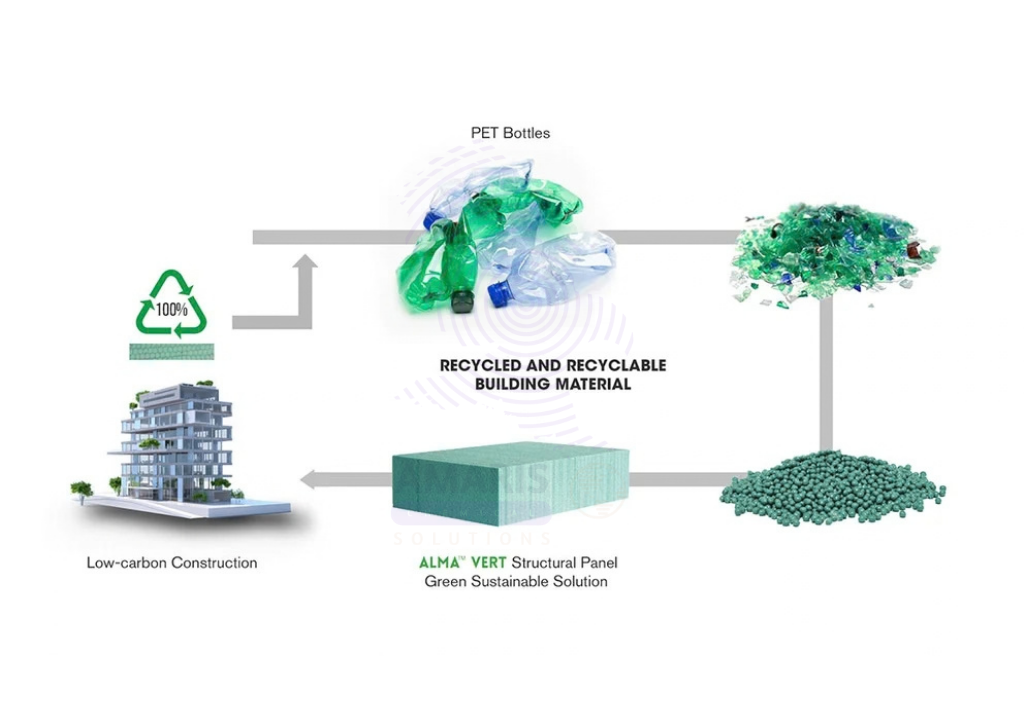
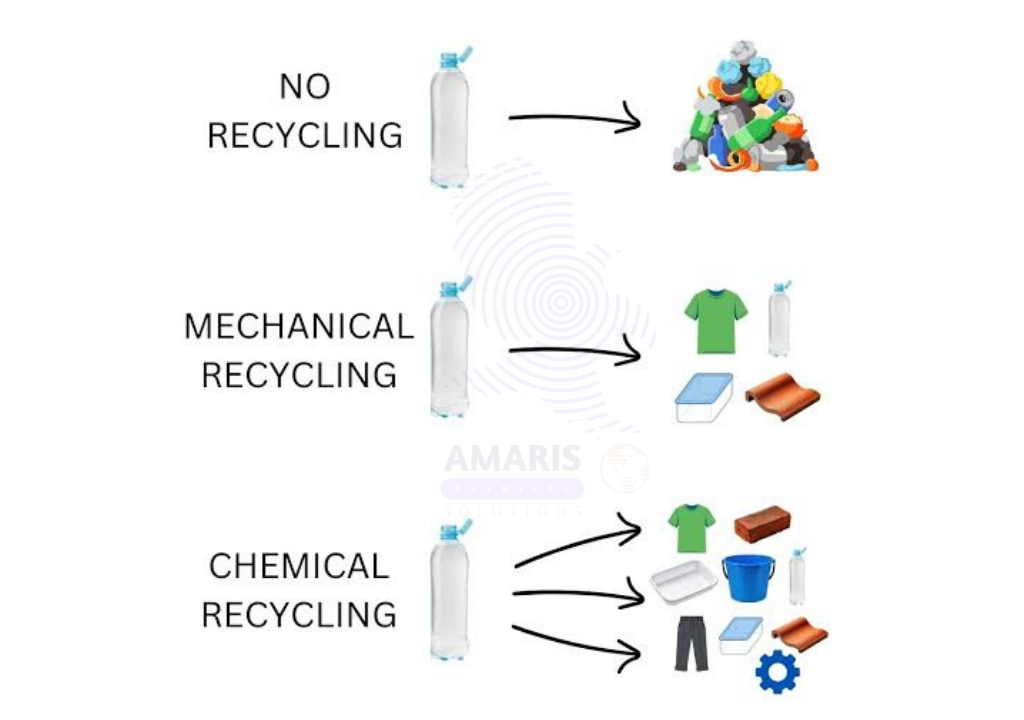
Where technically and economically practical, manufacturers can investigate renewable, recycled, less hazardous, or more environmentally responsible alternatives to conventional raw materials.
However, sustainability should not mean automatically replacing one chemical with another. The alternative must still provide the required performance, safety, stability, and suitability for the application.
This is why smart chemical selection is so important. A material that looks environmentally preferable on paper may not necessarily be the best choice if it requires significantly more energy, creates new waste streams, or performs poorly.
Making Processes More Efficient 🏭
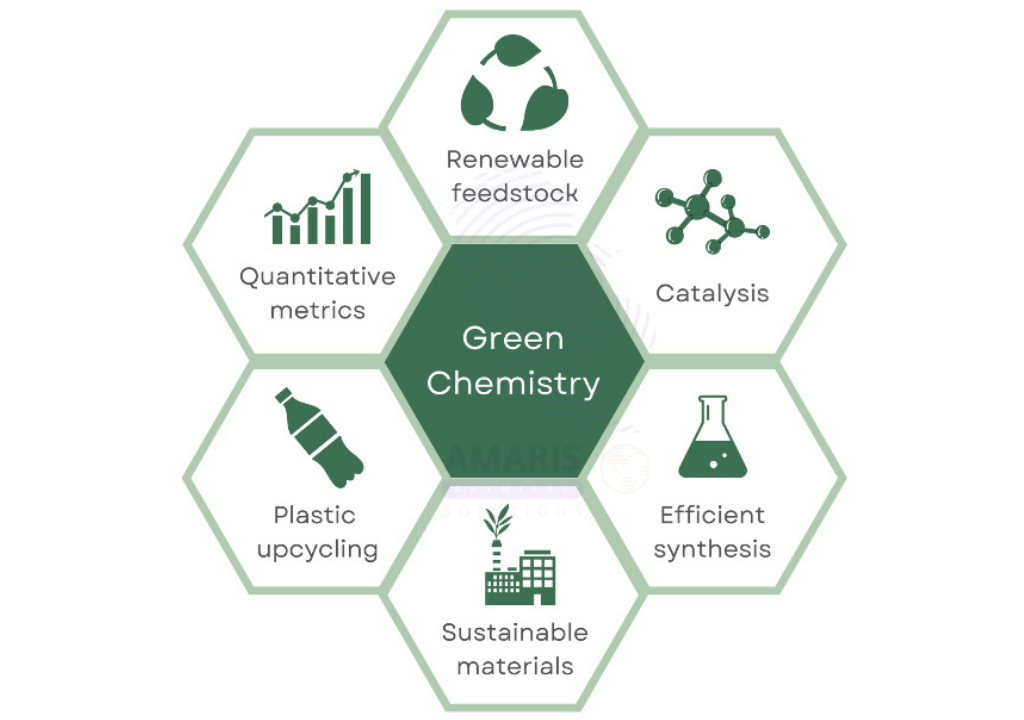
Green chemistry also focuses on improving the manufacturing process itself.
Better process design can reduce energy and water consumption, improve material efficiency, and minimize unnecessary processing steps. Modern monitoring and automation can also help manufacturers identify inefficiencies and maintain consistent production conditions.
In large-scale manufacturing, these improvements can translate into both environmental and economic benefits. Using fewer resources and generating less waste can potentially reduce operating costs while improving overall efficiency.
Green Chemistry Across Industries
The principles of green chemistry can be applied across many sectors. In paints and coatings, manufacturers can explore formulations that reduce hazardous components or emissions. In cleaning products, formulation efficiency and safer ingredients can be considered.
The same thinking can apply to cosmetics, textiles, agriculture, construction, water treatment, pharmaceuticals, and plastics.
For developing manufacturing industries in Kenya and across Africa, green chemistry can offer an opportunity to pursue industrial growth while paying greater attention to resource efficiency and environmental responsibility. 🌍
Can Sustainability and Performance Coexist?
Absolutely. The goal of green chemistry is not to choose between performance and sustainability. It is to find better ways of achieving both.
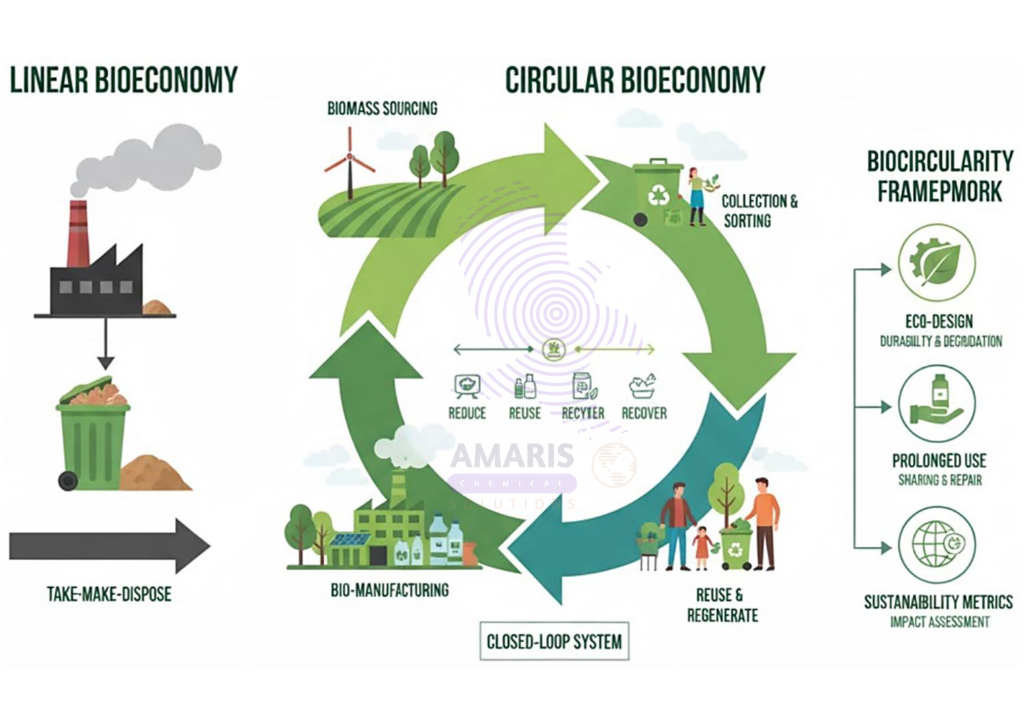
The most successful approaches consider the entire process—from raw-material selection and formulation to manufacturing, product use, and eventual disposal.
As environmental expectations continue to evolve, businesses that invest in efficient processes, responsible chemical selection, waste prevention, and innovation may be better positioned for the future.
A Smarter Future for Chemical Manufacturing
Green chemistry represents a shift from simply managing waste to designing processes that create less waste in the first place.
For manufacturers, this means looking beyond the traditional question of “Does this chemical work?” and asking, “Can it work efficiently, safely, and with less environmental impact?”
That mindset can help build cleaner production systems without sacrificing the quality customers expect. 🧪🌱
The future of chemistry is not about using fewer chemicals simply for the sake of it. It is about using chemistry smarter—creating products that perform, processes that are efficient, and industries that are more sustainable.