Preservatives(food)
 Flavors
 Acidulants
 Sweeteners
 Antioxidants
 Colorants(food)
 Nutraceutical Ingredients (food)
 Nutrient Supplements
 Emulsifiers
 Collectors
 Dust Suppressants
 Explosives and Blasting Agents
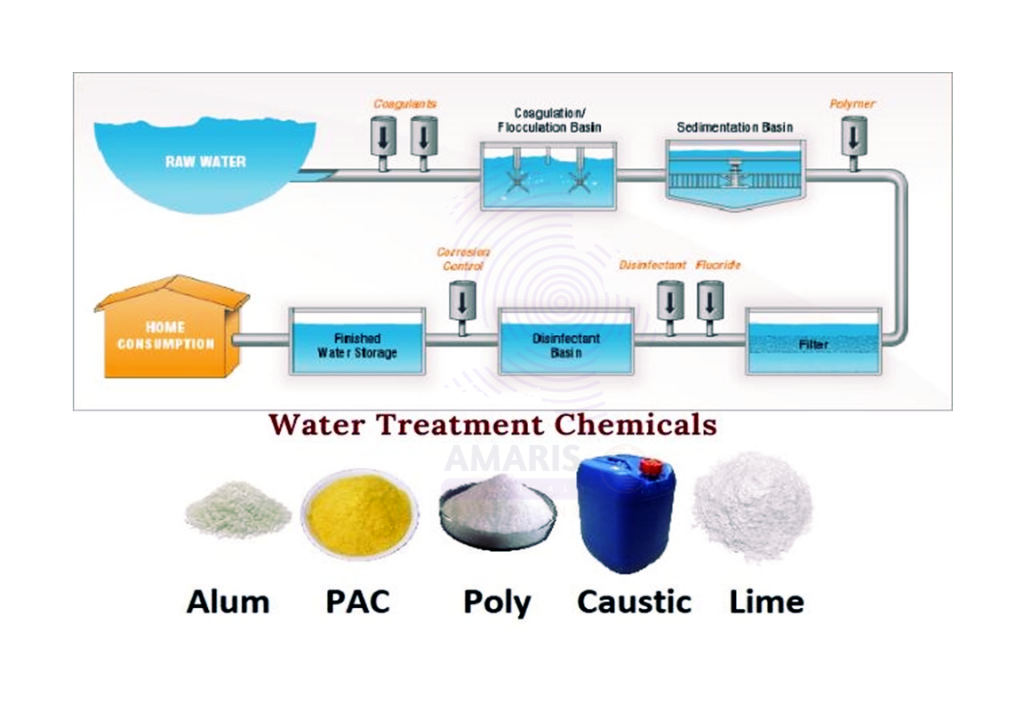
 Flocculants and Coagulants
 Frothers
 Leaching Agents
 pH Modifiers
 Precious Metal Extraction Agents
 Antioxidants(plastic)
 Colorants (Pigments, Dyes)
 Fillers and Reinforcements
 Flame Retardants
 Monomers
 Plasticizers
 Polymerization Initiators
 Stabilizers (UV, Heat)
 Antifoaming Agents
 Chelating Agents
 Coagulants and Flocculants
 Corrosion Inhibitors
 Disinfectants and Biocides
 Oxidizing Agents
 pH Adjusters
 Scale Inhibitors( water)
 Antioxidants(cosmetic)
 Emollients
 Oils
Oils Carrier Oills
 Essential Oils
 Humectants
 Preservatives
 Surfactants(cosmetic)
 Thickeners
 UV Filters
 Fragrance (Cosmetics)
 Fertilizers
 Soil Conditioners
 Plant Growth Regulators
 Animal Feed Additives
 Biostimulants
 Pesticides (Herbicides, Insecticides, Fungicides)
 Active Pharmaceutical Ingredients (APIs)
 Excipients
 Solvents(pharmaceutical)
 Antibiotics
 Antiseptics and Disinfectants
 Vaccine Adjuvants
 Nutraceutical Ingredients (pharmaceutical)
 Analgesics & Antipyretics
 Analytical Reagents
 Solvents(lab)
 Chromatography Chemicals
 Spectroscopy Reagents
 microbiology-and-cell-culture-reagents
 Molecular Biology Reagents
 Biochemical Reagents
 Inorganic and Organic Standards
 Laboratory Safety Chemicals
 Specialty Laboratory Chemicals(Special Laboratory Equipment)
 Demulsifiers
 Hydraulic Fracturing Fluids
 Scale Inhibitors(oil)
 Surfactants(oil)
 Drilling Fluids
 Dyes and Pigments
 Bleaching Agents
 Softening Agents
 Finishing Agents
 Antistatic Agents
 Admixtures
 Waterproofing Agents
 Sealants and Adhesives
 Curing Compounds
 Concrete Repair Chemicals
 Anti-Corrosion Coatings
 Surfactants(cleaning)
 Builders
 Enzymes
 Solvents (Cleaning)
 Electronic Chemicals
 Catalysts
 Lubricants
 Photographic Chemicals
 Refrigerants
 Automotive chemicals
 Pyrotechnic Chemicals
 Biodegradable Surfactants
 Bio-based Solvents
 Renewable Polymers
 Carbon Capture Chemicals
 Wastewater Treatment Chemicals
 Pigments
 Solvents(paint)
 Specialty Coatings
 Binders/Resins
 Additives
 Driers
 Anti-Corrosion Agents
 Functional Coatings
 Application-Specific Coatings
 Leavening Agents
 Dough Conditioners
 Flour Treatments
 Fat Replacers
 Decoratives
 Preservatives(baking)
 Plasticizers & Softeners
 Reinforcing Agents
 Adhesion Promoters
 Vulcanizing Agents
 Antidegradants
 Blowing Agents
 Fillers & Extenders
 Accelerators & Retarders
Why Chemical Compatibility Matters in Storage and Manufacturing 🧪🏭

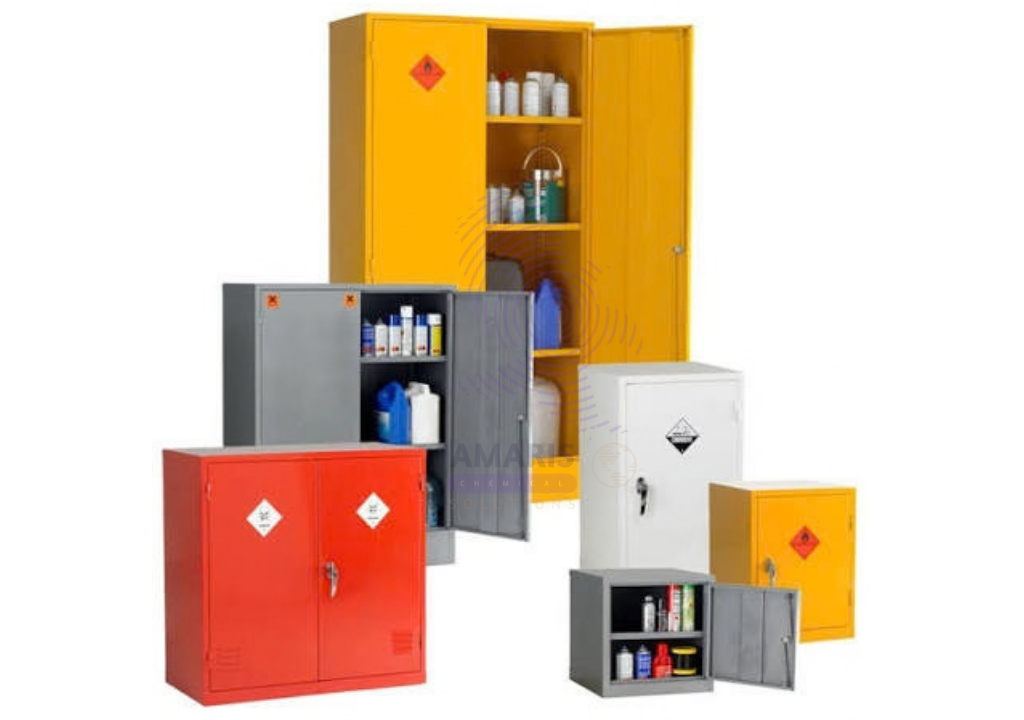
Chemical storage and manufacturing involve more than simply keeping products in containers or combining ingredients according to a formula. Different chemicals can interact in unexpected ways when they come into contact with one another, the wrong container material, heat, moisture, or other environmental conditions.
Understanding chemical compatibility is therefore an important part of safe and efficient industrial operations. The right compatibility practices can help protect workers, equipment, products, and facilities while reducing the risk of contamination, degradation, and costly incidents. 🥽
What Is Chemical Compatibility?
Chemical compatibility refers to how safely and reliably one substance can exist or interact with another without causing an unwanted reaction or damaging the materials involved.
Compatibility can apply to chemicals being mixed during production, but it also applies to storage containers, pipes, pumps, tanks, shelving, packaging materials, and other equipment that come into contact with chemicals.
A substance may be stable when stored alone but react when exposed to another material. Some chemicals may also attack certain metals, plastics, rubber, or other materials over time.
This is why compatibility should be considered throughout the entire chemical handling process.
Why Does Compatibility Matter in Storage? 📦
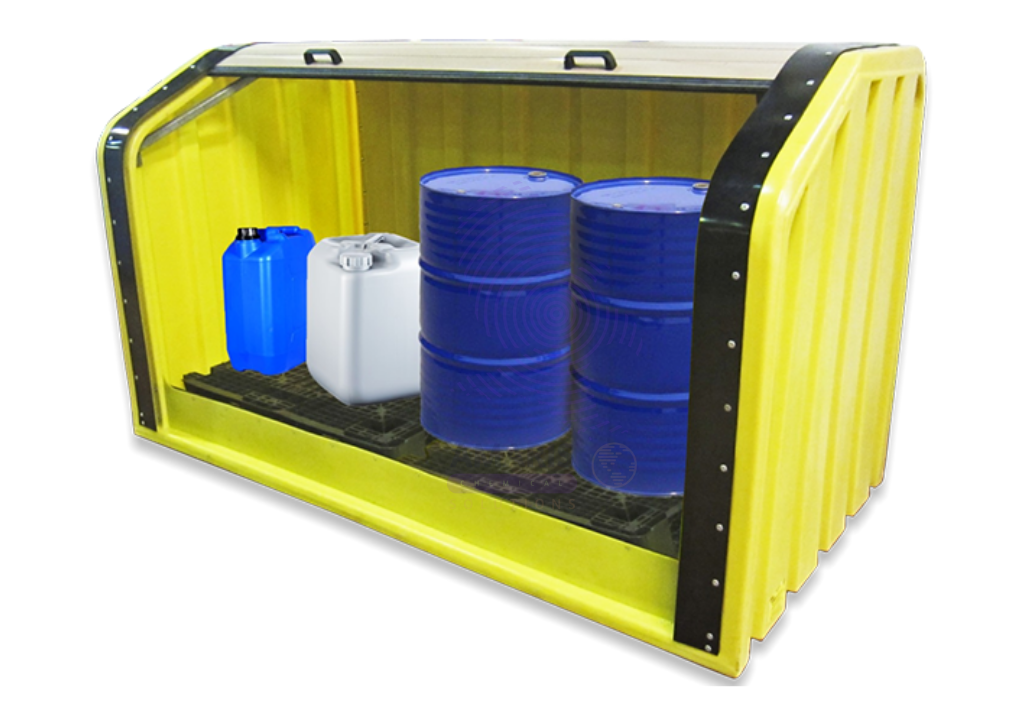
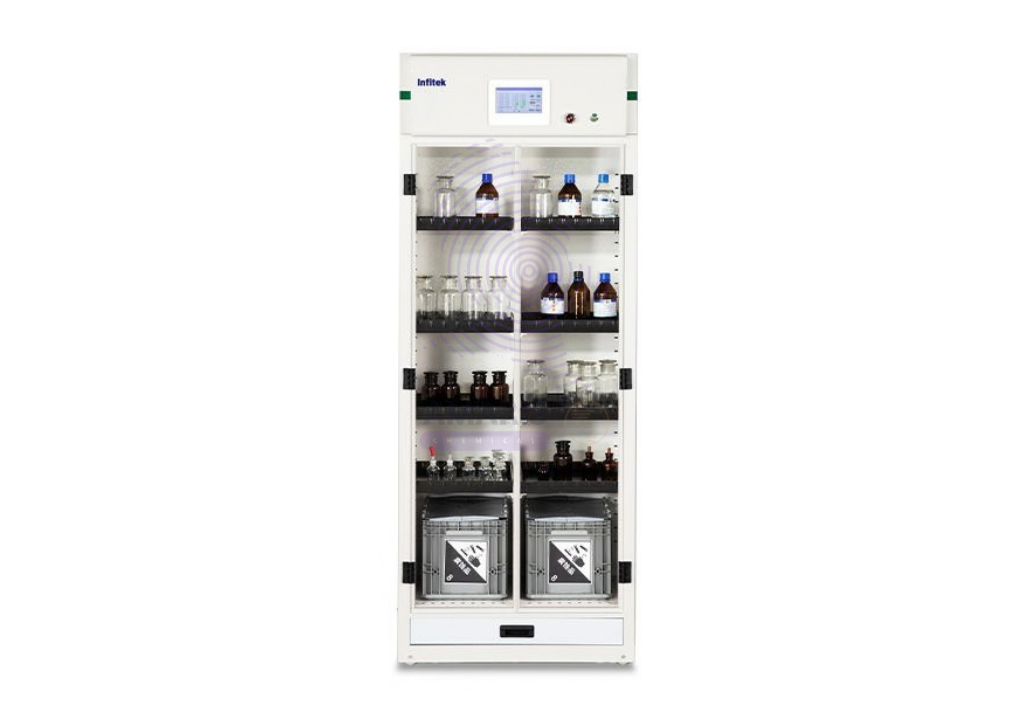
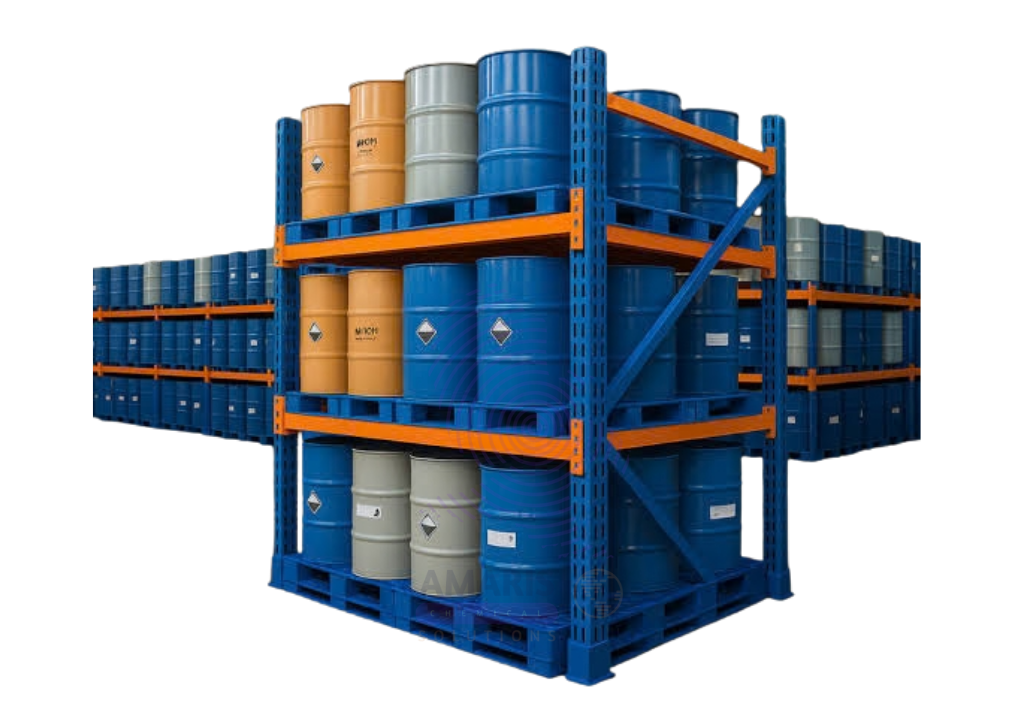
In a warehouse, different chemicals may be stored within the same facility. However, this does not mean that all chemicals should be placed next to one another or stored under identical conditions.
Certain substances can react if they accidentally come into contact following a leak or spill. Others may require specific temperature, ventilation, moisture-control, or light conditions.
For this reason, chemicals should be stored according to their properties and safety requirements, rather than simply being arranged according to convenience.
Safety Data Sheets (SDSs) provide important information about storage conditions, incompatibilities, handling precautions, and potential hazards. Proper labelling and segregation can further reduce the likelihood of accidental interactions.
Compatibility During Manufacturing 🏭
Chemical compatibility becomes even more important when substances are intentionally combined during manufacturing.
A formulation may contain several ingredients that must remain stable together throughout mixing, processing, storage, and use. If incompatible materials are combined, they may cause unwanted reactions, changes in colour or viscosity, separation, degradation, heat generation, or other process problems.
Before introducing a new raw material into a formulation, manufacturers should therefore evaluate how it interacts with existing ingredients and process conditions.
Laboratory testing can help identify potential compatibility issues before a formulation is scaled up to industrial production. 🔬
The Importance of Container Materials
Compatibility is not limited to chemical-to-chemical interactions.
The material used to manufacture a container can also influence chemical stability. Some chemicals may corrode particular metals, while others can interact with certain plastics, rubber seals, or coatings.
Choosing appropriate packaging and storage equipment helps protect both the chemical and the container.
This is particularly important when chemicals will be stored for extended periods. A container that appears suitable initially may deteriorate over time if it is not compatible with the substance being stored.
Temperature, Moisture and Other Conditions 🌡️
Environmental conditions can also affect chemical compatibility and stability.
Heat may accelerate certain reactions or cause pressure to build inside containers. Moisture can affect chemicals that are sensitive to water, while exposure to light or oxygen may degrade some materials.
Manufacturers and storage facilities should therefore consider the complete storage environment rather than focusing only on the chemical itself.
Following the manufacturer’s recommendations and applicable safety procedures is essential.
Preventing Contamination
Compatibility also plays an important role in product quality.
Using unsuitable equipment or containers can introduce contaminants into a chemical or manufacturing process. Even small amounts of contamination can affect product colour, purity, performance, or stability.
For industries such as pharmaceuticals, food processing, cosmetics, paints, laboratory chemicals, and specialty manufacturing, maintaining material compatibility can therefore be an important part of quality control.
Building Safer Chemical Operations
Chemical compatibility should be considered before a chemical is purchased, stored, transferred, mixed, or introduced into production.
Manufacturers can reduce potential problems by reviewing SDS information, understanding chemical properties, using suitable containers and equipment, segregating incompatible materials, and conducting appropriate compatibility testing.
For Kenya’s growing manufacturing and chemical industries, these practices can support safer facilities, more reliable production, better product quality, and reduced operational risk. 🌍🧪
Ultimately, chemical compatibility is about understanding how materials behave—not only individually, but also when they interact with the people, products, equipment, and environment around them.
When compatibility is considered from the beginning, businesses can make chemical storage and manufacturing safer, more efficient, and more predictable. 🏭🔬