Preservatives(food)
 Flavors
 Acidulants
 Sweeteners
 Antioxidants
 Colorants(food)
 Nutraceutical Ingredients (food)
 Nutrient Supplements
 Emulsifiers
 Collectors
 Dust Suppressants
 Explosives and Blasting Agents
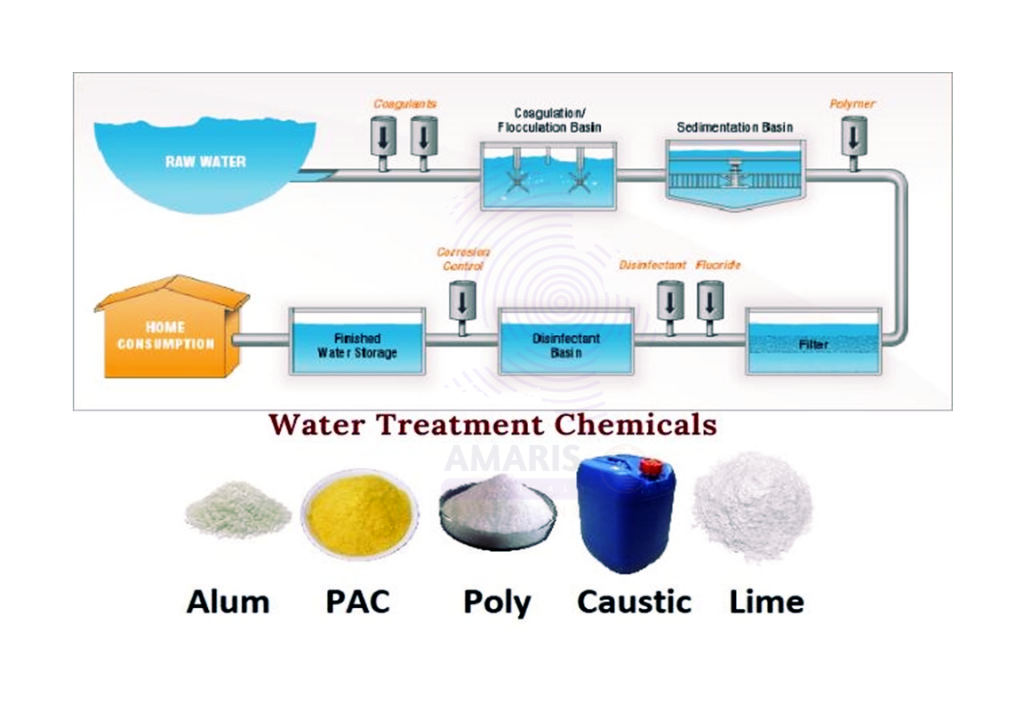
 Flocculants and Coagulants
 Frothers
 Leaching Agents
 pH Modifiers
 Precious Metal Extraction Agents
 Antioxidants(plastic)
 Colorants (Pigments, Dyes)
 Fillers and Reinforcements
 Flame Retardants
 Monomers
 Plasticizers
 Polymerization Initiators
 Stabilizers (UV, Heat)
 Antifoaming Agents
 Chelating Agents
 Coagulants and Flocculants
 Corrosion Inhibitors
 Disinfectants and Biocides
 Oxidizing Agents
 pH Adjusters
 Scale Inhibitors( water)
 Antioxidants(cosmetic)
 Emollients
 Oils
Oils Carrier Oills
 Essential Oils
 Humectants
 Preservatives
 Surfactants(cosmetic)
 Thickeners
 UV Filters
 Fragrance (Cosmetics)
 Fertilizers
 Soil Conditioners
 Plant Growth Regulators
 Animal Feed Additives
 Biostimulants
 Pesticides (Herbicides, Insecticides, Fungicides)
 Active Pharmaceutical Ingredients (APIs)
 Excipients
 Solvents(pharmaceutical)
 Antibiotics
 Antiseptics and Disinfectants
 Vaccine Adjuvants
 Nutraceutical Ingredients (pharmaceutical)
 Analgesics & Antipyretics
 Analytical Reagents
 Solvents(lab)
 Chromatography Chemicals
 Spectroscopy Reagents
 microbiology-and-cell-culture-reagents
 Molecular Biology Reagents
 Biochemical Reagents
 Inorganic and Organic Standards
 Laboratory Safety Chemicals
 Specialty Laboratory Chemicals(Special Laboratory Equipment)
 Demulsifiers
 Hydraulic Fracturing Fluids
 Scale Inhibitors(oil)
 Surfactants(oil)
 Drilling Fluids
 Dyes and Pigments
 Bleaching Agents
 Softening Agents
 Finishing Agents
 Antistatic Agents
 Admixtures
 Waterproofing Agents
 Sealants and Adhesives
 Curing Compounds
 Concrete Repair Chemicals
 Anti-Corrosion Coatings
 Surfactants(cleaning)
 Builders
 Enzymes
 Solvents (Cleaning)
 Electronic Chemicals
 Catalysts
 Lubricants
 Photographic Chemicals
 Refrigerants
 Automotive chemicals
 Pyrotechnic Chemicals
 Biodegradable Surfactants
 Bio-based Solvents
 Renewable Polymers
 Carbon Capture Chemicals
 Wastewater Treatment Chemicals
 Pigments
 Solvents(paint)
 Specialty Coatings
 Binders/Resins
 Additives
 Driers
 Anti-Corrosion Agents
 Functional Coatings
 Application-Specific Coatings
 Leavening Agents
 Dough Conditioners
 Flour Treatments
 Fat Replacers
 Decoratives
 Preservatives(baking)
 Plasticizers & Softeners
 Reinforcing Agents
 Adhesion Promoters
 Vulcanizing Agents
 Antidegradants
 Blowing Agents
 Fillers & Extenders
 Accelerators & Retarders
Kenya’s Soda Ash Industry: Why Magadi Matters to the Future of Local Chemical Manufacturing 🇰🇪🧪

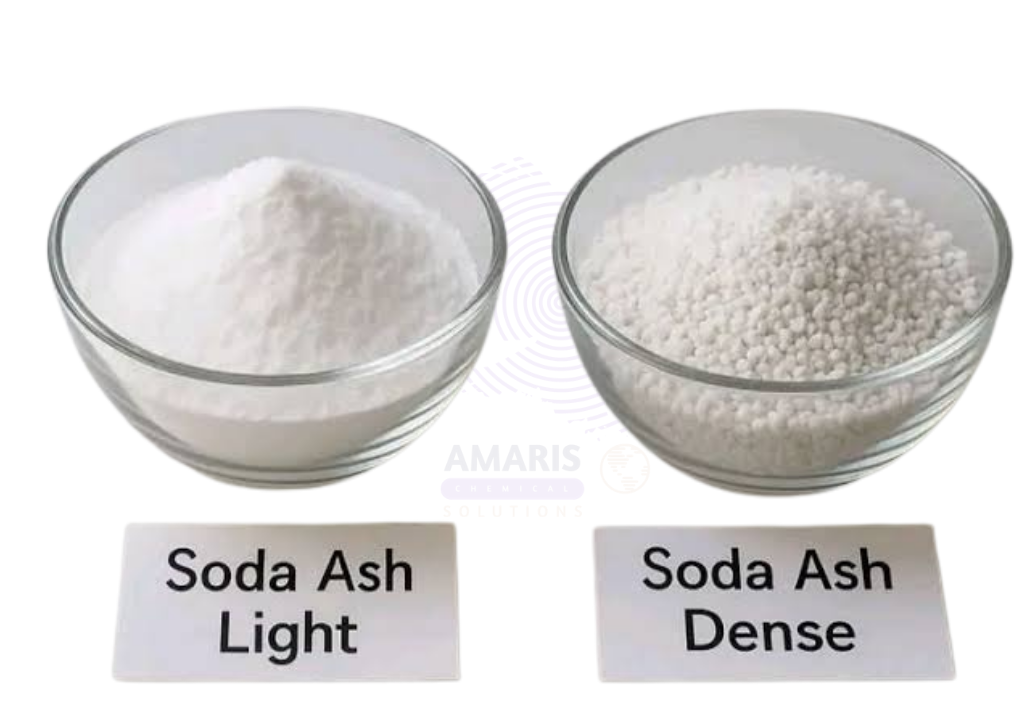
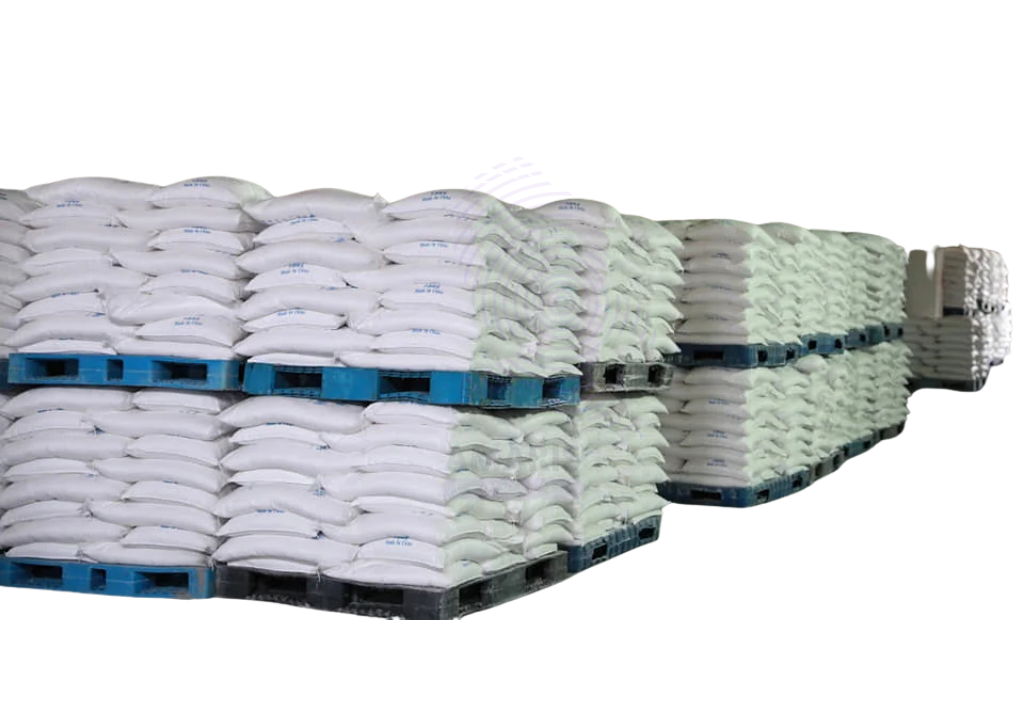
Kenya’s chemical industry is closely connected to the country’s natural resources, manufacturing ambitions, and growing demand for industrial raw materials. Among the resources that have played an important role in this story is soda ash, a versatile chemical used in industries ranging from glass manufacturing to detergents and water treatment.
At the heart of Kenya’s soda ash industry is Magadi, an area that has become closely associated with the extraction and processing of this important mineral resource. But why does Magadi matter beyond soda ash? The answer lies in the bigger question of how Kenya can transform its natural resources into greater local manufacturing and industrial value. 🏭
What Makes Soda Ash So Important?
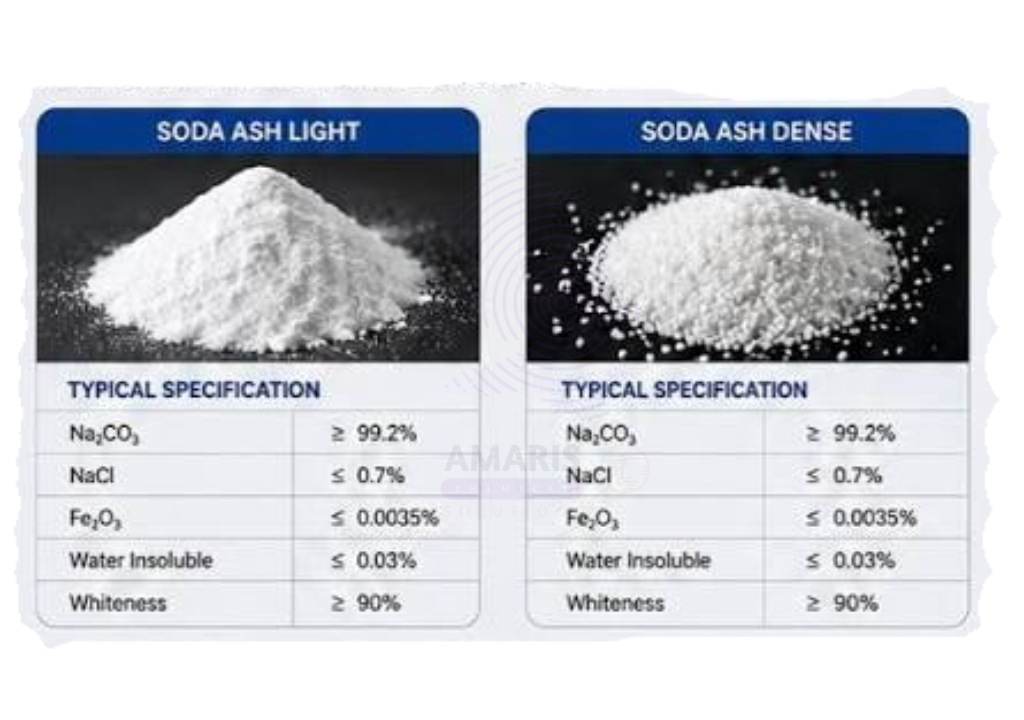
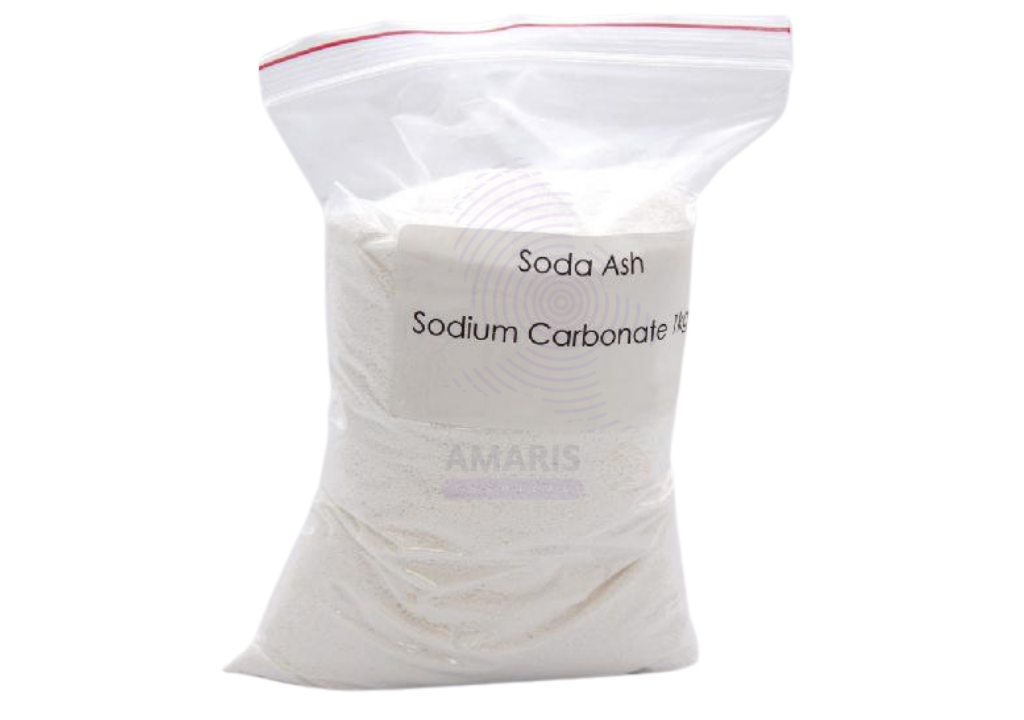
Soda ash, also known as sodium carbonate, is an important industrial chemical with applications across numerous sectors. One of its largest uses globally is in glass manufacturing, where it helps lower the melting temperature of silica and makes the manufacturing process more efficient.
It is also used in detergents, chemicals, pulp and paper, water treatment, and several other industrial processes. This broad range of applications makes soda ash more than just another chemical—it is an important raw material within modern manufacturing.
For Kenya, having a locally available source creates opportunities to connect mineral extraction with downstream industries.
Why Magadi Matters 🇰🇪
Magadi has long been significant to Kenya’s soda ash production because of its naturally occurring deposits. Its importance, however, extends beyond the resource itself.
The bigger opportunity is value addition. Instead of focusing primarily on extracting and exporting raw or processed materials, countries can create greater economic value by developing industries that use those materials to manufacture finished or higher-value products.
For example, soda ash can support industries such as glass manufacturing. Developing stronger connections between raw-material suppliers and local manufacturers could potentially create opportunities across processing, packaging, logistics, equipment supply, and related industrial services.
This is the kind of industrial ecosystem that can strengthen local manufacturing and reduce dependence on imported finished products.
From Natural Resources to Local Manufacturing
Kenya has significant potential to develop manufacturing industries around its available raw materials. However, having a resource is only the first step.
Investment in infrastructure, technology, skills, energy, logistics, research, and reliable supply chains is equally important. 🏗️
A stronger downstream chemical industry could allow locally available materials to move through more stages of production within Kenya. This can create opportunities for manufacturers while supporting employment, technical skills development, and industrial innovation.
The lesson from Magadi is therefore broader than soda ash: natural resources can become powerful drivers of industrialization when they are connected to value-added manufacturing.
What Could This Mean for Kenya’s Chemical Industry?
Developments surrounding Kenya’s soda ash sector highlight the importance of building resilient domestic chemical supply chains.
For chemical distributors, manufacturers, laboratories, and other industrial users, stronger local production can potentially improve access to important raw materials while creating opportunities for new businesses and manufacturing activities.
At the same time, responsible resource management remains essential. Sustainable extraction, environmental protection, efficient processing, and compliance with appropriate standards must remain part of the conversation as Kenya develops its chemical and manufacturing sectors. 🌱
Looking Beyond Soda Ash
Magadi demonstrates how one mineral resource can form part of a much larger industrial story. Kenya’s future chemical industry will depend not only on what the country can extract, but also on what it can process, manufacture, innovate, and supply locally.
Soda ash may be one piece of the puzzle, but its story raises an important question for Kenya: how can the country turn its natural resources into stronger domestic industries and greater value for the economy?
With the right investment, partnerships, technology, and focus on value addition, Kenya’s chemical sector has an opportunity to move further along the journey from resource extraction to industrial transformation. 🧪🇰🇪