Preservatives(food)
 Flavors
 Acidulants
 Sweeteners
 Antioxidants
 Colorants(food)
 Nutraceutical Ingredients (food)
 Nutrient Supplements
 Emulsifiers
 Collectors
 Dust Suppressants
 Explosives and Blasting Agents
 Flocculants and Coagulants
 Frothers
 Leaching Agents
 pH Modifiers
 Precious Metal Extraction Agents
 Antioxidants(plastic)
 Colorants (Pigments, Dyes)
 Fillers and Reinforcements
 Flame Retardants
 Monomers
 Plasticizers
 Polymerization Initiators
 Stabilizers (UV, Heat)
 Antifoaming Agents
 Chelating Agents
 Coagulants and Flocculants
 Corrosion Inhibitors
 Disinfectants and Biocides
 Oxidizing Agents
 pH Adjusters
 Scale Inhibitors( water)
 Antioxidants(cosmetic)
 Emollients
 Oils
Oils Carrier Oills
 Essential Oils
 Humectants
 Preservatives
 Surfactants(cosmetic)
 Thickeners
 UV Filters
 Fragrance (Cosmetics)
 Fertilizers
 Soil Conditioners
 Plant Growth Regulators
 Animal Feed Additives
 Biostimulants
 Pesticides (Herbicides, Insecticides, Fungicides)
 Active Pharmaceutical Ingredients (APIs)
 Excipients
 Solvents(pharmaceutical)
 Antibiotics
 Antiseptics and Disinfectants
 Vaccine Adjuvants
 Nutraceutical Ingredients (pharmaceutical)
 Analgesics & Antipyretics
 Analytical Reagents
 Solvents(lab)
 Chromatography Chemicals
 Spectroscopy Reagents
 microbiology-and-cell-culture-reagents
 Molecular Biology Reagents
 Biochemical Reagents
 Inorganic and Organic Standards
 Laboratory Safety Chemicals
 Specialty Laboratory Chemicals(Special Laboratory Equipment)
 Demulsifiers
 Hydraulic Fracturing Fluids
 Scale Inhibitors(oil)
 Surfactants(oil)
 Drilling Fluids
 Dyes and Pigments
 Bleaching Agents
 Softening Agents
 Finishing Agents
 Antistatic Agents
 Admixtures
 Waterproofing Agents
 Sealants and Adhesives
 Curing Compounds
 Concrete Repair Chemicals
 Anti-Corrosion Coatings
 Surfactants(cleaning)
 Builders
 Enzymes
 Solvents (Cleaning)
 Electronic Chemicals
 Catalysts
 Lubricants
 Photographic Chemicals
 Refrigerants
 Automotive chemicals
 Pyrotechnic Chemicals
 Biodegradable Surfactants
 Bio-based Solvents
 Renewable Polymers
 Carbon Capture Chemicals
 Wastewater Treatment Chemicals
 Pigments
 Solvents(paint)
 Specialty Coatings
 Binders/Resins
 Additives
 Driers
 Anti-Corrosion Agents
 Functional Coatings
 Application-Specific Coatings
 Leavening Agents
 Dough Conditioners
 Flour Treatments
 Fat Replacers
 Decoratives
 Preservatives(baking)
 Plasticizers & Softeners
 Reinforcing Agents
 Adhesion Promoters
 Vulcanizing Agents
 Antidegradants
 Blowing Agents
 Fillers & Extenders
 Accelerators & Retarders
Bulb vs Graduated Pipettes: What’s the Difference and When Should You Use Each? 🔬💧


In every laboratory, accurate liquid measurement is essential. Whether preparing solutions, conducting experiments, testing samples, or performing quality control, even a small difference in liquid volume can affect the reliability of results. This is why pipettes remain some of the most important pieces of laboratory equipment. 🧪
Among the different types available, bulb pipettes and graduated pipettes are commonly used for measuring and transferring liquids. Although they may look similar, they are designed for different purposes. Understanding how they differ can help laboratory users select the right pipette for each application.
What Is a Pipette?
A pipette is a laboratory instrument used to measure and transfer a specific amount of liquid from one container to another. Pipettes are widely used in chemistry, biology, pharmaceutical laboratories, food testing, environmental analysis, education, and industrial quality control.
Different pipettes are designed with different measurement systems. Some are intended for a single precise volume, while others allow users to measure several different volumes. This is the main difference between bulb and graduated pipettes.
What Is a Bulb Pipette? 💧
A bulb pipette, commonly known as a volumetric pipette, is designed to measure and deliver one specific volume of liquid with a high level of accuracy.
Its most recognizable feature is the bulb-shaped section in the middle, with a narrow stem extending from it. Instead of having multiple measurement markings, a volumetric pipette normally has one calibration mark indicating its intended volume.
This makes bulb pipettes particularly useful when a laboratory procedure requires a precise, fixed volume. They are often used in analytical work and solution preparation where maintaining the correct concentration is important.
For example, when a procedure consistently requires the same measured volume, a volumetric pipette can provide a reliable way of achieving that measurement. 🎯


What Is a Graduated Pipette?
A graduated pipette has multiple markings along its length. These graduations allow users to measure and transfer different volumes using the same pipette.
This makes graduated pipettes more flexible than volumetric pipettes. Instead of being limited to one specific volume, users can work with different quantities within the pipette’s calibrated range.
Graduated pipettes are commonly used in routine laboratory procedures, educational laboratories, sample preparation, and applications where flexibility is more important than achieving the highest possible volumetric accuracy.
Bulb vs Graduated Pipettes: What’s the Difference?
The easiest way to remember the difference is fixed volume versus variable volume.
A bulb or volumetric pipette is designed for one specific volume, making it suitable when accuracy and consistency are priorities. A graduated pipette provides multiple volume measurements, making it more suitable when different quantities of liquid are required.
Neither type is automatically better than the other. The best choice depends on the laboratory procedure, required volume, desired accuracy, and equipment specifications.
When Should You Use Each? 🔬
Choose a bulb pipette when your application requires a specific volume and high accuracy. They are especially useful in analytical procedures and situations where consistent solution concentrations are important.
Choose a graduated pipette when you need greater flexibility and may have to measure different liquid volumes. They can be particularly convenient for routine laboratory work and educational experiments.
Laboratories that perform a variety of activities may find it useful to have both types available, allowing users to select the most appropriate instrument for each task.
Accuracy and Safety Matter
Selecting the right pipette is only one part of obtaining reliable laboratory results. Proper handling, suitable equipment, cleanliness, and calibration are also important.
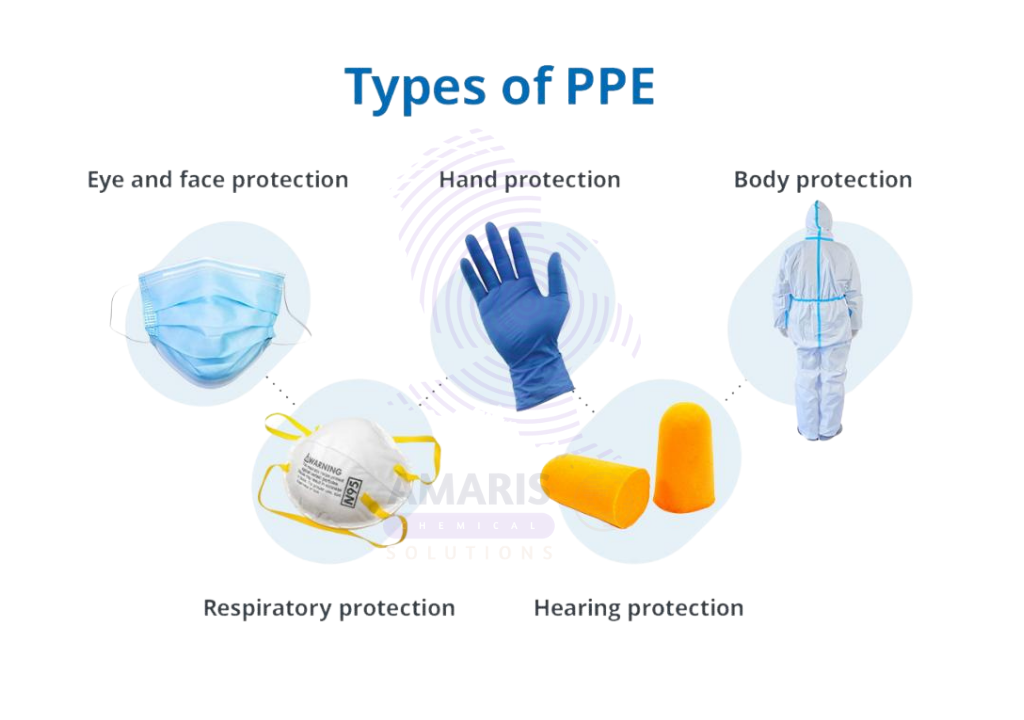
Pipettes should always be used with appropriate laboratory procedures. Mouth pipetting should never be practiced; suitable mechanical pipetting aids should be used instead. When handling chemicals or biological samples, appropriate protective equipment and safety procedures should also be followed. 🥽
Every Drop Counts! 💧
Bulb and graduated pipettes may perform similar basic functions, but their designs serve different measurement needs. A bulb pipette is ideal for accurate fixed-volume measurements, while a graduated pipette offers greater flexibility for measuring different volumes.
Understanding this difference helps students, technicians, researchers, and laboratory professionals choose the appropriate equipment for their work. With the right pipette and good laboratory practices, liquid measurement becomes more consistent, reliable, and efficient.
After all, in laboratory science, every drop counts! 🧪🔬