Preservatives(food)
 Flavors
 Acidulants
 Sweeteners
 Antioxidants
 Colorants(food)
 Nutraceutical Ingredients (food)
 Nutrient Supplements
 Emulsifiers
 Collectors
 Dust Suppressants
 Explosives and Blasting Agents
 Flocculants and Coagulants
 Frothers
 Leaching Agents
 pH Modifiers
 Precious Metal Extraction Agents
 Antioxidants(plastic)
 Colorants (Pigments, Dyes)
 Fillers and Reinforcements
 Flame Retardants
 Monomers
 Plasticizers
 Polymerization Initiators
 Stabilizers (UV, Heat)
 Antifoaming Agents
 Chelating Agents
 Coagulants and Flocculants
 Corrosion Inhibitors
 Disinfectants and Biocides
 Oxidizing Agents
 pH Adjusters
 Scale Inhibitors( water)
 Antioxidants(cosmetic)
 Emollients
 Oils
Oils Carrier Oills
 Essential Oils
 Humectants
 Preservatives
 Surfactants(cosmetic)
 Thickeners
 UV Filters
 Fragrance (Cosmetics)
 Fertilizers
 Soil Conditioners
 Plant Growth Regulators
 Animal Feed Additives
 Biostimulants
 Pesticides (Herbicides, Insecticides, Fungicides)
 Active Pharmaceutical Ingredients (APIs)
 Excipients
 Solvents(pharmaceutical)
 Antibiotics
 Antiseptics and Disinfectants
 Vaccine Adjuvants
 Nutraceutical Ingredients (pharmaceutical)
 Analgesics & Antipyretics
 Analytical Reagents
 Solvents(lab)
 Chromatography Chemicals
 Spectroscopy Reagents
 microbiology-and-cell-culture-reagents
 Molecular Biology Reagents
 Biochemical Reagents
 Inorganic and Organic Standards
 Laboratory Safety Chemicals
 Specialty Laboratory Chemicals(Special Laboratory Equipment)
 Demulsifiers
 Hydraulic Fracturing Fluids
 Scale Inhibitors(oil)
 Surfactants(oil)
 Drilling Fluids
 Dyes and Pigments
 Bleaching Agents
 Softening Agents
 Finishing Agents
 Antistatic Agents
 Admixtures
 Waterproofing Agents
 Sealants and Adhesives
 Curing Compounds
 Concrete Repair Chemicals
 Anti-Corrosion Coatings
 Surfactants(cleaning)
 Builders
 Enzymes
 Solvents (Cleaning)
 Electronic Chemicals
 Catalysts
 Lubricants
 Photographic Chemicals
 Refrigerants
 Automotive chemicals
 Pyrotechnic Chemicals
 Biodegradable Surfactants
 Bio-based Solvents
 Renewable Polymers
 Carbon Capture Chemicals
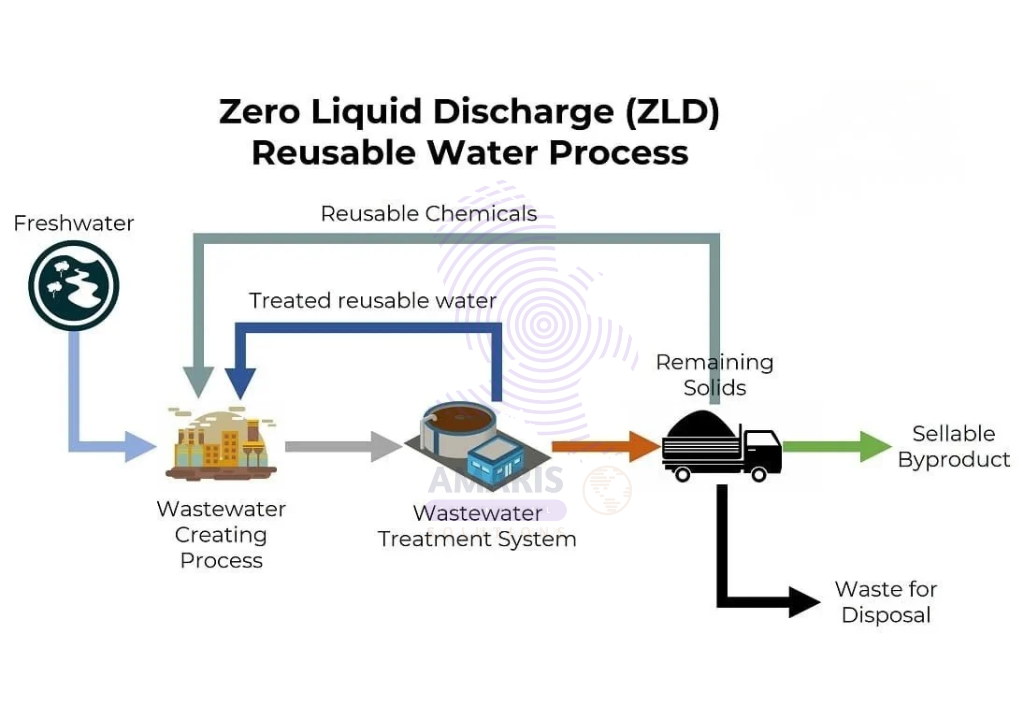
 Wastewater Treatment Chemicals
 Pigments
 Solvents(paint)
 Specialty Coatings
 Binders/Resins
 Additives
 Driers
 Anti-Corrosion Agents
 Functional Coatings
 Application-Specific Coatings
 Leavening Agents
 Dough Conditioners
 Flour Treatments
 Fat Replacers
 Decoratives
 Preservatives(baking)
 Plasticizers & Softeners
 Reinforcing Agents
 Adhesion Promoters
 Vulcanizing Agents
 Antidegradants
 Blowing Agents
 Fillers & Extenders
 Accelerators & Retarders
🧪⚙️ Laboratory Grade vs Industrial Grade Chemicals: Key Differences Explained 🔬

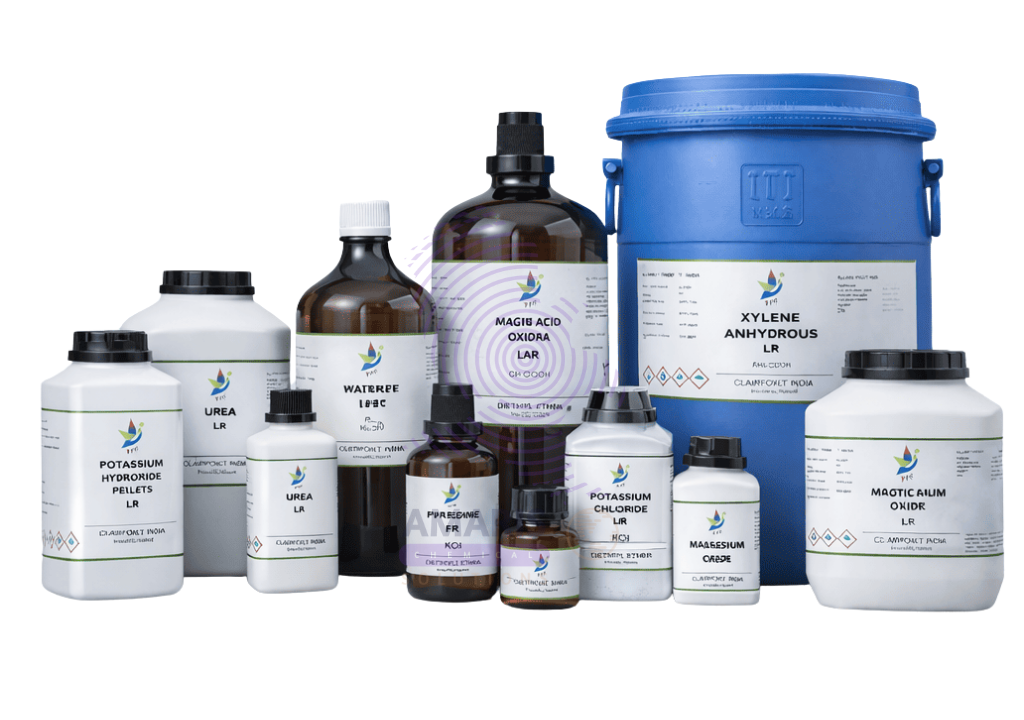
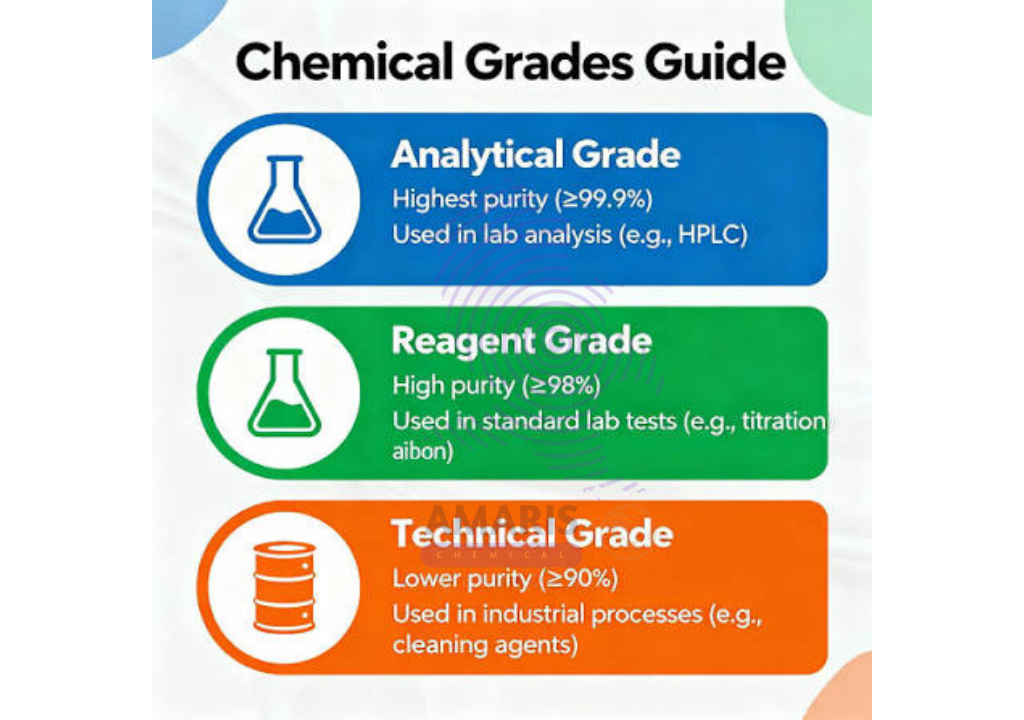
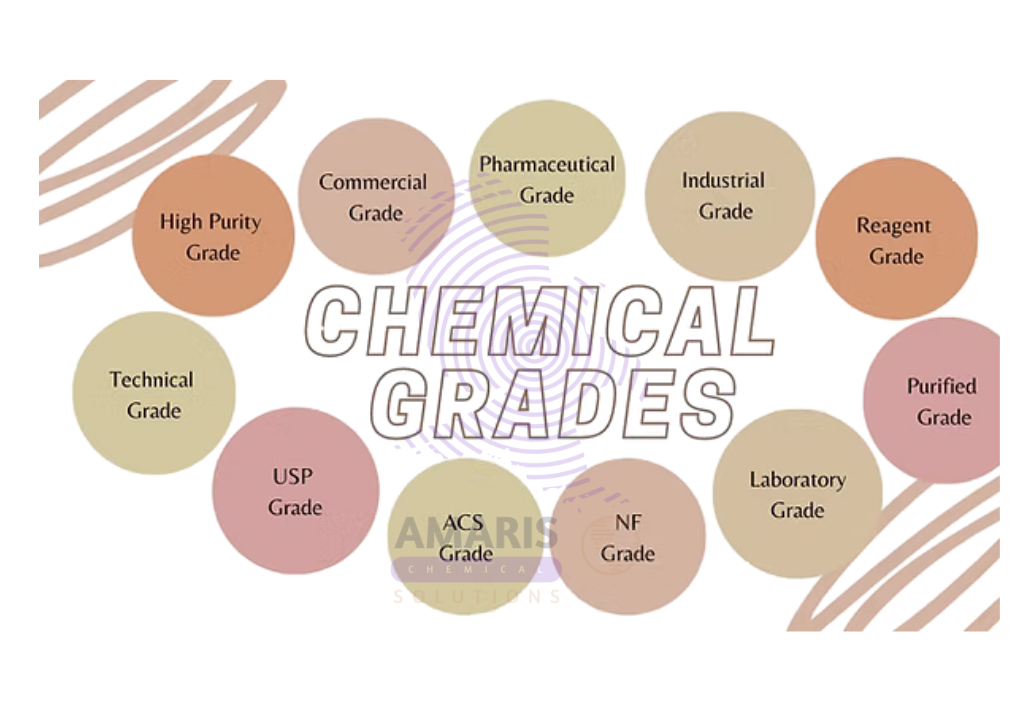
Chemicals are used in virtually every industry, from scientific research and pharmaceuticals to manufacturing, agriculture, and water treatment. However, not all chemicals are produced to the same standard or intended for the same purpose. One of the most common distinctions is between Laboratory Grade and Industrial Grade chemicals. While they may appear similar, these two categories differ significantly in terms of purity, quality control, intended applications, and performance. 🧬📚
Understanding these differences is essential for researchers, manufacturers, educators, and procurement professionals. Choosing the correct chemical grade not only ensures accurate results and product quality but also improves safety, regulatory compliance, and overall operational efficiency. ✅🌍
🔬 What Are Laboratory Grade Chemicals?
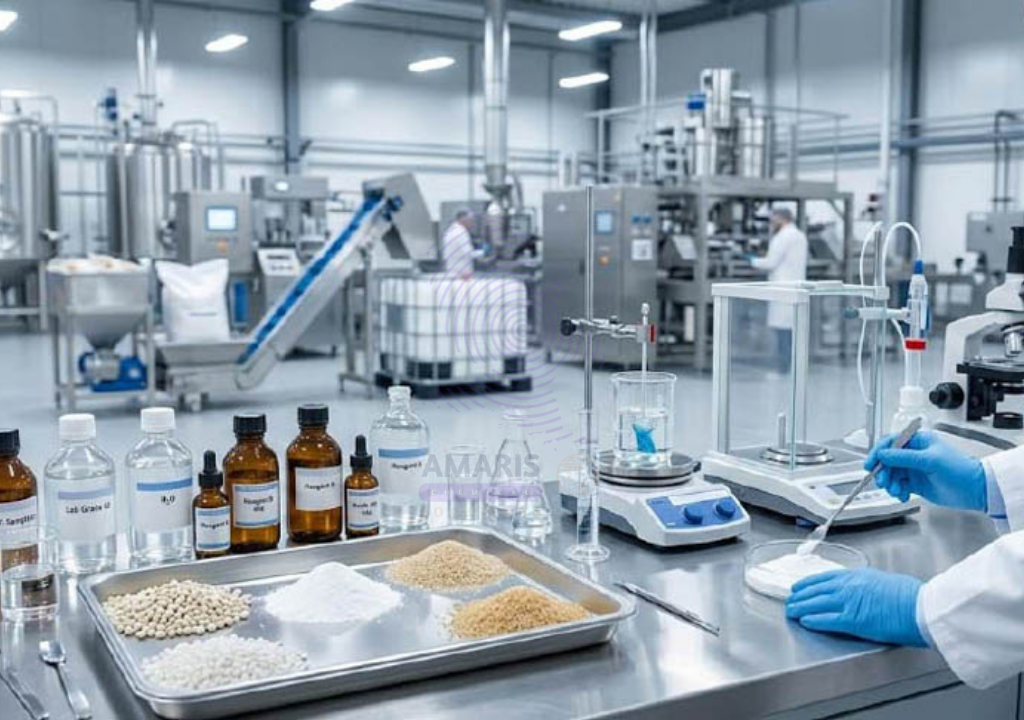
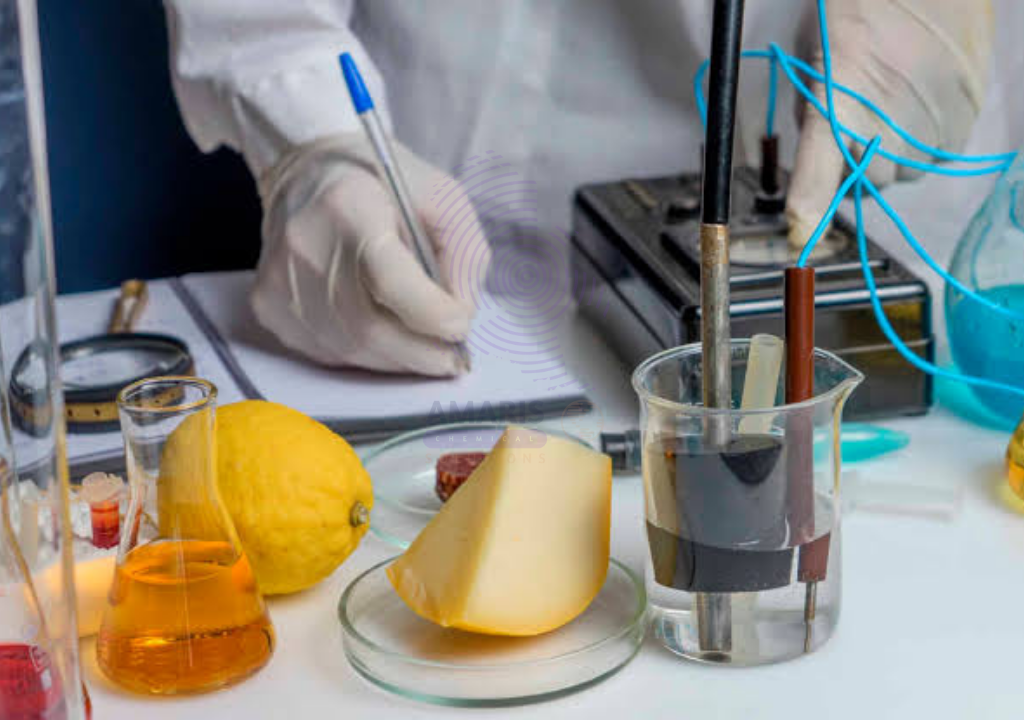
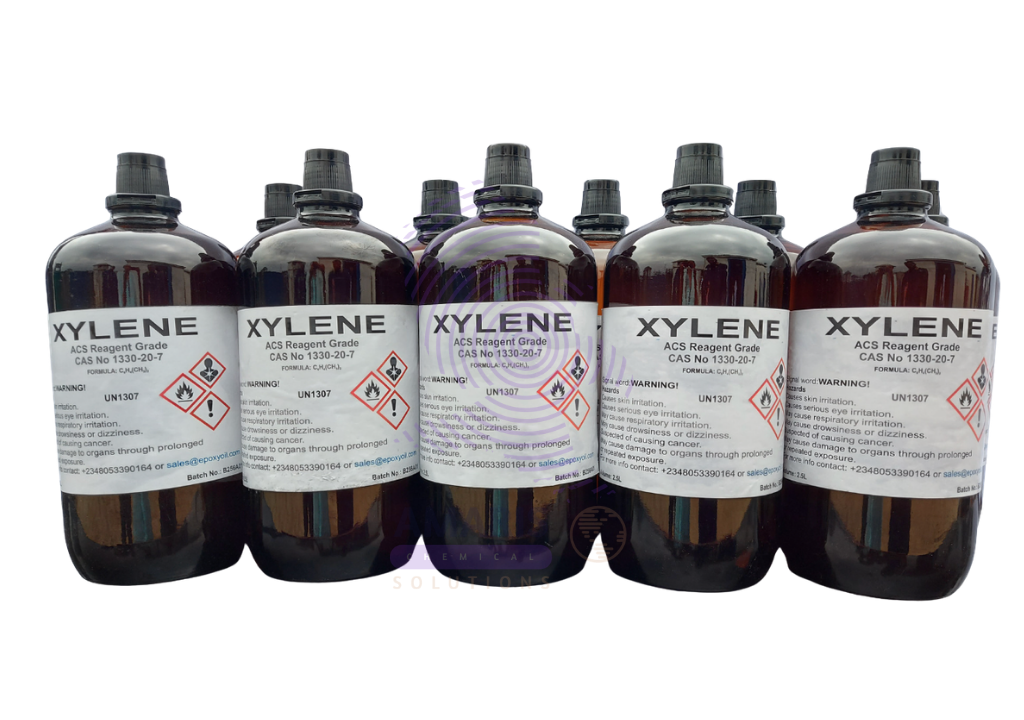
Laboratory Grade chemicals are manufactured to meet high purity standards for use in scientific research, analytical testing, educational laboratories, and quality control procedures. These chemicals are carefully processed to minimize impurities that could interfere with experiments or analytical measurements. 🧪✨
Because laboratory work often involves highly sensitive instruments and precise chemical reactions, consistency is critical. Even trace amounts of contaminants can affect experimental outcomes, which is why laboratory grade chemicals undergo rigorous quality testing before reaching the market.
These chemicals are commonly used in research institutions, universities, pharmaceutical laboratories, hospitals, environmental testing facilities, and industrial quality control laboratories. Applications include chemical analysis, reagent preparation, microbiology, biotechnology, spectroscopy, chromatography, and countless other scientific procedures where accuracy is essential. 🔍📖⚗️
🏭 What Are Industrial Grade Chemicals?
Industrial Grade chemicals are manufactured primarily for large-scale production and manufacturing processes where ultra-high purity is not always required. Their focus is on delivering reliable performance for industrial operations while remaining cost-effective for high-volume applications. ⚙️📦
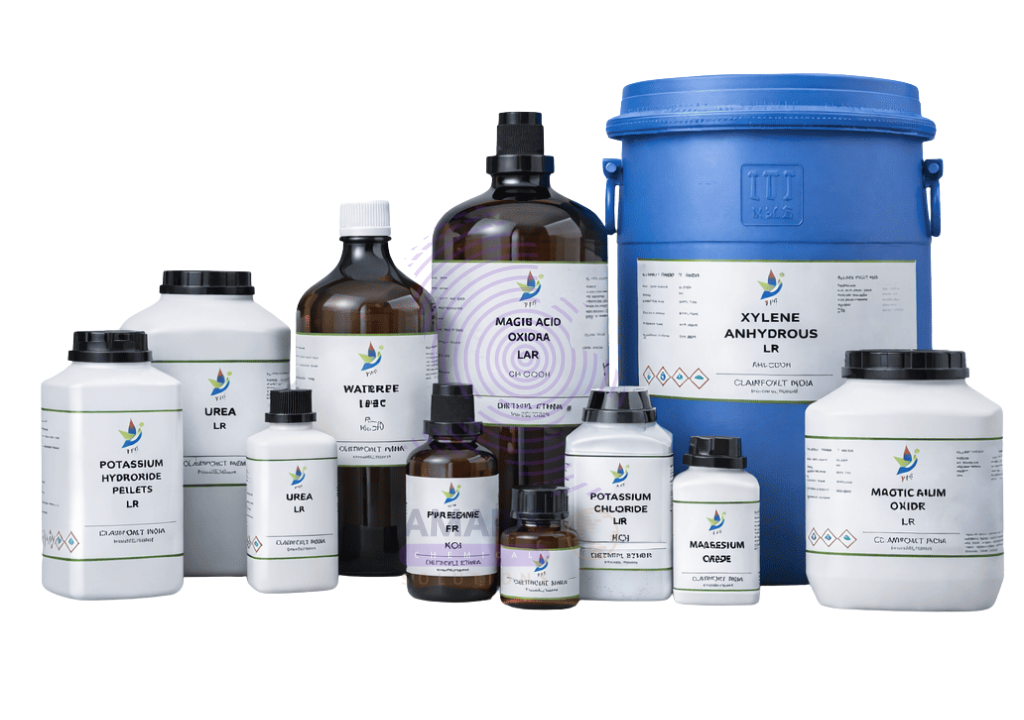
Industrial grade chemicals are widely used in industries such as construction, mining, textiles, water treatment, detergents, paints and coatings, plastics, paper manufacturing, metal processing, and agriculture. These chemicals are formulated to meet the functional requirements of industrial processes rather than the stringent purity standards required in laboratory environments.
Although industrial grade chemicals may contain higher levels of permissible impurities than laboratory grade products, they are still produced according to established manufacturing and safety standards to ensure they perform effectively in their intended applications. 🏗️🚜🌾
⚖️ The Key Differences Between Laboratory Grade and Industrial Grade Chemicals
The most significant difference lies in purity. Laboratory grade chemicals are refined to achieve very high purity levels because analytical testing and scientific research demand exceptional precision. Industrial grade chemicals, on the other hand, are produced to meet performance specifications for manufacturing processes, where minor impurities generally do not affect the final application.
Another major distinction is quality control. Laboratory grade chemicals undergo extensive testing, certification, and batch verification to ensure consistency from one production lot to another. This level of quality assurance is essential for obtaining reproducible scientific results. Industrial grade chemicals are also tested for quality, but the focus is on ensuring consistent industrial performance rather than analytical precision. 📋
The cost of the two grades also differs significantly. Laboratory grade chemicals require additional purification processes, sophisticated quality testing, and strict packaging standards, making them more expensive. Industrial grade chemicals are produced in much larger quantities and are therefore generally more economical, especially for bulk industrial applications. 💰
Their intended use also varies considerably. Laboratory grade chemicals are designed for research, testing, education, and pharmaceutical development, while industrial grade chemicals are intended for manufacturing, processing, cleaning, construction, mining, water treatment, and other large-scale industrial operations. 🏭🧫
🎯 Why Choosing the Correct Grade Matters
Selecting the appropriate chemical grade is crucial because using the wrong grade can lead to inaccurate results, reduced product quality, or unnecessary costs.
For example, a laboratory analyzing drinking water for trace contaminants requires analytical or laboratory grade reagents to ensure precise measurements. Using industrial grade chemicals in such testing could introduce impurities that compromise the results.
Conversely, using laboratory grade chemicals in applications such as wastewater treatment, concrete production, or detergent manufacturing would significantly increase operating costs without providing meaningful performance benefits. Choosing the right grade ensures both technical success and economic efficiency. 💡📈
🌍 Applications Across Different Industries
Laboratory grade chemicals are essential in scientific environments where precision is the highest priority. Pharmaceutical companies rely on them during drug development, environmental laboratories use them for pollution analysis, educational institutions use them for practical teaching, and research centers depend on them for developing new technologies. 🧬
Industrial grade chemicals are the backbone of large-scale production. They are used to manufacture paints and coatings, formulate detergents, produce fertilizers, process minerals, treat industrial water, manufacture plastics and polymers, refine metals, and support numerous other industrial operations that require dependable chemical performance at commercial scale. ⚙️
🛡️ Storage and Handling Considerations
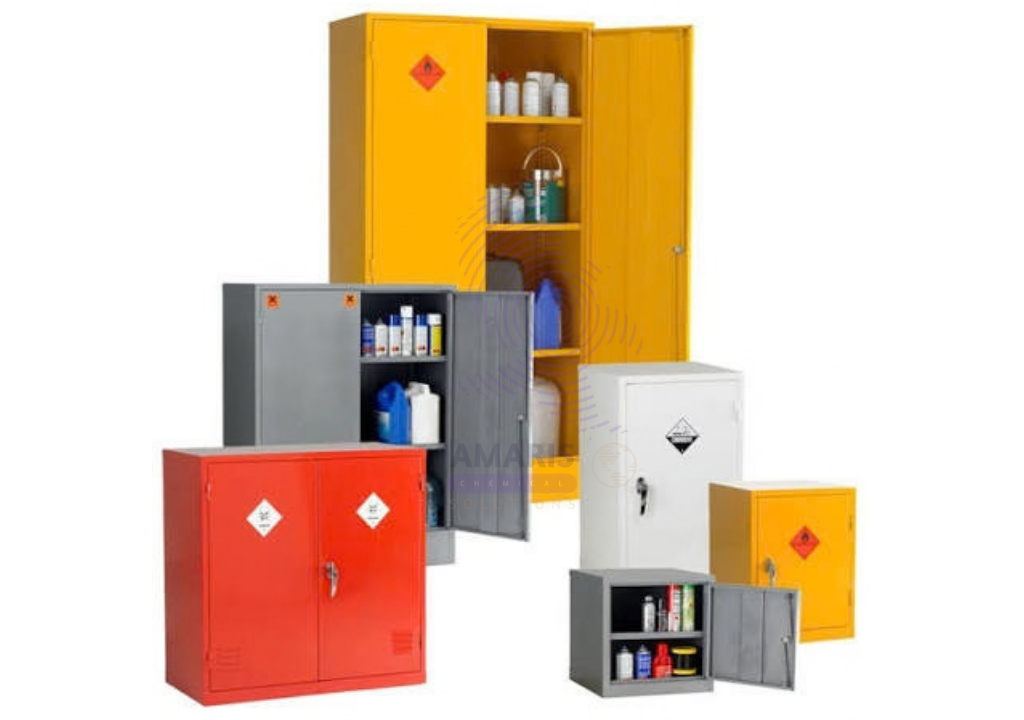
Regardless of grade, chemicals should always be stored and handled according to the manufacturer’s recommendations and applicable safety guidelines. Proper labeling, appropriate personal protective equipment (PPE), and suitable storage conditions help preserve chemical quality while protecting personnel and the environment. 🥽
Laboratory grade chemicals often require stricter storage conditions to maintain their purity, while industrial grade chemicals are generally packaged for durability and bulk handling in manufacturing environments. Following good storage practices helps maximize shelf life and ensures consistent performance throughout the product’s lifecycle.
🚀 The Future of Chemical Grades
As industries become more advanced and quality expectations continue to rise, the distinction between laboratory and industrial grade chemicals is becoming increasingly important. Emerging technologies such as biotechnology, renewable energy, semiconductor manufacturing, and advanced materials science require exceptionally pure chemicals, driving demand for high-performance laboratory grades. At the same time, manufacturers are developing more sustainable and efficient industrial grade chemicals that reduce environmental impact while maintaining productivity. 🌱⚡
The continued evolution of chemical manufacturing is ensuring that both laboratory and industrial grade products meet the growing needs of modern science and industry.
🌟 Final Thoughts
Although laboratory grade and industrial grade chemicals may sometimes share the same chemical composition, they are produced for very different purposes. Laboratory grade chemicals provide the purity and consistency required for accurate scientific research and analytical testing, while industrial grade chemicals deliver reliable, cost-effective performance for large-scale manufacturing and processing.
Understanding these differences helps businesses, researchers, and laboratory professionals make informed purchasing decisions, improve operational efficiency, and maintain the highest standards of quality and safety. By selecting the appropriate chemical grade for each application, organizations can achieve better results, optimize costs, and support innovation across scientific and industrial sectors. 🧪⚙️