Preservatives(food)
 Flavors
 Acidulants
 Sweeteners
 Antioxidants
 Colorants(food)
 Nutraceutical Ingredients (food)
 Nutrient Supplements
 Emulsifiers
 Collectors
 Dust Suppressants
 Explosives and Blasting Agents
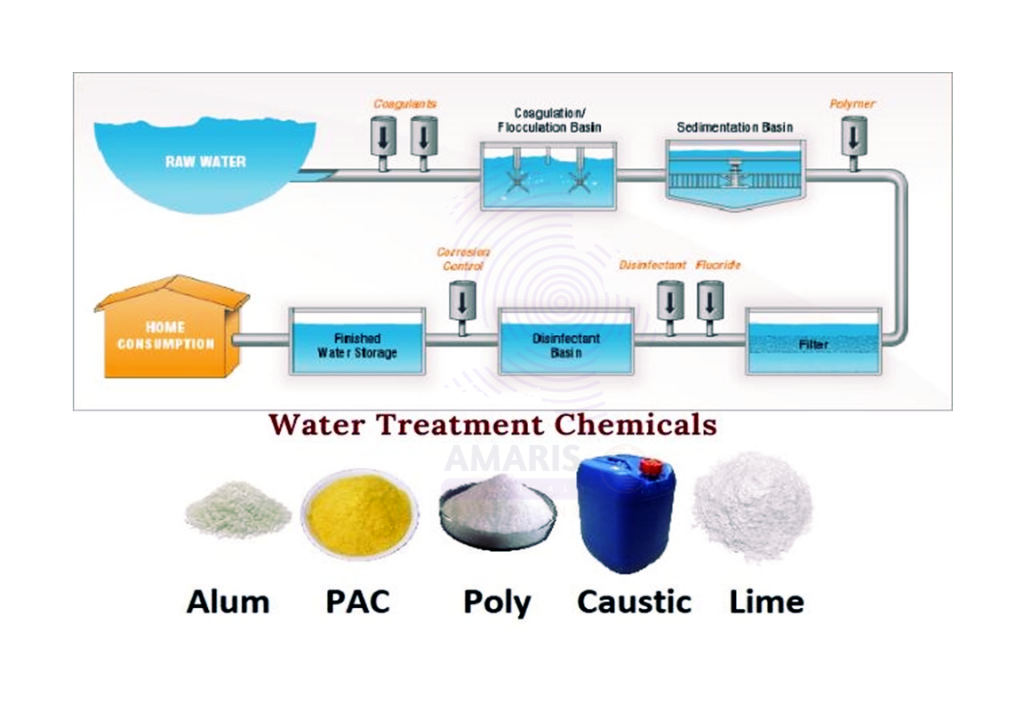
 Flocculants and Coagulants
 Frothers
 Leaching Agents
 pH Modifiers
 Precious Metal Extraction Agents
 Antioxidants(plastic)
 Colorants (Pigments, Dyes)
 Fillers and Reinforcements
 Flame Retardants
 Monomers
 Plasticizers
 Polymerization Initiators
 Stabilizers (UV, Heat)
 Antifoaming Agents
 Chelating Agents
 Coagulants and Flocculants
 Corrosion Inhibitors
 Disinfectants and Biocides
 Oxidizing Agents
 pH Adjusters
 Scale Inhibitors( water)
 Antioxidants(cosmetic)
 Emollients
 Oils
Oils Carrier Oills
 Essential Oils
 Humectants
 Preservatives
 Surfactants(cosmetic)
 Thickeners
 UV Filters
 Fragrance (Cosmetics)
 Fertilizers
 Soil Conditioners
 Plant Growth Regulators
 Animal Feed Additives
 Biostimulants
 Pesticides (Herbicides, Insecticides, Fungicides)
 Active Pharmaceutical Ingredients (APIs)
 Excipients
 Solvents(pharmaceutical)
 Antibiotics
 Antiseptics and Disinfectants
 Vaccine Adjuvants
 Nutraceutical Ingredients (pharmaceutical)
 Analgesics & Antipyretics
 Analytical Reagents
 Solvents(lab)
 Chromatography Chemicals
 Spectroscopy Reagents
 microbiology-and-cell-culture-reagents
 Molecular Biology Reagents
 Biochemical Reagents
 Inorganic and Organic Standards
 Laboratory Safety Chemicals
 Specialty Laboratory Chemicals(Special Laboratory Equipment)
 Demulsifiers
 Hydraulic Fracturing Fluids
 Scale Inhibitors(oil)
 Surfactants(oil)
 Drilling Fluids
 Dyes and Pigments
 Bleaching Agents
 Softening Agents
 Finishing Agents
 Antistatic Agents
 Admixtures
 Waterproofing Agents
 Sealants and Adhesives
 Curing Compounds
 Concrete Repair Chemicals
 Anti-Corrosion Coatings
 Surfactants(cleaning)
 Builders
 Enzymes
 Solvents (Cleaning)
 Electronic Chemicals
 Catalysts
 Lubricants
 Photographic Chemicals
 Refrigerants
 Automotive chemicals
 Pyrotechnic Chemicals
 Biodegradable Surfactants
 Bio-based Solvents
 Renewable Polymers
 Carbon Capture Chemicals
 Wastewater Treatment Chemicals
 Pigments
 Solvents(paint)
 Specialty Coatings
 Binders/Resins
 Additives
 Driers
 Anti-Corrosion Agents
 Functional Coatings
 Application-Specific Coatings
 Leavening Agents
 Dough Conditioners
 Flour Treatments
 Fat Replacers
 Decoratives
 Preservatives(baking)
 Plasticizers & Softeners
 Reinforcing Agents
 Adhesion Promoters
 Vulcanizing Agents
 Antidegradants
 Blowing Agents
 Fillers & Extenders
 Accelerators & Retarders
🧪 A Beginner’s Guide to Handling Laboratory Chemicals Safely 🔬🛡️

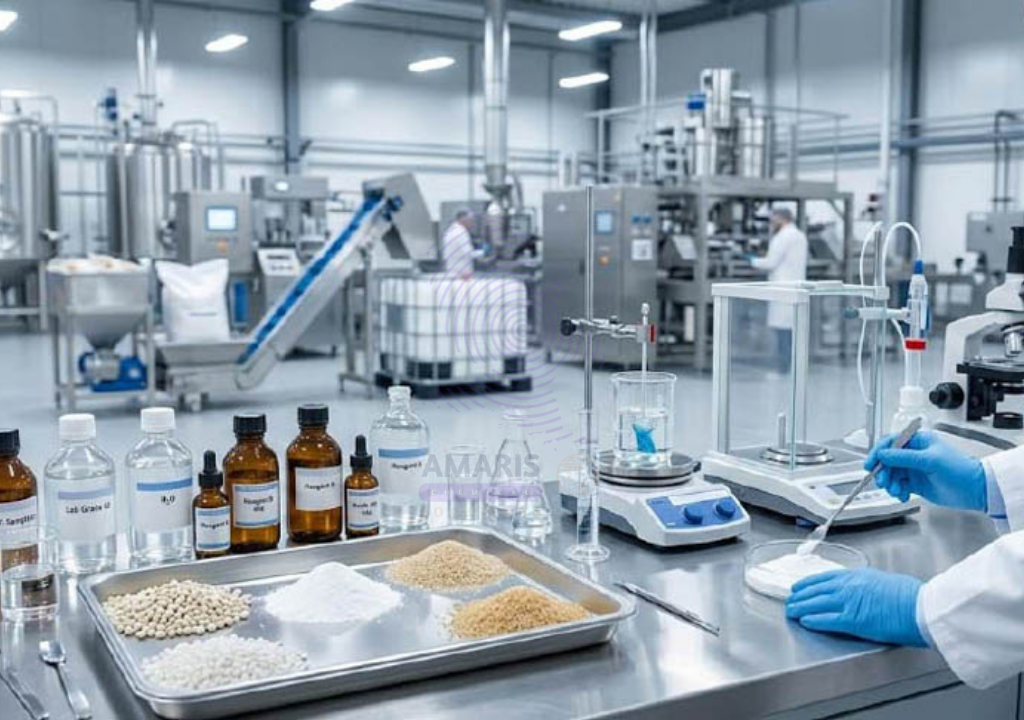
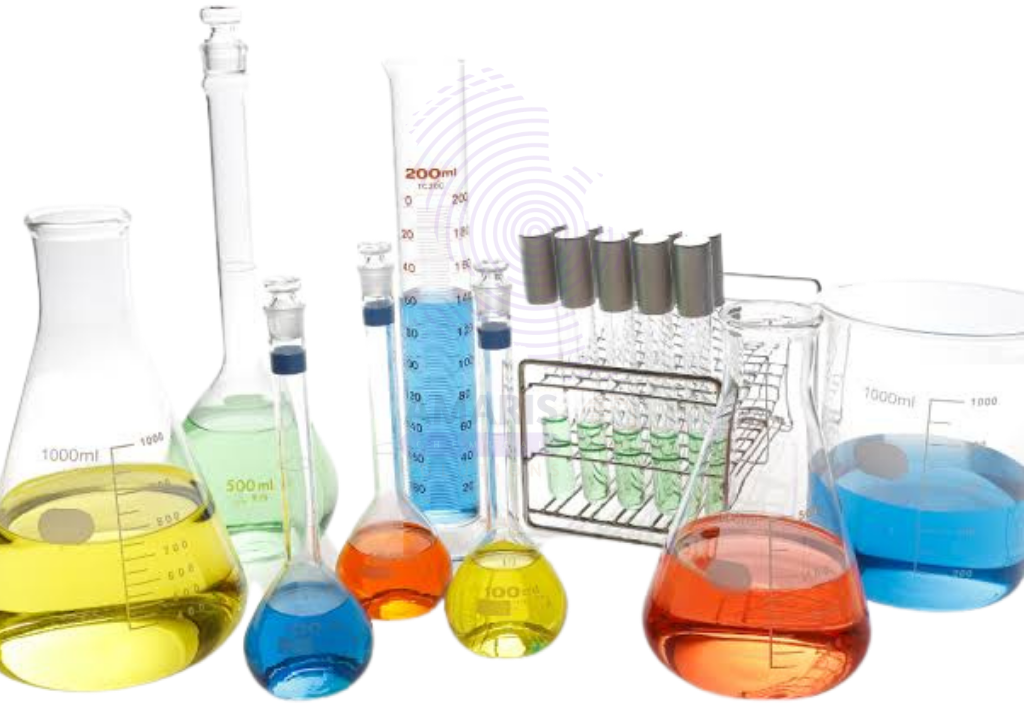
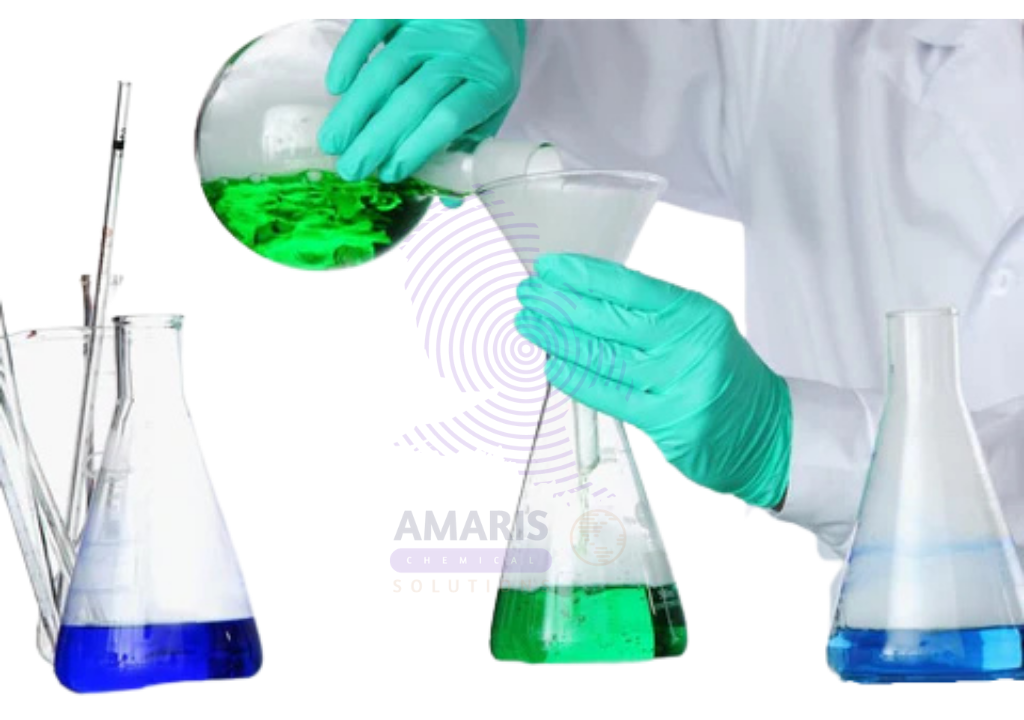
Working with laboratory chemicals is an essential part of scientific research, education, quality control, and industrial testing. Whether you are a student conducting your first experiment, a laboratory technician performing routine analyses, or a researcher developing new products, understanding how to handle chemicals safely is critical. Safe chemical handling not only protects laboratory personnel but also ensures accurate experimental results, preserves the integrity of chemicals, and helps maintain a safe working environment.
The first step in laboratory safety is understanding that every chemical should be treated with care. Even chemicals that appear harmless can pose risks if they are used incorrectly. Before handling any reagent, always read its label and consult the Safety Data Sheet (SDS), which provides important information about the chemical’s hazards, storage requirements, first-aid measures, and recommended handling procedures. Taking a few minutes to familiarize yourself with this information can significantly reduce the risk of accidents.
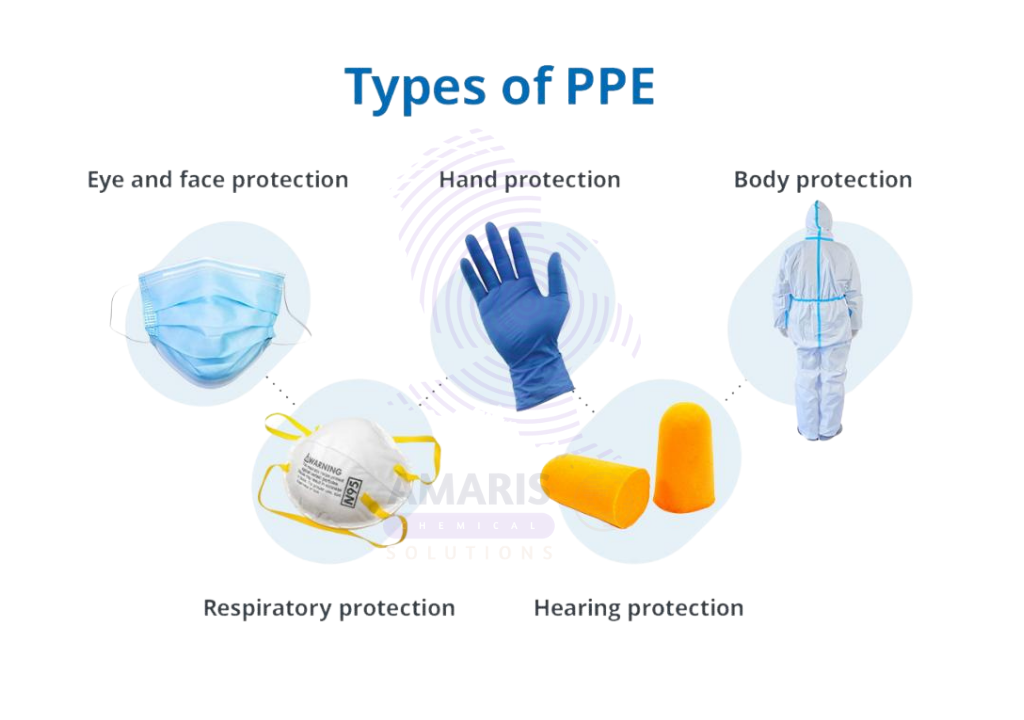
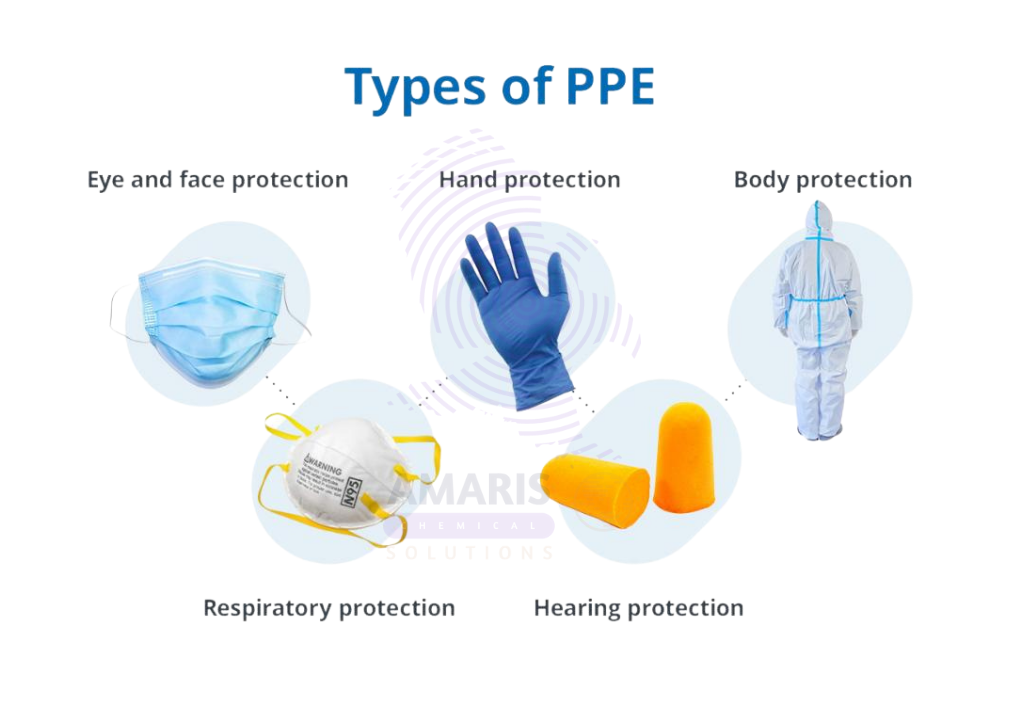
Wearing the appropriate Personal Protective Equipment (PPE) is another fundamental aspect of laboratory safety. Safety goggles help protect the eyes from chemical splashes, while chemical-resistant gloves prevent direct skin contact. A laboratory coat shields clothing and skin from spills, and closed-toe footwear provides additional protection against accidental drops or splashes. Depending on the chemicals being used, face shields or respiratory protection may also be required. 🥽🧤👩🔬
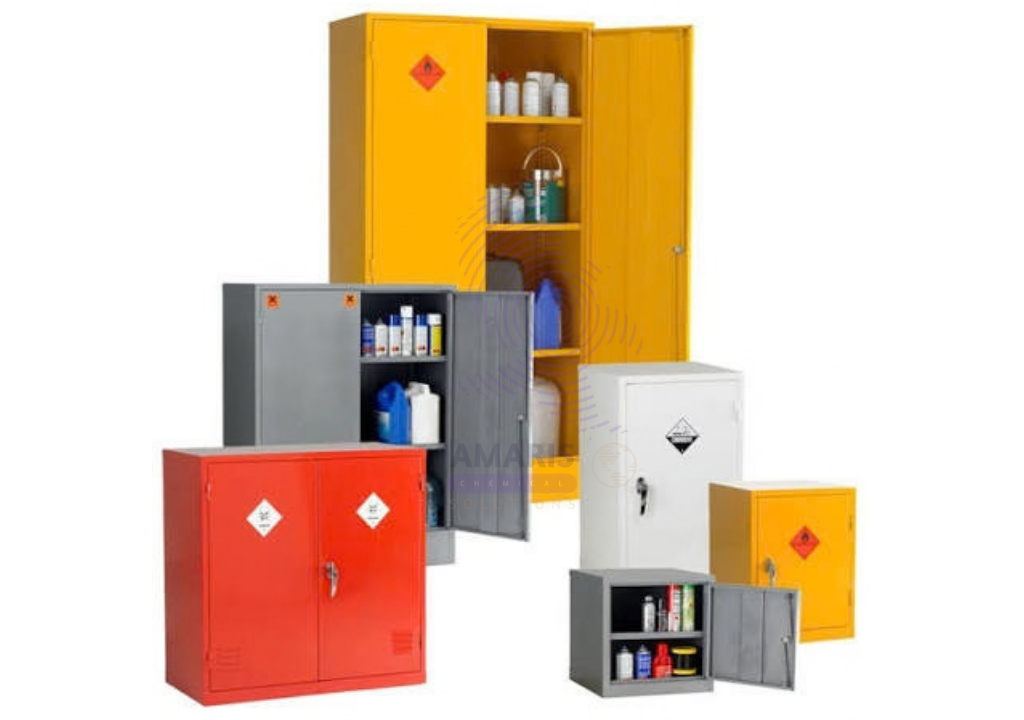
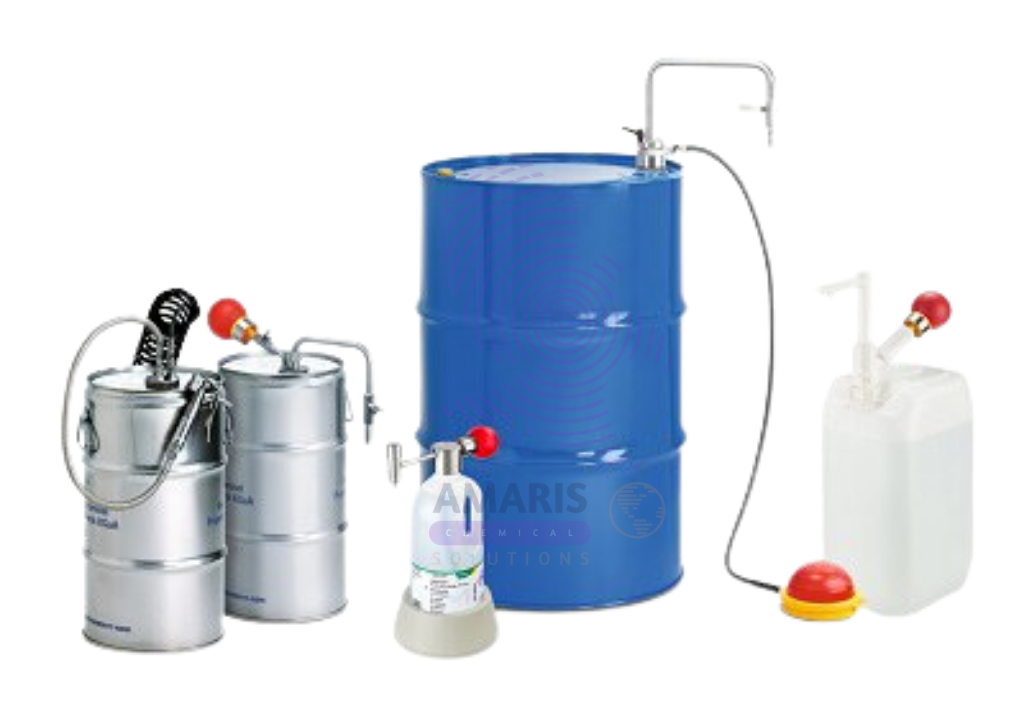
Proper storage of laboratory chemicals is equally important. Chemicals should always be stored according to the manufacturer’s recommendations and separated based on their compatibility. For example, acids should not be stored together with bases, and oxidizing agents should be kept away from flammable materials. Containers should remain tightly sealed when not in use and clearly labeled to prevent confusion. Maintaining a clean and organized storage area helps minimize the risk of accidental mixing or contamination.
Maintaining good laboratory practices is essential for both safety and accuracy. Avoid eating, drinking, or storing food in laboratory areas, as this can increase the risk of accidental contamination. Always use clean equipment, measure chemicals carefully, and never return unused chemicals to their original containers unless specifically instructed to do so. This simple practice helps preserve the purity of reagents and prevents cross-contamination that could affect future experiments.
Ventilation is another key consideration when working with laboratory chemicals. Certain chemicals release vapors or fumes that may be harmful if inhaled. When handling volatile substances, work inside a properly functioning fume hood or ensure the laboratory has adequate ventilation. Good airflow helps reduce exposure to potentially hazardous vapors while creating a safer working environment for everyone in the laboratory. 🌬️⚗️
Knowing how to respond to spills and emergencies is just as important as preventing them. Every laboratory should have spill kits, fire extinguishers, eyewash stations, and safety showers that are easily accessible. If a chemical spill occurs, it should be handled according to established laboratory procedures using the appropriate cleanup materials. Laboratory personnel should also be familiar with emergency exits and know who to contact in case of an accident or exposure.
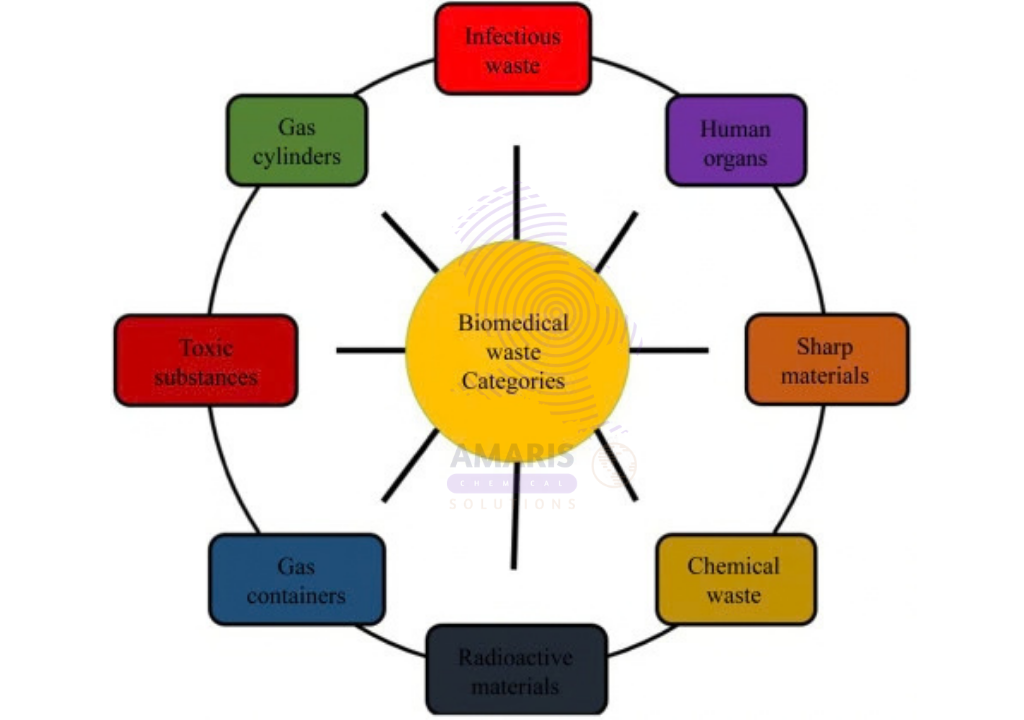
Proper disposal of laboratory chemicals is another critical aspect of safety. Chemicals should never be poured down sinks or discarded with regular waste unless approved by local regulations and laboratory procedures. Instead, they should be collected and disposed of according to environmental and safety guidelines. Responsible chemical disposal helps protect both people and the environment while ensuring compliance with regulatory requirements. ♻️🌍
Continuous training and awareness are essential for maintaining a strong laboratory safety culture. Laboratory personnel should receive regular training on chemical handling procedures, equipment operation, and emergency response. Staying updated on safety practices not only reduces workplace risks but also builds confidence when working with a wide variety of laboratory chemicals.
In conclusion, safe handling of laboratory chemicals begins with knowledge, preparation, and good laboratory practices. By understanding chemical hazards, wearing appropriate protective equipment, following proper storage procedures, maintaining clean workspaces, and disposing of chemicals responsibly, both beginners and experienced professionals can work safely and effectively. Developing these habits from the very beginning creates a safer laboratory environment, protects valuable research, and supports accurate scientific results. As science continues to advance, laboratory safety will remain one of the most important foundations of successful research and innovation. 🧪🔬✨