Preservatives(food)
 Flavors
 Acidulants
 Sweeteners
 Antioxidants
 Colorants(food)
 Nutraceutical Ingredients (food)
 Nutrient Supplements
 Emulsifiers
 Collectors
 Dust Suppressants
 Explosives and Blasting Agents
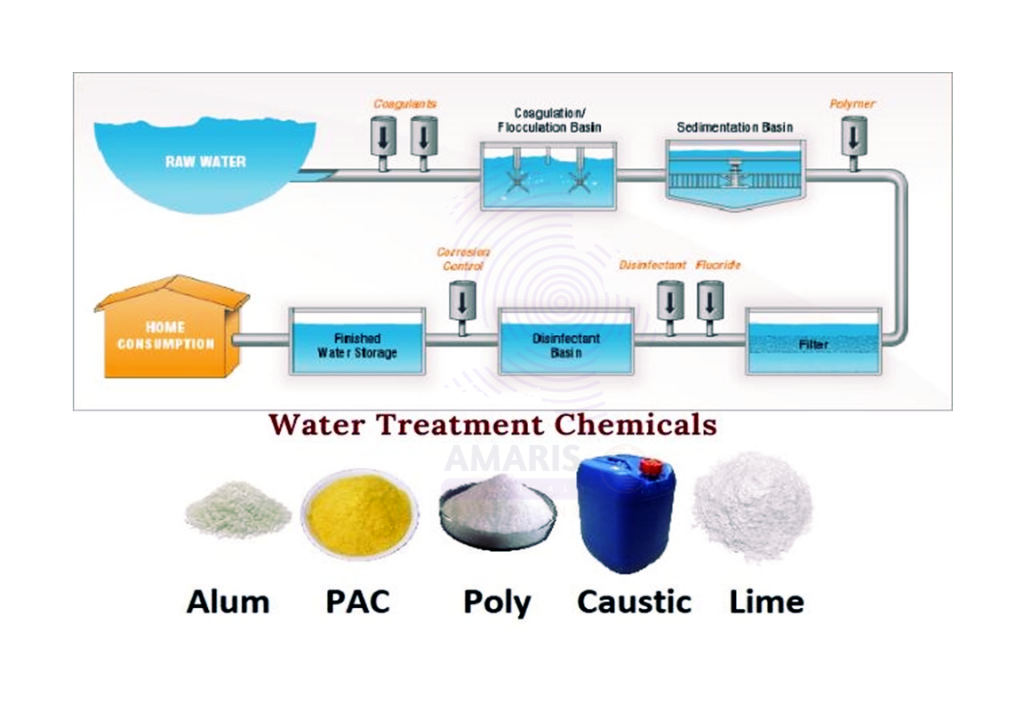
 Flocculants and Coagulants
 Frothers
 Leaching Agents
 pH Modifiers
 Precious Metal Extraction Agents
 Antioxidants(plastic)
 Colorants (Pigments, Dyes)
 Fillers and Reinforcements
 Flame Retardants
 Monomers
 Plasticizers
 Polymerization Initiators
 Stabilizers (UV, Heat)
 Antifoaming Agents
 Chelating Agents
 Coagulants and Flocculants
 Corrosion Inhibitors
 Disinfectants and Biocides
 Oxidizing Agents
 pH Adjusters
 Scale Inhibitors( water)
 Antioxidants(cosmetic)
 Emollients
 Oils
Oils Carrier Oills
 Essential Oils
 Humectants
 Preservatives
 Surfactants(cosmetic)
 Thickeners
 UV Filters
 Fragrance (Cosmetics)
 Fertilizers
 Soil Conditioners
 Plant Growth Regulators
 Animal Feed Additives
 Biostimulants
 Pesticides (Herbicides, Insecticides, Fungicides)
 Active Pharmaceutical Ingredients (APIs)
 Excipients
 Solvents(pharmaceutical)
 Antibiotics
 Antiseptics and Disinfectants
 Vaccine Adjuvants
 Nutraceutical Ingredients (pharmaceutical)
 Analgesics & Antipyretics
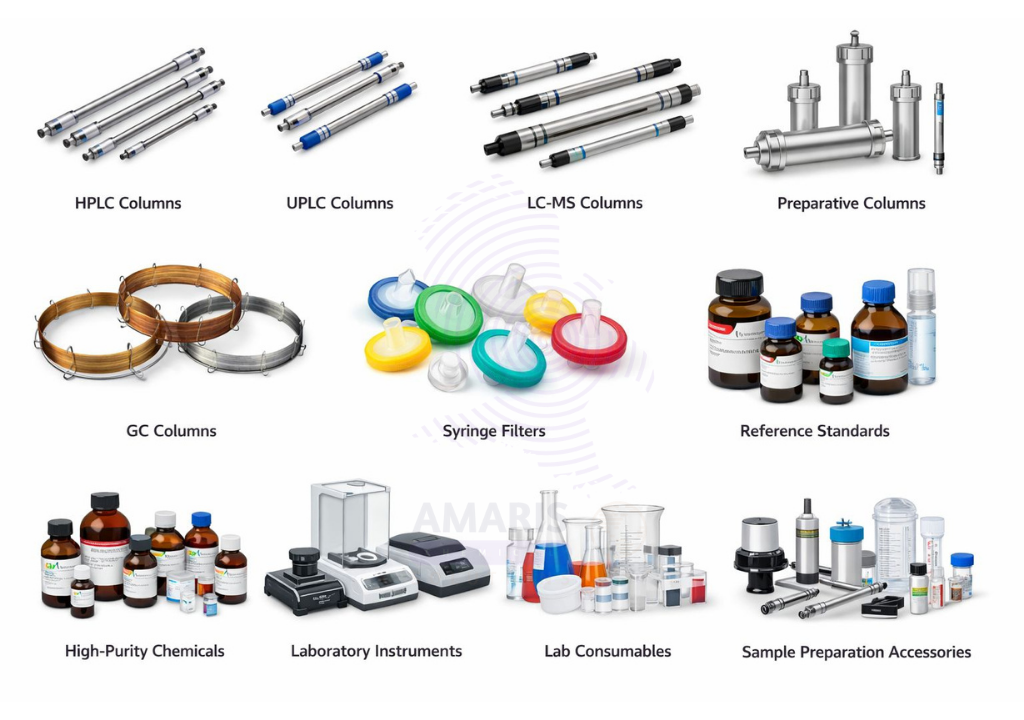
 Analytical Reagents
 Solvents(lab)
 Chromatography Chemicals
 Spectroscopy Reagents
 microbiology-and-cell-culture-reagents
 Molecular Biology Reagents
 Biochemical Reagents
 Inorganic and Organic Standards
 Laboratory Safety Chemicals
 Specialty Laboratory Chemicals(Special Laboratory Equipment)
 Demulsifiers
 Hydraulic Fracturing Fluids
 Scale Inhibitors(oil)
 Surfactants(oil)
 Drilling Fluids
 Dyes and Pigments
 Bleaching Agents
 Softening Agents
 Finishing Agents
 Antistatic Agents
 Admixtures
 Waterproofing Agents
 Sealants and Adhesives
 Curing Compounds
 Concrete Repair Chemicals
 Anti-Corrosion Coatings
 Surfactants(cleaning)
 Builders
 Enzymes
 Solvents (Cleaning)
 Electronic Chemicals
 Catalysts
 Lubricants
 Photographic Chemicals
 Refrigerants
 Automotive chemicals
 Pyrotechnic Chemicals
 Biodegradable Surfactants
 Bio-based Solvents
 Renewable Polymers
 Carbon Capture Chemicals
 Wastewater Treatment Chemicals
 Pigments
 Solvents(paint)
 Specialty Coatings
 Binders/Resins
 Additives
 Driers
 Anti-Corrosion Agents
 Functional Coatings
 Application-Specific Coatings
 Leavening Agents
 Dough Conditioners
 Flour Treatments
 Fat Replacers
 Decoratives
 Preservatives(baking)
 Plasticizers & Softeners
 Reinforcing Agents
 Adhesion Promoters
 Vulcanizing Agents
 Antidegradants
 Blowing Agents
 Fillers & Extenders
 Accelerators & Retarders
🌍 Global Chemical Supply Chains in 2026: What African Businesses Should Know 🚢🧪📦

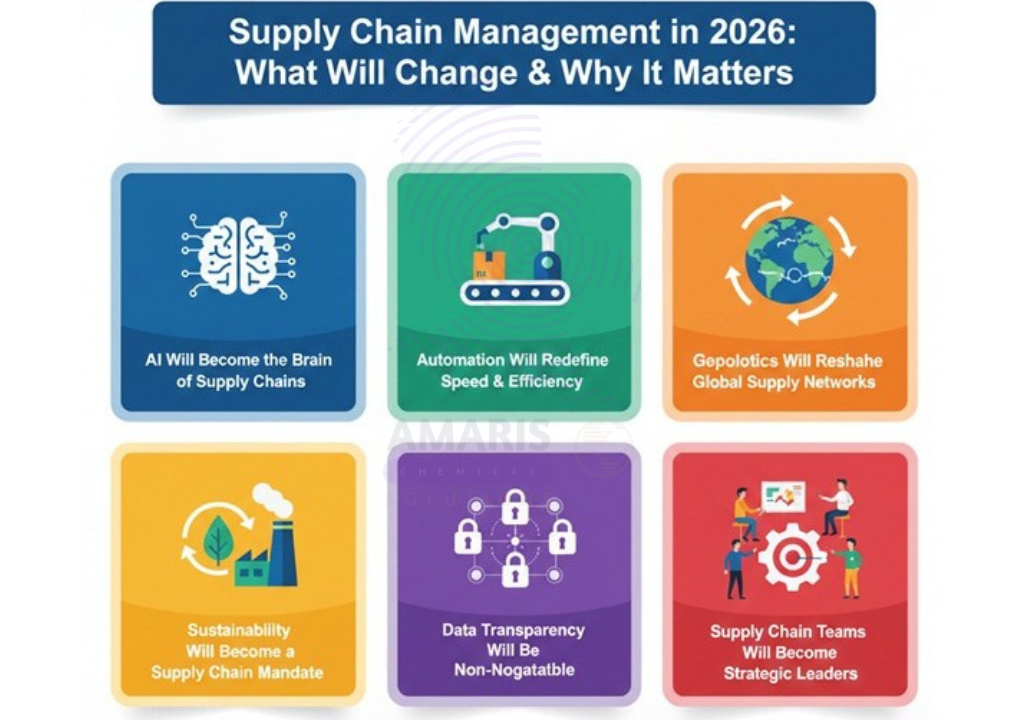
The global chemical industry is evolving rapidly, and in 2026, supply chains are becoming more dynamic than ever before. Advances in technology, shifting trade routes, sustainability initiatives, and changing geopolitical conditions are transforming how chemicals move from manufacturers to businesses around the world. For African companies that depend on imported raw materials or export finished products, understanding these trends is essential for maintaining reliable operations and remaining competitive in both local and international markets.
Chemical supply chains connect manufacturers, distributors, logistics providers, and end users across continents. From industrial solvents and laboratory reagents to agricultural chemicals and specialty ingredients, countless products travel thousands of kilometers before reaching manufacturers. As industries across Africa continue to grow, businesses are becoming increasingly integrated into these global supply networks, making supply chain awareness more important than ever.
One of the biggest trends shaping 2026 is greater supply chain diversification. Many manufacturers are expanding their supplier networks instead of relying on a single source or country. This approach helps reduce the risk of disruptions caused by natural disasters, geopolitical tensions, or production delays. For African businesses, working with suppliers that have diversified sourcing strategies can improve product availability and reduce the likelihood of unexpected shortages. 🌐📈
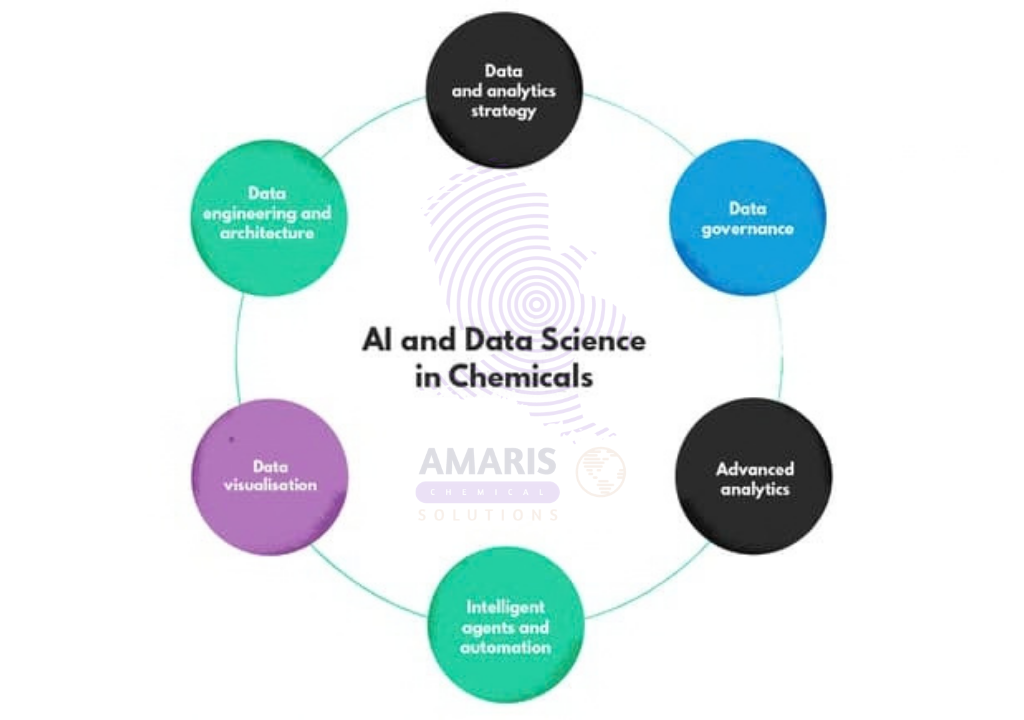
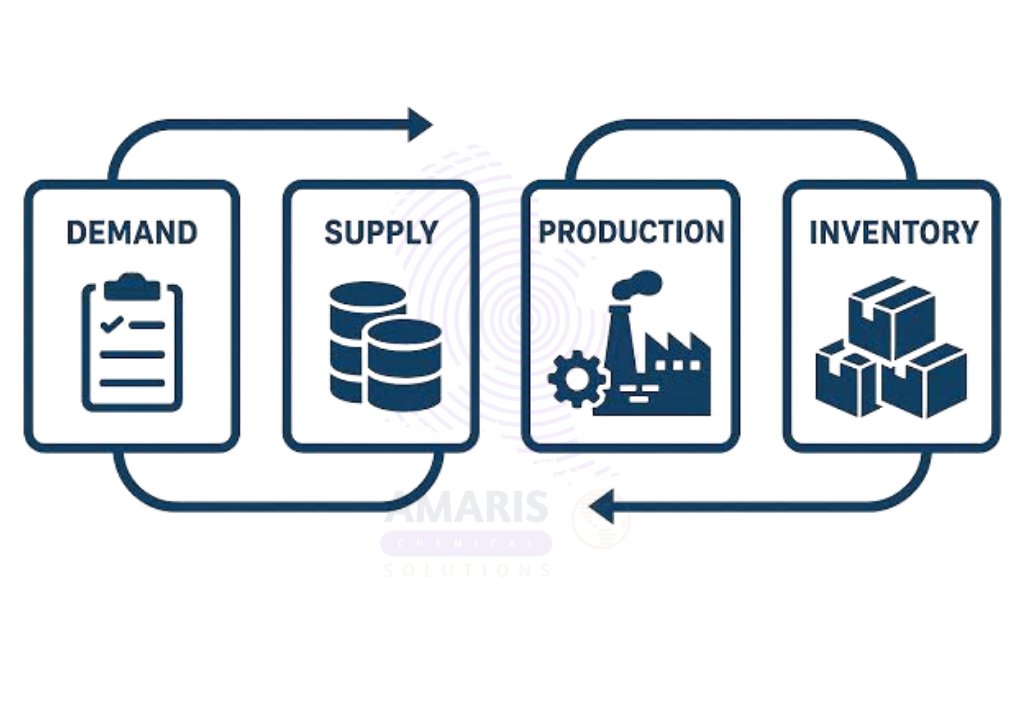
Technology is also transforming chemical supply chains. Digital inventory management, real-time shipment tracking, and data-driven forecasting are allowing suppliers and manufacturers to make faster, more informed decisions. These tools help businesses monitor stock levels, predict demand, and respond quickly to changes in market conditions. As more African companies embrace digital procurement systems, they can improve efficiency, reduce waste, and strengthen supply chain resilience.

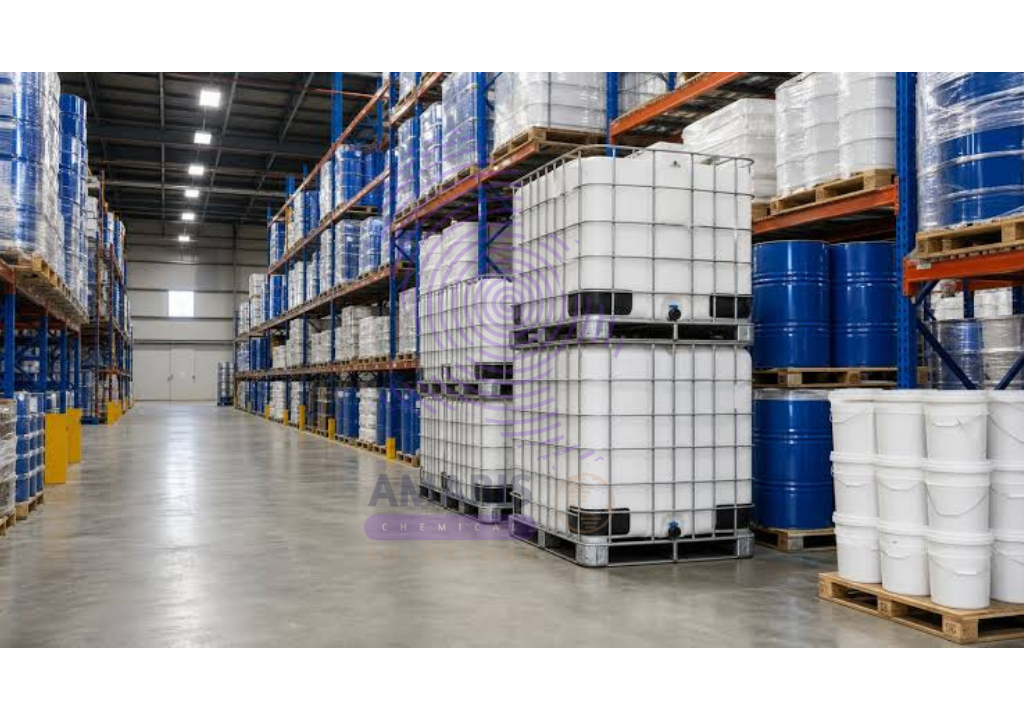
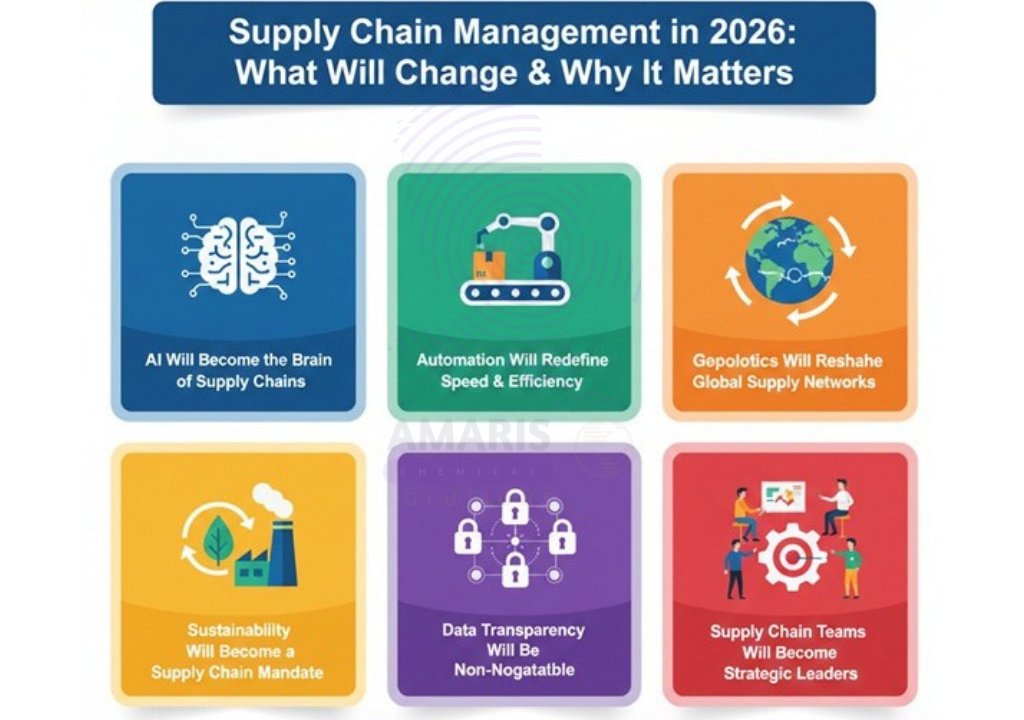
Transportation remains a key factor influencing the availability and cost of chemicals. While global shipping networks have become more stable in recent years, freight rates, fuel prices, and port efficiency continue to affect delivery times and overall procurement costs. Businesses that plan purchases in advance and maintain appropriate inventory levels are better positioned to manage these fluctuations and avoid unnecessary production delays. 🚢📦
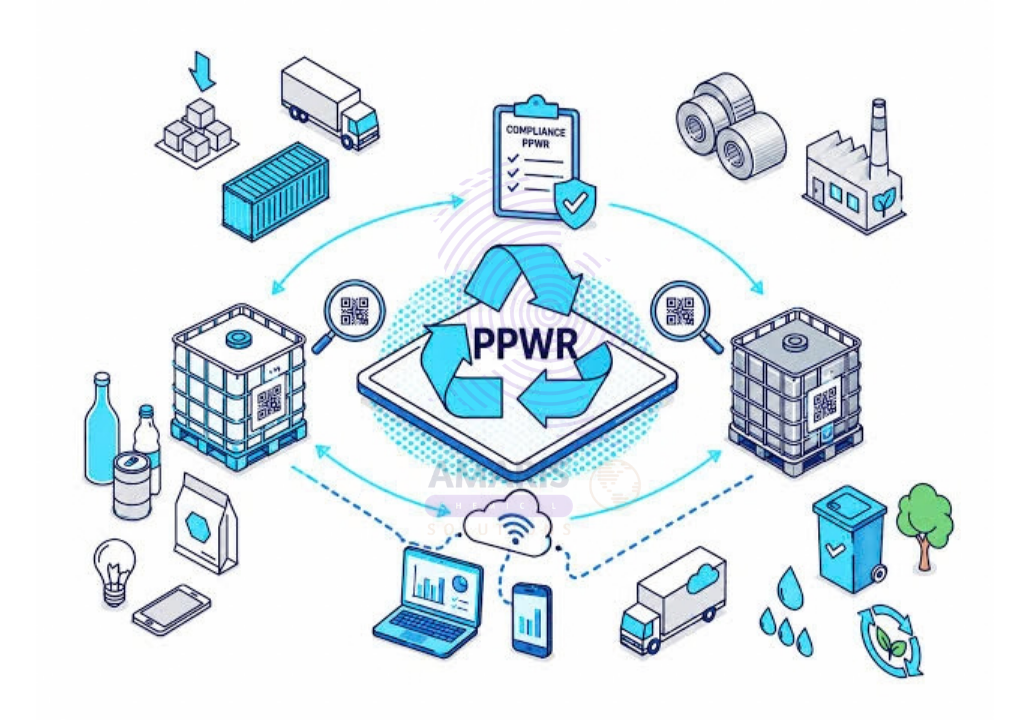
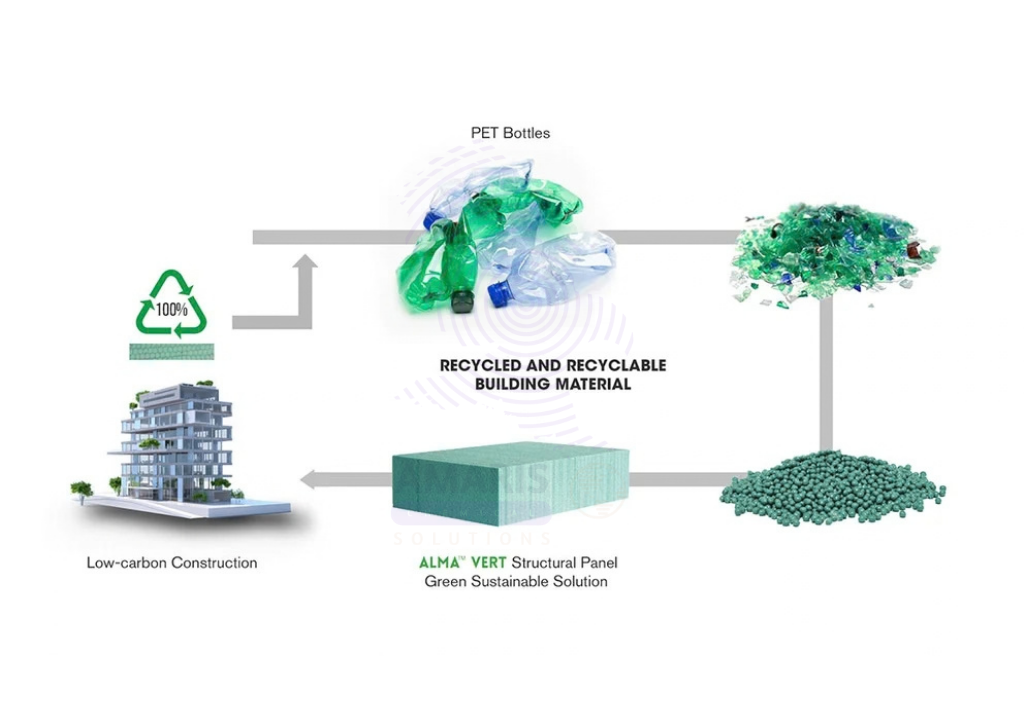
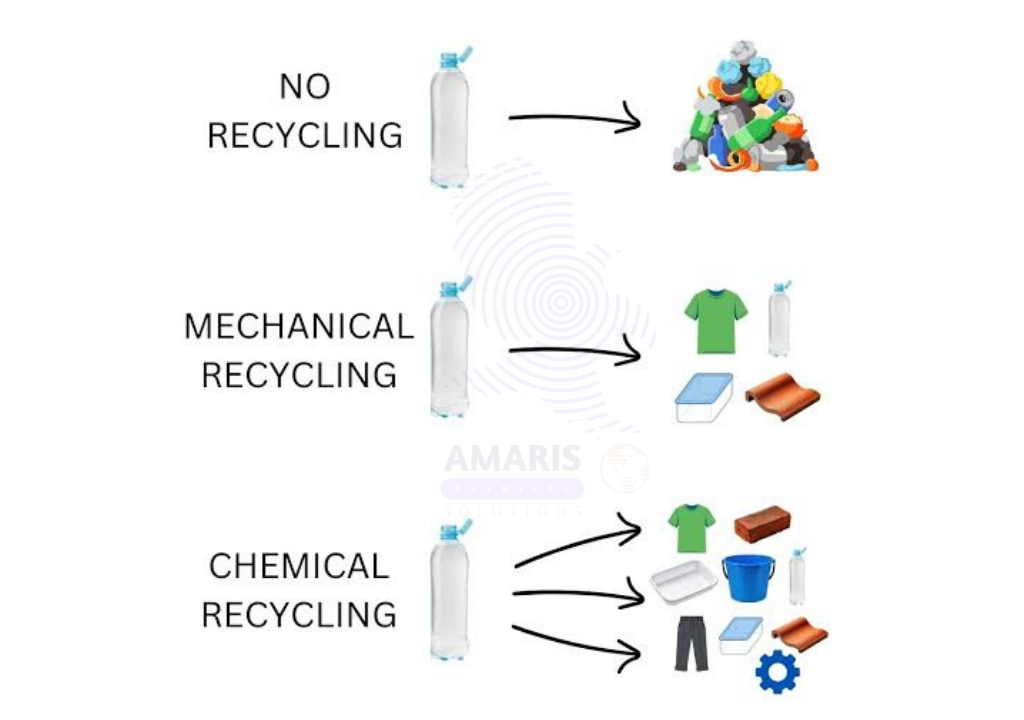
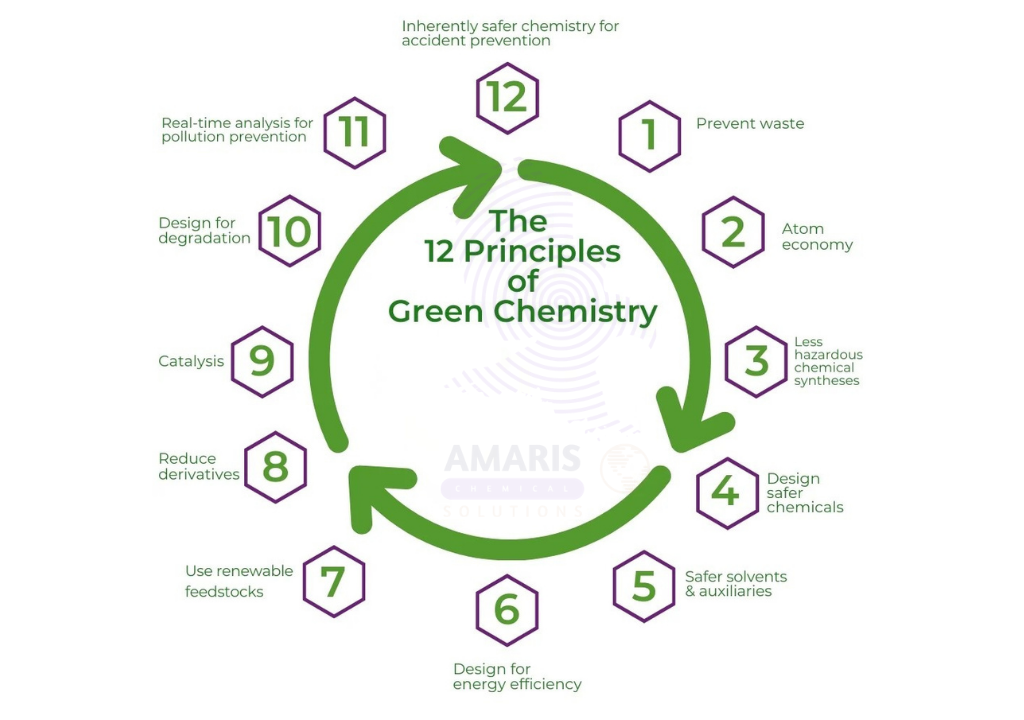
Sustainability has become another major driver of change in the chemical industry. Manufacturers are increasingly investing in cleaner production methods, energy-efficient facilities, and environmentally responsible packaging. Many customers now expect suppliers to demonstrate responsible sourcing practices and comply with international environmental standards. For African businesses seeking to compete globally, partnering with suppliers that prioritize sustainability can strengthen customer confidence and open new market opportunities. ♻️🌱
Another important trend is the growing demand for specialty chemicals. Industries such as pharmaceuticals, food processing, water treatment, cosmetics, renewable energy, and advanced manufacturing require highly specialized chemical products with strict quality specifications. As African manufacturing expands into higher-value industries, businesses will need dependable suppliers capable of delivering consistent quality, technical support, and reliable product availability.
Regional trade is also creating new opportunities across the continent. Improved infrastructure, stronger regional partnerships, and expanding trade agreements are making it easier for businesses to source chemicals within Africa while also reaching new export markets. Diversifying procurement through both local and international suppliers can improve flexibility and reduce dependence on a single supply route. This balanced approach helps businesses manage risk while supporting regional industrial growth.
Building strong relationships with reliable chemical suppliers has never been more important. A trusted supplier offers more than just products—they provide technical expertise, consistent quality, responsive customer service, and timely market information. These partnerships help manufacturers adapt to changing market conditions, maintain production schedules, and plan more effectively for future demand. 🤝🧪
Businesses should also focus on effective inventory management and long-term procurement planning. Maintaining appropriate stock levels, monitoring market trends, and reviewing supplier performance regularly can help reduce the impact of price fluctuations and unexpected supply interruptions. Companies that take a proactive approach to supply chain management are often better equipped to maintain stable operations even during periods of market uncertainty.
In conclusion, global chemical supply chains in 2026 present both opportunities and challenges for African businesses. Advances in technology, diversified sourcing, sustainability initiatives, and regional trade are reshaping how chemicals are sourced and distributed across the world. Companies that stay informed, invest in strong supplier relationships, embrace digital tools, and plan strategically will be better positioned to manage risks and seize new opportunities. As Africa’s industrial sector continues to expand, resilient and efficient chemical supply chains will remain a key driver of business growth, innovation, and long-term competitiveness. 🌍🏭🚀