Preservatives(food)
 Flavors
 Acidulants
 Sweeteners
 Antioxidants
 Colorants(food)
 Nutraceutical Ingredients (food)
 Nutrient Supplements
 Emulsifiers
 Collectors
 Dust Suppressants
 Explosives and Blasting Agents
 Flocculants and Coagulants
 Frothers
 Leaching Agents
 pH Modifiers
 Precious Metal Extraction Agents
 Antioxidants(plastic)
 Colorants (Pigments, Dyes)
 Fillers and Reinforcements
 Flame Retardants
 Monomers
 Plasticizers
 Polymerization Initiators
 Stabilizers (UV, Heat)
 Antifoaming Agents
 Chelating Agents
 Coagulants and Flocculants
 Corrosion Inhibitors
 Disinfectants and Biocides
 Oxidizing Agents
 pH Adjusters
 Scale Inhibitors( water)
 Antioxidants(cosmetic)
 Emollients
 Oils
Oils Carrier Oills
 Essential Oils
 Humectants
 Preservatives
 Surfactants(cosmetic)
 Thickeners
 UV Filters
 Fragrance (Cosmetics)
 Fertilizers
 Soil Conditioners
 Plant Growth Regulators
 Animal Feed Additives
 Biostimulants
 Pesticides (Herbicides, Insecticides, Fungicides)
 Active Pharmaceutical Ingredients (APIs)
 Excipients
 Solvents(pharmaceutical)
 Antibiotics
 Antiseptics and Disinfectants
 Vaccine Adjuvants
 Nutraceutical Ingredients (pharmaceutical)
 Analgesics & Antipyretics
 Analytical Reagents
 Solvents(lab)
 Chromatography Chemicals
 Spectroscopy Reagents
 microbiology-and-cell-culture-reagents
 Molecular Biology Reagents
 Biochemical Reagents
 Inorganic and Organic Standards
 Laboratory Safety Chemicals
 Specialty Laboratory Chemicals(Special Laboratory Equipment)
 Demulsifiers
 Hydraulic Fracturing Fluids
 Scale Inhibitors(oil)
 Surfactants(oil)
 Drilling Fluids
 Dyes and Pigments
 Bleaching Agents
 Softening Agents
 Finishing Agents
 Antistatic Agents
 Admixtures
 Waterproofing Agents
 Sealants and Adhesives
 Curing Compounds
 Concrete Repair Chemicals
 Anti-Corrosion Coatings
 Surfactants(cleaning)
 Builders
 Enzymes
 Solvents (Cleaning)
 Electronic Chemicals
 Catalysts
 Lubricants
 Photographic Chemicals
 Refrigerants
 Automotive chemicals
 Pyrotechnic Chemicals
 Biodegradable Surfactants
 Bio-based Solvents
 Renewable Polymers
 Carbon Capture Chemicals
 Wastewater Treatment Chemicals
 Pigments
 Solvents(paint)
 Specialty Coatings
 Binders/Resins
 Additives
 Driers
 Anti-Corrosion Agents
 Functional Coatings
 Application-Specific Coatings
 Leavening Agents
 Dough Conditioners
 Flour Treatments
 Fat Replacers
 Decoratives
 Preservatives(baking)
 Plasticizers & Softeners
 Reinforcing Agents
 Adhesion Promoters
 Vulcanizing Agents
 Antidegradants
 Blowing Agents
 Fillers & Extenders
 Accelerators & Retarders
🌍 How Global Chemical Prices Affect Local Manufacturers 📈🧪🏭

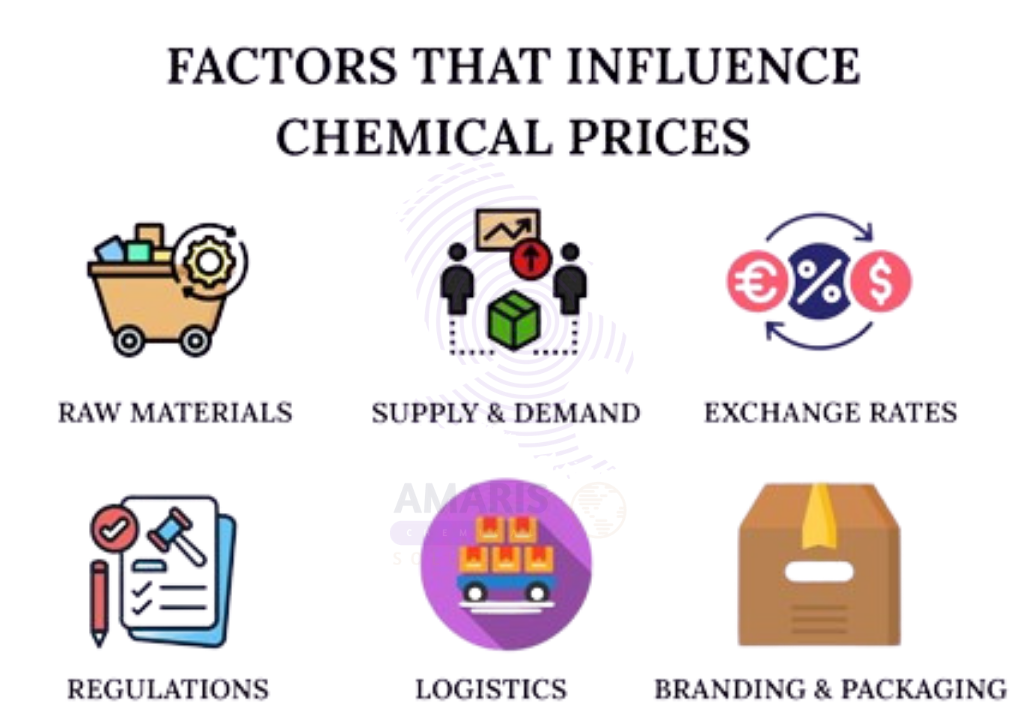
In today’s interconnected economy, the chemical industry operates on a truly global scale. Raw materials are sourced from different continents, chemicals are manufactured in one country and shipped to another, and finished products often pass through multiple markets before reaching end users. As a result, fluctuations in global chemical prices can have a significant impact on local manufacturers, influencing production costs, profitability, product pricing, and overall business competitiveness.
Whether producing paints, plastics, detergents, cosmetics, pharmaceuticals, food products, textiles, or construction materials, many manufacturers rely on imported chemicals as essential raw materials. When global prices rise or fall, the effects are often felt throughout the entire supply chain, making it increasingly important for businesses to understand the factors driving these changes.
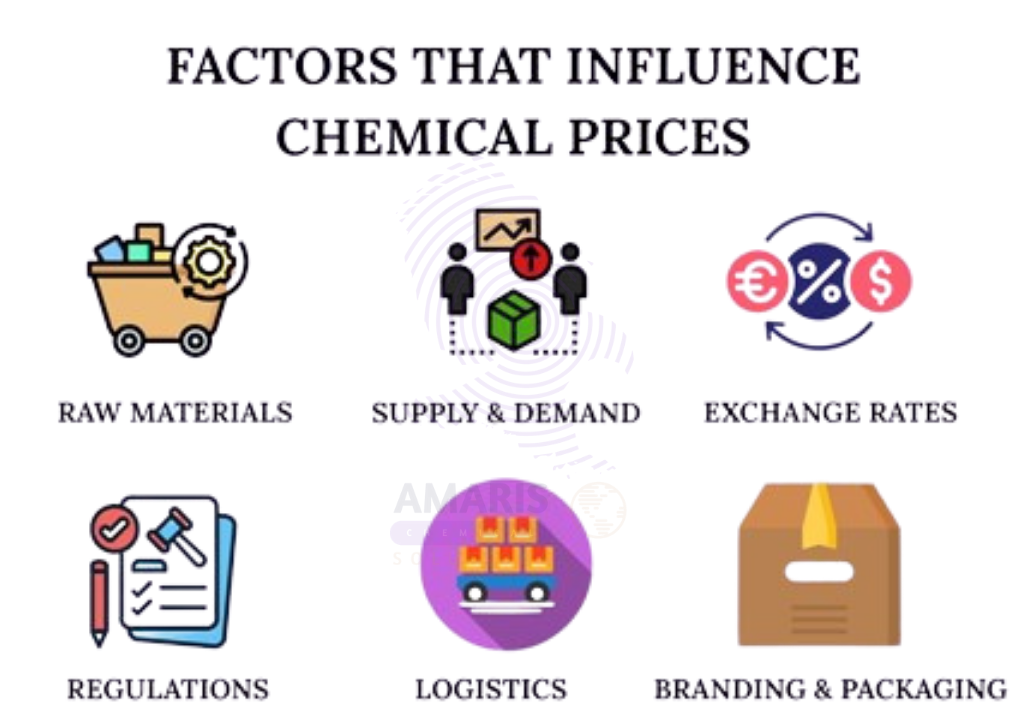
One of the biggest influences on chemical pricing is the cost of raw materials. Many industrial chemicals are produced from petroleum, natural gas, minerals, and other globally traded commodities. When the prices of crude oil or natural gas increase, the production costs of solvents, polymers, synthetic resins, and numerous other chemicals also tend to rise. These higher manufacturing costs are often passed along the supply chain, increasing the prices paid by distributors and local manufacturers. 🛢️⚗️
Transportation and logistics also play a major role in determining chemical prices. Most chemicals are shipped internationally by sea, road, rail, or air before reaching local markets. Rising fuel prices, shipping container shortages, port congestion, and higher freight charges can significantly increase the total landed cost of imported chemicals. Even when the chemical itself remains competitively priced, transportation expenses can make procurement more expensive for local manufacturers. 🚢📦
Currency exchange rates are another important factor, particularly for businesses that import chemicals. When a local currency weakens against major international currencies such as the US dollar or the euro, imported chemicals become more expensive even if global market prices remain unchanged. For manufacturers operating on tight margins, exchange rate fluctuations can directly affect production costs and pricing strategies.
Global supply and demand also influence chemical markets. Rapid growth in industries such as construction, automotive manufacturing, electronics, renewable energy, and pharmaceuticals increases demand for specialty and industrial chemicals. At the same time, unexpected events such as natural disasters, factory shutdowns, geopolitical tensions, or supply chain disruptions can reduce global production capacity. When demand exceeds supply, chemical prices generally increase, creating additional challenges for manufacturers that depend on consistent access to raw materials. 🌐📊
For local manufacturers, rising chemical prices often lead to higher production costs. Businesses may need to adjust product pricing, optimize manufacturing processes, or identify alternative raw materials to remain competitive. Companies that are unable to adapt quickly may experience reduced profit margins, delayed production schedules, or difficulties meeting customer demand. Effective procurement planning and inventory management therefore become essential components of successful manufacturing operations.


On the other hand, periods of stable or declining global chemical prices can provide valuable opportunities for manufacturers. Lower raw material costs may allow businesses to expand production, introduce new product lines, improve profitability, or offer more competitive pricing to customers. Companies that closely monitor market trends are often better positioned to take advantage of favorable purchasing conditions and strengthen their market position.
Building strong relationships with reliable chemical suppliers is another effective strategy for managing price fluctuations. Trusted suppliers can provide consistent product availability, technical support, flexible sourcing options, and timely market information that helps manufacturers make informed purchasing decisions. Diversifying supply sources and maintaining appropriate inventory levels can also reduce the impact of unexpected disruptions in global supply chains. 🤝📦
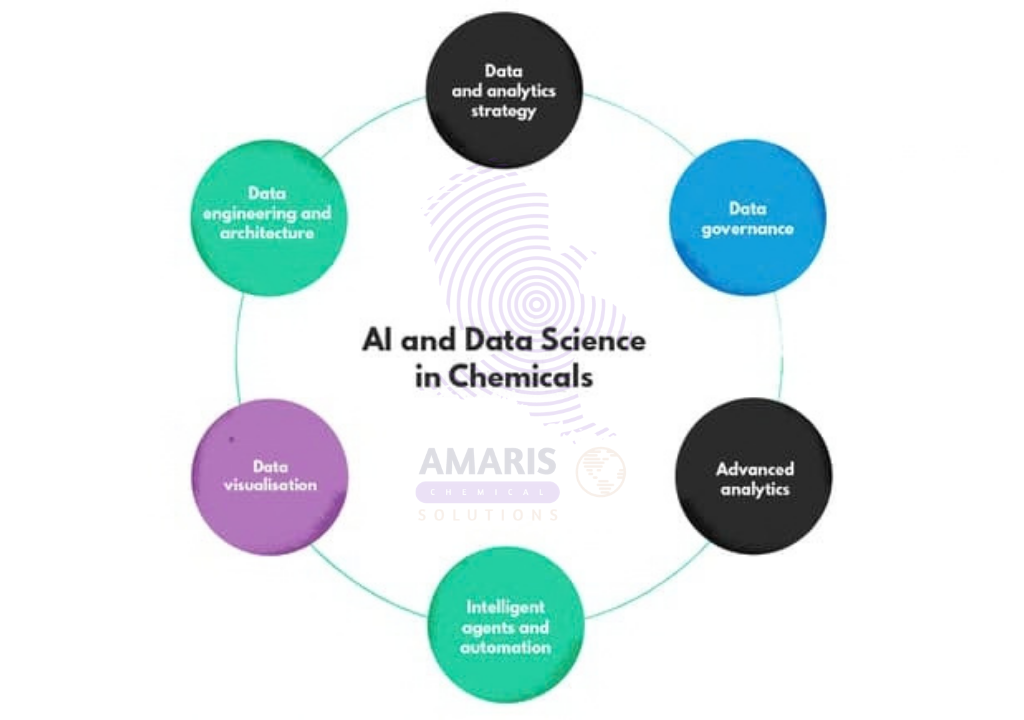
Technology and data analysis are increasingly helping manufacturers respond to changing chemical markets. Digital procurement platforms, market intelligence tools, and demand forecasting systems enable businesses to monitor global price movements, anticipate supply challenges, and optimize purchasing decisions. These technologies improve supply chain resilience while reducing unnecessary costs and production delays.
In conclusion, global chemical prices have a direct influence on the success and competitiveness of local manufacturers. Factors such as raw material costs, transportation expenses, currency fluctuations, and global supply-demand dynamics all contribute to the final price of industrial chemicals. By understanding these market forces and working closely with dependable suppliers, manufacturers can better manage risks, control production costs, and remain competitive in an increasingly globalized economy. As international trade continues to evolve, staying informed about global chemical market trends will remain essential for sustainable industrial growth and long-term business success. 🌍🧪📈