Preservatives(food)
 Flavors
 Acidulants
 Sweeteners
 Antioxidants
 Colorants(food)
 Nutraceutical Ingredients (food)
 Nutrient Supplements
 Emulsifiers
 Collectors
 Dust Suppressants
 Explosives and Blasting Agents
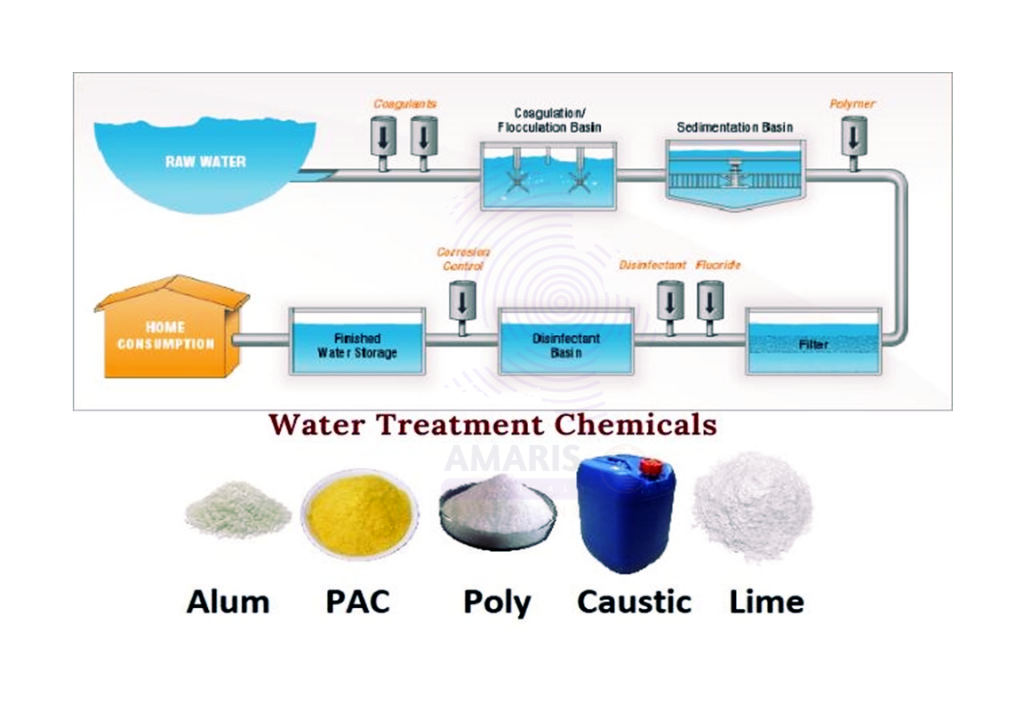
 Flocculants and Coagulants
 Frothers
 Leaching Agents
 pH Modifiers
 Precious Metal Extraction Agents
 Antioxidants(plastic)
 Colorants (Pigments, Dyes)
 Fillers and Reinforcements
 Flame Retardants
 Monomers
 Plasticizers
 Polymerization Initiators
 Stabilizers (UV, Heat)
 Antifoaming Agents
 Chelating Agents
 Coagulants and Flocculants
 Corrosion Inhibitors
 Disinfectants and Biocides
 Oxidizing Agents
 pH Adjusters
 Scale Inhibitors( water)
 Antioxidants(cosmetic)
 Emollients
 Oils
Oils Carrier Oills
 Essential Oils
 Humectants
 Preservatives
 Surfactants(cosmetic)
 Thickeners
 UV Filters
 Fragrance (Cosmetics)
 Fertilizers
 Soil Conditioners
 Plant Growth Regulators
 Animal Feed Additives
 Biostimulants
 Pesticides (Herbicides, Insecticides, Fungicides)
 Active Pharmaceutical Ingredients (APIs)
 Excipients
 Solvents(pharmaceutical)
 Antibiotics
 Antiseptics and Disinfectants
 Vaccine Adjuvants
 Nutraceutical Ingredients (pharmaceutical)
 Analgesics & Antipyretics
 Analytical Reagents
 Solvents(lab)
 Chromatography Chemicals
 Spectroscopy Reagents
 microbiology-and-cell-culture-reagents
 Molecular Biology Reagents
 Biochemical Reagents
 Inorganic and Organic Standards
 Laboratory Safety Chemicals
 Specialty Laboratory Chemicals(Special Laboratory Equipment)
 Demulsifiers
 Hydraulic Fracturing Fluids
 Scale Inhibitors(oil)
 Surfactants(oil)
 Drilling Fluids
 Dyes and Pigments
 Bleaching Agents
 Softening Agents
 Finishing Agents
 Antistatic Agents
 Admixtures
 Waterproofing Agents
 Sealants and Adhesives
 Curing Compounds
 Concrete Repair Chemicals
 Anti-Corrosion Coatings
 Surfactants(cleaning)
 Builders
 Enzymes
 Solvents (Cleaning)
 Electronic Chemicals
 Catalysts
 Lubricants
 Photographic Chemicals
 Refrigerants
 Automotive chemicals
 Pyrotechnic Chemicals
 Biodegradable Surfactants
 Bio-based Solvents
 Renewable Polymers
 Carbon Capture Chemicals
 Wastewater Treatment Chemicals
 Pigments
 Solvents(paint)
 Specialty Coatings
 Binders/Resins
 Additives
 Driers
 Anti-Corrosion Agents
 Functional Coatings
 Application-Specific Coatings
 Leavening Agents
 Dough Conditioners
 Flour Treatments
 Fat Replacers
 Decoratives
 Preservatives(baking)
 Plasticizers & Softeners
 Reinforcing Agents
 Adhesion Promoters
 Vulcanizing Agents
 Antidegradants
 Blowing Agents
 Fillers & Extenders
 Accelerators & Retarders
💄 Cosmetic Chemicals Explained: What Goes Into Personal Care Products? 🧴✨🌿

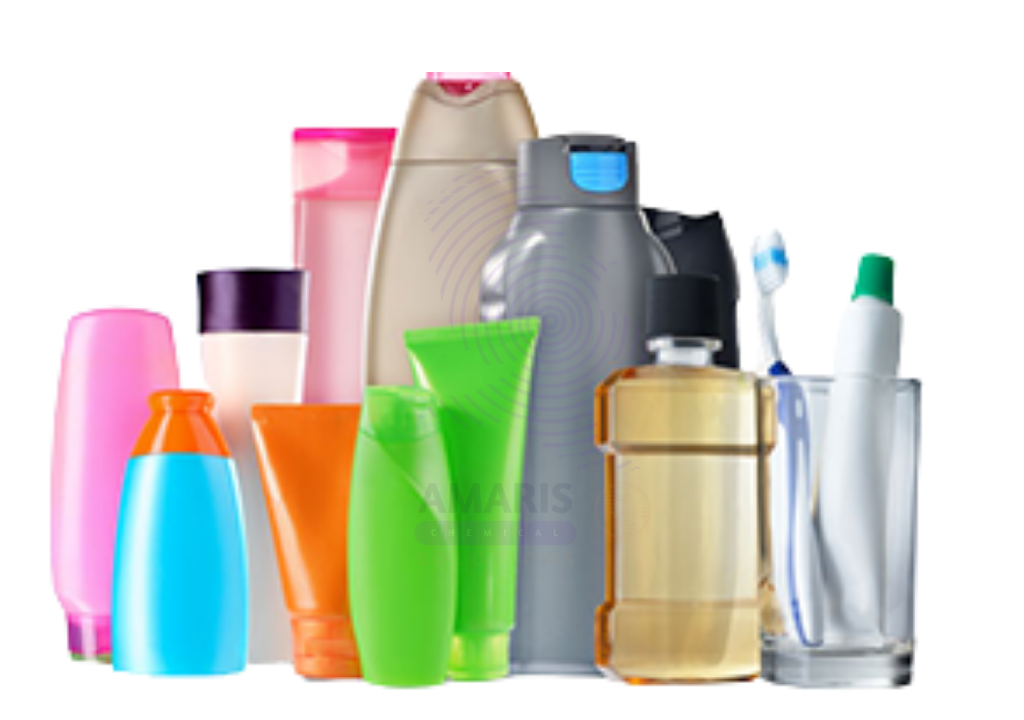
The personal care industry has evolved significantly over the years, offering products that do much more than simply cleanse or moisturize the skin. Today, cosmetics and personal care products are carefully formulated using a variety of cosmetic chemicals that enhance performance, improve stability, extend shelf life, and deliver specific skincare and haircare benefits. From facial cleansers and shampoos to lotions, sunscreens, deodorants, and makeup, these ingredients work together to create products that are safe, effective, and enjoyable to use.
Although the word “chemical” is often misunderstood, it is important to remember that everything, including water and naturally derived plant extracts, is made up of chemicals. In the cosmetics industry, ingredients are carefully selected, tested, and regulated to ensure they meet safety standards before being incorporated into consumer products. Each ingredient serves a specific purpose, contributing to the overall effectiveness, texture, appearance, and stability of the final formulation.
One of the most common groups of cosmetic chemicals is emollients, which help soften and smooth the skin by creating a protective barrier that reduces moisture loss. Ingredients such as plant oils, esters, and certain silicones leave the skin feeling hydrated and silky while improving the spreadability of creams and lotions. Emollients are commonly found in moisturizers, lip balms, body lotions, and anti-aging skincare products. 💧✨
Another essential category is humectants, which attract moisture from the surrounding environment and help retain water within the skin. Popular humectants such as glycerin, hyaluronic acid, and propylene glycol improve skin hydration and contribute to a plump, healthy-looking complexion. These ingredients are widely used in facial serums, moisturizers, masks, and hair care products to combat dryness and improve overall texture.
Surfactants play a vital role in cleansing products such as shampoos, body washes, facial cleansers, and liquid soaps. They reduce the surface tension of water, allowing oils, dirt, makeup, and impurities to be lifted from the skin and hair so they can be rinsed away easily. Modern cosmetic formulations often combine different surfactants to achieve effective cleansing while maintaining skin comfort and minimizing irritation. 🫧🧴
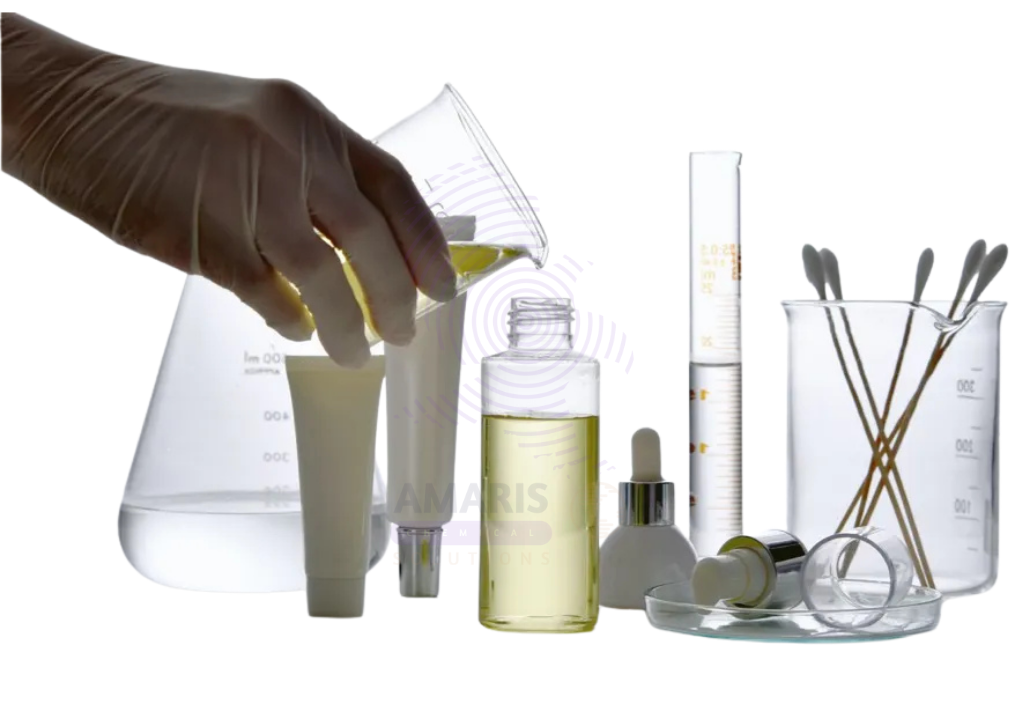

To maintain product consistency and appearance, manufacturers use thickeners, emulsifiers, and stabilizers. Emulsifiers allow oil and water to blend into smooth creams and lotions, while thickeners provide the desired texture and viscosity. Stabilizers help prevent ingredients from separating over time, ensuring that products maintain their quality throughout their shelf life. These ingredients contribute to the luxurious feel consumers expect from premium personal care products.
Preservatives are another important component of cosmetic formulations. Since many skincare and haircare products contain water, they can become breeding grounds for bacteria, mold, and yeast if left unprotected. Approved preservatives help prevent microbial growth, extending product shelf life and ensuring that cosmetics remain safe for use throughout their intended lifespan. Using appropriate preservation systems is essential for maintaining product safety and quality.
Many personal care products also contain active ingredients designed to deliver targeted benefits. Antioxidants such as Vitamin C and Vitamin E help protect the skin against environmental damage, while exfoliating acids gently remove dead skin cells to reveal a brighter complexion. UV filters found in sunscreens help protect the skin from harmful ultraviolet radiation, reducing the risk of sunburn and premature skin aging. 🌞🧴
Fragrances and colorants are often included to improve the sensory experience of cosmetic products. Fragrances provide pleasant scents that enhance user satisfaction, while colorants give products their distinctive appearance and help reinforce brand identity. These ingredients are carefully selected and regulated to ensure they are suitable for cosmetic use.
Sustainability is becoming increasingly important within the cosmetics industry. Manufacturers are developing biodegradable ingredients, naturally derived alternatives, and environmentally responsible formulations that reduce environmental impact while maintaining product performance. Many companies are also adopting recyclable packaging, responsibly sourced raw materials, and greener manufacturing practices to meet growing consumer demand for sustainable beauty products. ♻️🌿
In conclusion, cosmetic chemicals are the foundation of modern personal care products, allowing manufacturers to create formulations that cleanse, protect, hydrate, preserve, and enhance the skin and hair. Every ingredient, from emollients and humectants to surfactants, preservatives, and active compounds, serves a carefully designed purpose in delivering safe and effective products. As cosmetic science continues to advance, innovation will drive the development of even more sustainable, high-performing, and consumer-friendly personal care solutions that support healthy skin, beautiful hair, and overall well-being. 💄🧪✨