
 Preservatives(food)
 Flavors
 Acidulants
 Sweeteners
 Antioxidants
 Colorants(food)
 Nutraceutical Ingredients (food)
 Nutrient Supplements
 Emulsifiers
 Collectors
 Dust Suppressants
 Explosives and Blasting Agents
 Flocculants and Coagulants
 Frothers
 Leaching Agents
 pH Modifiers
 Precious Metal Extraction Agents
 Antioxidants(plastic)
 Colorants (Pigments, Dyes)
 Fillers and Reinforcements
 Flame Retardants
 Monomers
 Plasticizers
 Polymerization Initiators
 Stabilizers (UV, Heat)
 Antifoaming Agents
 Chelating Agents
 Coagulants and Flocculants
 Corrosion Inhibitors
 Disinfectants and Biocides
 Oxidizing Agents
 pH Adjusters
 Scale Inhibitors( water)
 Antioxidants(cosmetic)
 Emollients
 Oils
Oils Carrier Oills
 Essential Oils
 Humectants
 Preservatives
 Surfactants(cosmetic)
 Thickeners
 UV Filters
 Fragrance (Cosmetics)
 Fertilizers
 Soil Conditioners
 Plant Growth Regulators
 Animal Feed Additives
 Biostimulants
 Pesticides (Herbicides, Insecticides, Fungicides)
 Active Pharmaceutical Ingredients (APIs)
 Excipients
 Solvents(pharmaceutical)
 Antibiotics
 Antiseptics and Disinfectants
 Vaccine Adjuvants
 Nutraceutical Ingredients (pharmaceutical)
 Analgesics & Antipyretics
 Analytical Reagents
 Solvents(lab)
 Chromatography Chemicals
 Spectroscopy Reagents
 microbiology-and-cell-culture-reagents
 Molecular Biology Reagents
 Biochemical Reagents
 Inorganic and Organic Standards
 Laboratory Safety Chemicals
 Specialty Laboratory Chemicals(Special Laboratory Equipment)
 Demulsifiers
 Hydraulic Fracturing Fluids
 Scale Inhibitors(oil)
 Surfactants(oil)
 Drilling Fluids
 Dyes and Pigments
 Bleaching Agents
 Softening Agents
 Finishing Agents
 Antistatic Agents
 Admixtures
 Waterproofing Agents
 Sealants and Adhesives
 Curing Compounds
 Concrete Repair Chemicals
 Anti-Corrosion Coatings
 Surfactants(cleaning)
 Builders
 Enzymes
 Solvents (Cleaning)
 Electronic Chemicals
 Catalysts
 Lubricants
 Photographic Chemicals
 Refrigerants
 Automotive chemicals
 Pyrotechnic Chemicals
 Biodegradable Surfactants
 Bio-based Solvents
 Renewable Polymers
 Carbon Capture Chemicals
 Wastewater Treatment Chemicals
 Pigments
 Solvents(paint)
 Specialty Coatings
 Binders/Resins
 Additives
 Driers
 Anti-Corrosion Agents
 Functional Coatings
 Application-Specific Coatings
 Leavening Agents
 Dough Conditioners
 Flour Treatments
 Fat Replacers
 Decoratives
 Preservatives(baking)
 Plasticizers & Softeners
 Reinforcing Agents
 Adhesion Promoters
 Vulcanizing Agents
 Antidegradants
 Blowing Agents
 Fillers & Extenders
 Accelerators & Retarders
Cold Chain, Chemicals and Food Preservation: The Science Behind Longer Shelf Life ❄️🧪

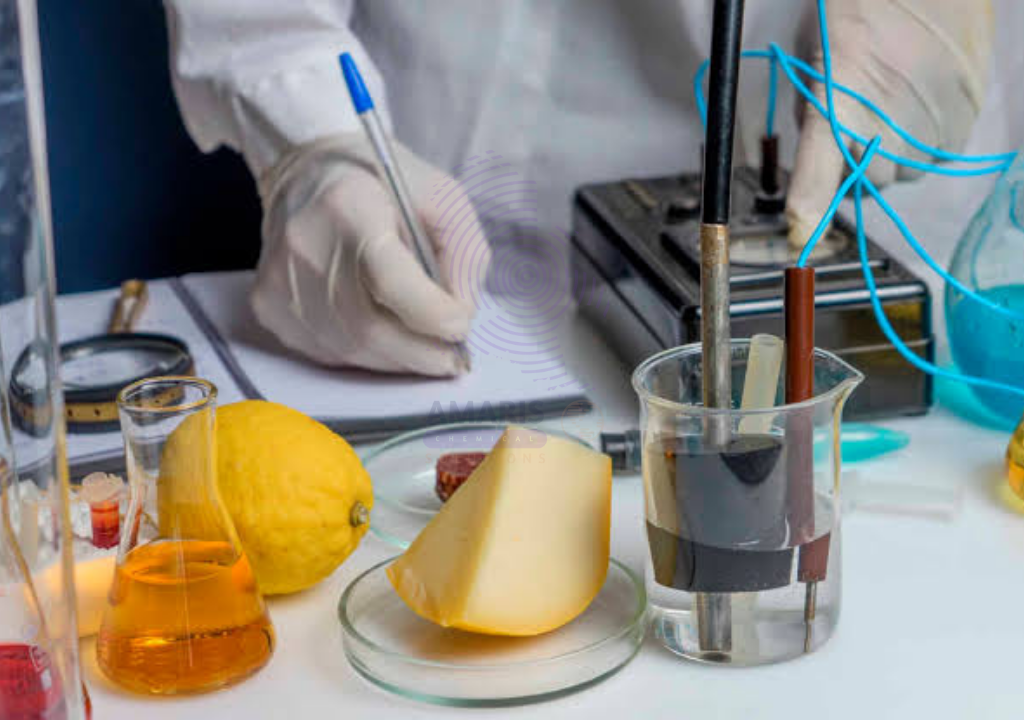
From fresh milk and meat to fruits, vegetables, and packaged beverages, keeping food fresh requires more than good packaging. Temperature control, food chemistry, hygiene, and appropriate preservation methods all work together to maintain quality and reduce spoilage.
In Kenya, where food products often travel from farms and processing facilities to markets across different regions, cold chain management and food preservation are essential for reducing food losses, protecting consumers, and maintaining product quality. 🌍
What Is the Cold Chain?
The cold chain is a temperature-controlled system used to preserve perishable products during storage, transportation, and distribution. It includes refrigerated warehouses, cold rooms, refrigerated vehicles, display cabinets, and other temperature-controlled equipment.
Different foods require different storage conditions. Milk, meat, seafood, fruits, and vegetables do not all have identical temperature requirements. Maintaining the appropriate conditions slows the growth of many spoilage microorganisms and helps preserve product quality.
However, refrigeration does not sterilise food or eliminate every hazard. Temperature control must be combined with proper hygiene, suitable packaging, and appropriate handling procedures.
The Chemistry Behind Food Spoilage 🔬
Food spoilage involves several processes, including microbial growth, oxidation, and enzymatic activity.
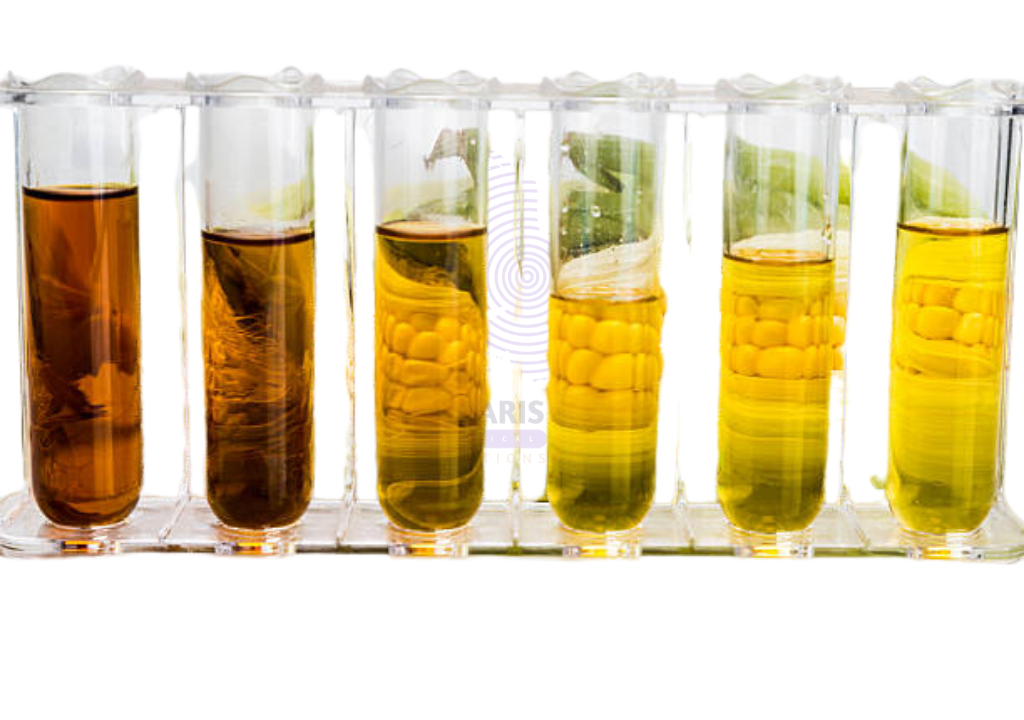
Microorganisms can break down food components, producing unwanted changes in smell, taste, texture, and appearance. Oxidation can cause fats to become rancid and may affect the colour and nutritional quality of certain foods. Enzymes naturally present in food can also contribute to changes during storage.
Lower temperatures slow many of these processes, helping extend shelf life. The effectiveness depends on the food, the microorganisms involved, and the storage conditions.
Understanding these chemical and biological changes helps food manufacturers choose appropriate preservation methods.
How Food-Grade Chemicals Support Preservation
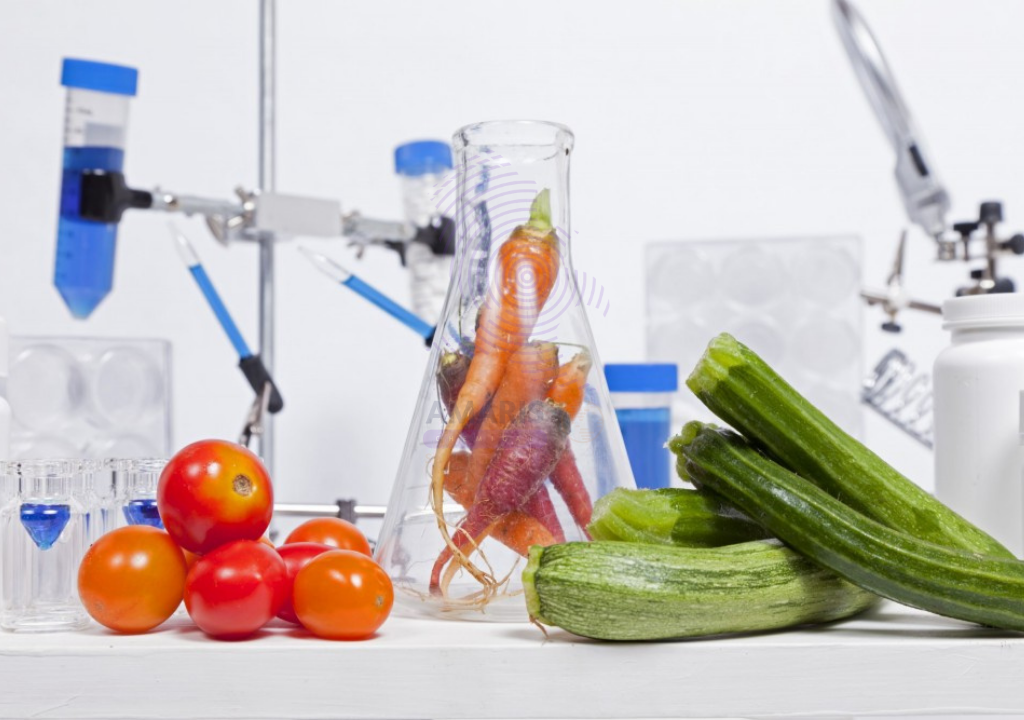
Food additives can provide additional protection when used for approved purposes and within applicable limits.
For example, sodium benzoate and potassium sorbate are preservatives used in certain foods to inhibit the growth of selected yeasts, moulds, and other microorganisms. Their effectiveness depends on factors such as the food’s acidity, formulation, and storage conditions.
Antioxidants can help slow oxidation in suitable products, protecting quality and flavour. Acidity regulators, such as citric acid, can help control pH and support product stability.
Not every additive is suitable for every food. Manufacturers must select ingredients according to the intended application, applicable regulations, and the product’s technical requirements.

Packaging and Temperature Control Work Together 📦
Packaging plays an important role in protecting food from contamination, moisture changes, oxygen, and physical damage.
Materials with suitable barrier properties can help limit exposure to oxygen or water vapour, while sealed packaging can reduce opportunities for contamination when used correctly.
For some products, modified-atmosphere packaging changes the gases surrounding the food to help slow certain spoilage processes. This technique requires appropriate controls because the wrong conditions can create food safety risks.
Combining suitable packaging with refrigeration and validated preservation methods can provide better results than relying on any single approach.
Why Cold Chain Management Matters in Kenya 🇰🇪
Reliable cold chains can help Kenyan dairy producers, meat processors, fish suppliers, fruit exporters, retailers, and food distributors maintain product quality during transportation and storage.
Temperature fluctuations, unreliable refrigeration, and delays can shorten shelf life and increase food losses. Businesses can reduce these risks through equipment maintenance, temperature monitoring, staff training, and clear handling procedures.
For manufacturers, keeping accurate records also helps identify where temperature problems occur and supports better quality management.
Building a Safer, More Efficient Food System
Longer shelf life is not achieved simply by adding preservatives or lowering temperatures. It requires a coordinated approach involving food chemistry, refrigeration, packaging, sanitation, and quality control.
When these elements are managed effectively, businesses can reduce avoidable losses, maintain consistent product quality, and help food reach consumers in better condition.
As Kenya’s food processing and distribution sectors continue to develop, investment in reliable cold chains and scientifically sound preservation methods will remain important for building a safer and more efficient food system. ❄️🌾
The science behind fresher food is a combination of the right ingredients, the right conditions, and the right controls.