Preservatives(food)
 Flavors
 Acidulants
 Sweeteners
 Antioxidants
 Colorants(food)
 Nutraceutical Ingredients (food)
 Nutrient Supplements
 Emulsifiers
 Collectors
 Dust Suppressants
 Explosives and Blasting Agents
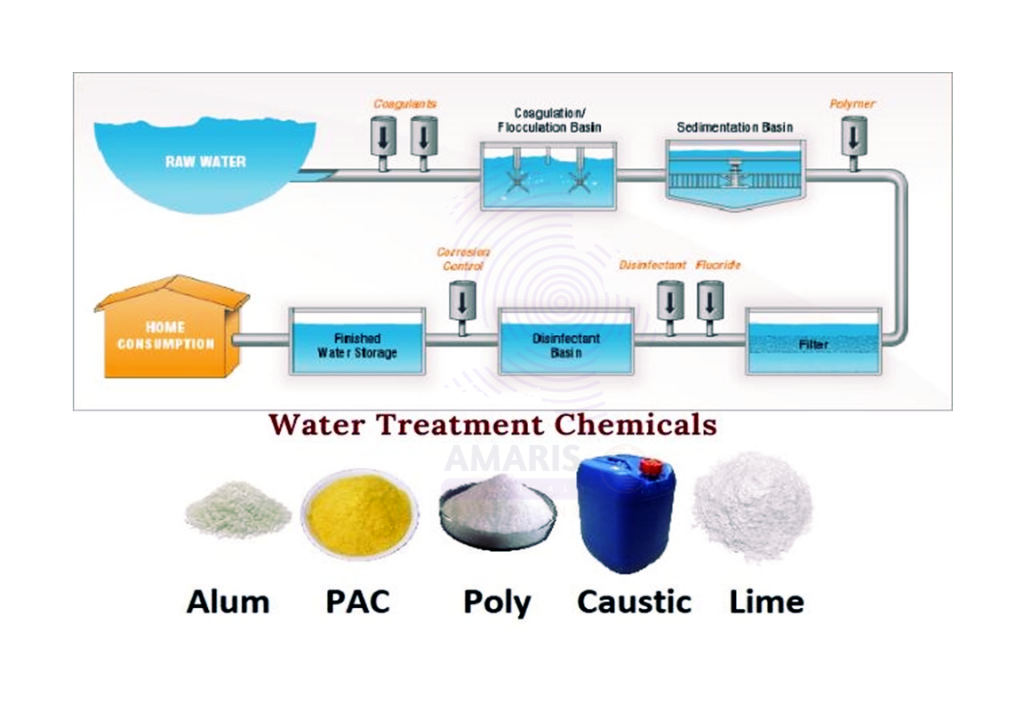
 Flocculants and Coagulants
 Frothers
 Leaching Agents
 pH Modifiers
 Precious Metal Extraction Agents
 Antioxidants(plastic)
 Colorants (Pigments, Dyes)
 Fillers and Reinforcements
 Flame Retardants
 Monomers
 Plasticizers
 Polymerization Initiators
 Stabilizers (UV, Heat)
 Antifoaming Agents
 Chelating Agents
 Coagulants and Flocculants
 Corrosion Inhibitors
 Disinfectants and Biocides
 Oxidizing Agents
 pH Adjusters
 Scale Inhibitors( water)
 Antioxidants(cosmetic)
 Emollients
 Oils
Oils Carrier Oills
 Essential Oils
 Humectants
 Preservatives
 Surfactants(cosmetic)
 Thickeners
 UV Filters
 Fragrance (Cosmetics)
 Fertilizers
 Soil Conditioners
 Plant Growth Regulators
 Animal Feed Additives
 Biostimulants
 Pesticides (Herbicides, Insecticides, Fungicides)
 Active Pharmaceutical Ingredients (APIs)
 Excipients
 Solvents(pharmaceutical)
 Antibiotics
 Antiseptics and Disinfectants
 Vaccine Adjuvants
 Nutraceutical Ingredients (pharmaceutical)
 Analgesics & Antipyretics
 Analytical Reagents
 Solvents(lab)
 Chromatography Chemicals
 Spectroscopy Reagents
 microbiology-and-cell-culture-reagents
 Molecular Biology Reagents
 Biochemical Reagents
 Inorganic and Organic Standards
 Laboratory Safety Chemicals
 Specialty Laboratory Chemicals(Special Laboratory Equipment)
 Demulsifiers
 Hydraulic Fracturing Fluids
 Scale Inhibitors(oil)
 Surfactants(oil)
 Drilling Fluids
 Dyes and Pigments
 Bleaching Agents
 Softening Agents
 Finishing Agents
 Antistatic Agents
 Admixtures
 Waterproofing Agents
 Sealants and Adhesives
 Curing Compounds
 Concrete Repair Chemicals
 Anti-Corrosion Coatings
 Surfactants(cleaning)
 Builders
 Enzymes
 Solvents (Cleaning)
 Electronic Chemicals
 Catalysts
 Lubricants
 Photographic Chemicals
 Refrigerants
 Automotive chemicals
 Pyrotechnic Chemicals
 Biodegradable Surfactants
 Bio-based Solvents
 Renewable Polymers
 Carbon Capture Chemicals
 Wastewater Treatment Chemicals
 Pigments
 Solvents(paint)
 Specialty Coatings
 Binders/Resins
 Additives
 Driers
 Anti-Corrosion Agents
 Functional Coatings
 Application-Specific Coatings
 Leavening Agents
 Dough Conditioners
 Flour Treatments
 Fat Replacers
 Decoratives
 Preservatives(baking)
 Plasticizers & Softeners
 Reinforcing Agents
 Adhesion Promoters
 Vulcanizing Agents
 Antidegradants
 Blowing Agents
 Fillers & Extenders
 Accelerators & Retarders
🧪 Laboratory Inventory Management: Best Practices for a Safer, More Efficient Lab 🔬📦✨


A well-organized laboratory is not only easier to work in—it is also safer, more efficient, and better prepared for research and testing. Laboratory inventory management involves tracking chemicals, reagents, equipment, consumables, and other laboratory supplies from the moment they arrive until they are used or disposed of. With hundreds of products potentially moving through a laboratory, having an effective inventory system is essential for preventing waste, controlling costs, and ensuring important materials are always available.
One of the most important principles of laboratory inventory management is maintaining an accurate inventory record. Every chemical and laboratory material should be recorded when it is received. Important information can include the product name, quantity, grade, supplier, batch or lot number, date received, expiry date where applicable, and storage requirements. Keeping this information updated makes it much easier to know exactly what is available and prevents unnecessary duplicate purchases. 📋🧪
Proper labeling is equally important. Chemical containers should have clear labels that identify their contents and relevant safety information. Damaged, faded, or unclear labels should be addressed promptly according to laboratory procedures. Clear identification reduces the risk of selecting the wrong chemical and supports safer storage and handling.
Storage organization is another essential part of effective inventory management. Chemicals should be stored according to their properties and compatibility rather than simply arranged alphabetically. Incompatible substances should be appropriately separated, while products requiring specific temperature, humidity, ventilation, or light conditions should be stored accordingly. Keeping frequently used materials in convenient locations can also improve workflow while reducing unnecessary movement around the laboratory. 🧤🏷️
A reliable inventory system should also monitor expiry dates and shelf life. Some reagents can lose their effectiveness over time, while others may become unsuitable for specific laboratory applications. Regularly reviewing expiry dates allows laboratory personnel to identify materials approaching the end of their useful life. Using an appropriate stock rotation system, such as “first-expire, first-out,” can help laboratories use suitable products efficiently and reduce avoidable waste.

Inventory management also plays a major role in cost control. Laboratories can lose significant amounts of money through expired chemicals, duplicate purchases, poor storage, or excessive stock. Regular inventory checks help identify slow-moving products and reveal which materials are frequently consumed. This information allows purchasing teams to develop more accurate ordering schedules and maintain appropriate stock levels. 💰📊
Digital inventory systems are increasingly transforming laboratory management. Instead of relying entirely on paper records or spreadsheets, laboratories can use inventory software to track quantities, locations, expiry dates, and purchasing information. Barcode and QR-code systems can make it easier to update stock records and locate specific products. Automated notifications can also remind staff when supplies are running low or approaching their expiry dates. 💻🔍
Safety should always remain a central consideration. Laboratories should maintain accessible Safety Data Sheets (SDS) for applicable chemicals and ensure that staff understand relevant hazards and storage requirements. Regular inspections can help identify leaking containers, damaged packaging, incompatible storage, or products that are no longer required. Appropriate personal protective equipment and established emergency procedures should also be available.
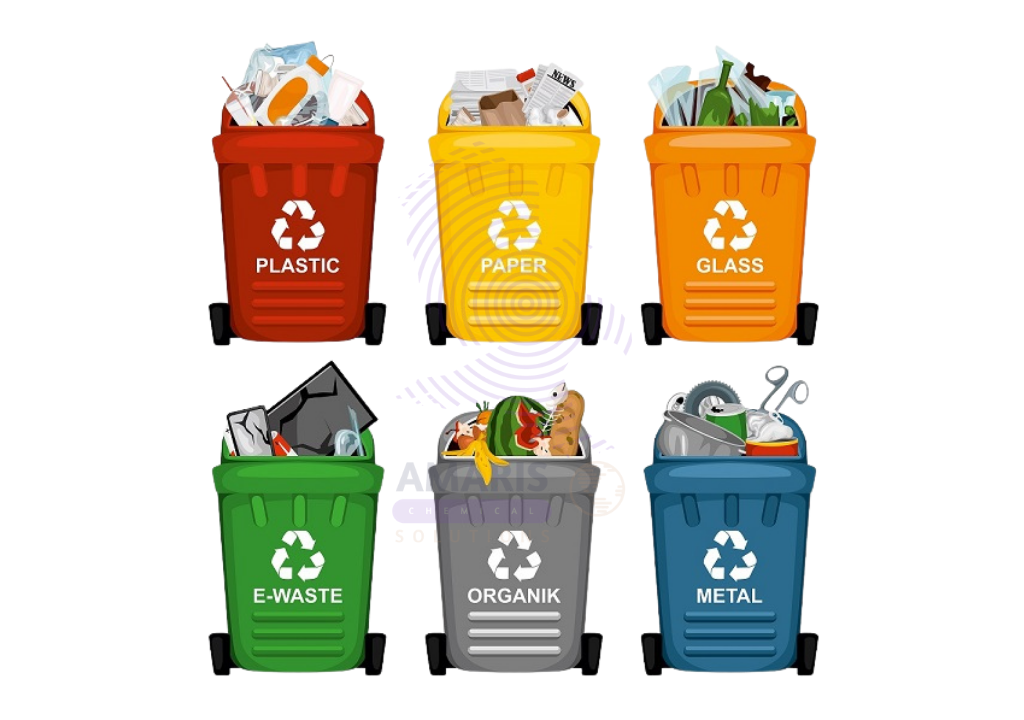
Chemical disposal is another important part of inventory control. Unwanted or expired chemicals should not simply be discarded with ordinary waste or poured into drains. Disposal should follow applicable regulations, laboratory procedures, and manufacturer guidance. Good inventory management reduces disposal requirements by helping laboratories purchase only what they need and use materials efficiently. ♻️🌍
Communication between laboratory users and purchasing teams is also essential. Researchers, technicians, laboratory managers, and procurement personnel should have a clear understanding of stock levels and upcoming requirements. Regular communication helps prevent both shortages and unnecessary over-ordering, particularly when laboratories are working on long-term projects or handling unpredictable research demands.
In conclusion, effective laboratory inventory management combines organization, accurate recordkeeping, safe storage, stock monitoring, cost control, and responsible disposal. By maintaining reliable inventory records, monitoring expiry dates, using appropriate storage practices, adopting digital tools, and regularly reviewing stock levels, laboratories can operate more efficiently while improving safety and reducing waste. 🧪🔬📦
As laboratory science continues to advance, effective inventory management will become increasingly important. A well-managed chemical and laboratory supply system allows researchers to focus on what matters most—producing accurate results, advancing scientific knowledge, and developing innovative solutions for the future. 🚀🌍✨